Søk
Filtre
Filtre
Resultat
- 2611studieportal / fagskolen-kristiania / fagskoleniva / 2611
- Leadership and Management in the Nordic Modelstudieportal / fakultet-for-ledelse-og-okonomi / bachelorniva / lmn2100 / leadership-and-management-in-the-nordic-model
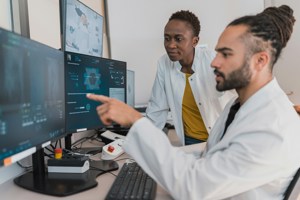
- Can this AI model transform heart disease diagnosis?kunnskap-kristiania / 2025 / 10 / Can-this-AI-model-transform-heart-disease-diagnosisSCIENCE NEWS FROM KRISTIANIA: Artificial Intelligence As Europe’s population ages, the workload of diagnosing heart valve diseases is only growing, while the number of specialists is shrinking. What if artificial intelligence (AI) could automate the process of identifying heart valves in medical images, making it faster and more precise? Our new study introduces DeepValve , the first AI-powered pipeline designed to automatically detect the important heart valve , called the mitral valve . Why the mitral valve matters The mitral valve acts like a doorway between two of the heart’s rooms, the upper left chamber (the atrium ) and the lower left chamber (the ventricle). Sometimes this doorway does not close all the way, such as in the condition mitral valve prolapse , where the valve bulges backward. When that happens, blood can leak the wrong way, making the heart work harder and pump less efficiently. In the long run , the complications can be severe, including heart failure and sudden cardiac death. Spotting problems with the mitral valve early is crucial, but today’s tools, such as heart ultrasound, aren’t perfect. They depend heavily on the skill of the person using them, and the images can sometimes be difficult to interpret. That’s where magnetic resonance imaging (MRI) comes in. MRI is a powerful scanner that uses magnets and radio waves to take detailed, 3D pictures of the inside of the body. It can give incredibly clear views of the heart, but the mitral valve often appears as just a thin, hard-to-spot line. Reading those scans takes real expertise . DeepValve steps in to help: it uses a form of AI called deep learning to analyze the images and pinpoint the mitral valve with impressive accuracy. The challenge of developing DeepValve Developing DeepValve wasn’t easy. We needed a way to automatically analyze MRI scans and pinpoint the mitral valve, a task far trickier than it sounds. MRI images can vary greatly depending on the angle of the scan and the patient’s condition. Some scans require the patient to hold their breath for 30 seconds or more, which can be challenging for the sickest patients. Even small movements can blur the images, making it difficult to distinguish the thin mitral valve from background noise. Each AI model was trained on 120 MRI scans from patients with a condition called mitral annular disjunction, where the valve attaches to an abnormal part of the heart wall. Many of the patients also had mitral valve prolapse, which contributed to the medical relevance of the dataset. Among the three models, DSNT-REG emerged as the standout , consistently locating the valve’s key landmarks with a median error of just 6.5 millimeters , roughly the width of a pencil eraser. Even in the trickiest scans, it could reliably distinguish the paper-thin valve from surrounding noise. Meanwhile, UNET-SEG also showed promise , accurately outlining valve structures even when images were noisy or distorted. Together, these results demonstrated that AI could tackle the kind of variability and imperfections that make manual analysis so slow and difficult, paving the way for faster, more consistent detection of heart valve problems. The future of cardiac care DeepValve is still in its early stages and requires further validation. But it represents an important step toward AI-assisted heart imaging. Next, researchers aim to expand the dataset, improve motion tracking across heartbeats, and test clinical applications. The system also opens up new research opportunities. While mitral valve prolapse has been studied extensively, far less is known about the mitral annual disjunction. Researchers are still debating whether this condition is harmful on its own. By automatically locating the mitral valve in large MRI datasets, DeepValve makes it possible to study this condition more efficiently, and ultimately, improve patient care. References: Monopoli, G., et al. (2025) DeepValve: The first automatic detection pipeline for the mitral valve in Cardiac Magnetic Resonance imaging , Computers in Biology and Medicine , 192A. Text: Gabriel Balaban , Associate Professor, School of Economics, Innovation and Technology, Kristiania University of Applied Sciences, Giulia Monopoli , PhD candidate, Simula Research Laboratory, and Molly Maleckar , Research Professor, Simula Research Laboratory. We love hearing from you! Send your comments and questions regarding this article by e-mail to kunnskap@kristiania.no .
- Macro Economy and the Nordic Modelstudieportal / fakultet-for-ledelse-og-okonomi / bachelorniva / men3100 / macro-economy-and-the-nordic-model
- Researcher calls for a new, sustainable normal after the pandemickunnskap-kristiania / 2021 / 11 / researcher-calls-for-a-new-sustainable-normal-after-the-pandemicKNOWLEDGE @ KRISTIANIA: Sustainability The ongoing COVID-19 pandemic has revealed how fragile our global development trajectory really is. While researchers, activists and public figures have tried to focus the attention on the critical environmental risks associated with unconstrained economic growth for decades, it took a global breakdown to shake the status quo . After two years of pandemic-related loss, fear and lockdowns, we are all eager to go back to normal times, to our career and our routines. But it must be a new normal, if we want to prevent much bigger disruptions down the road. We need to find a way to properly take into account our environmental, social and demographic limits, if we want to ensure that the normal times are here to stay. The Earth4 model The great challenge of the present is not to restore the previous trajectory of development after COVID-19, but to build a new one. And this is the challenge that our Earth4 project aims to help with. Connecting researchers active in different fields from all over Europe, the project aims to deliver the most ambitious sustainable development model ever created. We will combine environmental, social, demographic and economic trends, in order to develop a complex system dynamics model. This model will integrate both economic and environmental mechanisms for the creation, implementation and monitoring of ambitious policies supporting new, resilient growth trajectories. Available to the general public Policy-makers, however, are not the only planned beneficiaries. Earth4 will be made available to the general public, through a dedicated platform being developed by the Club of Rome. This club is a non-governmental organization (NGO) working since 1968 to promote environmental awareness at all societal levels, to enable everyone to engage with the issues at stake, and to monitor both global and local trends. This will measure the variety of socioeconomic and biological dimensions of current policies, aimed at comparing national efforts with what it would take to enact the global shift that we need. The model detects unsustainable development trajectories While the Earth4 model is not ready yet, the latest iterations already illustrate some key dynamics with perfect clarity. For years now, the awareness that environmental and social sustainability are one and the same. The Earth4 model is able to show their complex relations, illustrating how current development trajectories lead to both unsustainable environmental footprint and unsustainable debt ratios at the global level. Furthermore, it shows that policies aimed exclusively towards one side of the sustainability challenge, aggravate the other side, thus being ultimately self-defeating, as social collapse makes environmental progress impossible, and vice versa. Environmental limits and distributional inequality Cancelling or easing debts just accelerate unsustainable consumption and demographic patterns. Vice versa, imposing a qualitative shift towards green production and consumption makes existing debt loads impossible to bear, precipitating social upheaval. Earth4 shows that a holistic approach is not only desirable, but also the only desirable approach, under current conditions. Many solutions are possible. But all solutions must tackle both the environmental limits and the distributional inequality. Just an instrument, not an end To achieve this, academic research is insufficient. While the Earth4 team is looking forward to developing the best possible model integrating both socioeconomic and environmental mechanisms, the model in itself is just an instrument, not an end. The aim is to help activists, policy makers and the concerned public with the crucial political task of selecting, promoting, implementing and defending the policies we need to ensure that the new normal is here to stay. To this end, we plan to diffuse the Earth4 model, indicators, concepts and ideas as far and wide support the thousands of people that are already working, every day, in the same direction. Build a new normal Earth4 may look ambitious, but its complexity is just a pale reflection of the real issues that we are facing today. We need complex instruments to tackle complex problems. But the root of the solution is much simpler: get engaged. We all want a new normal after COVID-19. We need to realize, however, that the new normal will not be delivered to us: we need to build it. Reference: Collste, D., Randers, J., Goluke, U., Stoknes, P. E., Cornell, S., & Rockström, J. (2018). The Empirical Bases for the Earth3 Model: Technical Notes on the Sustainable Development Goals and Planetary Boundaries. Greaker, M., Stoknes, P. E., Alfsen, K. H., & Ericson, T. (2013). A Kantian approach to sustainable development indicators for climate change. Ecological Economics, 91, 10-18. Randers, J., Rockström, J., Stoknes, P. E., Goluke, U., Collste, D., Cornell, S. E., & Donges, J. (2019). Achieving the 17 Sustainable Development Goals within 9 planetary boundaries. Global Sustainability, 2. Text: Beniamino Callegari, Researcher at School of Economics, Innovation and Technology, Kristiania University College. We love hearing from you: Send your comments and questions regarding this article by E-mail to kunnskap@kristiania.no .

- Artificial intelligence ensures a more defensive cyber security on the Internet of Thingskunnskap-kristiania / 2022 / 08 / artificial-intelligence-ensures-a-more-defensive-cyber-security-on-the-internet-of-thingsKNOWLEDGE @ KRISTIANIA: Cyber security Nowadays, the standard of the organizations and countries are measured by how secure they are in terms of power and services. From agriculture to aviation, and manufacturing to finance, security is considered as a key for benchmarking the product and services. The term Internet of Things , or IoT, refers to the collective network of connected hardware devices, software and communication technology. As an example, the IoT can be used to create a smart home with WiFi enabled appliances all connect to the internet and share the data that can be control remotely from your cell phone. However, the incremental record of cyberattacks threatens . Attackers hack others’ infrastructure often to warn people or earn money, or sometimes just for hobbies of breaking the embedded systems. Cyber security through artificial intelligence For establishing security and safety, in addition to the normal precautions such as a firewall and antivirus software, artificial intelligence (AI) can be a very useful tool to learn the behaviors of these cyber-attacks and responds to them with appropriate actions. By 2025, cybercrime is expected to cost the global economy $10.5 trillion a year which is more than $3.3 million per second. Smart environments with AI are more secure from planning to development and deployment of software sufficiently reflecting the diverse cyberattack scenarios. We at Kristiania University College, work through the ENViSEC project to build AI-enabled method for cybersecurity towards secure smart environments. Immense costs for the global economy Cyberattacks refer to any form of malicious activities that target IT systems to gain unauthorized access to the information. By 2025, cybercrime is expected to cost the global economy $10.5 trillion a year which is more than $3.3 million per second. Recently in July 2021, even for a single cyberattack, Saudi Aramco faced $50 million ransom in cyber extortion over leaked data . Moreover, the AI market in cybersecurity is expected to significantly grow at a compound annual growth rate of 24.2 per cent from 2020 to 2029 to reach $66.22 billion by 2027. Therefore, the AI can be inspected as a next generation tool to mitigate cybersecurity attacks and reinforce the best practices for improved and secure IT systems. AI enables effective cyber security Cybersecurity crossponds with the set of IT setup and processes configured to protect digital devices, computers, programs and data from attack, unauthorized access, change, or destruction . Inspired by the human brain, Artificial Intelligence (AI) enables the machine to think, learn, act, and react in a similar fashion we human beings do. AI can automate many security tasks of IT systems that a human often does manually. AI-enabled security of technological environment involves multiple levels of intelligent strategies at various stages of the embedded software development process from planning to deployment. Every device connected to the network through any medium should be secured before and while connecting to the network. For that, a significant number of AI-enabled security applications such as automated malware attacks detection, data loss prevention, intrusion detection/prevention, threat intelligence, fraud detection, anomaly detection, source code vulnerability prediction, automatic program repair, patch prediction enables effective cybersecurity. Ensures a more defensive system Every device connected to the network through any medium should therefore be secured configuring with security in mind before and while connecting to the network. Each IoT device can individually perform different behavior in the network and the way handling its anomalous behavior needs specific strategy. For that, a device-oriented lightweight AI model to predict the malfunction of the device, ensures a more defensive system. Figure 1 shows the AI-enabled framework for cybersecurity in smart environments with cloud computing support. Figure 1: ML framework for cybersecurity in smart environments with cloud computing support. Benefits of embedded - AI Some of the notable advantages of embedded AI software models to smart environments are; Security and privacy : The inference processing of the data and construction AI models in cloud computing needs to transfer the data and the predictive model in the cloud. Hence, that can encounter the security and privacy issues being the data available in the cloud. Data and the model relying on systems on chips (SoCs) ensures that security and privacy of the local data and AI software. Reduced dependence on the cloud : The inference processing of the data and AI models are heavily dependent on cloud or high-performance computing. If IoT devices and chips can construct the AI models, then the dependence on cloud can be significantly reduced by low power devices and chips . Improved products and services: Embedding the AI models on SoCs and IoTs optimizes the chip’s architecture thereby reducing instruction counts, energy consumption, and computation time. The embed-AI models can result in improved the overall products and services, increased operational efficiency, and enhanced security and risk management with predictive maintenance for equipment. Challenges on developing AI software models for embedded devices On-device-AI ensures security and privacy concerns on sensitive data that remains unexposed to the public internet. It also reduces the dependency on cloud computing for inference processing. However, enabling AI models on these tiny embedded devices does not remain without challenges. Some of the major challenges are as follows: Resource-constraints environments: The tiny IoT devices often consist of limited processing power, memory, and energy capacity. Due to its resource limitations, middleware developers must either compromise with CIA (confidentiality, integrity, and availability) or put complex low prioritized computations to off-chip and keep only necessary ones on-chip. Data variances: AI-enabled model for cyberattacks prediction needs significant data gathered from diverged scenarios of the environments to train the machine learning model. So that the trained model in the future can be utilized to detect malware attacks occurred in the systems. However, the major problem in the field of AI-enabled cyberattacks prediction is lacking ground truth data of attacks sample. To deal with the shortcomings, a considerable number of researchers and practitioners have manually curated the data in their specific environment artificially injecting the attacks to represent the malware attacks patterns and behaviors. Data imbalance : The existing available data may also suffer from the data imbalance problem not having the proportion of the data that distinguish one attack from other attack group which introduces problem with generalization. Off course originally diversed and generalized data or by tuning it, promotes more robust and reliable AI model with more accurate and precise data. Inference Processing : The training process of the AI models may require intensive resources which may need powerful computers than these IoT devices. However, once the model is constructed, deploying it onto a device to process the incoming data in terms of signals, images, audio and video to look for and recognize it based on the trained model can be done. References: CNBC (2021). https://www.cnbc.com/2021/07/22/saudi-aramco-facing-50m-cyber-extortion-over-leaked-data.html. Buczak, A. L., & Guven, E. (2015). A survey of data mining and machine learning methods for cyber security intrusion detection. IEEE Communications surveys & tutorials, 18(2), 1153-1176. Shalaginov, A., & Grønli, T. M. (2021). Securing Smart Future: Cyber Threats and Intelligent Means to Respond. In 2021 IEEE International Conference on Big Data (Big Data) (pp. 2560-2564). IEEE. Meticulous Research (2020). https://www.meticulousresearch.com/product/artificial-intelligence-in-cybersecurity-market-5101. Peterson, Z. (2020). The Future of Embedded AI and Custom SoCs, https://www.nwengineeringllc.com/article/the-future-of-embedded-ai-and-custom-socs.php. ENViSEC, (2021). ENViSEC: Artificial Intelligence-enabled Cybersecurity for Future Smart Environments. https://smartseclab.com/envisec/. Ahmed, E., Yaqoob, I., Gani, A., Imran, M. and Guizani, M., (2016). Internet-of-things-based smart environments: state of the art, taxonomy, and open research challenges. IEEE Wireless Communications, 23(5), pp.10-16. The ENViSEC project towards cybersecurity The ENVISEC project is for establishing AI-enabled cybersecurity to make secure and reliable smart systems. We focus on building malware and attacks detection models to different layers of the multi-agent systems. Our new method contributes to the prediction of security issues in the initial stages of the system lifecycle that contributes towards a resource-efficient environment. Text: Guru Prasad Bhandari, Software Engineer at the School of Economics, Innovation and Technology, Kristiania University College We love hearing from you: Send your comments and questions regarding this article by E-mail to kunnskap@kristiania.no .

- Publikasjonerforskning / forskningsgrupper / ail / forskningsformidlingThon, A., & Brekke Hauglid. (2025). Work-integrated learning in Norway: Reviewing the field and future direction. International Journal of Work-Integrated Learning , 2025, 26(3), 575-590. Hauglid, B.B., Hains-Wesson, R., Fannon, A.M. (2025). Utilizing a fun model: Supporting students’ wellbeing in project-based work-integrated learning. International Journal of Work-Integrated Learning , 26(1), 143–157. Annette Kallevig. (2025). Internship as a study program developer. I K. Areskoug Josefsson, P. Assmo, U. Lundh Snis, A. K. Olsson, P. Lauvås, & A. Thon (Red.), Proceedings of WIL’25: The 3rd International Conference of Work-Integrated Learning – “Shaping the Future Landscape of Work-Integrated Learning ”. Trollhättan: University West. ISBN 978-91-89969-29-2 Hanne Stavelie. (2025). Developing soft-skills for the global workplace in a Blended Intensive Programme (BIP) .Proceedings of WIL 25, Digitala Vetenskapliga Arkivet – DiVA, ISBN 978-91-89969-29-2. Adina Marie Nydahl and Borghild Brekke Hauglid. (2025). Identifying Learning Outcomes in Project-Based Work Integrated Learning: A Text Analysis of Student Reflections . Proceedings of WIL 25, Digitala Vetenskapliga Arkivet – DiVA, ISBN 978-91-89969-29-2. Andreas Thon, Birthe Kåfjord Lange and Merete Bolstad (2025). Student Self-Regulation in WIL: A Study of Institutional and Workplace Structured Support Frameworks . Proceedings of WIL 25, Digitala Vetenskapliga Arkivet – DiVA, ISBN 978-91-89969-29-2. Trond Beldo Klausen and Andreas Thon. (2025). Work-Integrated Learning and Problem-Based Learning: Exploring Complementary Pathways to Graduate Employability . Proceedings of WIL 25, Digitala Vetenskapliga Arkivet – DiVA, ISBN 978-91-89969-29-2. Andreas Thon & Borghild Brekke Hauglid. (2025). Institutional Success Factors for Work Integrated Learning in Norwegian Higher Education: Insights from Provosts of Education . Proceedings of WIL 25, Digitala Vetenskapliga Arkivet – DiVA, ISBN 978-91-89969-29-2. Jarle Bastesen, Kari Mette Solheim and Silje Wiig-Abban. (2025). From Standalone Projects to Strategic Partnerships: A Three-Year Case Study of Academia-Industry Collaboration Evolution . Proceedings of WIL 25, Digitala Vetenskapliga Arkivet – DiVA, ISBN 978-91-89969-29-2. Rune Bjerke and Åshild Mongstad. (2025). Bridging Theory and Practice: Student Reflections on a Case-Based HRM Learning Approach in Higher Education . Proceedings of WIL 25, Digitala Vetenskapliga Arkivet – DiVA, ISBN 978-91-89969-29-2. Olav Johansen and Aurora Gustavsen. (2025). Exploring the Dynamics of Learning-Intensive Situations in Contemporary Working Life: Implications for Organizational Innovation, Knowledge Management, and Work-Integrated Education . Proceedings of WIL 25, Digitala Vetenskapliga Arkivet – DiVA, ISBN 978-91-89969-29-2.
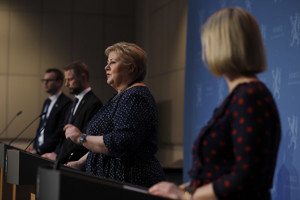
- How different governments communicated during coronaviruskunnskap-kristiania / 2022 / 02 / how-different-governments-communicated-during-coronavirusKNOWLEDGE @ KRISTIANIA: Health communication In times of crisis, people’s health depends on access to timely, accurate information. M any countries plot a tricky path out of coronavirus ravages , fuelled by different rhetoric from governments. Thus , an effective communication model that can be used during a crisis or epidemic became more vital as it can enable leaders to navigate the harsh realities and save lives. Such a communication model can be found in many speeches given during this historical event to be used as a strategy during the next health crisis. A closer look at the government’s rhetoric In my Ph.D. project on the "Leadership Communication Styles of Country Leaders in Times of Crisis" , I review and evaluate the authorities' communication handling the outbreak. I explore how the political leaders in the United States of America (US) , the United Kingdom (UK) , New Zealand and Norway choose their rhetoric and how they frame issues to appeal to a specific audience. To do this, I will use excerpts from speeches given during coronavirus, and compare these selected speeches at a thematic level. We’ve seen a difference in how the leadership is communicated with the public. I n s ome countries, the interventions were military-like where governments enforced policies restricting movements . In other countries such as Sweden , there were no lockdowns or restrictions on the movement of people. Yet, the difference in response did not result in significant mitigation on the spread of the virus. Still, all agreed that communication was vital in controlling the COVID-19 infections . T he virus spread was hinged on human behavior and the public was in need of being informed. Did certain communication styles prolonge the crisis? Ideally, state officials would put political and ideological differences aside in order to concentrate all resources and energy against the threat. Such a coordinated response would be essential in the case of a new, highly infectious disease that has no treatment, vaccine, or cure at the time such as COVID-19. The widening gap we witnessed in some countries begs the question of whether the crisis communication style of leaders has prolonged the pandemic and ultimately endanger ed the resilience by politicizing the response. Split messaging and divisions exacerbated the threat Before the declaration of the pandemic, the US and the UK were the best prepared countries out of 195 nations , according to reports published by the John Hopkins Center for Health Security. Yet, some senior government officials in the UK were forced to resign due to failing to maintain a consistent public health messag e. Thus, the public lost trust in their leadership. In the US, health officials urged people to use face covering , while President Trump refus ed to do so and argued against. The credibility gap between him and experienced government officials, including the health experts who are part of his COVID-19 task force widens. The split message regarding masks and the subsequent political divide over them has come to symbolize the chaos of the U.S. response to the raging pandemic. “United we stand” On the contrary, despite the lack of preparedness, Norway arguably performed well in handling the pandemic quickly and effectively . The government succeeded in the successful collaboration in decision - making with health experts. Former Prime Minister Erna Solberg sent an invitation to work together and share the responsibility " In Norway, we stand together when it comes to. We mobilize for volunteer work and collaboration in small and large local communities. Now this is more important than ever ". Similarly, in New Zealand the government achieved remarkable success in managing the pandemic. Health authorities as well as the political leadership communicated the same strategies and understanding of the pandemic. The positive and consistent messaging inspires confidence and social solidarity. Poor communication can worsen the effects of the crisis In our interpretation, no matter how effective the planned response is, poor communication will significantly undermine national response to a pandemic. In fact, it can exacerbate the threat and lead to greater disease effects as well as a loss of trust and faith in leaders. A closer look into speeches at a thematic level would provide an idea about the political leaders' rhetoric. Also, it will allow us to understand different rhetorical strategies used by leaders on both sides of the aisle and how they frame issues to appeal to a specific audience. Kristiania University College funds the research project, Adnan Kisa is the project leader, and Jens Kjeldsen from the University of Bergen is the main supervisor. References: GHS Index. (2019). The Global Health Security Index-Reports & model 2019. Retrieved September 29, 2020 from https://www.ghsindex.org/ Nicola, M., Sohrabi, C., Mathew, G., Kerwan, A., Al-Jabir, A., Griffin, M., Agha, M., & Agha, R. (2020). Health policy and leadership models during the COVID-19 pandemic-review article. International Journal of Surgery. The Washington Post. (2020). How the split over masks sums up America’s chaotic coronavirus response. Retrieved October 2, 2021. Text: PHD-fellow Magde Mohamed Nour, School of Health Sciences at Kristiania University College We love hearing from you: Send your comments and questions regarding this article by E-mail to kunnskap@kristiania.no .
- Bedriftsetablering i kulturell og kreativ næringstudier / nettstudier / enkeltemne / bedriftsetablering-i-kulturell-og-kreativ-naringJobber du – eller ønsker du å jobbe – som selvstendig, frilanser eller entreprenør i kulturell og kreativ næring? I dette emnet lærer du hvordan du kan utvikle idéer, bygge nettverk, forstå økonomi og etablere virksomhet med utgangspunkt i din egen bransje.NettstudiumEnkeltemneHeltid \ Deltid
- Gamification for Innovationkunnskap-kristiania / 2022 / 04 / gamification-for-innovationKNOWLEDGE @ KRISTIANIA: Innovation The quest for innovation has more competitors than ever. The entrance of Netflix disrupted the DVD rental industry with such force that Blockbuster closed their business for good. The German pharmacy-chain Schlecker filed for bankruptcy after being ousted by the new no-frills retail approach. Apple’s rise led to the fall of Nokia - the plethora of examples goes on. The tales of demise are all different; some were a result of product innovation, a selection was a consequence of pricing innovation, others fell due to business model innovation. In order to be safe from defeat, organizations cannot merely innovate parts of their business; innovation must permeate the whole operation end-to-end. What is Gamification? Innovation literature widely agrees that while there are several tools available for elevating innovation activities within a business, however there is a lack of specification as to how gamification can be used for enterprise or process innovation. This article seeks to present the current arguments in research addressing the potential of creating innovation-fostering environments in businesses through gamification techniques. Our main findings suggest that gamification techniques have the potential to create a bridge between the sociological and technical aspects within enterprises’ culture. While the concept of it is not new, the term “Gamification” has recently started to receive attention, and this attention is bringing along promising opportunities. Zichermann & Cunningham (2011) define gamification as the process of using game-thinking and gaming elements and mechanics to involve audiences and solve problems. In a nutshell, it is the use of game-mechanics in a non-gaming context. Game elements and mechanics may involve tasks and challenges, leaderboards, points and XPs, statuses, rewards, levels, among others. Why Gamification is a big thing? People love to play, challenge others, be good at things, and have fun! Thus, there is no surprise in knowing that the global gaming market size is around 2.69 billion gamers , and was valued at USD 173.70 billion in 2020, and it is expected to reach a value of USD 314.40 billion by 2026, registering a compound annual growth rate of 9.64% over 2021-2026. According to International Data Corporation (IDC) data, the videogame industry is a bigger moneymaker than the global movie and North American sports industries combined. That’s one of the reasons that pushed NETFLIX to introduce its own gaming platform in November 2021 for free for its members, to probably attract gamers to register for memberships. Based on statistics published by the Entertainment Software Association, over 65% American households play games, with the average age being 35 years old, and almost evenly split on both female and male players, and ca. 65% of gamers like to play with others. Gaming in a non-gaming context How can we translate this dedication to gaming in a non-gaming context? In our case; the different enterprise systems in organizations. Enter gamification, which is a tool to increase engagement from employees at work, by utilizing design principles from gaming. Gamification has had a surge of popularity in the information systems (IS) field, and there has been a push in using these concepts in enterprise systems. Reasons for the rising popularity is theorized to be due to cheaper technology and the success and prevalence of the game medium. Potential of Gamification for Organizations The enterprise gamification and innovation blending are largely unexplored. Arguably due to the fact that gamification is still in its infancy. In general, manifesting the concepts of gamification into technical features is a complex task, and it is rational to start with the more straightforward dimensions of gamification whilst exploring the concept. This is usually referred to as the front-end of gamification; user engagement and motivation. Still, the secondary effects of gamification, or the back-end of it, do indeed carry an untapped potential. This is an opportunity for organizations to gain a first-mover advantage. Pioneers in the application and use of the back-end of gamification can gain a competitive edge in their existing business models. The loud absence of understanding these potentials also presents an opportunity to gain and sell such expertise as a service to businesses. Much like Amazon started selling expertise in server hosting as a service after they succeeded with their initial business model, which focused solely on online book retailing. Key ingredients to innovation Games are built upon engagement and imagination, which are key ingredients to innovation. Hence, gamification in enterprise resource planning (ERP) systems can be a promising solution to the flexibility versus control issue in innovation. ERP systems allow businesses to have control and knowledge of their current business processes whilst keeping them integrated. Introducing gamification elements in the business through ERP systems can add innovation-fostering characteristics to those processes. If done in a conscious manner, this can potentially set in motion a culture allowing for more natural and continual innovation of a product or service, price model, business processes, business model and everything in between. Gamification applications in a business setting One of the most important aspects of gamification is the fact that it happens outside a well-defined space. Businesses that let themselves be inspired by this can incorporate the same trait to their innovation activities. It presents an opportunity to allow for exploration and idea-generation processes for other parts of the business than only the R&D departments. The key factors in relation to improving the gamification design processes revolves around improved ideation and prototyping, facilitating learning opportunities, using more meaningful design features, and most relevantly, developing innovative mechanics. However, as the current research confirms, to be innovative or to create an innovative environment is hard to make feasible. The guidelines and principles mostly refer to ensuring the presence of abstract traits like flexibility, freedom, exploration etc. Gamification theory aims towards achieving much of the same traits in the process of creating games. Further research should therefore try and test whether these gamification practices are applicable to business processes. The amount of studies attempting to pinpoint models that can aid in gamification applications in business setting, demonstrate the need to make business models more feasible and applicable. IDEAS Lab at Kristiania University College: The Innovation & Digitalization for Businesses And Society Laboratory (IDEAS Lab) at Høyskolen Kristiania focuses on Innovation research in general, and Gamification applications in specific. For more info visit www.ideaslab.no . References: Humlung, O., & Haddara, M. (2019). The hero’s journey to innovation: gamification in enterprise systems. Procedia Computer Science, 164, 86-95.98) Algashami, A., Vuillier, L., Alrobai, A., Phalp, K., & Ali, R. (2019). Gamification risks to enterprise teamwork: taxonomy, management strategies and modalities of application. Systems, 7(1), 9. Zichermann, G., & Cunningham, C. (2011). Gamification by design: Implementing game mechanics in web and mobile apps. " O'Reilly Media, Inc.". This popular research article is first published in the Future Issue of Kunnskap Kristiania 2022-03 . The article is an edited excerpt from Humlung, O., & Haddara, M. (2019). The hero’s journey to innovation: gamification in enterprise systems. Procedia Computer Science, 164, 86-95.98) Text: Oda Humlung, MSc Information Systems, and professor Moutaz Haddara, School of Economics, Innovation and Technology . Haddara is director of IDEAS Lab at Kristiania. We love hearing from you: Send your comments and questions regarding this article by E-mail to kunnskap@kristiania.no .
- Norwegian law firms do not fear digital disruptionkunnskap-kristiania / 2023 / 05 / norwegian-law-firms-do-not-fear-digital-disruptionKNOWLEDGE KRISTIANIA: Innovation in law Existing literature about digitalization and innovation in law companies is almost exclusively focused on the Anglo-Saxon sphere, generalizing trends observed there to the global level. In the US and England, we see that new Digital Law companies are recruiting highly qualified lawyers to work for them in spite of lower salaries. They are now representing a competition to the more prestigious and expensive traditional law firms. But what is the actual impact of digital transformation in the Norwegian legal sector? Innovation takes different forms We may talk of innovation as a single phenomenon. But innovation takes wildly different forms depending on the context of reference: the sector, the nation, the culture – they all shape the way in which innovation works. Digitalization is no exception. While this innovation wave may be relying on similar technological solutions, their application and consequences are quite diverse. Take the legal sector for example. Law firms are not exactly famous for their innovativeness. And yet, their structure and entire model of operation has been subject to several revolutions in the last century. Currently, most top law firms operate with a partnership structure, with younger lawyers competing to gain partnership status, and the accompanying prestige. The fact that partners are the only ones to receive the firm’s profits doesn’t hurt the appeal either. Long hours–high salaries – low satisfaction While the model is very successful in promoting excellent performance, which translates into very high lawyers’ salaries, even at the entry level, it is also an explicit rat race. Young lawyers are pitted against each other in a “tournament” for partnership status, a contest that only few can win. Thus, despite the high salaries and the nice suits, US and UK lawyers are among those working the longest hours, with the lowest average job satisfaction to boot. Work-life balance is out of reach for all those competing in the tournament, and burnout a constant companion. New digital law companies have a more friendly approach But something has happened in the last few years. Some new digital law companies have launched, leveraging digital technologies to automatize routine tasks. They offer much more affordable legal support in niche areas poorly served by the prestigious and expensive traditional firms. Crucially, digital law companies have a managerial structure, with no partnership tournaments. Despite a lower wage, by offering reasonable hours, a friendlier atmosphere and reasonable career paths, these companies have succeeded in getting hundreds and thousands of highly qualified lawyers to work for them. Greatly propelling their development, and creating the conditions for direct competition with the established law firms soon. Better work-life balance What about Norway? As mentioned, existing literature focuses almost exclusively on the Anglo-Saxon sphere, generalizing these trends to the global level. Norway is famous for their focus on work-life balance and their harmonious work relationships after all. Therefore, we proceeded to identify and interview several established traditional law firms and new digital firms alike, to figure out what was happening here. The good news is that Norwegian lawyers appear to be less overworked and happier than their English-speaking colleagues. This is great for the lawyers, but what about the Digital Law firms? Norwegian digital law firms are different We found that the Norwegian digital law firms cannot rely on a large supply of well-trained and frankly desperate lawyers willing to bail ship. Norwegian lawyers in fact require higher salaries to consider switching jobs to less prestigious and riskier employers. Consequently, most Norwegian digital firms are focused instead on developing better digital supporting instruments to be bought and implemented by traditional law firms. Rather than undermining the dominance of the traditional firms, these firms appear to play an important supporting role, facilitating the adaptation of partnership structures to present conditions. Lawyers are clearly better off in Norway Is this better or worse? Well, Norwegian lawyers are clearly better off. They get to retain their high salaries, their prestigious employment and to enjoy the support of an ever-increasing suite of digital solutions facilitating menial and time-consuming tasks. Customers, however, may beg to differ. It is unlikely that the savings brought by digital technologies will be passed on to them. As, after all, a sizable bill is often used as a signal of the legal advice’s quality, according to exicting literature on price elasticity. So, while legal costs are projected to decline in the Anglo-Saxon sphere, Norwegian high legal fees are probably here to stay. One important reason for that is that the job market for lawyers in Norway is good, there is much less competition compared to England and the US. A few digital law firms, however, are committed to eventually upscale their activities to compete directly with the established players. Norwegian lawyers can still sleep tight Traditional firms are downplaying this risk, stating that, after all, they could always reach in their deep pocket to acquire any troublesome new entrant. Yet the partnership structure put some severe constraints to mergers and acquisitions activities. If a new digital law firm could succeed in developing a killer solution and securing significant venture support, things may turn around quickly. Until then, however, Norwegian lawyers can sleep tight, in fancy pajamas too. Reference Callegari, Beniamino; Rai, Ranvir Singh (2023). Digitalization and Law: Innovating Around the Boundaries. Journal of Professions and Organization. HK ONH We would love hearing from you: Send your comments and questions regarding this article by e-mail to kunnskap@kristiania.no.

- Forskerfredag i Urtegataom-kristiania / kalender / forskerfredag-i-urtegataPresentasjon av to spennende, kunstneriske forskningsprosjekter innen teaterkunst og nye medier.

- Er bedriften din klar til å selge mindre for å redde kloden?kunnskap-kristiania / 2021 / 5 / er-bedriften-din-klar-til-a-selge-mindre-for-a-redde-klodenKOMMENTAR: Jakob Utgård om bærekraft Nordmenn er i toppskiktet i verden i å forbruke planetens ressurser. CO2 og klimaendringer er langt fra de eneste problemene vi har. Forbruket vårt truer alle typer naturressurser, og vi er nødt til å redusere det for å redde kloden. Sammen med forbrukere og myndigheter må næringslivet ta sin del av ansvaret for å få det til. Bedrifter som har som forretningsmodell å selge mest mulig, kan bli skremt av tanken på å redusere det totale forbruksnivået. «Negativ vekst» kan likevel snus til noe positivt for mange bedrifter. Les også: Smarte kontrakter kan hjelpe forbrukerne til å ta bærekraftige valg Reduserer belastningen på miljøet Mange bedrifter jobber hardt med å redusere de negative miljøkonsekvensene av produktene sine. Dette betyr å fremstille produktene med fornybar energi og råvarer, og med minst mulig total ressursbruk. Dette betyr også å minimere miljøbelastningen når produktene brukes. Det skjer gjennom å lage produkter med lite energibehov, som kan bli brukt lenge, reparert, og tatt over av andre når behovene har endret seg for første kjøper. Når produktene er helt utslitte, må materialene enkelt kunne brukes i nye produkter. Disse tiltakene er kjernen i sirkulærøkonomien, der tanken er at ingen ressurser skal gå til spille og at alt avfall er råvarer til nye produkter. Med godt sirkulært arbeid vil bedrifter redusere den totale miljøbelastningen for hvert solgte produkt. En årlig reduksjon i miljøbelastningen per produkt vil dermed gi rom for en tilsvarende årlig salgsøkning, uten at bedriftens totale miljøpåvirkning øker. Les også: Hvordan få selgere til å bli best på bærekraft Må selge mindre Men, dette vil trolig ikke være tilstrekkelig til å snu utviklingen mot en mer bærekraftig fremtid. Det er krevende å redusere miljøbelastningen per produkt med mange prosent årlig over tid. Så lenge salget øker i takt med reduksjonen av miljøbelastningen, vil vi kun opprettholde status quo. Og dette er utilstrekkelig når kloden trenger en kraftig reduksjon i klimautslipp og ressursbruk. Bedrifter må derfor jobbe planmessig for å produsere og selge mindre for at det det virkelig skal monne. Her er tre årsaker til at det kan bli mindre dramatisk enn det høres ut: For det første vil mer bærekraftige kvalitetsprodukter kunne forsvare en høyere pris. Det kan kompensere for færre solgte enheter. For det andre vil reparasjon, vedlikehold og oppgraderinger av produktene kunne bidra til økte inntekter. Norrøna og Bergans har for eksempel omfattende tilbud om reparasjoner. For det tredje kan nye forretningsmodeller bidra. Kanskje kan selskapet ditt selge brukte produkter, eller leie ut produktene? Da kan et og samme produkt gi inntekter flere ganger. Jernia , Clas Ohlson og andre virksomheter har begynt å leie ut produkter. IKEA annonserte nylig at de vil kjøpe og selge brukte møbler. Les også: Designer en bedre verden Innovasjon og samarbeid får med alle Et argument mot å selge mindre volumer er at konkurrenter raskt vil ta over det gamle volumet, og at situasjonen for kloden dermed ikke nødvendigvis blir bedre. Denne utfordringen må vi møte med innovasjon og attraktive produkter og merkevarer, som gjør det mindre fristende for forbrukerne å kjøpe lite bærekraftige produkter. I tillegg kan bedrifter jobbe for å øke miljøkravene generelt i bransjen, gjennom bransjeforeninger, sertifiseringsordninger og politisk arbeid. Dette vil heve lista for alle. Og om inntektene likevel skulle bli litt lavere i en periode, er det kanskje likevel verdt det for å bidra til å redde kloden? Referanser: Florian Lüdeke-Freund og Tobias Froese. “‘Degrowth’ inspires business model innovation for a sustainable post-COVID economy”. LSE Business Review. 29. Januar 2021. https://blogs.lse.ac.uk/businessreview/2021/01/29/degrowth-inspires-business-model-innovation-for-a-sustainable-post-covid-economy/ Thomas Roulet og Joel Bothello. “Why “De-growth” Shouldn’t Scare Businesses”. Harvard Business Review. 14. februar 2020. https://hbr.org/2020/02/why-de-growth-shouldnt-scare-businesses . Denne artikkelen er publisert som kommentarartikkel i Dagens Perspektiv 14. mai 2021 under vignetten «Ideer & Innsikt». Tekst: Førsteamanuensis Jakob Utgård, Institutt for markedsføring ved Høyskolen Kristiania. Foto: Sammen må vi skape en bærekraftig fremtid. Bildet er tatt av Gerd Altmann fra Pixabay.

- Hollywood-modellen i norsk TV-produksjonkunnskap-kristiania / 2022 / 06 / hollywood-modellen-i-norsk-tv-produksjonKUNNSKAP FRA KRISTIANIA: Arbeidsliv Rammene i arbeidslivet (lovene) og fagfeltet HR er rettet mot organisasjoner med faste ansettelser som norm. Store bransjer som IT, bygg og olje er drevet av prosjekter, og de tilpasser seg ved utstrakt bruk av entreprise og innleie. Den like prosjektdrevne TV-bransjen derimot, har lite entreprise og ingen innleie. Den norske Hollywood-modellen TV-bransjen er et eksempel på det som kalles for «The Hollywood model» i organisasjonsforskningen. Det er et nettverk av selvstendig næringsdrivende, frilansere og små selskaper som dannes for den ene produksjonen, og så oppløses når produksjonen er ferdig. Den norske Hollywood-varianten har et større innslag av ansettelser enn i andre land, der selvstendig næringsdrivende og små underleverandører (selskaper) er normen. Men ansettelser i den norske Hollywood-modellen er midlertidige . I denne bransjen finnes flere tariffavtaler der kriteriet for å gå under avtalen er at du er midlertidig ansatt. Det er spesielt, og etter vår oppfatning et eksempel på tariffsystemets styrke: En tariffavtale er bransjespesifikk . 130 på jobb for «Skal vi danse» - fem med fast ansettelse «Skal vi danse» er en av de største TV-produksjonene innen underholdning som lages i Norge. Programmet sendes direkte over 12 lørdagskvelder hver høst, og hver lørdag er nærmere 130 mennesker på jobb. Av disse har kun fire-fem fast ansettelse, i henholdsvis Nordisk Film og TV2. De øvrige er midlertidig ansatt eller selvstendig næringsdrivende. Det samme mønsteret finner vi på «Dansesenteret», der produksjonen med 30 medarbeidere holder til gjennom uka. Kun de tre øverste i prosjektet «Skal vi danse» har fast ansettelse. Annerledes organisert TV-produksjon er, som filmproduksjon, annerledes organisert enn de fleste andre prosjektdrevne bransjer. Det utføres programproduksjon i Norge for en rekke kanaler knyttet til TV2 gruppen/Egmont, Discovery Networks Norway (med bla TV Norge) og Modern Times Group (med bla TV3). NRK kjøper inn mer enn 40 prosent av produksjonen utenom sport, nyheter eller distrikt/Sapmi. Det kan være et tett samarbeid mellom produksjonsselskap og kanal i de ulike fasene fra ide til avsluttet kontrakt. Det er likevel dekkende å beskrive dette som leveranser produksjonsselskapet har ansvar for å levere, heller enn et samarbeid om en felles produksjon. Studie av TV-produksjonsbransjen Høsten 2020 og vinteren 2021 gjorde vi 18 intervjuer med ulike aktører med ulike roller og tilknytningsformer i TV-produksjonsbransjen. Vi avgrenset studien til underholdningsproduksjon, og vi utelukket den produksjonen som skjer internt i NRK. NRKs egenproduksjon gjøres av fast ansatte, og er dermed unntaket i TV-bransjen. Men også NRK har til enhver tid et stort innslag av midlertidig ansatte, og noen av institusjonens mest kjente fjes er selvstendig næringsdrivende på lengre kontrakter. Våre respondenter hadde jobbet på produksjoner som Farmen, Firestjerners middag, Anno og en rekke andre produksjoner i samme sjanger (reality, dokusåpe, direktesendte show). Midlertidige ansatte som operative ledere Bruken av midlertidige ansatte og oppdragstakere i TV-produksjon er en bransjepraksis som er innarbeidet over tid, mer enn et resultat av konkrete juridiske eller strategiske vurderinger. Dette medfører at man knytter til seg arbeidskraft og kompetanse på om lag samme måte i alle produksjonsselskapene. En bransjepraksis som var ny for oss, men helt selvfølgelig for våre respondenter, var at operativ ledelse i prosjektene ble ivaretatt av midlertidig ansatte. De midlertidige sjefet altså over de midlertidige, kun de med overordnet ansvar var fast ansatt i produksjonsselskapet. Rekruttering gjennom nettverk og relasjoner Et viktig spørsmål er hvordan produksjonsselskapene rekrutterer til prosjektene. Beslutningene er i stor grad er basert på relasjoner og nettverk, mens formelle rekrutteringsprosedyrer er bortimot helt fraværende. Vi spurte våre respondenter om de brukte noen av de nye digitale plattformene for rekruttering/bemanning i bransjen. Den eneste som ble nevnt som interessant (for noen få) var Amma Creative, en plattform som skiller seg fra de andre ved at kalenderen er kjernen i plattformen. Der kan de som trenger folk gå rett på navnet de vil ha, og sjekke om vedkommende er ledig når man trenger vedkommende. Samlet utgjør dette en måte å organisere arbeid på som langt på vei er unikt i norsk arbeidsliv; gjennom kombinasjonen av prosjektbasert organisering, hovedvekt av midlertidige ansettelser og kollektive avtaler. Hollywood møter den norske arbeidslivsmodellen Når «The Hollywood model» møter den nordiske arbeidslivsmodellen ser vi at hovedtrekkene i modellen består, men den «fornorskes» gjennom at mange av medarbeiderne er midlertidig ansatt , ikke næringsdrivende, og at tariffavtalen danner norm for lønn og arbeidstid. Men tilpasningen er dynamisk: Flere respondenter melder om at tariffavtalen danner norm sjeldnere i dag enn den gjorde rett etter opprettelsen i 2013. Kultur- og underholdningsfeltet som helhet (og da særlig scenefeltet) utsettes for et større press enn tidligere for at de midlertidig ansatte skal gå over til å bli selvstendig næringsdrivende. Det er en god form for mange, men innebærer for andre reduserte inntekter og færre rettigheter til alminnelige velferdsgoder. Referanser: Ørjasæter, Elin, Jarle Bastesen og Torstein Nesheim (2022): HRM i TV-produksjon. Bokkapittel i antologi antologien HR, organisasjon og arbeidsliv – på norsk, planlagt utgitt i 2022. Ørjasæter, Elin: Plattform-rekruttering til film- og tv-produksjon . Blogginnlegg i fagbloggen «Bemanningsstrategier», publisert 21. februar 2022. Tekst: Dosent Elin Ørjasæter, Institutt for ledelse og organisasjon ved Høyskolen Kristiania, f ørsteamanuensis Jarle Bastesen, Institutt for ledelse og organisasjon ved Høyskolen Kristiania, og s eniorforsker og professor Torstein Nesheim, Samfunns- og næringslivsforskning AS (SNF). Vi vil gjerne høre fra deg! Send dine spørsmål og kommentarer til denne artikkelen på E-post til kunnskap@kristiania.no .

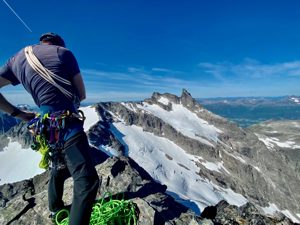
- Løfter selvbildet med opplevelserkunnskap-kristiania / 2020 / 11 / lofter-selvbildet-med-opplevelserKUNNSKAP FRA KRISTIANIA: Opplevelsesturisme Er du blant de mange som i sommer oppsøkte mer eller mindre adrenalinfylte opplevelsesaktiviteter i naturen? Som for eksempel fotturer til ikoniske Slogen, Romsdalseggen eller Besseggen – eller en tilsvarende luftig via ferrata klatretur? Eller kanskje du valgte en utendørs overnatting i hengekøye, rappellering, rafting, sjøkajakk, kanoturer eller fjellklatring? Les også: Bråbrems for bærekraftig turisme Da er du trolig en av de mange som mer eller mindre ubevisst jakter på å «strekke» ditt eget selvbilde gjennom å ta del i naturbaserte opplevelsesaktiviteter. Nyere forskning viser nemlig at denne type aktiviteter har blitt et viktig verktøy som bidrar til å forlenge eget selv-bilde mot nye og ønskede høyder . Hør podcast-samtale med Elin Bolann: Ekstrem, grønn og lønnsom turisme (Krumsvik & Co). Hva opplevelsesturisme er Opplevelsesturisme, eller “adventure turisme” som det vanligvis kalles, defineres internasjonalt som en reise med minst én overnatting som inkluderer en fysisk aktivitet, en naturbasert setting og/eller en kulturell fordypning. En opplevelsesaktivitet kan for eksempel være en 4-dagers fottur i Peru (fysisk aktivitet) langs Inca Trail-ruten (naturbasert setting) der turen ender opp i historiske Machu Picchu (kulturell fordypning). Opplevelsesbasert turisme gir deg muligheter til å delta i mange forskjellige naturbaserte aktiviteter av lettere eller vanskeligere grad – som gjerne deles inn i myke (soft) eller harde (hard) aktiviteter. Myke opplevelsesaktiviteter krever minimale ferdigheter, gir lavere grad av opplevd og reell risiko og en lavere grad av fysisk og/eller mental forpliktelse (dvs. mot). Eksempler kan være lettere fotturer, isbrevandring, sykling, ridning, sjøkajakk- og kanoturer i rolige farvann, elverafting (ikke whitewater), hundespann, skigåing og snøscooter turer i enkelt terreng. Harde opplevelsesaktiviteter gir høyere grad av opplevd og reell risiko der deltakelse kan kreve avanserte ferdigheter og fysisk og/eller mental forpliktelse for deltakelse. Typiske eksempler vil være fjellklatring, isklatring, terrengsykling, elverafting og elvekajakk med høyere gradering (whitewater), sjøkajakk i utfordrende farvann, pudderkjøring, skiekspedisjoner, snøscooter turer i utfordrende terreng, strikkhopp, juving, elvebrett, rappellering, kiting, fallskjermhopping og basehopping. Artikkelen fortsetter etter bildet. Turistsegment i rask vekst Opplevelsesturisme er verdens hurtigst voksende segment innen naturbasert turisme1. Noe av forklaringen på populariteten ligger i at turistene kan delta i spenningsaktiviteter som bidrar til å utvikle både selvbilde og identitet og derved nå høyere mål i livet som handler om personlige prestasjoner og anerkjennelse. Samtidig gjør deltakelse i slike aktiviteter det mulig å formidle sitt verdibaserte sosiale selvbilde til andre. Opplevelsesturistene motiveres ofte til å oppnå mentale tilstander som “rush” eller “flyt-opplevelser” som et resultat av å tre ut av komfortsonen. Det å delta i slike aktiviteter kan gi store hendelsesøyeblikk som trigger sterke følelser som spenning, begeistring, og deltakelse i uforglemmelige opplevelser. Les også: Reiselivet bør fikse overkapasiteten selv Skaper personlige og sosiale opplevelsesverdier Opplevelsesturistene søker eventyr som gir en personlig verdi (som spenning og variasjon) og en sosial verdi (som prestisje og anerkjennelse). Følelsene som skapes under deltakelse i en opplevelsesbasert aktivitet, er helt avgjørende for oppfattelse av selve opplevelsesverdien. Mange opplevelsesturister streber etter å tilfredsstille sensasjonslyst, spenningssøken, variasjonslyst og det å utforske2. Belønningen får de ved at de sanselige (sensoriske) aspektene ved opplevelsen stimuleres. Bak opplevelsesturistens motivasjon ligger det et bevisst eller ubevisst ønske om å enten oppnå egen mestring og/eller anerkjennelse og prestisje gjennom ekstraordinære (fysiske) prestasjoner. Særlig for de “myke” opplevelsesturistene bidrar det til å “strekke” det faktiske sosiale selvbildet i retning av det ideelle. Selvbilde i fire dimensjoner Forbruk er generelt sett på som et verktøy for å uttrykke seg selv. Turisters kjøp av reiseprodukter er på tilsvarende måte et middel for å uttrykke ens faktiske eller ønskede identitet. Selvbildet vårt blir konstruert med utgangspunkt i minst fire dimensjoner3: Det faktiske personlige selvbildet (slik man oppfatter seg selv) Det ideelle personlige selvbildet (slik man ønsker å oppfatte seg selv) Det faktiske sosiale selvbildet (slik man tror man blir oppfattet av andre) og Det ideelle sosiale selvbildet (slik man ønsker å bli oppfattet av andre). Opplevelsesturistene, som andre forbrukere, utvikler sitt selvbilde og sin identitet med utgangspunkt i disse fire dimensjonene. Søken etter det eventyrlige Begrepene “myk” og “hard” opplevelsesturisme er konseptualisert på en skala som går fra lettere “myke” aktiviteter på den ene enden til mer ekstreme “harde” opplevelsesaktiviteter på den andre. «Myk» og «hard» selvidentitet er definert som koplingen mellom turistens personlige og sosiale selvbilde, og vedkommendes søken etter mer eller mindre ekstreme opplevelses aktiviteter. Forskning viser at de «harde» opplevelsesturistene har et større behov for å utvikle sitt personlige selv-bilde, mens de mykere opplevelsesturistene har størst behov for å utvikle sitt sosiale selv-bilde4. De «harde» opplevelsesturistene har også større ambisjoner om å ta del i aktiviteter som bidrar til sterke følelser, læring og kulturell berikelse, mens de mykere opplevelsesturistene hovedsakelig søker aktiviteter som gir sosial anerkjennelse drevet av et konkurranseinstinkt overfor andre4. Det er også grunnen til at de opplevelsesdestinasjonene som fremstår som mer «harde» også tiltrekker svært mange av de «softe» turistene som, selv om de kun deltar i «softe» aktiviteter slik 90% gjør, får en følelse av å strekke seg mot det mer «eventyrlige» innen opplevelser. Det skjer ofte bare ved å iaktta «harde» opplevelsesturister i aktivitet og derved ta del i følelsen av spenning og opplevd risiko. Disse forskjellene indikerer at personlig vekst og indre berikelse driver de hardere opplevelsesturistene mot det ideelle personlige selv-bildet mens sosial status og anerkjennelse er de viktigste driverne for de myke opplevelsesturistene som søker mot det ideelle sosiale selv-bildet. Hvilken type er du? Har du tenkt over hva slags type naturbaserte opplevelser du søker? Selvbildet vårt er komplekst og sammensatt og har selvsagt mange flere fasetter utover hva eventyrlystne turister begjærer for å strekke litt på egoet. Kanskje er du likevel litt mer bevisst neste gang du velger en naturbasert turistopplevelse: Hva sier det om ditt eventyrlystne selvbilde, og hvor langt du eventuelt ønsker å strekke det? Referanser: 1) Cheng, M., Edwards, D., Darcy, S. & Redfern, K. (2016). A Tri-Method Approach to a Review of Adventure Tourism Literature: Bibliometric Analysis, Content Analysis, and a Quantitative Systematic Literature Review, Journal of Hospitality & Tourism Research, 20 (10), 1-24. 2) Lee, T. H., & Crompton, J. (1992). Measuring Novelty Seeking in Tourism, Annals of Tourism Research , 19 (4), 732–751. 3) Sirgy, J. & Su, C. (2000). Destination Image, Self-Congruity, and Travel Behavior: Toward an Integrative Model. Journal of Travel Research , 38 , 340-352. 4) Schneider, P. P. & Vogt, C. A. (2012). Applying the 3M Model of Personality and Motivation to Adventure Travelers, Journal of Travel Research , 51 (6), 704-716. Denne formidlingsartikkelen er skrevet for Kunnskap Kristiania, og første gang publisert 10. november 2020. Kunnskap Kristiania er Høyskolen Kristianias kunnskapsmagasin med nytt om forskning, faglig innsikt, kunstnerisk forskning og aktuell samfunnsdebatt. Tekst: Førsteamanuensis i reiseliv, Elin Bolann, Institutt for markedsføring ved Høyskolen Kristiania. Foto: Fjellklatring er ikke bare en jakt på nye fjelltopper. Det er også en jakt på det ideelle selvbildet, indikerer forskning på opplevelsesturisme. Bildet viser Kvanndalstind i Romsdal. (Foto: Håvard Rødahl).
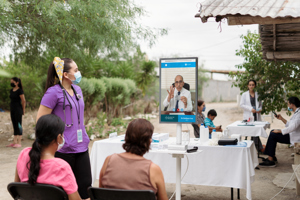
- Telemedicine: How new technologies can bring medical care to people in remote areaskunnskap-kristiania / 2024 / 03 / telemedicine-how-new-technologies-can-bring-medical-care-to-people-in-remote-areasSCIENCE NEWS FROM KRISTIANIA: Avnish Singh Jat on telemedicine and remote health care Have you ever imagined a world where medical care transcends physical boundaries? Where people in remote areas or individuals who struggle to access traditional healthcare facilities can access medical care? In an era where technology advances at a breathtaking pace, a new design for a mobile health (mHealth) application emerges as a beacon of progress: telemedicine . Telemedicine, particularly the mobile health (mHealth) system, is transforming the way medical care is delivered, especially in remote areas. This system harnesses the capabilities of smart devices like smartphones and watches, along with artificial intelligence (AI) and video conferencing. This integration offers significant benefits for those living far from traditional healthcare facilities, such as hospitals and clinics . Technical Challenges in Telemedicine While the potential is immense, this system faces significant technical challenges. How can we ensure high-quality video calls over unstable internet connections? How do we seamlessly integrate various smart devices and AI components to make sure they work properly? Addressing these issues is paramount to the success and reliability of the telemedicine service. However, the diversity of smart devices, each with its unique set of features, software, and hardware, presents a challenge. Ensuring consistent and accurate measurements across different devices and operating systems is critical. The mHealth system needs to be flexible enough to function efficiently across various models while maintaining uniformity in data analysis. The accuracy and reliability of health data collected by these devices are paramount. For effective healthcare delivery, it's essential that the system not only gathers data but also interprets it accurately, irrespective of the device or platform. This requires advanced algorithms and standardized protocols to ensure that health professionals receive reliable information to make informed decisions. Continuous Health Monitoring: Is it a Game-Changer? The integration of smart devices into our health care system marks a revolutionary step. Unlike traditional healthcare, which relies on periodic hospital visits, the smart devices enable real-time tracking of health care data such as heart rates and blood pressure. Continuous monitoring of such vital signs can lead to early detection of health issues, significantly improving patient outcomes. AI algorithms serve as the analytical core of this system, processing vast amounts of health data from smart devices. They offer personalized health recommendations and play a pivotal role in managing chronic conditions and preventive healthcare. However, there are also challenges. How do we manage the vast amount of data? What if the AI algorithms are biased? And how do we know what the AI bases its decisions on ? How do we navigate these complexities to ensure effective and reliable healthcare delivery? We need to prioritize Data Security in Digital Healthcare In the realm of telemedicine, where sensitive health information is constantly exchanged, how do we ensure robust data security ? The answer lies in implementing advanced encryption methods to protect data during transmission and storage. Conducting regular security audits is also critical to identify and rectify potential vulnerabilities. Furthermore, educating users on best practices for data protection plays a vital role in maintaining the integrity of the system. By fortifying the security framework, telemedicine can safely manage personal health information, fostering trust among users. Our Vision: A Seamless Healthcare Model In our envisioned healthcare model, the integration of various cutting-edge technologies plays a pivotal role. Imagine yourself using a smart health monitoring device that effortlessly transmits your vital statistics to a secure database. This information is then analyzed using both standard data analysis to track your day-to-day wellness and artificial intelligence (AI) to detect any underlying health trends. In this connected health system, you can have a video conferencing session with your doctor, who has immediate access to your health data through a website. This seamless integration of technology ensures that your healthcare experience is both personalized and informed, no matter where you are. With every piece of data analyzed and every consultation personalized to your needs, you're experiencing the cutting edge of telemedicine, designed to keep you healthy and informed. Scaling Up: Meeting Future Demands in Telemedicine As telemedicine continues to grow in popularity, scaling the system to accommodate more users and handle larger volumes of data becomes a primary focus. This includes optimizing the system's infrastructure to prevent any lag or decrease in performance despite increased loads. Simultaneously, enhancing the user interface to ensure ease of use and accessibility for a diverse range of users is essential. Additionally, extending compatibility to a wider array of smart devices makes healthcare more accessible to various segments of the population – old and young, people in the cities as well as those living in remote areas. These enhancements are pivotal for the effectiveness of telemedicine services. Envisioning a Transformative Future in Healthcare The advent of this mHealth application, powered by AI and IoT technologies, signifies a transformative shift in the healthcare sector. It transcends the traditional reactive approach to healthcare, paving the way for more proactive, personalized, and accessible medical services. The continuous evolution of this technology promises not only to enhance the quality of healthcare delivery but also to redefine the very nature of healthcare interactions. As we embrace this new era, the potential for digital healthcare to reshape and improve health outcomes on a global scale becomes increasingly apparent . Text: Avnish Singh Jat, ph.d. candidate, School of Economics, Innovation and Technology, Kristiania. REFERENCES: Jat, Avnish Singh, Grønli, Tor-Morten and Lakhan , Abdullah Raza "Towards Next-Generation Healthcare: Architectural Insights into an AI-Driven, Smartwatch-Compatible mHealth Application." (2023). Jat, Avnish Singh and Grønli, Tor-Morten. "Harnessing the Digital Revolution: A Comprehensive Review of mHealth Applications for Remote Monitoring in Transforming Healthcare Delivery." International Conference on Mobile Web and Intelligent Information Systems. Cham: Springer Nature Switzerland, ( 2023 ) . This text was published by Science Norway on February 27th 2024 "T elemedicine: how new technologies can bring medical care to people in remote areas." We love hearing from you: Send your comments and questions regarding this article by e-mail to kunnskap@kristiania.no .
- Trust, less hierarchy and empowerment are keys to innovative organizationskunnskap-kristiania / 2022 / 05 / trust-less-hierarchy-and-empowerment-are-keys-to-innovative-organizationsKNOWLEDGE @ KRISTIANIA: Innovation Innovation has been key to Norway’s survival and prosperity. The climate, combined with a rugged landscape and short winter days and long summer nights creates a challenging environment to live and work in. These sometime chaotic conditions are a catalyst for Norwegian attitudes towards innovation, leadership, and teamwork. The following will attempt to shed some light on how and why innovation, led by appropriate leadership, has put Norway where it is today. Equilibrium is not beneficial for change As the popular Norwegian expression goes “There is no such thing as bad weather, only bad clothing”. It’s about changing your perspective without moving your feet. But as in nature itself, sunny weather and calm seas are not the proponents for change nor growth. Equilibrium in nature can lead to stagnation and eventual extinction. Change promotes adaptation, transformation and growth. And we are all in need of that to survive and grow in these turbulent times. 50 per cent need reskilling by 2025 Upskilling and reskilling of employees is essential to meet the demands of the current work environment and equip us for future challenges. The pandemic has also highlighted the need for organizations to invest in digital transformation strategies. How can a company best empower each individual in a hybrid working environment? A Harvard Business review article from 19. February 2019 states that 80 per cent of CEO`s believe that the need for new skills is the biggest business challenge. According to the World Economic Forum's Future of Jobs Report from October 2020 , Professor Klaus Schwab states that technological innovation can be leveraged to unleash human potential. 50 per cent of all employees will need reskilling by 2025, as the adoption of technology increases. Today’s most valued skills So what are the most valued skills today? According to the World Economic Forum, 7 out of the 10 most important skills in 2025 will be: analytical thinking and innovation complex problem solving working with people; leadership and social influence technology use and development critical thinking and analysis creativity, originality and initiatives But newly emerging the last years are skills in self-management such as active learning and learning strategies, resilience, stress tolerance and flexibility. According to Grieg Seafood’s HR Director, Kathleen Mathiesen, the focus is now on new skills such as digital transformation and how organizations of teams are shifting the power balance. “Now we are transferring the power from leaders to the employees”. New opportunities emerge from crises In a 1959 speech, John F. Kennedy famously said: “When written in Chinese, the word ‘crisis’ is composed of two characters—one represents danger and the other represents opportunity”. Throughout history, crises and extreme conditions have often forced individuals, countries, and even the whole world to find solutions - and from that, new opportunities. The environmental challenges facing the world now and Covid are examples of the dangerous threats driving change. Crises enable the collective adrenaline to flow, focusing minds on solving the problems at hand. Norway’s BNP in June 2021 was back at the same level as before the Covid pandemic in February 2020 according to SSB-Statistics Norway. People and companies found new ways, with new technology, and new ways of working and collaborating all the while operating in sometimes unsustainable and chaotic home offices. Lots of ideas… and time We need innovation to overcome our challenges- and with that we mean with good ideas. But as Linus Pauling, winner of a Nobel prize in Chemistry and a Nobel Peace Prize once said- “To have good ideas you must have lots of ideas”. And to have good ideas you often need time. Time to try out hunches and “connect the dots”. You have to experiment, test, learn, and try again (and probably fail a few times) in a safe environment. One company calls it “Google time” where the employees can use 20 per cent of their time to innovate, on what interests them. Products such as G-mail, Google maps, Twitter and Slack all owe their existence to allowing employees the time to have fun, try out ideas and to fail. Less Control And fueling these innovations is a new kind of oil which every nation has access to, if they choose to explore it, trust. Research by Professor Alexander Cappelen shows high levels of trust make economic growth easier. Productivity and value creation are higher than in countries with lower levels of trust. “If you wants enthusiasm, creativity, autonomy, and innovation research shows you must be in the green zone- lots of trust and ownership”. The Agile Culture: Leading through Trust and Ownership. The Trust-Ownership Model. Figure: Polyanna Pixton Leaders should give direction but at the same time give trust to their teams. Experts agree that autonomy is important for motivation and that visible management is essential. This is in line with our values, the Norwegian model, and the legacy of work life researcher Einar Thorsrud and his experiments in the 60s and 70s with industrial democracy, cooperation and self-governing groups and teams. Dr. Karen Y. Wilson-Starks has studied toxic and control leadership and her research shows how this often causes a high turnover rate, a decline in productivity, less innovation, and interdepartmental conflict. Servant leadership One great Norwegian example of this trust is a consultancy company in Bergen, Miles. They talk about “reducing the BMI- the Bureaucracy Mass Index”. They have no budget, no KPI and no goals, but they have ambition. The man at the top, or rather the bottom, Tom Georg, calls himself a “servant leader” not the CEO or director. He serves his employees, focuses on trust instead of control management or giving orders. The employees decide when they want to buy a new phone or PC and they decide what skills they lack or conferences to attend. They do not need to ask their leader! And this is partially responsible for their double margins (compared to their competitors). They are also one of Norway`s most innovative companies and 2nd best place to work among 1000 companies in Europe. But the most important message from Tom Georg is- “care about your employees”. As he say as the famous and shortest but most effective speech about leadership of Mother Teresa “Do you know your people… and do you love them?”. So what is Innovation and Leadership? Simply put, it has a lot to do with trust, less hierarchy and empowerment. Trust is the new oil and that is the fuel for innovation. Hierarchy and control slows development and power should be decentralized. Empowerment is the new leadership- lead your employees by serving them. References: Bersin, Josh, og Marc Zao-Sanders. 2019. «Making Learning a Part of Everyday Work». Harvard Business Review World Economic Forum, October 2020. “The Future of jobs report 2020” October 2020. Pixton, Pollyanna, og Paul Gibson Nickolaisen, Niel. 2014. The Agile Culture: Leading through Trust and Ownership Treanor, Sarah. 2014. ‘How Norway Has Avoided the “Curse of Oil” ’. BBC News , 27 August 2014, sec. Business. Text: David Coates, Lecturer, School of Economics, Innovation and Technology and Kari Mette Solheim, Lecturer, School of Communication, Leadership and Marketing, both at Kristiania University College. We love hearing from you: Send your comments and questions regarding this article by E-mail to kunnskap@kristiania.no .

- Tre prinsipper for å redde livkunnskap-kristiania / 2025 / 9 / Tre-prinsipper-for-a-redde-livKUNNSKAP KRISTIANIA: Strategisk kommunikasjon Denne teksten ble publisert på forskning.no den 16. september 2025 under tittelen " Slik kan informasjon redde liv når en katastrofe rammer". Den 26. desember 2004 inntraff en av de verste naturkatastrofene i moderne historie. Tsunamien, som rammet regionen rundt Indiahavet med bølger på opptil 9 meter, tok 230 . 000 liv, blant dem 84 nordmenn og 543 svensker. Etter at bølgen traff Thailand, lette nordiske familier og venner desperat etter informasjon om sine kjære. I Sverige ble deres søken etter svar dessverre møtt med stillhet fra myndighetene. I dag forstår vi at beredskap og effektiv krisehåndtering er avgjørende for å minimere konsekvensene av katastrofer – Vi var redde, men folk trengte informasjon Fordi offisiell kommunikasjon uteble, tok Lottie Knutson, daværende kommunikasjonsdirektør i reisebyrået Fritidsresor , initiativ til å informere offentligheten og mediene om omfanget av katastrofen . Dermed ble hun krisens uoffisielle talsperson. – Jeg fortalte det bare som det var. Men vi var livredde selv, og tenkte at vi kunne få kraftig kritikk. Vi delte noe negativt; at vi hadde dødsfall blant både ansatte og turiste ne våre . Men midt i kaoset ble folk lettet over å få informasjon, fort alte Lottie Knutson til TV4 Nyheter da hun tjue år senere ble intervjuet i forbindelse med en markering av tragedien. I dag forstår vi at beredskap og effektiv krisehåndtering er avgjørende for å minimere konsekvensene av katastrofer. Å levere krisekommunikasjon som treffer målgruppen er helt grunnleggende. Tre aspekter vi m å vurdere For å instruere innbygger ne i områder som kan bli berør t , må vi : 1. Skape forståelse av risiko: Det er avgjørende å hjelpe folk å forstå hvor relevant risikoen er for deres egne liv. Ved å ramme inn budska pet i gjenkjennelige uttrykk kan informasjon oppleves som betydningsfull og umiddelbar, ikke abstrakt og fjern . 2. Gi tydelig informasjon: I stressende situasjoner må kommunikasjon være rett på sak, informativ og fri for fagsjargong. Klar e, tydelige budskap sette r folk i stand til å ta raske og informerte beslutninger. 3. Tilby handlingsrettet veiledning: Budskap bør inneholde konkrete tiltak som innbyggerne kan gjennomføre for å beskytte seg. Dette kan være detaljerte evakueringsrutiner om hvor man skal dra, når man skal dra, og hvordan man skal opptre under krisen. Disse prinsippene er uvurderlige for å forberede samfunn på mulige farer og sikre effektiv kommunikasjon under kriser. Et eksempel kan være et hypotetisk scenario der en fjellsprekk langs norskekysten utløser et ras som igjen forårsaker tsunami. Når kriseledere får verktøyene til å informere befolkningen samtidig som de bygger tillit, samarbeid og åpenhet, blir vi bedre rustet til å håndtere en usikker fremtid Instruksjonsbudskap må være korte og lettfattelige, kombinert med materiale som legger vekt på hva som gjør det relevant for den enkelte, og som oppfordrer til handling. Denne tilnærmingen gir ikke bare bedre forståelse, men motiverer også til atferdsendringer. Vi må dyrke tillit Tillit er en annen hjørnestein i effektiv krisekommunikasjon. Den kan ikke tvinges på folk , men må bygges over tid. I pressede situasjoner som tsunamier – hvor det er lite tid til koordinering, og kollektive drøftinger er ikke mulig – blir det helt nødvendig med tydelige beskjeder med autoritet. Da er lederens kompetanse, pålitelighet og intensjoner avgjørende. Usikkerhet må adresseres. Når folk ikke forstår risiko, kan rene informasjonsstrategier være tilstrekkelig. Kriserådgivere kan i stedet handle ut fra et føre-var-prinsipp, planlegge for verst tenkelig scenarioer og iverksette både dokumenterte og innovative sikkerhetstiltak. Dette styrker samfunnets motstandskraft. I tillegg er åpen dialog mellom eksperter avgjørende når vi møter ukjente risikoer. Ved å diskutere risikoens natur og mulige tiltak , kan vi utvikle bedre forebyggende løsninger gjennom samarbeid og felles forståelse. V i kan styrke samfunnets motstandskraft gjennom kunnskapsbaserte kommunikasjonsstrategier . Når kriseledere får verktøyene til å informere befolkningen samtidig som de bygger tillit, samarbeid og åpenhet, blir vi bedre rustet til å håndtere en usikker fremtid. Når vi i dag møter utfordringer som klimaendringer, konflikter og helsekriser i Norge, må vi bruke lær dom fra tsunamien i 2004, og forstå den avgjørende betydningen av effektiv kommunikasjon under kriser. Tsunamien minner oss ikke bare om livene som gikk tapt, men fungerer også som en oppfordring til handling – en påminnelse om at vi må kontinuerlig lære, tilpasse oss og forbedre våre strategier for å bygge et tryggere og mer robust samfunn for fremtidige generasjoner. Referanser: Ihlen, Ø., Just, S. N., Kjeldsen, J. E., Mølster, R., Offerdal, T. S., Rasmussen, J., & Skogerbø, E. (2024). Navigating pandemic phases: Public health authority communicationduring COVID-19 in Norway. Nordicom, University of Gothenburg. Sellnow, D. D., Johansson, B., Sellnow, T. L., & Lane, D. R. (2019). Toward a global understanding of the effects of the IDEA model for designing instructional risk and crisis messages: A food contamination experiment in Sweden. Journal of Contingencies and Crisis Management , 27(2), 102–115. TV4. (2024). Myndigheter brast vid katastrofen – så är beredskapen idag . Retrieved December 27, 2024. Tekst: Anna Elisabeth Hasselström , p h .d.-stipendiat ved School of Communication , Leadership and Marketing , Kristiania. Vi vil gjerne høre fra deg! Send spørsmål og kommentarer til artikkelen på e-post til kunnskap@kristiania.no .
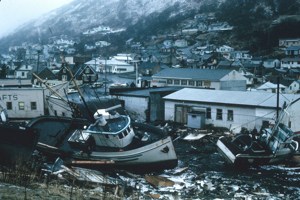
- Why do authoritarian leaders gain more power during crisis?kunnskap-kristiania / 2025 / 9 / Why-do-authoritarian-leaders-gain-more-power-during-crisisSCIENCE NEWS FROM KRISTIANIA: Leadership This text was first published in sciencenorway.no on the 9th of September 2025 with the title " How crisis empowers the authoritarian leader ". We often turn to strong leadership in times of uncertainty, chaos and crisis. The philosopher Thomas Hobbes wrote about this back in the late 1500s. Living in a time of conflict, he believed that only a strong state, led by strong leaders, could hold society together. His ideas can’t be scientifically proven, but they have helped shape a lasting belief in strong leadership. These days, strong leaders are thriving . The U.S president sees himself - despite his egotism, childishness, and bullying behaviour - as a strong leader. And he prefers t he company of others like him . When such leaders align with tech billionaires obsessed with corporate-st y le leadership, it’s time to buckle up. And in the background, the manosphere is lurking. It glorifies masculinity, self-discipline, mental and physical toughness. Add a growing fan base for Ayn Rand’s controversial novel , Atlas Shrugged, and a pattern starts to emerge . Strong leadership can also be destructive Many strong leaders want the power to act without interference. Take Trump, for example. He tries to dethrone anyone who challenges him : the media, the court s , even public institutions . In times of disorder, we are more willing to hand over power. We want someone to take control. To lead us through the storm. But we don’t always stop to question how that power is being used. Being decisive and action-oriented are valuable leadership traits . But only when paired with accountability Strong leaders who crave control often distrust transparency and democratic processes. T hese slow things down and limit their freedom to act. Strong leadership is, of course, not always negative. But some of the leadership qualities that give strength can also be destructive. But some of the very traits that make leaders appear strong – aggression, egocentrism, and narcissism – can also be deeply destructive. Employee participation is developing in the wrong direction We are an ocean away from the U.S, and Norwegian society is very different . Still, we should be wary of glorifying leaders who are given too much power and freedom. In my latest book, Lederisme , I argue that society has shifted in ways that benefit leaders. Over the past 30 to 40 years, the leadership profession has gained more economic, cultural, social, and symbolic power. But when leaders are given too much room to manoeuvre , cracks begin to show in the Norwegian labour model. There’s a slow shift underway , moving away from workers and toward employers. Studies also show that the legal rights of employee s to participate and have influence are gradually weakened . Unlimited leadership is risky Strong leaders with no checks and balances threat en social contracts, institutions and established principles. That is the reality European leaders are now painfully learning, as they see long-standing structures being dismantled. In these cases, democratic ideals do not help . Only the hard truths of power politics apply. They must mobilise alternatives to unchecked power faster than they are able to. Set geopolitics aside, and we’ll see that when faced with unlimited leadership power, Norwegian workplace democracy is unlikely to escape without lasting harm. So the question is, how suitable is labour democracy for handling contemporary challenges in the workplace? The answer to that question is open, but the solution is not to unilaterally give leaders with no loyalty to anyone other than their principals and themselves unlimited power and room for manoeuvre. Being decisive and action-oriented are valuable leadership traits . But only when paired with accountability . Otherwise, if strong leaders with unchecked power, boosted by global trends and blind admiration for strength, are allowed too much space , Norwegian working life could face serious consequences . Text: Tom Karp , professor, School of Communication, Leadership and Marketing, Kristiania University of Applied Sciences. This text was first published on sciencenorway.no on the 9th of September 2025 with the title " How crisis empowers the authoritarian leader ". We love hearing from you! Send your comments and questions regarding this article by e-mail to kunnskap@kristiania.no .

- Why we empower the authoritarian leader in times of fearkunnskap-kristiania / 2025 / 6 / Why-we-empower-the-authoritarian-leader-in-times-of-fearSCIENCE NEWS FROM KRISTIANIA: Leadership We often turn to strong leadership in times of uncertainty, chaos and crisis. The philosopher Thomas Hobbes pointed this out as early as the 1600s. Living in a time of conflict, he believed that only a strong state, led by strong leaders, could hold society together. His ideas can’t be scientifically proven, but they have helped shape a lasting belief in strong leadership. These days, strong leaders are thriving. The U.S. president sees himself - despite his egotism, childishness, and bullying behaviour - as a strong leader. And he prefers the company of others like him. When leaders like him team up with tech billionaires obsessed with corporate-style leadership, it’s time to buckle up. In times of disorder, people in general seem to be more willing to hand over power In the background, the manosphere is lurking. It glorifies masculinity, self-discipline, mental and physical toughness. Add a growing fan base for Ayn Rand’s controversial novel, Atlas Shrugged, and a pattern starts to emerge. Strong leadership can also be destructive Many strong leaders want the power to act without interference. Take Trump, for example. He tries to dethrone anyone who challenges him: the media, the courts, even public institutions. In times of disorder, people in general seem to be more willing to hand over power. We want someone to take control. To lead us through the storm. But we don’t always stop to question how that power is being used. Strong leaders who crave control often distrust transparency and democratic processes, as these processes slow things down and limit the freedom to act. Strong leadership is, of course, not always a bad thing. Yet some of the very traits that make leaders appear strong, like aggression, egocentrism and narcissism, can also be deeply destructive. Employee participation is head ing in the wrong direction We are an ocean away from the U.S., and Norwegian society is very different. Still, we need to be mindful of admiring leaders who are given too much power and unlimited manouvring space. In my latest book, Lederisme , I argue that society has shifted in ways that benefit leaders. Over the past 30 to 40 years, the leadership profession has gained more economic, cultural, social, and symbolic power. Set geopolitics aside, and we’ll see that when faced with unlimited leadership power, Norwegian workplace democracy is unlikely to escape without lasting harm When leaders are given too much freedom to act, cracks begin to show in the democratic Norwegian labour model. A gradual shift is occurring - tilting the balance from employees to employers. Studies show a steady erosion of employees’ rights to participate and influence decisions. Unlimited leadership is risky Strong leaders with no checks and balances threaten social contracts, institutions and established principles. That is the reality European leaders are now painfully learning, as they see long-standing structures being dismantled. In these cases, democratic ideals do not help. Only the hard truths of power politics apply. They must mobilise alternatives to unchecked power faster than they are able to. Set geopolitics aside, and we’ll see that when faced with unlimited leadership power, Norwegian workplace democracy is unlikely to escape without lasting harm. The question is, how suitable is labour democracy for handling contemporary challenges in the workplace? The answer to that question remains open. But the solution is certainly not to give leaders who are loyal only to their principles and themselves unlimited power and freedom to act. Being decisive and action-oriented are valuable leadership traits. But only when paired with accountability. Otherwise, if strong leaders with unchecked power – fuelled by global trends and blind admiration for strength – are given too much room, the working life in this country could face serious consequences. Text: Tom Karp, professor, School of Communication, Leadership and Marketing, Kristiania University of Applied Sciences. This article was first published in the Norwegian edition of Dagens Næringsliv on the 28th of February 2025 under the title “ Sterke ledere er i vinden ”. We love hearing from you! Send your comments and questions regarding this article by e-mail to kunnskap@kristiania.no .

- Seven steps towards improving maternal health for migrant communitieskunnskap-kristiania / 2026 / 2 / seven-steps-towards-improving-maternal-health-for-migrant-communitiesSCIENCE NEWS FROM KRISTIANIA: Community engagement Experiences of maternity care among immigrant women in Norway vary greatly depending on personal expectations and familiarity with the system. Some women find the Norwegian model empowering, while others feel anxious due to what they perceive as insufficient monitoring or unfamiliar practices. When healthcare providers or midwives share cultural backgrounds and cultural competence, women report feeling more confident and more willing to engage. This highlights a fundamental truth: simply offering services is not enough. Healthcare systems must actively work to build trust. This includes providing information in multiple languages, offering culturally sensitive communication, and adapting services to different expectations—without compromising quality. A s tudy with sub Saharan African immigrant women in Norway reveal limited knowledge about available services and how to access them. Some felt rushed during appointments, while others perceived discrimination. Long waiting times further discouraged engagement. Language barriers and insufficient information A systematic review found that migrant women encounter six major obstacles when seeking reproductive and preventive health services. The most common challenge—affecting more than half of all participants—was insufficient information and difficulty navigating the healthcare system. An equitable healthcare system is one where every mother receives the care she needs to thrive This was closely followed by language barriers, cultural differences, economic hardship, administrative hurdles, and experiences of discrimination. As a result, many women miss prenatal appointments, avoid cancer screenings, and struggle to access contraception. Some rely on family and friends rather than healthcare professionals— not out of preference, but because the system feels inaccessible. Community-based solutions that work: Evidence from Canada shows that immigrant women benefit when health information is delivered in culturally safe environments, especially when staff share their cultural background. Trust strengthens more quickly, and women feel heard and respected. Effective approaches include: Invest in dedicated multilingual, culturally matched health promotion staff : Staff rooted in the community can build trust, deliver information effectively, and bridge gaps between families and health services. This i mprove s communication, trust, and comfort. Collaboration between community groups and healthcare systems c reates continuity and stronger support networks. Flexible service hours a ccommodate work, family, and transportation barriers. Women ‑ only sessions p rovide safe spaces for discussing sensitive topics. Participatory approaches : When migrant women help design programs, interventions align better with their values, needs, and priorities. Policies should be shaped with migrant communities—not merely for them. Secure stable, long ‑ term funding for community organizations ensures they can offer consistent support, outreach, and culturally relevant programs. Strengthen partnerships between policymakers, service providers, and community groups : Collaboration ensures services are accessible, culturally sensitive, and responsive to real needs. Improving maternal and child health for migrant women requires coordinated, community ‑ centered action. Treat migrant women as true partners in research and program design . When women feel welcomed, informed, and respected, they engage fully, leading to healthier pregnancies and safer childbirth. An equitable healthcare system is one where every mother receives the care she needs to thrive. Text: Eman Hassan Mahmoud , PhD candidate, School of Health Sciences, KristianiaUniversity of Applied Sciences. This article was published at Science Norway on 1 March 2026 titled " How to improve maternal and child health for migrant communities". References: Dhakal, S., Iziduh , S., Weerasinghe, S., Allana, S., Amodu, O., Simpson, A., Brennand, E., Benlolo , S., Ziegler, E., & Gagliardi, A. R. (2025). Community Agency Health Promotion Capacity for Ethno-Culturally Diverse Immigrant Women: Qualitative Interviews. Journal of immigrant and minority health , 10.1007/s10903-025-01779-7. Advance online publication. Mbanya , V. N., Terragni , L., Gele, A. A., Diaz, E., & Kumar, B. N. (2019). Access to Norwegian healthcare system - challenges for sub-Saharan African immigrants. International journal for equity in health , 18 (1), 125. Mehrara, L., Olaug Gjernes, T. K., & Young, S. (2022). Immigrant women's experiences with Norwegian maternal health services: implications for policy and practice. I nternational journal of qualitative studies on health and well-being , 17 (1), 2066256. Pérez-Sánchez, M., Immordino , P., Romano, G., Giordano, A., García-Gil, C., & Morales, F. (2024). Access of migrant women to sexual and reproductive health services: A systematic review. Midwifery , 139 , 104167. Vazquez Corona, M., Hazfiarini , A., Vaughan, C., Block, K., & Bohren , M. A. (2024). Participatory Health Research with Women from Refugee, Asylum-Seeker, and Migrant Backgrounds Living in High-Income Countries: A Scoping Review. International Journal of Qualitative Methods , 23 . We love hearing from you! Send your comments and questions regarding this article by e-mail to kunnskap@kristiania.no .
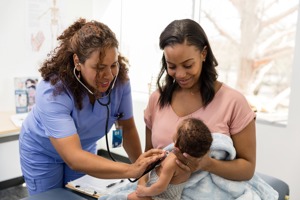
- Project Management at the Theatrekunnskap-kristiania / 2021 / 08 / project-management-at-the-theatreONGOING RESEARCH @ KRISTIANIA Creative industries To many in creative industries, the framework and vocabulary of project management seems unfamiliar to how they perceive their project-based work. Nonetheless they manage to develop and complete complex large-scale projects. The flexible and dynamic nature of project management in creative industries, along with an impressive ability to complete complex projects within set deadlines are under-researched and highlight the promise this field holds for the future of project management studies. Read also: Kunnskap Kristiania, the Innovation Issue (E-magazine) Increasing popularity From their roots in traditional organizational models of engineering and industrial mass production, a myriad of project management frameworks have emerged over the last few decades. Spearheaded by the software development industry, new and agile approaches to project management which emphasize creativity and flexibility, have been widely popularized and adapted in a wide range of industries, including creative industries. Despite their increasing popularity and usage however, knowledge about the appropriateness of project management philosophies in creative industries is limited. This is all the more surprising considering that this sector is considered to be one of the most established `industries’ when it comes to project-based, temporary organizational structures. Read also: Bak musikkbransjens glamorøse fasade (in Norwegian) Challenges Facing Creative Industries The increasing use of `project´ as a form of organization of work in both the private and public sector, also within creative industries, has made it possible to talk about a projectification of society. Some have gone so far as to suggest that short-term, project-based and contractual models of organization observed in the creative industries are harbingers of the next `new economy´ and could become the dominating organizational model for the broader, knowledge-based economy. Since the creative industry is highlighted as a rapidly growing part of international labor markets and play an increasing role for many countries' value creation and attractiveness, it is necessary to improve our understanding of how these organizational and leadership models work alongside the problems they face. The biggest challenge connected to the application of project methods and tools in the creative industries is the potential mismatch between using a streamlined and rigid approach of project management within the more flexible, creative industries. Project view on artistic production There is a need for more research exploring the contribution of the artistic, creative and explorer mindsets to project management. I will explore this field through a PhD and the research will be framed around the following key questions; How do the creative industries manage to complete large-scale, complex projects despite not necessarily identifying with project management terms and methodology? What elements of their practices can be understood to match with existing approaches and which, if any, represent entirely new ways of approaching the management of projects? To what extent can these insights be fruitfully applied to other project based work, both within and outside the creative industries? The project work form is important in the creative industry because all artistic production can be seen as a single project, be it a concert, a festival, a dance performance, a film or a theatre production. Read also: Skapte nye forbindelser mellom sang, dans og skuespill Characteristics of theatre projects To explore my key questions I intend to focus on the performing arts, in particular theatre productions (projects). They differs from other industries in having a variety of unique aspects which can provide important insights. Most theatrical producers and directors work with project management and planning in order to be able to coordinate everything. However, even though they use models for project context, they don´t necessarily identify with project management terms and methodology. The history of theatre is much longer than the comparatively short history of modern project management and during this long tradition a set of successful routines emerged which, consequently, could be considered as models for project contexts outside of theatre. While theatre productions exhibit a strong focus on human, creative and aesthetic aspects, they also involve other activities that are similar to more standard project management functions. Managerial personnel in a theatre operation must manage a complex of interrelated processes to ensure that crucial activities are completed on time. During the project, manuscripts are finished, teams are designed, scene construction and costumes developed, plans for rehearsal processes are made, plays and music are rehearsed. In parallel to these activities, the upcoming play is marketed and tasks related to economy, work conditions and stake-holders among others. An interesting aspect of theatre work is the common goal; the premiere. The completion of the project (production of the play) is subject to perhaps an even more critical deadline than projects managed in other industries, for example construction. It is very rare to hear about postponing or delaying a play in theatre, an interesting and possibly useful aspect that could be applied to other industries. Together, these unique characteristics highlight how the performing arts provide a rich and under-researched setting for new approaches and insights in the field of project management. References: Jones, Candanse, Mark Lorenzen, and Jonathan Sapsed. 2017. The Oxford Handbook of Creative Industries. Oxford: Oxford University Press. Petrović, Dejan, Vesna Milićević, and Adam Sofrinijević. 2017. “Application of project management in creative industry”. European Project Management Journal 7 (2): 59-66. Pielichaty, Hanya, Georgiana Els, Ian Reed, and Vanessa Mawer. 2017. Events project management. Adingdon: Routledge. This popular article presents higlights form a research proposal on Project management and creative industries in the era of projectification. This article is first published in Kunnskap Kristiania, The Innovation Issue (link to E-magazine) released on August 19, 2021. Text: Assistant professor Silje Straume, School of Arts, Design and Media, Kristiania University College. We love hearing from you: Send your comments and questions regarding this article by E-mail to kunnskap@kristiania.no .

- Avisene knekker koden for digitale inntekterkunnskap-kristiania / 2021 / 04 / avisene-knekker-koden-for-digitale-inntekterKUNNSKAP FRA KRISTIANIA: Medieinnovasjon Internett ble en økonomisk ruin for norske aviser. Avisenes lukrative annonseinntekter smuldret bort med internett som skapte nye kanaler for reklame og annonser. Det rammet avisene hardt. De digitale nyhetstjenestene har etter mange år omsider begynt å tjene penger på å selge abonnement til sine lesere, mens papiravisene hentet inn mest inntekter fra annonsørene. Les også: Mediebransjens endringsagenter Journalistikk til demokratiet Demokratiet må holde seg med uavhengig journalistikk om det skal fungere. Da er det nødvendig at avisene, som nå er blitt digitale mediehus, økonomisk kan stå på egne bein. Om de ikke gjør det, står demokratiet på spill. Vi har gjennomført en studie av avisenes innovasjoner og hvordan de har utviklet sin digitale forretningsmodell over tid. Den grunnleggende endringen ligger i at avisene rent forretningsmessig har lært seg forskjellen på å selge fysiske aviser og det å drifte en kommersiell digital nyhetstjeneste. Denne endringen er ennå ikke fullført. Vi har først og fremst undersøkt Amedia-konsernet, som eier omkring 80 norske lokalaviser og Nettavisen. I tillegg har vi samlet data om Schibsted og resten av bransjen for å forstå de industrielle omgivelsene. Les også: Slik kan du forstå medieinnovasjon på 1-2-3 Den digitale oppmerksomhetsøkonomien Den enkle versjonen av historiefortellingen er at papiravisenes forretningsmodell – måten de tjente penger på – ikke greide å konkurrere med den fremvoksende digitale økonomien. Den nye digitale økonomien kan også kalles for den digitale oppmerksomhetsøkonomien . Det handler om å skaffe seg oppmerksomhet, og tjene penger på den. Globale giganter som Google og Facebook er i front og har lykkes med å tjene milliarder i det norske reklamemarkedet på bekostning av våre hjemlige aktører. De norske avisene taper annonser, men har i stadig bedre grad greid å få leserne til å betale for innhold. Å gjøre leserne til sin største inntektskilde er en vesentlig snuoperasjon. Denne endringen er selvsagt mer sammensatt enn den enkle versjonen. Avisene har i alle disse årene strevet med utallige forsøk på å løse de økonomiske utfordringene i møte med digitaliseringen. Det aller første norske aviser gjorde, var å gi bort innholdet gratis. Det ga mange brukere, men lite inntekter. Senere forsøkte avisene å få høye brukertall gjennom «klikkagn (clickbait)»-journalistikk for å forsvare reklameinntekter som forsvant til Google og Facebook. Det var ikke vellykket. Samtidig undergravde denne journalistikken troverdigheten, avisenes verdifulle kapital. Les også: Slik kan brukermedvirkning endre forretningsmodellen for nyheter Digitale abonnement Fra 2013 av har Amedias aviser solgt digitale abonnement der brukerne må logge seg inn. Gratisbrukere får begrenset med innhold, mens brukere som betaler for pluss-abonnement får tilgang til alt innhold. Det kalles også for betalingsmur. I tillegg til penger legger leserne også igjen data. Det ga Amedia umiddelbart verdifull innsikt i brukermønstre, og allerede fra 2015 oppnådde de økende abonnementstall etter mange år med fall. Over tid har dataanalysene blitt mer og mer avanserte. Avisene bygger brukerprofiler slik at de kan servere leserne enda bedre tilpasset innhold og enda mer treffsikre annonser. Kunstig intelligens brukes i økende grad både til å analysere data og til mer automatiserte prosesser for å publisere innholdet mer målrettet. Les også: Ledelse av mennesker i det nye arbeidslivet (antologi fra Høyskolen Kristiania) Som Netflix Norske aviser kan sies å ha adoptert forretningsmodellen som Netflix bruker. Gjennom datahøsting får avisene eksakt kunnskap om bruk, ikke minst om hva slags bruk som skaper lojale betalende kunder over lang tid. Dataene som høstes, brukes direkte i styringen av hva slags innhold som skal produseres og hvordan det distribueres. Netflix treffer skarpt med sin «du som har sett denne, vil sikkert like denne?» På samme måte har norske aviser svært god kunnskap om hva som skal til for at f.eks. kvinner på 40 år i en bestemt kommune skal oppleve avisens innhold som engasjerende og attraktivt, bruke det jevnlig og bli langsiktige abonnenter. Denne kunnskapen blir mer og mer raffinert etter hvert som man får større mengder data å bygge sine analyser på. Denne kunnskapen automatiseres og forvaltes operasjonelt gjennom teknologi som anvender kunstig intelligens, og gjør at den enkelte digitale bruker kan få en unik, personlig tilpasset digital avis. Les også: Kriser gir ny journalistikk Verdiforslaget er å være nødvendig Avisene har erfart at journalistikk som bare skaper oppmerksomhet og klikk ikke er økonomisk verdifull for vanlige abonnementsaviser. Avisene klarer å få leserne til å betale for journalistikk som skaper engasjement, som de kan identifisere seg med og som de opplever som nødvendig og nyttig selv om de lever i et samfunn med informasjon i overflod. Det er dette som er verdiforslaget i den forretningsmodellen norske lokale abonnementsaviser nå har omstilt seg til. Og det er noe helt annet enn digitale tjenester som bare jager etter klikk og oppmerksomhet. Koden for digitale inntekter som disse avisene har knekt, handler altså om at: Forretningsstrategiene og redaktørenes ledelse av redaksjonene bygger på innsikt fra datahøsting Avisene er mer sensitive overfor lesernes preferanser, og Avisene forstår hvordan leserne opptrer som digitale kunder. Dette innebærer at tradisjonelle profesjonsinterne kvalitetskriterier i økende grad suppleres med og overtas av markedsdrevne kriterier. Våre studier av innovasjonene i Amedia konkluderer med at det ser ut som dette har økt den journalistiske kvaliteten og styrket konsernets overordnede mål om å understøtte en opplyst og demokratisk offentlighet. Referanser: Bakke, N.A., J. Barland, A. Fetveit (2020). “ Business Model Transformation of Legacy Newspapers in The Age of The Digital Attention Economy ”, kapittel i « Ledelse av mennesker i det nye arbeidslivet », redigert av J. Bastesen, B. K. Lange, H. E. Næss og A. Thon. Oslo: Cappelen Damm Akademisk. Artikkelen er publisert som kommentarartikkel i Dagens Perspektiv 16. april 2021 under vignetten «Ideer & Innsikt». Tekst: Førsteamanuensis Jens Barland, Institutt for kommunikasjon ved Høyskolen Kristiania, professor Nils Arne Bakke, Institutt for økonomi og innovasjon ved Høyskolen Kristiania og medieforsker Arild Fetveit.

- Sliter du med å sjonglere mellom ulike prosjekter på jobben?kunnskap-kristiania / 2023 / 08 / sliter-du-med-a-sjonglere-mellom-ulike-prosjekter-pa-jobbenKUNNSKAP FRA KRISTIANIA: Arbeidslivsforsker Helene Tronstad Moe om bedre arbeidsliv En rekke studier har vist at det får betydelige konsekvenser for oss om vi ikke fullfører arbeidsoppgavene våre i tide. Uferdige arbeidsoppgaver bidrar til at vi vil kunne oppleve repeterende og påtrengende tanker om disse oppgavene. Hjernen fortsetter å beskjeftige seg med oppgavene for å øke våre muligheter for å kunne fullføre dem. De uløste arbeidsoppgavene forblir altså kognitivt til stede frem til de er løst. Ulempen er at vi ikke får opplevelsen av å slappe av. Vi er konstant årvåkne. Negative tanker på fritiden Dette kan resultere i at negative, påtrengende og tilbakevendende tanker om arbeid dukker opp. Tankene kan ytterligere forsterkes av stress. Fordi disse problemrelaterte tankene er så tilgjengelige for oss, vil de kunne oppleves som hyppige, påtrengende, negative tanker – selv på fritiden når vi skulle vært engasjert i helt andre aktiviteter. Dette jobbrelaterte stresset har også vist seg å kunne forringe søvnen vår. I dagens arbeidsliv forventes det av mange av oss at vi skal prestere i arbeidsmiljøer hvor vi deltar i flere ulike prosjekter, opplever skiftende prioriteringer og kryssende interesser. Krevende arbeidsoppgaver fordrer gjerne at ansatte dedikerer sin fulle oppmerksomhet til én oppgave av gangen, uten å bli distrahert av andre ikke-relaterte arbeidsoppgaver eller prosjekter. Stjeler vår oppmerksomhet I en slik arbeidshverdag må oppmerksomheten vår stykkes opp. For å sikre progresjon i hvert prosjekt, delta på møter og respektere tidsplanen, må tiden deles, og vi må regelmessig bytte mellom hvilke prosjekter vi jobber med. Det vil si at vi ofte må slutte å jobbe med en oppgave, ferdig eller uferdig, for å bytte til og fokusere fullt ut på en annen. Vi haster fra ett møte til det neste, begynner å jobbe med et prosjekt og kort tid etter må vi gå over til et annet. Forskning indikerer at denne typen arbeid gjør det vanskelig å slutte å tenke på eller legge bort øvrige arbeidsoppgaver som ikke er ferdigstilte. Dette får negative konsekvenser for arbeidet med den neste oppgaven. Ufullførte arbeidsoppgaver stjeler altså vår oppmerksomhet. Noe tidspress er bra Ledere forventer gjerne at endring av de ansattes oppgaver og/eller mål vil hjelpe dem med å regulere oppmerksomheten. Forskning antyder at dette ikke nødvendigvis er tilfelle. Faktisk fører overgangen fra en oppgave til en annen ikke nødvendigvis til at folk slutter å tenke på den tidligere oppgaven de nettopp jobbet med. Hvis vi selv kan velge hvilken oppgave vi skal jobbe med, vil ytelsen vår forbedres. Det vil innebære at vi står fritt til å kunne jobbe med den arbeidsoppgaven vi opplever at oppmerksomheten vår søker seg mot. Majoriteten av forskningen setter søkelys på de negative effektene av tidspress. I prosessen med overgang mellom ulike arbeidsoppgaver, kan det faktisk se ut til at noe tidspress kan være fordelaktig. Det kan se ut til at knapphet på tid letter prosessen med overgang til en annen oppgave og dermed bidrar til høyere ytelse i den påfølgenden oppgaven. Noen studier tyder på at vi kan trene oss opp til å være mer til stede i øyeblikket. En slik tilnærming vil kunne hjelpe oss med å regulere oppmerksomheten mot arbeidsoppgaver når vi er på jobb, samt bidra til å redusere virkningen av tidligere jobbrelaterte aktiviteter på fritiden. Sett delmål En måte å prøve å flytte oppmerksomheten til en arbeidsoppgave på, er gjennom å definere delmål. Når vi har nådd et delmål, kan det gjøre det enklere å midlertidig lukke tankene for en oppgave og dermed gjøre det enklere å arbeide med den neste. Å dele opp oppgaver i mindre milepæler eller deloppgaver kan gi økt oppmerksomhet og ressurser til neste arbeidsoppgave. Dette vil kunne gi en opplevelse av økt effektivitet og lavere behov for restitusjon. Autonomi i å definere delmål og tidsfrister er viktige trekk ved utforming av arbeidshverdagen. Dette gir ansatte større mulighet til å justere arbeidskrav slik at de får mulighet for restitusjon i helg og ferier og overskudd til fordypning i oppgaveløsning når arbeidsuken står for tur. Denne artikkelen ble først publisert den 10. mai 2023 i E24, under tittelen Krever jobben at du presterer i flere ulike prosjekter samtidig? Slik bevarer du fokus. Referanser: Beal, D. J., Weiss, H. M., Barros, E., & MacDermid, S. M. (2005). An Episodic Process Model of Affective Influences on Performance. Journal of Applied Psychology, 90 (6), 1054–1068. https://doi.org/10.1037/0021-9010.90.6.1054 Cropley, M., & Zijlstra, F. R. H. (2011). Work and rumination. In J. Langan-Fox & C. L. Cooper (Eds.), Handbook of stress in the occupations (pp. 487–501). Edward Elgar Publishing. https://doi.org/10.4337/9780857931153.00061 Masicampo, E.J. & Baumeister, Roy. (2011). Consider It Done! Plan Making Can Eliminate the Cognitive Effects of Unfulfilled Goals. Journal of personality and social psychology. 101. 667-83. 10.1037/a0024192. Moskowitz, G. B. (2002). Preconscious effects of temporary goals on attention. Journal of Experimental Social Psychology, 38 (4), 397–404. https://doi.org/10.1016/S0022-1031(02)00001-X Baumeister, Roy & Bushman, Brad. (2010). Social Psychology and Human Nature. Vi vil gjerne høre fra deg! Send spørsmål og kommentarer til artikkelen på e-post til kunnskap@kristiania.no .