Søk
Filtre
Filtre
Resultat
- What can we learn from a Swedish fashion brand to innovate for a sustainable future?kunnskap-kristiania / 2023 / 09 / what-can-we-learn-from-a-swedish-fashion-brand-to-innovate-for-a-sustainable-futureSCIENCE NEWS FROM KRISTIANIA: Professor Nicholas J. Ind on sustainability Innovation is both a curse and a blessing. On the one hand, innovation encourages us to consume. We feel we must have that latest version of the smartphone, with all the consequent negatives involved in the mining of the materials inside it and in end-of-life disposal. On the other hand, innovation can help us to contribute to the world and to reduce our impacts. Our research shows that conscientious businesses can, and do, innovate new products, services and business models, that both appeal to consumers and help reduce consumption impacts. This is not because these businesses are more virtuous than others (although sometimes they are), but rather because they see the potential of innovation to deliver social, environmental and commercial benefits. Just look at the way Spanish fashion brand, Ecoalf, enables us to buy products made of recyled materials such as used car tyres, coffee grounds and plastic, and support the work of Mediterranean and Thai fishermen to upcycle the oceans through the recovery and reuse of waste. Conscientious innovation at the core of business A conscientious approach to innovation is rooted in the belief that by thinking critically about stakeholder needs (including those of the planet) it is possible to do the right thing and to build a profitable business. Companies, such as Patagonia and Unilever (numbers 1 and 2 on the 2023 GlobeScan/SustainAbility Leadership Survey) adopt this approach because they are driven by a transformative purpose, but they also reap the benefits of more engaged consumers, ecosystem partners and employees. In this way, conscientious innovation goes beyond traditional approaches to corporate social responsibility and sustainability as adjuncts to business strategy, and makes them core to what the business does. As Alan Jope, CEO of Unilever, notes, the big and escalating challenges of climate change and social inequality "requires business to step up and play a key role." Businesses must look outwards as well as inwards To become a conscientious innovator, a business has to look outwards to understand the stakeholders within its ecosystem and inwards to assess its own competencies and resources. In so doing, it needs to assess the role of sustainability in the decision-making of stakeholders and the viability of developing new conscientious business models. There are different strategies a company can adopt, such as slowing down consumption by enhancing durability and encouraging consumers to change their behaviours, designing circularity into processes, promoting repair, resale and rental, and making social impact integral. An example of a conscientious innovator is the Swedish fashion brand, Asket. Founded in Stockholm in 2015, Asket had a clear purpose from the outset, which was to enable consumers to live with less, by promoting a limited range of classic, high quality fashion items that would be long-lasting. The implication of this was that the products had to be researched and tested, supply chains had to be rigorously evaluated, repair and resale offered and total transparency practised as a means of validating quality. When someone purchases an Asket product they get an Impact Receipt, which shows the water, energy and CO2e emitted at the different stages of the production process and the margin made by Asket. Based on customer research, the receipt also specifies the number of times the product can be expected to be worn. LESS IS MORE: The Swedish company Asket promotes a range of high quality fashion items that are long-lasting. Their receipts show water, energy and CO2e emitted. Foto: Asket Co-founder August Bard Bringéus says: "So even if you don't care about social conditions or environmental impact, so long as you're interested in quality goods, you will appreciate that storytelling and knowing where your goods come from. And that's kind of the key driver to helping people live with less also. Once you know the story of your garments, you will appreciate them more." Getting there Innovation can be a driver of progress, as long as it a) creates value that strikes a reasonable balance among a company's stakeholders; b) fosters sustainability and helps to regenerate the planet; c) delivers social impact. However, there are challenges that have to be tackled. Balancing the needs of stakeholders is not necessarily a win-win and often involves a moral cost: what might seem a win for consumers might be a loss for employees and suppliers. Also, changing consumer behaviour is challenging. Unilever's Sustainable Living Plan (2010-2020), which involved decoupling growth from environmental impact, was difficult to realise, because around two-thirds of that impact came from consumer usage. Finally, some stakeholders argue against the involvement of business in social and environmental issues and see only costs and not opportunities. Ranged against the sceptics are businesses that use challenges as inspiration for thinking in new ways and using conscientious innovation as a way of both doing good and generating profit. References: Ind, Nicholas, and Iglesias, Oriol (2022). In Good Conscience: Do the right thing while building a profitable business , Palgrave. Baumann-Pauly D (2020) Why Cobalt mining in the DRC needs urgent attention , 29 October 2020, Council on Foreign Relations. Lotzok K (2020) Your mobile phone is powered by precious metals and minerals , 7 October 2020, Council on Foreign Relations. The Sustainability Institute by ERM: GlobeScan / SustainAbility Survey: 2023 Sustainability Leaders This text was first published at ScienceNorway.no on the 11th of August 2023 with the following headline " What can we learn from a Swedish fashion brand to innovate for a sustainable future? ". Author: Professor Nicholas Jonathan Ind , School of Economics, Innoavtion and Technology, Kristiania University College We love hearing from you: Send your comments and questions regarding this article by e-mail to kunnskap@kristiania.no .

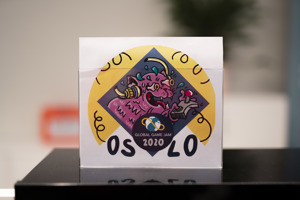
- Spilldesign-utdanningen er mer enn bare spilldesignaktuelt / 2020 / 02 / spilldesign-utdanningen-er-mer-enn-bare-spilldesign– I spilldesign kan man få nytte av nesten alle slags ferdigheter. Hvis du er glad i å skrive er det én inngang, jeg har for eksempel alltid vært interessert i å bygge opp historier og verdener, sier Charlotte Molnar. Hun er førsteårsstudent på Bachelor i spilldesign, og en av over hundre påmeldte deltagerne på årets Global Game Jam i Oslo. På arrangementet fant man blant andre studenter fra Bachelor i spilldesign ved Høyskolen Kristiania og en rekke bransjefolk. Også studenter fra Spillutvikling på Fagskolen Kristiania var å finne blant deltakerne. Gjennom helgen har Molnar og andre entusiastiske spilldesignstudenter jobbet dag og natt for å lage dataspill sammen. Laget spill på 48 timer Global Game Jam er et globalt arrangement hvor folk over hele verden møtes og danner arbeidsgrupper. Gruppene får deretter én helg på seg til å lage et spill ut ifra et gitt tema. Årets tema var det engelske uttrykket «repair», eller reparere på norsk. Molnar og hennes gruppe valgte å gå litt utenfor boksen når de skulle løse oppgaven. – Vi hadde lyst å gå for noe som var litt emosjonelt, hvor man må restaurere en persons hjerne etter hukommelsestap. Vi har kalt det Memento. Spillet vårt er hva man kaller et «puzzle game», hvor hver oppgave er en ledetråd som åpner opp et nytt minne. Etterhvert som du husker mer, vil det fullstendige minnet bli komplett og grunnen til hukommelsestapet blir forklart, sier hun, og avslører at det er en trist historie. Mange jobbmuligheter Å studere spilldesign gir deg muligheten til å jobbe med spill på mange måter innenfor ulike felt. I tillegg til å bli spilldesigner kan man blant annet jobbe med game writing, resource design, art production, playtesting og spillmarkedsføring. Du kan også bli spillprodusent eller en worldbuilder artist. Mulighetene er mange, og i studieløpet vil studentene selv få velge hvilke områder de vil jobbe mest med. – Er du en spilldesigner som er glad i gode historier, eller er god teknisk, skal porteføljen din gjenspeile det, sier Hanne Lien, Høyskolelærer på Bachelor i spilldesign. Hun er opptatt av at studentene skal lære alt de trenger for å gå ut av skolen og rett inn i bransjen som en nyttig kollega. Av 19 avgangsstudenter på Bachelor i spilldesign, var 17 av dem ute i internship i spillbedrifter. De resterende avgangsstudentene lagde spill som ble lansert på spillplattformen Steam. – Vi jobber veldig praktisk, hvor studentene lærer gjennom spillprosjekter. Allerede første året blir studentene kastet ut i tre store spillprosjekter. Andre året har produksjon førsteprioritet, med leveldesign og prototyping. Tredje året går vi over på avansert spilldesign. Vi ønsker at du etter tre år sitter igjen med en portefølje med spill som representerer deg som spilldesigner, sier hun. Og spilldesignstudentene går rett fra skolebenken til spillbransjen. Av 19 avgangsstudenter på Bachelor i spilldesign, var 17 av dem ute i internship i spillbedrifter. De resterende avgangsstudentene lagde spill som ble lansert på spillplattformen Steam. Spill er fremtiden Atle Valan er på tredjeårsstudent på Bachelor i spilldesign, og var i år med på å arrangere Global Game Jam i Oslo. Han forteller at det har blitt laget mye spennende i løpet helgen. Selv hadde han ikke planlagt å bli spilldesigner før han kom over studiet ved en ren tilfeldighet. – Jeg har alltid jobbet kreativt. Tidligere drev jeg med musikk og teater, men hadde spill som hobby. Etter at jeg leste om spilldesignstudiet skjønte jeg at dette var stedet hvor jeg kunne få utfolde meg innenfor alle feltene jeg ønsker å jobbe med. Man har jo både musikk, kinematografi og historiefortelling i spill, sier han. Valan forteller om et studium som lærer deg alt du trenger å vite om spilldesign, hele veien fra innføring i programmering til markedsføring av spill. I perioder er det tverrfaglig samarbeid mellom studentene på spilldesign og studentene på film og tv, manus, 3D-grafikk, lyddesign og visual effects. – På denne måten har vi muligheter til å knytte kontakter vi sannsynligvis kommer til å jobbe med senere. Spillindustrien spres ut i mange andre industrier nå, og vi ser at det er mange som bruker de samme verktøyene vi bruker. Spill er fremtiden, det er jeg helt sikker på, sier Valan med selvtillit i stemmen. – Du finner din plass uansett For Charlotte Molnar og gruppen hennes var det en spennende utfordring å lage et spill på 48 timer. Det innebærer mye prøving og feiling. Men Molnar var aldri i tvil om at dette var studiet for henne. – Her får man rom til å gjøre feil og lære av dem. Du blir hele tiden utfordret, og befinner deg i en konstant oppoverbakke i utviklingen. For meg er det viktig å kunne skape noe, samtidig som jeg vil gi noe videre i det jeg formidler. Det er en kreativ og åpen linje, med mange forskjellige roller. Du finner din plass uansett om du vil spesialisere deg i leveldesign, bli konseptutvikler eller programmere, sier hun.
- Vennlighet er en egenskap vi har utviklet for å overlevekunnskap-kristiania / 2023 / 04 / vennlighet-gjor-at-mennesket-overleverKUNNSKAP FRA KRISTIANIA: Vennlighet og psykisk helse Evolusjonsteorien forteller at den som er best tilpasset, vil overleve. For å hjelpe oss å overleve, har evolusjonen ivaretatt og fremmet våre sosiale evner. Vi har rett og slett lært oss å være vennlige. Den mest åpenbare grunnen til at vennlighet gir et positivt utbytte, er at vennlighet mot andre mennesker ofte resulterer i vennlighet tilbake til deg selv. Det kan være i form av tjenester eller nye muligheter. Vennlighet utløser også en dominoeffekt som kan gi sterkere sosiale bånd, psykologisk trygghet, en mer variert fritid og nye impulser. Bare for å nevne noen. Menneskets behov for sosial tilhørighet For å forstå dybden i hvordan og hvorfor vennlighet kan ha slike effekter, må vi forstå menneskets evolusjonsforankrede behov for sosial tilhørighet. Mennesket er langt ifra det sterkeste dyret i næringskjeden. Vi har lite å stille opp med i kampen mot tigre, mammuter, boaslanger og andre ville dyr. Vi er derimot i stand til å tenke på et langt mer avansert nivå enn de andre dyrene. Med denne avanserte hjernen vi besitter skulle man derfor tro at vi kan overmanne enhver tiger på savannen? Ikke helt; ett menneske alene har ikke mye å stille opp med mot en sulten tiger. "Sammen er vi sterke" Mennesker som samarbeider har derimot klart å overvinne ikke bare en, men store flokker av tigre. Ordtaket «sammen er vi sterke» kunne ikke vært mer riktig. Det har seg nemlig slik at ett menneske alene, tross sin hjerne med enormt potensiale, er ganske begrenset. Det er først når vi kommer sammen at potensialet til hjernen får store konsekvenser. Når vi ser tilbake på våre forfedre som levde for 100 000 år siden, synes vi at de virker primitive. Den gang levde vi i flokker på kanskje 50 – 150 mennesker. Etter hvert som ny kunnskap ble ervervet, ble den delt med de yngre i flokken, som igjen kunne lære dette videre til sine barn. Samarbeid skaper samfunn Slik kunnskapsspredning hadde sin begrensing; kunnskap nådde ikke lengre ut enn menneskene i umiddelbar nærhet. En gang iblant traff man kanskje på andre flokker og utvekslet kunnskap. Vi klarte oss, med andre ord, greit på den tiden – men bare greit. Det var først med utforming av større samfunn at vi kan skryte på oss at vi virkelig har klart oss godt. Et samfunn kan sees på som en organisert måte å dra nytte av ulike menneskers kompetanse og egenskaper. I en middelalder-landsby kunne én person ta seg av bakingen, en annen drev med sauegjeting og et par andre tok seg av kyrene. Slik ble vi alle spesialister og vår spesialkompetanse kunne videreformidles til lærlinger og etter hvert gjennom det skrevne ord. Vennlighet – for ditt eget beste Hva har alt dette med vennlighet å gjøre? Det illustrerer den avgjørende betydningen av sosial interaksjon. Det viser at det ikke nødvendigvis var den som var fysisk sterkest som nådde toppen av hierarkiet etter hvert som menneskene utviklet sine sosiale evner. Av samme grunn har vi dypt iboende biologiske og psykologiske mekanismer som fasiliteter sosiale forhold. Vennlighet er antagelig en av de sentrale evnene våre. At vennlighet er bra for ditt sosiale liv trenger du ikke å bli fortalt. Dette opplever du hver uke. Når du er vennlig mot andre får du bedre relasjoner. Kanskje har du også opplevd at fiendtlighet eller likegyldighet kan bidra til å støte mennesker bort. Vennlighet vekker positive følelser Mennesker har blitt en art som har svært store behov for sosial kontakt. I det moderne samfunn er faktisk sosial isolasjon satt som den strengeste straffen innenfor det juridiske system. Det følger positive følelser med det å være vennlig; medfølelse, kjærlighet, samhørighet og mening er alle emosjoner som ofte kommer som resultat av å være vennlig. Forskerne tror disse følelsene blir vekket for at det skal føles godt å gjøre noe som fremmer dine sosiale forhold. Evolusjon har sørget for at du fortsetter å vise vennlighet for andre – til ditt eget beste. Gode gjerninger er bra for din psykiske helse Setter vi vår evolusjonsforankrede preferanse for det sosiale til side, finnes det også andre grunner til at vennlighet kan være bra for oss. Det viser seg at gode gjerninger for andre vil være med å forme ditt selvbilde. Et selvbilde som da forteller deg at du er en god person som gjør godt for andre. Et slikt positivt selvbilde vil være godt for din psykiske helse. Du endrer ikke bare perspektivet ditt på deg selv til det bedre. En annen effekt er at du også endrer perspektivet ditt på andre mennesker til det bedre. Du får en tendens til å se andre i et mer positivt lys til tross for deres mangler eller utfordringer. Vennlighet skaper med andre ord en positiv spiral som både du og de rundt deg har godt av. Velg vennlighet som en grunnholdning; du vil merke at livet blir ditt blir litt mer positivt og andre mennesker vil komme til deg litt oftere. Og forholdene dine vil bli litt dypere. Tekst: Robin Bjorheim, høyskolelektor, Institutt for psykologi, pedagogikk og juss, Kristiania Referanser: Gilbert, P (2015), The Evolution and Social Dynamics of Compassion. Social and Personality Psychology Compass, 9, 239–254. doi: 10.1111/spc3.12176 . Preston, S. D. (2013). The origins of altruism in offspring care. Psychological Bulletin, 139(6), 1305–1341. https://doi.org/10.1037/a0031755 Denne teksten er publisert på forskning.no den 20. april 2023 under tittelen Vennlighet er en egenskap vi har utviklet for å overleve . Vi vil gjerne høre fra deg! Send spørsmål og kommentarer til artikkelen på e-post til kunnskap@kristiania.no.

- Slik var game jam-maratonet på fagskolenaktuelt / 2020 / 02 / slik-var-game-jam-maratonet-pa-fagskolen– Det er alltid veldig gøy å delta på «Global Game Jam». Det er årets høydepunkt for min del, sier Fredrik Haugen, som studerer Spillutvikling på Fagskolen Kristiania. På fagskolen får vi praktisk trening i å lage spill. Ved å jobbe sammen med studenter fra andre studier, lærer vi oss å samarbeide og kommunisere med folk fra andre fagfelt. «Global Game Jam» er et globalt arrangement, og flere tusen mennesker deltar verden over. I år var det fjerde gang game-jammen ble avholdt i Oslo, i regi av studieprogramledere ved Bachelor i spilldesign på Høyskolen Kristiania. På Spikersuppa deltok blant andre studenter fra nettopp Bachelor i spilldesign, og fagskolestudiet Spillutvikling – i tillegg til bransjefolk. «Global Game Jam» er en arena hvor ulike spillmiljøer kan komme sammen og bli kjent, utveksle erfaringer og lære av hverandre. – Det er et møtepunkt for alt fra studenter til veteraner i bransjen. Sjarmen for min del er at hvem som helst møtes for å lage spill sammen, sier Fredrik, som i år deltok for tredje gang. Lagde 24 spill på to dager Årets tema var «repair». Etter å ha pitchet idéer i fellesskap, ble deltakerne plassert i grupper som skulle jobbe videre med å utvikle konseptene. Totalt ble 24 bidrag levert inn. Spillene ble lastet opp til den offisielle Global Game Jam-nettsiden , slik at andre kan teste dem. Fredrik synes det var både gøy og lærerikt å samarbeide med studenter fra andre studielinjer. – Folk tolket oppgaven på ulike måter. Vårt spill handler om en plante som sakte krymper til et lite frø, før den forsvinner. Det er om å gjøre å spille planten slik at den får mest mulig vann og ikke krymper ut av eksistens, forklarer han. Får praktisk trening i å lage spill På fagskolens toårige utdanning i Spillutvikling lærer studentene hvordan man planlegger et spill fra idé til ferdig produkt. Gjennom studiet får de blant annet jobbe med idé-utvikling, prototyping, spilldesign og programmering. – På fagskolen har vi fokus på praktiske oppgaver og tett oppfølging fra oss lærere. Vi jobber kontinuerlig med å sikre at utdanningen er så yrkesrelevant som overhodet mulig, sier fagansvarlig for Spillutvikling, Dag Erling Jensen. Fredrik fikk bruk for mye av det han har lært på spillutviklingsstudiet under game-jammen. – På game jam-oppgaven jobbet jeg med programmering, noe jeg har lært mye om på studiet. På fagskolen får vi praktisk trening i å lage spill. Ved å jobbe sammen med studenter fra andre studier, lærer vi oss å samarbeide og kommunisere med folk fra andre fagfelt, forteller han. – Målet er at studentene etter to år skal kunne produsere et fullverdig dataspill, og ha lært seg det som trengs for å jobbe som selvstendige spilldesignere – enten for seg selv eller i et etablert spillselskap, sier Dag Erling. En døråpner til spillbransjen Dataspill var en stor del av oppveksten til Fredrik, og spillutvikling ble derfor et naturlig valg da han skulle velge studium. – Spill har gitt meg gode opplevelser og formet meg til den jeg er i dag. Jeg ønsker gjerne å skape lignende opplevelser for andre i fremtiden, sier han. Han forteller at studiet har vært en døråpner til spillbransjen, noe som kan gjøre det enklere å få seg jobb etter endt utdanning. – Når man først er i miljøet, så er det lett å komme i kontakt med bransjen. Det arrangeres blant annet månedlige spillutviklingstreff som man kan delta på, i tillegg har lærerne mine mange gode kontakter i bransjen. Det gjør det enklere å få en fot innenfor døren, sier Fredrik. Økende behov for spillutviklere Fagskoleutdanningen i Spillutvikling er i hovedsak rettet mot spill i underholdningsbransjen, men det er en økende etterspørsel etter spillutviklere også i andre sektorer. Dette byr på flere spennende jobbmuligheter i fremtiden. – Innenfor områder som helse, rehabilitering, yrkestrening og simulering ser vi et økende behov for folk med denne kompetansen, avslutter Dag-Erling.
- Bachelorforestillinger Dansekunst kull 2023-2026om-kristiania / kalender / bachelorforestillinger-dansekunst-kull-2023-26Urpremiere på 13 nye verk!

- Artificial intelligence ensures a more defensive cyber security on the Internet of Thingskunnskap-kristiania / 2022 / 08 / artificial-intelligence-ensures-a-more-defensive-cyber-security-on-the-internet-of-thingsKNOWLEDGE @ KRISTIANIA: Cyber security Nowadays, the standard of the organizations and countries are measured by how secure they are in terms of power and services. From agriculture to aviation, and manufacturing to finance, security is considered as a key for benchmarking the product and services. The term Internet of Things , or IoT, refers to the collective network of connected hardware devices, software and communication technology. As an example, the IoT can be used to create a smart home with WiFi enabled appliances all connect to the internet and share the data that can be control remotely from your cell phone. However, the incremental record of cyberattacks threatens . Attackers hack others’ infrastructure often to warn people or earn money, or sometimes just for hobbies of breaking the embedded systems. Cyber security through artificial intelligence For establishing security and safety, in addition to the normal precautions such as a firewall and antivirus software, artificial intelligence (AI) can be a very useful tool to learn the behaviors of these cyber-attacks and responds to them with appropriate actions. By 2025, cybercrime is expected to cost the global economy $10.5 trillion a year which is more than $3.3 million per second. Smart environments with AI are more secure from planning to development and deployment of software sufficiently reflecting the diverse cyberattack scenarios. We at Kristiania University College, work through the ENViSEC project to build AI-enabled method for cybersecurity towards secure smart environments. Immense costs for the global economy Cyberattacks refer to any form of malicious activities that target IT systems to gain unauthorized access to the information. By 2025, cybercrime is expected to cost the global economy $10.5 trillion a year which is more than $3.3 million per second. Recently in July 2021, even for a single cyberattack, Saudi Aramco faced $50 million ransom in cyber extortion over leaked data . Moreover, the AI market in cybersecurity is expected to significantly grow at a compound annual growth rate of 24.2 per cent from 2020 to 2029 to reach $66.22 billion by 2027. Therefore, the AI can be inspected as a next generation tool to mitigate cybersecurity attacks and reinforce the best practices for improved and secure IT systems. AI enables effective cyber security Cybersecurity crossponds with the set of IT setup and processes configured to protect digital devices, computers, programs and data from attack, unauthorized access, change, or destruction . Inspired by the human brain, Artificial Intelligence (AI) enables the machine to think, learn, act, and react in a similar fashion we human beings do. AI can automate many security tasks of IT systems that a human often does manually. AI-enabled security of technological environment involves multiple levels of intelligent strategies at various stages of the embedded software development process from planning to deployment. Every device connected to the network through any medium should be secured before and while connecting to the network. For that, a significant number of AI-enabled security applications such as automated malware attacks detection, data loss prevention, intrusion detection/prevention, threat intelligence, fraud detection, anomaly detection, source code vulnerability prediction, automatic program repair, patch prediction enables effective cybersecurity. Ensures a more defensive system Every device connected to the network through any medium should therefore be secured configuring with security in mind before and while connecting to the network. Each IoT device can individually perform different behavior in the network and the way handling its anomalous behavior needs specific strategy. For that, a device-oriented lightweight AI model to predict the malfunction of the device, ensures a more defensive system. Figure 1 shows the AI-enabled framework for cybersecurity in smart environments with cloud computing support. Figure 1: ML framework for cybersecurity in smart environments with cloud computing support. Benefits of embedded - AI Some of the notable advantages of embedded AI software models to smart environments are; Security and privacy : The inference processing of the data and construction AI models in cloud computing needs to transfer the data and the predictive model in the cloud. Hence, that can encounter the security and privacy issues being the data available in the cloud. Data and the model relying on systems on chips (SoCs) ensures that security and privacy of the local data and AI software. Reduced dependence on the cloud : The inference processing of the data and AI models are heavily dependent on cloud or high-performance computing. If IoT devices and chips can construct the AI models, then the dependence on cloud can be significantly reduced by low power devices and chips . Improved products and services: Embedding the AI models on SoCs and IoTs optimizes the chip’s architecture thereby reducing instruction counts, energy consumption, and computation time. The embed-AI models can result in improved the overall products and services, increased operational efficiency, and enhanced security and risk management with predictive maintenance for equipment. Challenges on developing AI software models for embedded devices On-device-AI ensures security and privacy concerns on sensitive data that remains unexposed to the public internet. It also reduces the dependency on cloud computing for inference processing. However, enabling AI models on these tiny embedded devices does not remain without challenges. Some of the major challenges are as follows: Resource-constraints environments: The tiny IoT devices often consist of limited processing power, memory, and energy capacity. Due to its resource limitations, middleware developers must either compromise with CIA (confidentiality, integrity, and availability) or put complex low prioritized computations to off-chip and keep only necessary ones on-chip. Data variances: AI-enabled model for cyberattacks prediction needs significant data gathered from diverged scenarios of the environments to train the machine learning model. So that the trained model in the future can be utilized to detect malware attacks occurred in the systems. However, the major problem in the field of AI-enabled cyberattacks prediction is lacking ground truth data of attacks sample. To deal with the shortcomings, a considerable number of researchers and practitioners have manually curated the data in their specific environment artificially injecting the attacks to represent the malware attacks patterns and behaviors. Data imbalance : The existing available data may also suffer from the data imbalance problem not having the proportion of the data that distinguish one attack from other attack group which introduces problem with generalization. Off course originally diversed and generalized data or by tuning it, promotes more robust and reliable AI model with more accurate and precise data. Inference Processing : The training process of the AI models may require intensive resources which may need powerful computers than these IoT devices. However, once the model is constructed, deploying it onto a device to process the incoming data in terms of signals, images, audio and video to look for and recognize it based on the trained model can be done. References: CNBC (2021). https://www.cnbc.com/2021/07/22/saudi-aramco-facing-50m-cyber-extortion-over-leaked-data.html. Buczak, A. L., & Guven, E. (2015). A survey of data mining and machine learning methods for cyber security intrusion detection. IEEE Communications surveys & tutorials, 18(2), 1153-1176. Shalaginov, A., & Grønli, T. M. (2021). Securing Smart Future: Cyber Threats and Intelligent Means to Respond. In 2021 IEEE International Conference on Big Data (Big Data) (pp. 2560-2564). IEEE. Meticulous Research (2020). https://www.meticulousresearch.com/product/artificial-intelligence-in-cybersecurity-market-5101. Peterson, Z. (2020). The Future of Embedded AI and Custom SoCs, https://www.nwengineeringllc.com/article/the-future-of-embedded-ai-and-custom-socs.php. ENViSEC, (2021). ENViSEC: Artificial Intelligence-enabled Cybersecurity for Future Smart Environments. https://smartseclab.com/envisec/. Ahmed, E., Yaqoob, I., Gani, A., Imran, M. and Guizani, M., (2016). Internet-of-things-based smart environments: state of the art, taxonomy, and open research challenges. IEEE Wireless Communications, 23(5), pp.10-16. The ENViSEC project towards cybersecurity The ENVISEC project is for establishing AI-enabled cybersecurity to make secure and reliable smart systems. We focus on building malware and attacks detection models to different layers of the multi-agent systems. Our new method contributes to the prediction of security issues in the initial stages of the system lifecycle that contributes towards a resource-efficient environment. Text: Guru Prasad Bhandari, Software Engineer at the School of Economics, Innovation and Technology, Kristiania University College We love hearing from you: Send your comments and questions regarding this article by E-mail to kunnskap@kristiania.no .

- Age-shaming er en trussel for arbeidslivetkunnskap-kristiania / 2023 / 04 / age-shaming-er-en-trussel-for-arbeidsmiljoetKUNNSKAP KRISTIANIA: Aldersdiskriminering Når du hører om aldersdiskriminering, tenker du kanskje på urettferdig eller dårlig behandling av eldre i arbeidslivet. Det er ikke så rart, fordi det har vært mye oppmerksomhet rettet mot aldersdiskriminering av eldre og hvilke negative konsekvenser dette har. Samtidig viser forskning at også unge voksne, definert som mennesker i slutten av 20- og starten av 30-årene, opplever fordommer og negative holdninger knyttet til alder. Vi mener det er mye å hente dersom en ser på hvilke styrker og kompetanser som trengs i dagens arbeidsmarked – fremfor hvilken alder de ansatte bør ha. Age-shaming – å bli sett på som for ung Age-shaming innebærer at unge voksne opplever diskriminering og negative holdninger knyttet til alder. For eksempel at unge arbeidstakere betegnes som «for unge», med mindre erfaring og dermed også med mindre kompetanse til å løse arbeidsoppgavene sine. Disse holdningene og fordommene er ikke bare skadelige for individet som rammes, men for hele organisasjonen. Hva går vi glipp av i arbeidslivet hvis disse holdningene fortsetter å regjere uten at vi er bevisst på dem? Er det en fare for at det blir en selvoppfyllende profeti? Alder sier lite om kompetanse Vårt utgangspunkt er at alder sier svært lite om hvilke styrker og hvilken type kompetanse et menneske besitter. For hva er egentlig kompetanse, hva er styrker – henger dette sammen med alder? Kompetanse defineres som « evner og ferdigheter som er nødvendige for å nå et bestemt mål» og kan opparbeides gjennom blant annet erfaring og utdanning. Fagspesifikk kompetanse, sosial kompetanse og teknologisk kompetanse er ulike former for kompetanse. Hvilke kvaliteter trengs for å nå målet? For å kunne si om noen har høy eller lav kompetanse, må man starte med å se nærmere på oppgaven eller målet med oppgaven man skal løse. Lang erfaring kan i mange tilfeller føre til god kompetanse på et område, men tilsier ikke nødvendigvis riktig kompetanse for måloppnåelse. Når vi snakker om riktig kompetanse for måloppnåelse, spiller også et begrep som styrker inn. Styrker er underliggende kvaliteter som gir oss energi, bidrar til personlig utvikling og gir grunnlag for mestring. Eksempler på styrker er kreativitet, empati, samarbeid og effektivitet. Når vi bruker styrkene våre bidrar det til gode resultater og engasjement på arbeidsplassen. Det er gjort undersøkelser av sammenhengen mellom alder og styrker, eksempelvis alder og kreativitet. Det er ingen klar korrelasjon mellom alder og kreativitet. Selv om det for eksempel finnes studier som indikerer at eldre kan ha lavere digital kompetanse, er ikke dette nok til at en kan skjære alle over en kam, og si at alle eldre har lav digital kompetanse. Som vi argumenterte for innledningsvis, er det heller aktuelt å se på hvilke styrker og kompetanser som trengs i dagens arbeidsmarked – fremfor hvilken alder de ansatte bør ha. Går glipp av verdifull kompetanse Dagens arbeidsliv preges av endringspress og komplekse problemstillinger. Kreativitet, samarbeid, innovasjonsevne og problemløsningsevne anses som svært ettertraktete styrker og kompetanser for organisasjoner som skal løse de problemstillingene vi står overfor. Forskning viser også at innsats, utholdenhet og lidenskap er like viktig som IQ i mange sammenhenger. Det er lite som tyder på at disse evnene kan knyttes til alder. Derimot kan age shaming føre til at vi går glipp av verdifulle styrker og kompetanser vi gjerne skulle dratt nytte av i arbeidslivet. Selvoppfyllende profeti Vi vet at holdningene våre ofte påvirker adferden vår. Pygmalioneffekten, som også er kjent som «selvoppfyllende profeti», gir en forklaring på hvordan forventingene våre styrer hvordan vi opptrer og påvirker utfallet av hendelser. Dersom du har negative forventinger, påvirker det hva du legger merke til rundt deg, og bevisst eller ubevisst handler du deretter. La oss si at en senior i en organisasjon ser på en junior som mindre kompetent eller som lite kreativ. Da vil muligheten for at senioren lærer noe av junioren være dårligere, samtidig som junioren kan få negativ selvoppfattelse av egne evner. Det kan gjøre at junioren eksempelvis ikke tør å stille spørsmål, eller uttrykke egne meninger og ideer i frykt for å bli oppfattet som uvitende. Age-shaming er negativt for arbeidsmiljøet Lite hemmer organisasjoners og individers læringsprosess så mye som frykt. Og motsatt; hvis kulturen og arbeidsmiljøet er preget av psykologisk trygghet, noe som innebærer at individer opplever det som trygt å ta risiko for eksempel ved å stille spørsmål, være uenig og uttrykke egne meninger, vil det kunne fremme læring, innovasjon og et mangfold av perspektiver. Age shaming kan true arbeidsmiljøet og den psykologiske tryggheten fordi individer blir usikre på egen kompetanse, og derfor unngår å stille spørsmål og uttrykke sine meninger. For å lykkes med å møte de komplekse problemstillingene og endringspresset i organisasjoner, må vi få bukt med negative holdninger og fordommer knyttet til alder. Så hva kan vi gjøre for å håndtere, og forhåpentlig redusere, age shaming på arbeidsplassen? Tre tiltak mot age-shaming Vil vil løfte fram tre tiltak som kan bidra til å minske age shaming på arbeidsplassen: Vær bevisst egne holdninger Har du kanskje en kollega du opplever som «for ung»? Holdninger våre er tillært gjennom våre erfaringer og de påvirker hvordan vi opptrer i ulike situasjoner og hvordan vi møter andre mennesker. Hvis du er bevisst din holdning og i tillegg vet at alder og kompetanse ikke nødvendigvis hører sammen, har du mulighet til å lære noe og samarbeide godt med den «for unge» kollegaen din. Møt hverandre som deltakere gjennom dialog Den norske filosofen Hans Skjervheim bruker begrepene deltaker og tilskuer når han snakker om hvordan vi kan møte andre mennesker gjennom dialog. Ser du på den «for unge» kollegaen din som en deltaker, da er du åpen og nysgjerrig på vedkommedes meninger og retter oppmerksomheten mot dem. Du kan likevel ha egne meninger, som du inviterer kollegaen din til å være enig eller uenig i. Gjennom dialogen møter vi hverandre som likeverdige deltakere der alle har noe å lære av hverandre. Frem god læringsholdning Læringsholdning defineres som en prosess der man stiller spørsmål, reflekterer og stiller seg åpen for feedback. Dersom de ansatte i organisasjonen føler seg trygge til å gjøre dette, vil sannsynligheten for at de lærer mer av hverandre være til stede. Man kan fremme læringsholdning i et team eller i en organisasjon ved å stille spørsmål til hverandre og se hverandre som kompetente mennesker med ulike styrker og perspektiver. Du bør derfor være nysgjerrig på den unge kollegaen din sitt perspektiv. Alle har noe å lære av hverandre I et bærekraftig arbeidsliv bør vi etterstrebe å møte hverandre som likeverdige deltakere, med ulike styrker, kompetanse og erfaringer og kompetanser. Vi har alle noe å lære av andre som er ulike oss selv. Denne teksten er også publisert på forskning.no den 26. april 2023 under tittelen Age shaming er en trussel for arbeidsmiljøet , på Nettavisen den 29. april 2023 under samme tittel og i HR-magasinet den 23. mai 2023 under samme tittel . Vi vil gjerne høre fra deg! Send spørsmål og kommentarer til artikkelen på e-post til kunnskap@kristiania.no. Referanser Binnewies, C., Ohly, S., & Niessen, C. (2008). Age and creativity at work: The interplay between job resources, age and idea creativity. Journal of Managerial Psychology , 23 (4), 438-457. Brook, J., & Brewerton, P. (2016). Optimize Your Strengths: Use your leadership strengths to get the best out of you and your team . John Wiley & Sons. Collins, M. H., Hair, Jr, J. F., & Rocco, T. S. (2009). The older‐worker‐younger‐supervisor dyad: A test of the Reverse Pygmalion effect. Human resource development quarterly , 20 (1), 21-41. Duckworth, A. (2017). GRIT Lidenskapen og standhaftighetens kraft. Cappelen Damm. Littman-Ovadia, H., Lavy, S., & Boiman-Meshita, M. (2017). When theory and research collide: Examining correlates of signature strengths use at work. Journal of Happiness Studies , 18 , 527-548. Edmondson, A. (1999). Psychological safety and learning behavior in work teams. Administrative science quarterly , 44 (2), 350-383. OECD. (2005). The definition and selection of key competencies - Executive Summary, fra http://www.oecd.org/pisa/35070367.pdf. Raymer, M. , Reed, M. , Spiegel, M. & Purvanova, R. K. (2017). An Examination of Generational Stereotypes as a Path Towards Reverse Ageism. The Psychologist-Manager Journal, 20 (3), 148-175. doi: 10.1037/mgr0000057. Skjervheim, H. (1976) Deltakar og tilskodar og andre essays. Oslo: Johan Grundt Tanum Forlag. Weinert, F. E. (2001). Concept of competence: A conceptual clarification. In D. S. Rychen & L. H. Salganik (Eds.), Defining and selecting key competencies (pp. 45–65). Kirkland, WA: Hogrefe & Huber. World Economic Forum, V. (2020). The future of jobs report 2020. Retrieved from Geneva . Denne teksten er også publisert på forskning.no den 26. april 2023 under tittelen Age shaming er en trussel for arbeidsmiljøet og på Nettavisen den 29. april 2023 under samme tittel .
- The Rise of the Counterfeit Industrykunnskap-kristiania / 2020 / 09 / the-rise-of-the-counterfeit-industryKNOWLEDGE & KRISTIANIA: The Counterfeit Industry There is a “Perfect Storm” between two global destructive forces right now – the counterfeit industry and the Covid-19 pandemic. Both are highly undetectable, the fake products hidden in the grey and black markets, and the invisible virus. Amid the Covid-19 pandemic, the Chinese companies sold thousands of fake testing kits and medical masks authorities in Spain, Turkey and the Netherlands. Investigations by Interpol revealed that 2,000 online “pharmacies” sold fake equipment and medicine directed towards the victims of Covid-19. Read also: Korona-profitørene (in Norwegian) Invisible enemies The counterfeit medicine industry did not start now. The production of fake medicine is a major growing global industry. And just like Covid-19, – it is an invisible enemy difficult and costly to detect. It is hidden behind global and complex supply chains. The criminal entrepreneurs producing fake products are not the beach shops on a tourist destination that we perhaps think of. This is an industry that have top know-how of designing and production of counterfeiting products through reverse engineering, 3D-printing, logistics systems that can reach every state in the US and sometimes bitcoin payment technology. The Independent revealed March 25th, 2020 that the same producers of fake products with Ralph Lauren or Gucci labels are now producing masks labeled 3M with CE certification. During the pandemic, this is a dance between the devilish Covid-19 and the darkest online pharmacies, – and they meet only three clicks from your computer right now. Read also: Når kommunikasjon kan redde liv (in Norwegian) Haven of fake medicine The pandemic burns like a wildfire away from the well-organized western health systems into densely populated countries in the third world. Here, the global counterfeits medicine industry thrives and grow underneath fragile and corrupt governments, dysfunctional health systems and ineffective control. According to a report from the World Health Organization in 2017, fake malaria medication causes between 72,000-267,000 fatalities each year in Sub-Sahara. Center for Decease Control (CDC) have for a long time warned against fake malaria medicine. But the criminal entrepreneurs know exactly where the haven of fake medicine are, – it is in the third world. Read also: Hvordan kan vi unngå å kjøpe falskt medisinsk utstyr? (in Norwegian) The Perfect Storm Under the protective umbrella of an ill organized and dysfunctional health system, the peoples only hope against Covid-19 is Malaria medicine. The Hydroxychloroquine has a long history of counterfeits in the third world already. People that want to be prepared for the Covid-19 epidemic therefore turns to the grey medicine markets for help. But they are already caught in the perfect storm between the criminal supply chains and the pandemic. Many will probably buy a fake “lemon” product that in best case have no active ingredients and therefore does nothing harm. Worst case though, fake medicine may include rat poison or lead. An article by Camille Malplat, April 1, 2020 first in The Jakarta Post, indicates that the perfect storm is about to arrive in the third world: “The chloroquine craze is not just affecting the black market for drugs — it is also spurring the production of counterfeit medications. Cameroon’s government has already issued a warning about fake chloroquine, samples of which have surfaced in health centers.” Counterfeit medicine is big business Ordinary people going for a beach vacation probably meet the counterfeits Armani T-Shirts along the boardwalk shops. It looks like a trivial problem. But Brechtelsbauer and his colleagues found in a published paper in 2016 that between 35,000-50,000 online pharmacies, and 96 percent of these companies did not comply with patient protection regulations. These are the primary outlets for counterfeit medicine. A government report from the US Government Accountability Office (2018) found that 40 percent of products sold from well-known webpages were fake. Another recent report from Stroppa, Gatto, Pasha, and Parrella, (2019) found that more than 50,000 Instagram accounts promoted counterfeits, – a 171 percent increase since 2016. This is big business. An investigation from Frontier Economics (2017) estimated the industry to a 1 trillion $ business. This is a dynamic and flexible industry quick to respond to new upcoming demand in the market. For them, it is a perfect time for Covid-19. Dancing with the devil The legendary politician and corporate icon Bob McNamara called it “Fog of War” when leaders had to make decisions under extreme uncertainty. Covid-19 has the war-like similarities. Governments are forced to take quick decisions where the lack of valid information is extreme, and the consequences might be fatal. The pandemic reflects how vulnerable governments are when global supply chains dominate strategic resources for medicine and equipment. This epidemic shows that they have been left with worst case alternatives; to dance with the devil in the international grey markets. When the supply chains are complex, and it is a long geographical and political distance – the fog of war worsen the quality of health decisions. Distance leads to less information and an even more lethal interaction effect between Covid-19 and fake health products. Ill-prepared governments Most governments are ill-prepared for this storm. In spite of the fact that scientists for a long time have warned us. Is this a Pearl Harbor or 9.11 situation where politics are taken by surprise? No, it is not! It is the same criminal industry and the same mechanisms of unaware customers that have driven the other epidemic for years, – the Opioid-crises that killed 67,000 people in the US in 2018. Fake medicine containing the lethal ingredient Fentanyl flows into the grey markets world-wide. It is a global epidemic driven by the fake medicine industry. Covid-19 victims are just new profitable segments for the same industry. They scale up their global supply chains to cover the world demand for fake Hydroxychloroquine, protection gear, 3M masks and test kits. They are the global experts of counterfeiting production, stealing property rights and organize their global supply chains to meet uninformed customers. Deadly interaction Luck should not define consequences of the deadly interaction between pandemics and markets for fake products. Or as the polar explorer Roald Amundsen put it; “ victory awaits him who has everything in order, luck, people call it. Defeat is certain for him who has neglected to take the necessary precautions in time, this is called bad luck .” To base global health precautions on luck, like we now do, – should be contrary to health politics. We will keep losing against the intertwined vicious forces of the Covid-19 pandemic and the fake medicine. The parasite business of fake medicine should have been taken more seriously a long time ago. Because in a war like this, – victory awaits only those who has “everything in order.” What we can hope for So, precautions are precious gifts during crises. One of them are technology that can track down origin, share real-time information with customers, and control real quality. The food chains are already well prepared. Walmart together with IBM have applied blockchain technology that reduced the time to trace an item from the store to the farm from seven days to just 2.2 seconds. Similar technologies are weapons to trace down and catch copies, counterfeits and fake medicine and equipment. Preparedness through tracking technology should probably add to the crises supply resources. Especially during crises, – it is most important to track down the origin of medicine and health products like protection gear. During the Covid-19 crises this is a global problem. We need a system that can save time, – and time is a very scarce resource during a pandemic. References: Daragahi, B., Total disregard for people’s lives’: Hundreds of thousands of fake masks flooding markets as coronavirus depletes world supplies , in The Independent . 2020: UK. World Health Organization: Achieving and maintaining universal coverage with long-lasting insecticidal nets for malaria control . 2017. Center for Disease Control and Prevention, C. Counterfeit and Substandard Antima-larial Drugs . 2020 [cited 2020 April 11]; Available from: h ttps://www.cdc.gov/malaria/malaria_worldwide/reduction/counterfeit.html. Malplat, C., Africans rush for chloroquine as virus tsunami looms| , in The Jakarta Post . 2020. Brechtelsbauer, E.D., et al., Review of the 2015 Drug Supply Chain Security Act. Hospital pharmacy, 2016. 51 (6): p. 493-500. Office, U.S.G.A., Report to the Chairman, Committee on Finance, U.S. Senate, Intellectual Property. Agencies Can Improve Ef-forts to Address Risks Posed by Changing Counterfeits Market . 2018. Stroppa, A., Gatto D., Pasha L., B. Parrella, Instagram and counterfeiting in 2019: new features, old problems , in Ghost Data . 2019: Rome, New York. Economics, F., The economic impacts of counterfeiting and piracy , R.p.f.B.a. INTA, Editor. 2017. Center for Disease Control and Prevention, C. Opioid Overdose . 2018 [cited 2020 April 11]; Available from: https://www.cdc.gov/drugoverdose/ . This article is written for Kunnskapsmagasinet Kristiania (Kristiania Knowledge Magazine) and first published on 10 September 2020. Text: Professor Arne Nygaard, Department of Marketing at Kristiania University College and Professor Ragnhild Silkoset, Department of Marketing at BI Norwegian Business School. Photo: The counterfeit industry is big business. Illustration photo of girl with a mask. Photo by engin akyurt on Unsplash.