Søk
Filtre
Filtre
Resultat
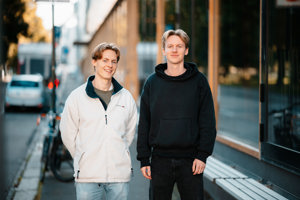
- Kristiania-studenter vant pris for Call of Duty-kampanjeaktuelt / 2022 / 10 / kristiania-studenter-vant-pris-for-call-of-duty-kampanje2Young Ones er studentkategorien i den internasjonale reklamekonkurransen The One Show. Konkurransen foregår i New York, men er åpen for deltakelse fra hele verden. I 2022 var det Kristiania-studenter som stakk av med sølv-Pencil for sine arbeid: Baard Røthe og Simen Elverøy vant sølv, mens Gard Bekk Wanderøy og Nicolai Vogsted Drange fikk diplom og hederlig omtale. Les studentenes eget reisebrev fra New York her! – Arbeider fra Young Ones og The One Show vært en stor inspirasjon for oss, og tidligere vinnerne er folk vi har sett opp til. Å plutselig være blant dem føles helt uvirkelig, forteller Baard Røthe og Simen Elverøy, som ble uteksaminert våren 2022. Jobbet med skytespill-gigant I konkurransen skulle deltakerne lage et kampanjekonsept for flere store selskaper. Studentene valgte en oppgave om å gjøre dataspillet Call of Duty: Warframe mer relevant for vanlige folk og for å gjøre dem mer positive til spillet. Det løste de ved å lage en kampanje om landminer som spilte på viktige sider ved det populære skytespillet. Her kan du lese mer om bidraget til Baard og Simen! Her kan du lese mer om bidraget til Gard og Nicolai! – Vi tok utgangspunkt i et problem som har innvirkning på både spillet og den virkelige verden. Vi lagde en mekanikk som gjorde at når folk ble drept av landminer i spillet, kunne de bidra til å rydde miner i områder som trenger det. På denne måten lot vi folk bidra til at til å utslette et problem som er irriterende, men som for noen kanskje betyr forskjell mellom liv og død, forteller studentene. Vi lagde en mekanikk som gjorde at når folk ble drept av landminer i spillet, kunne de bidra til å rydde miner i områder som trenger det. – Oppgaven var utrolig spennende. Noe av det morsomste ved å jobbe med oppgaver i internasjonale konkurranser, er at man får bryne seg på utfordringer fra verdens største selskap. Samtidig åpner det for å utvikle løsninger for å skape løsninger som når langt utenfor selskapets egne grenser, sier Baard. Fikk støtte av foreleserne Art Direction -studentene forteller at de fikk god veiledning av foreleserne sine. – Det var veldig nyttig å få innspill fra foreleserne ettersom de er erfarne innen bransjen. Dette gjorde at vi fikk innblikk i hvordan profesjonalitet og helhetlig tenkning kan bidra til å skape en mer sammensatt kampanje, forteller Simen. Baard og Simen forteller at de gjennom studietiden har blitt utfordret, og fått jobbe med et mangfold av flinke studenter, forelesere og bransjefolk. – Foreleserne våre er tett på bransjen ettersom de ofte er tidligere bransjefolk. Dette gjør at de har mye erfaring med hvordan livet etter endt studietid er, og at de har mange relevante vinklinger på hvordan oppgaver kan løses best mulig. I tillegg har vi fått inn mange gjesteforelesere fra ulike kriker og kroker i arbeidslivet, som har gitt oss mulighet til å knytte kontakter, og vise seg fram. Baard og Simen sier at Art Direction er den nest best bevarte hemmeligheten innen studieretninger, rett etter fargefilosofi. – Art Direction er gøy for alle som liker å være kreative og problemløsende, bli utfordret på jobb, ha et godt arbeidsmiljø, og se resultater av det de gjør.
- Sustainability, Investment and Value Creationstudier / nettstudier / enkeltemne / sustainability-investment-and-value-creationMed dette emnet kan du utvikle ferdighetene som kreves for å lykkes og utøve innflytelse i finanssektoren gjennom ansvarlig eierskap og bærekraftige investeringer.NettstudiumEnkeltemneHeltid \ Deltid
- Call for contributions: AI as Environment - Infrastructure, Knowledge, Operationom-kristiania / kalender / call-for-contributions-ark27-ai-as-environment---infrastructure-knowledge-operationThe 9th Annual Artistic Research at Kristiania Symposium (AR@K27) & the 2nd MishMash Conference. Co-organised with AI Ecologies Research Group, Kristiania AI Centre (KAI), and Atelier Nord.

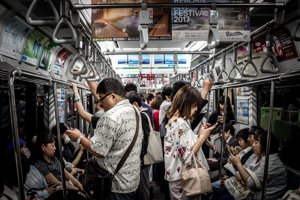
- In the future, being around other people may prolong the lifetime of your smartphone’s batterykunnskap-kristiania / 2022 / 08 / in-the-future-being-around-other-people-may-prolong-the-lifetime-of-your-smartphones-batteryKNOWLEDGE @ KRISTIANIA: Technolgy Today, smartphones are used to aid and improve all kinds of tasks in almost all aspects of daily life. Smartphones, however, are generally considered fairly resource constrained and their available power is the most constrained resource of all— without power the smartphone won’t function. Not surprisingly, battery life has been identified as one of the most desired features of mobile devices. A possible solution For the purpose of improving battery life in settings where users are co-located, we conducted a study to measure the impact on the consumed smartphone energy when data were collected in a distributed manner. This means that every device shared the same data as opposed to every device collecting its own sensor data. The results indicated that a shared distributed collection imposed less energy consumption than traditional approaches. By opportunistically connecting to and sharing common computations with nearby smartphones, co-located users can compute tasks as ‘one entity’. The result of the computations done collectively is then available for all nearby devices and ensures that no computation is done more than once. A more seamless travel experience Let’s take an example of a near-future public transport application, taking advantage of the Be-in/Be-out paradigm. Be-in/Be-out is about enabling user’s of public transport to enter and leave vehicles without having to do any explicit action— a seamless, ticket free travel experience. In order to achieve this, heavy local computations are needed in order to estimate or verify if a user is actually on a public transport vehicle, which vehicle and how long the journey is, in order to achieve accurate ticketing. The Be-in/Be-out scenario in public transport, is a very relevant scenario which we are currently researching through a joint research effort between fluxLoop, Kristiania University College and other public transport operators such as Nordland Fylkeskommune and Ruter. Devices sharing the same data In scenarios such as this, the smartphones of embarking and disembarking travelers can collaborate as one entity in order to calculate whether travelers are embarking, disembarking and which mode of transport the travelers are in. Near-future public transport solutions are examples where opportunistic collaboration could prove beneficial. However, this approach could also be employed in any kind of scenario where devices are co-located and ambient sensor information needs to be collected and processed. Cloud solutions are not necessarily the best solutions The last couple of years, in order to combat the resource scarceness of mobile phones, many applications send heavy computation to the cloud for processing and the result is then returned to the device. This can significantly lower the resource consumption of mobile phones and contribute to a longer lasting battery. At the same time, the concept of the Internet of Things (IoT) has emerged which has led to a drastic increase in connected devices. This, in turn, leads to elevated network traffic which potentially can cause latency and a heightened load on servers worldwide. Not only does this affect the internet backbone and the service providers, but an increase in network usage from mobile devices might also incur added cost for the end-user. In addition, by sending data to the cloud it brings an added risk to security and introduces new attack vectors. Data can be intercepted on the way, or malicious employees working at the service provider can access and steal your data. More processing on device may increase the security of mobile solutions Security concerns, in combination with better hardware and more efficient algorithms has led to the computations again being moved back to the users’ devices. However, the issue of available power on mobile devices still persists. This is quite the predicament! On one hand you have a significant reduction in energy consumption on the user’s device and on the other you have a significant increase in network load and additional security concerns. It is currently hard to deal with all these issues, however, on-device processing and opportunistic collaboration can help mitigate security issues to some extent. A way to reduce energy consumption It is difficult to say exactly which calculations are needed for different solutions in the future. However, for scenarios where multiple devices need to do the same calculations within the same context, collaborating on the computation is a viable approach. Through opportunistic collaboration it is possible to reduce energy consumption, while simultaneously keeping network traffic at a minimum. In the future this solution might contribute to a more seamless travel experience with fairer pricing schemes and hopefully— once implemented, the travelers won’t notice a significant change in their device’s power consumption due to distributed work collaboration. Referanser: Skretting and T.-M. Grønli, "Distributed Sensor Data Collection Using Mobile Clouds for Public Transportation," in IEEE 17th International Conference on Intelligent Computer Communication and Processing, 2021. Ma, Y. Zhao, L. Zhang, H. Wang and L. Peng, "When mobile terminals meet the cloud: computation offloading as the bridge," in IEEE Network, vol. 27, no. 5, pp. 28-33, September-October 2013, doi: 10.1109/MNET.2013.6616112. Text: PHD-candidate Anders Skretting, School of Economics, Innovation and Technology. Anders.Skretting@kristiania.no
- Innovasjon og bærekraftstudier / nettstudier / enkeltemne / innovasjon-og-barekraftMed utgangspunkt i bærekraftsmålene vil emnet se på hvordan bærekraft kan benyttes som en viktig driver for innovasjon og hvordan innovasjon vil være nødvendig for å oppnå bærekraft.NettstudiumEnkeltemneHeltid \ Deltid
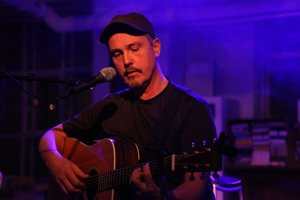
- Slik gjenkjenner du musikk som en bestemt sjangerkunnskap-kristiania / 2023 / 10 / Slik-gjenkjenner-du-musikk-som-en-bestemt-sjangerKUNNSKAP FRA KRISTIANIA: Øysten Sørensen - aka artisten Solon - om vokalteknikk Når noen synger « aaaaa ooooiiiii » , hva er det som gjør at du får assosiasjoner til gregorianske munker? Eller flamenco? Eller heavy metal? H va er det i stemmen som utgjør den forskjellen som setter så ulik stemning ? – Det handler om plasseringen av lyden , sier Øystein Sørensen , førsteamanuensis i vokal ved Kristiania. Han jobber daglig med å utvikle både sin egen og den enkelte student s stemme , og går under artistnavnet Solon . – Ulik vokal forbindes med ulike stilarter. De lyse stemmene du hører i klassisk munkesang , gregoriansk sang , vil være i hoderegisteret. Han demonstrerer med runde lepper og rak rygg : oooo o . Lyden ligger oppe mot ganen , et sted inne i hodet ; det er så man formelig kan se glorien når han synger. Så , uten å pause , drar han stemmen forbi strupehodet og ned i brystet , den blir kraftigere, lidende, glir over i en iiiiiii - rasp med e t tyn som om han b ærer på en smerte så stor at den trekker den siste pusten ut av kroppen på ham . Vi er over i flamencoen. Å skape stemning gjennom stemmebruk – I flamenco kan du dra på uten at det blir for mye; det ligger i uttrykket at det skal over . Det er mye smerte og drama, et uttrykk som viser at det er enda ver re enn du tror . Teksten forsvinner i bakgrunnen , vokalen er i sentrum . Nettopp det tiltaler Øystein Sørensen. Til m elodien When I listen samarbeidet han blant annet med flamencosangerinnen Irene Molinas . – Jeg laget en drone og en rytme som går i loop og ligger i bakgrunnen. Basert på den, improviserte hun en soleá , som er en av de tradisjonelle formene innen flamenco. A lle fraseringene Molinas gjør – det vil si de musikalske «setningsdelene» – kommer på bestemte steder i melodien og følger tradisjonen og rytmen i akkurat soleá -formen. Improvisasjonen er gjort på stavelser, ikke ord , s om tralling i norsk folkemusikk . I stedet for den norske sudelidei og tra - la - la , bruker flamencosangerne ay-ay-ay , re-le-le o g andre lydsammensetninger som fungerer som bindeledd og gjerne improviseres . S ørensen snakker ikke særlig mye spansk . – Det er ikke så farlig om du ikke forstå r al le ordene . Du kan lytte og bli fascinert. Musikken treffer deg, o g så plutselig har du skjønt allikevel – for hva vil det si å skjønne? Jo, at musikken beveger deg. S pørsmålet han søker svar på i sin kunstneriske utvikling, er hvordan man rent vokal teknisk skal få til å uttrykke forskjellige følelse r , sette de ulike stemningene . Det er dette han jobber med når han utvikler vokal . – Teknikken din påvirker deg og utrykket ditt . D en skal hjelpe – og ikke hindre – sangeren i å utrykke følelser. Det er fort gjort å glemme dette når man jobber med vokal teknikk , sier han . Solons konserter og utgivelser er en reise i musikalske uttrykk , en utforsking i stemmebruk i kombinasjon med instrument er . S amspillet mellom ulik stemmebruk og varierende instrumental skaper en potpurri av sjangere . I låten Amare , Amor and Amour siger myke vokaler melodiøst som Seinen gjennom Paris en blomstrende vårdag . A capella -låten « Royal sleep luller deg i søvn i et harmonisk rom der Solons rene, klare stemme er det eneste du behøver å forholde deg til. Han drar oss med gjennom jazz og Zappa -inspirert e geip, og fra rap til melodien Høstmorgen , som åpner med noe som mest av alt minner om bønnerop fra en arabisk mosk é i soloppgang . Solon forklarer : – I introen, som er improvisert, forestiller jeg meg at jeg synger ut fra en minaret. Det er viktig å være til stede i følelsen og forestillingen når man synger. « Jeg sitter på en kamel og rir forbi en minaret », forestilte jeg meg. Målet var at melodien skulle gå til stemmens ytterpunkter tonalt. – Den beveger seg fra helt nederst til helt øverst i mitt register, sier han. Forsker i stemmers palett Sørensen sier at den enkelte må tenke og kjenne etter hva lyden betyr for akkurat s eg. For det er lyden du bruker når du synger. Og hele tiden når du snakker og kommuniserer. Hvor bevisst er du lydene du lager, lydene du hermer? – Jeg vet hvordan jeg skal lage de ulike lydene rent teknisk . Jeg har lært å herme lyder og ord og de gir en følelse og en forestilling. Når du har hermet lenge nok, så blir det en del av deg. Til slutt er du det. Det er nesten skummelt. Men på tross av årelang utforsking, kan han bare gå inntil et visst punkt innen et fremmed uttrykk, forteller han. – Jeg b ruker fargene i de ulike uttrykkene og tar med akkurat det som treffer meg. Jeg kan ikke gå rundt og rappe om hvor fælt det er i Harlem , for jeg er jo ikke undertrykt og føler ikke den smerten som ligger i rap eller i flamenco . Me n jeg kan låne uttrykket. Så han snakke-synger , rapper, bruker tonaliteten i skalaen . Tonalitet handler om at toner og akkorder i musikken er ordnet på en slik måte at vi kan oppleve stabilitet, spenning, retning og hvile i musikken. – I rap handler det om perkusjon , det vil si slagverk , rytmen . Stilen gjør at det tekstlige budskapet kommer mer i fokus – når du fjerner melodien , står teksten og stemmen igjen. K onsonantene blir tydeligere. Jeg fjerner «sødmen» som kan ligge i å ha så lys stemme som jeg naturlig har , og skaper et helt annet uttrykk . Stemmebruk handler mye om kroppsbevissthet Når han underviser, handler det blant annet om å hjelpe studentene å utvide hele spekteret av stemmen sin. Han sjekker hvordan stemmen deres funker, hvordan de bruker pusten, hvor høyt og lavt de kommer. Noen blir hese når de synger, og det handler som regel om at de er anspent. – Mye av dette kan vi intuitivt. Nyfødte babyer skriker så kraftig at det blir vreng i stemmen, allikevel blir de ikke hese – selv om de skriker akkurat som i heavy metal, sier Sørensen. – Det er ikke stemmebåndene som lager den vrengen , det er en støy som oppstår i halsen ved hjelp av strupelokket. Mange bruker denne vrengen som en del av sitt uttrykk. Det er jo en egen sjanger. Men skal du synge på den måten, må også det trenes opp. Så han jobber med bevisstgjøring og utvikling av hele stemmeregisteret. – Ingen har samme palett. Og i overgangen mellom hoderegisteret og brystregisteret, er det mange som får jodling eller en knekk . Det er også musikk, men som regel ønsker de fleste en smidig overgang, ellers kan det bli stilistisk feil. Man må ha en bevissthet rundt hva man ønsker å uttrykke og så jobbe med teknikker for å få til akkurat det . Rent teknisk handler det mye om pusten, forklarer han. Stemmen må ha støtte; luftstrømmen må være jevn for at stemmebåndene skal svinge på en sunn måte. En viktig del av vokaltrening er kroppsbevissthet. – Hvis du bøyer hodet bak eller fremover, vil du merke at stemmen endrer seg. All muskulatur i halsen og i nakken påvirker med andre ord stemmen – så kroppsbevissthet er en viktig del av vokaltrening, sier han. Tidligere snakket man blant annet om hvordan man skal stå for å synge riktig. Og at man kunne skade stemmen ved å synge feil. Slike ideer har man gått bort fra. En tommelfingerregel nå er at hvis du ikke blir hes i løpet av en konsert, så synger du sunt. Tekst: Taran Cecilie Skjerdal, rådgiver, Avdeling for forskningskommunikasjon og innovasjon, Kristiania. Denne teksten ble publisert på forskning.no den 18. oktober 2023 under tittelen " Her er forklaringen: Slik gjenkjenner du musikk som en bestemt sjanger ." Vi vil gjerne høre fra deg! Send spørsmål og kommentarer til artikkelen på e-post til kunnskap@kristiania.no .
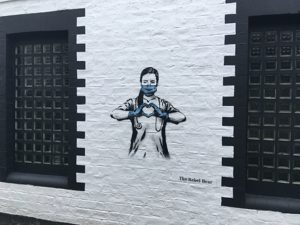
- What are the long-term economic consequences of pandemics?kunnskap-kristiania / 2020 / 12 / what-are-the-long-term-economic-consequences-of-pandemicsKNOWLEDGE @ KRISTIANIA: Economic impact of pandemics Months after the first outbreak, the ongoing pandemic remains an emergency, demanding immediate attention, quick responses and a lot of flexibility from all of us. Directly or indirectly, our lives have been affected, forcing us to focus on the short-term task of re-organizing routines and plans to adapt to ever evolving limitations, rules, and pathological conditions. Read also: Kunnskap Kristiania 2020/2021 (E-magazine). The public response has similarly been concentrated on the impelling need to slow down the contagion, provide for the afflicted and organize appropriate quarantine measures. The specter of economic damage, and how to pay for the necessary accompanying stimulus measures, have entered the debate, especially in the EU, but remains somewhat marginal in the face of the second wave hitting Europe in the Fall. Read also: Heroes on the edge of burnout Changing everything, something, anything really? These conditions make taking a long-term perspective quite difficult, as it is generally the case in any serious crises. Some debates have started, however, on how COVID-19 is going to change everything, something, anything really. Many contradicting voices can be heard already. Perhaps it would be useful to listen to what economics has to say in this regard. The “dismal science”, that won such a somber title in consequence of its early fascination with the apparent inevitability of poverty, famine and disease, has since then largely abandoned the issue of pandemic and diseases. Read also: The Rise of the Counterfeit Industry Long-term consequences of a pandemic These topics are rarely found in economic textbooks anymore. However, some lessons can still be found in the scientific literature, provided one is willing to take a systematic and comprehensive look. At Kristiania University College, we did just that, looking for a scientifically founded vision of what the long-term consequences of a pandemic would look like, from an economic perspective. Here is what we found. Read also: Fighting Fake News Black Death – a historical turning-point The first surprising result is that, historically, most pandemics have had long-term beneficial consequences for socio-economic development. Even the most terrifying of such events, the Black Death, is generally considered a historical turning point, whose long-term consequences were key to explaining the relative rise of Europe in relation to other previously more advanced areas, such as the Middle East and the Far East. Noticeably, this was not a result of Europe being spared from the worst of the disease, but rather a consequence of the particularly high mortality rates experienced by the West at the time. Strange as it may sound, the exceptional unhealthiness of European cities, described as “open-air graveyards” in some chilling passages, was key to ensure perpetually higher salaries, leading to positive feedbacks in consumption patterns and production techniques, and the accumulation of substantial technological advantages in many areas. Listen to podcast : Take-Home Lessons from the Corona Crisis Long-term impacts of AIDS The present world, however, is vastly different from the one visited by the Black Death. To understand the present, the numerous studies on the long-term impacts of that modern pandemic, AIDS, may be more relevant. Surprisingly, however, the picture remains somewhat consistent. Some researchers claim that higher mortality rates will eventually result in more sustainable long-term growth patterns, accompanied by much higher per-capita GDP growth rates. Others point to the severe and long-lasting human and medical costs of the disease. Crucially, while the expected increase in salaries appear to have taken place in most heavy-hit African countries, this seems to also have increased the rates of pupils dropping out from education; while some are forced to work after being orphaned by the disease, most seem to be attracted by the relatively higher wages now available. As a result, in the current economic system, higher wages may lead to a subtle but persistent reduction in the accumulation of human capital, thus counteracting the benefits attending a more sustainable demographic expansion. Read also: The Rise of Generation Co Lessons from the economic literature While the complete long-term impact of pandemics is complex, two primary implications can be drawn by policy-makers from economic literature: The first is that the mechanisms of each pandemic are idiosyncratic: forecasting exercises commonly fail to account for the true scope of its effects, while the most desirable characteristic of response plans appear to be flexibility and willingness to quickly implement new solutions and approaches. The second is that, while the public response dominates the first phase, it is the private response that shapes the long term, as either entrepreneurial opportunities are discovered and exploited to bring about economic and institutional renewal, or the economic system struggles to recreate an old normal when surrounding conditions have changed. The effort to save and preserve must give way to the will to change and evolve. References: This popular article is based on two articles currently under review. Their titles are: “Pandemics and development: A literature review”, and “Entrepreneurial responses to health shocks: A literature review”. Both are authored by Christophe Feder and Beniamino Callegari. The article is first published in Kunnskap Kristiania 2020/2021 . Kunnskap Kristiania is a science Communication Magazine published by Kristiania University College. Text: Beniamino Callegari, Researcher at School of Economics, Innovation and Technology, Kristiania University College. Photo: Covid-19 has affected us all. What will be the long-term economic impact of the pandemic? Photo by Colin D on Unsplash.
- Bridging the gap between art and sciencekunnskap-kristiania / 2021 / 09 / bridging-the-gap-between-art-and-scienceKNOWLEDGE @ KRISTIANIA: Artistic Research When Johannes Kepler drew musical notes in his books reflecting on the universe as a harmony in music and when Albrecht Dürer developed the linear system in painting based on scientific calculations, science, humanities, art, knowledge production, epistemology had not yet been exposed to systematic institutionalisation and claustrophobic categorisation. Kepler, the scientist, and Dürer, the artist, shared basic ways of producing knowledge and approaching their material, e.g., by observing, by finding patterns and by conceptualizing. To them mixing the fields of art and science did not represent a schism, it offered possibilities and solutions they could not have accessed by treating either field separately. Read also: Kunnskap Kristiania, the Innovation Issue (E-magazine) What qualifies as Artistic Development Work? Today Artistic Development Work presents us with an opportunity to enhance our perception of art, science and academia in general. Art is intrinsically reflective, researching and investigative, so what kind of artistic activity qualifies as Artistic Development Work and not simply as art? Whereas making art contains different forms of reflection and knowledge production the primarily objective is production of art within a given artistic community, i.e., a given art product being the main goal. Artistic Development Work, on the other hand, attempts in and through the art production (the process and the practice) not only to participate in and contribute to the artistic community, but also to gain an epistemological outcome of art making and art practice, i.e., to what we comprehend and cognize. Thus, Artistic Development Work includes a wide range of explorative and reflective methods, concepts, and ideas rooted in the making of art. Read also: Project Management at the Theatre Useful beyond the sphere of art Since the focal point of Artistic Development Work is to create new knowledge within a given area there is generally a strong emphasis on developing new methods and practices. This exploratory – and not explanatory – approach to research is often seen as contrary to traditional scholarly research. However, Artistic Development Work-methods have turned out to be useful also beyond the sphere of art. Artistic Development Work-projects are documented to intertwine with non-artistic projects on a variety of fields such as gender issues, environment, political matters, globalization etc. Perhaps the most tangible example of the benefits of Artistic Development Work-methodology in science is the concept of art-science. Typically, art-science projects are conducted as artist-in-residence programs. The artists may function as advisors, collaborators, interlocutors or give workshops or work on an artwork. Fusion of science, technology and arts The STARTS (Science + Technology + Arts)-project, initiated and funded by the European Commission, is an emblematic example of how art-science can contribute to technological innovation safeguarding human needs and values. The fusion of science, technology and arts has shown how transdisciplinary approaches can handle complex challenges not only within the realm of science and technology, but also with regards to organizations and organizational structures. Read also: Skapte nye forbindelser mellom sang, dans og skuespill (in Norwegian) Platform for transdisciplinary collaboration Kristiania University College is an adequate platform for transdisciplinary collaboration. Health sciences, innovation and technology are obvious areas where Artistic Development Work can be involved in developing new knowledge and new methods and simultaneously gain experience with and insight into theories and methods beyond art and Artistic Development Work. As the largest centre of arts education in Norway, the School of Arts, Design and Media at Kristiania is a crucible of creativity and learning. Students meet music, dance, film, music theatre, creative writing, acting, and more under the same roof while Artistic Development Work is grounded in a diverse academic environment. Read also: Bak musikkbransjens glamorøse fasade (in Norwegian) Tool for reaching out Together a variety of disciplines from seemingly adversarial professional zones can bridge the academic gap between art and science. Transdisciplinary collaborations within Kristiania could even be used as a tool for reaching out, initiating research alliances and partnerships with both public institutions and private companies, nationally as well as internationally. So, the paradigmatical gaze of the scientist can indeed be combined with the mystifying gaze of the artist researcher. Or maybe that is the wrong way to put it. Perhaps there is a closer affinity between the scholar’s approach to finding out and the artist’s way of exploring than institutional borders suggest. Furthermore, the typical meeting the extraordinary, the typical linked with the idiosyncratic, the general facing the individual etc. is not only enriching both science and Artistic Development Work in itself, but also forcing us to continuously revaluate what science and research is all about, and eventually spur us on to find what we are not looking for. Reference: This article is first published in Kunnskap Kristiania, The Innovation Issue (link to E-magazine) released on August 19, 2021. Text: Associate professor Ole Egeberg, School of Arts, Design and Media, Kristiania University College. We love hearing from you: Send your comments and questions regarding this article by E-mail to kunnskap@kristiania.no .

- Poor communication puts lives at riskkunnskap-kristiania / 2023 / 04 / poor-communication-puts-lives-at-risk-at-KNOWLEDGE AT KRISTIANIA: Communication during a pandemic Covid-19 and Public health practitioners have long known that poor communication during health crises put lives at risk. This is why the WHO and most national public health agencies invest in risk and crisis communication. However, that does not mean it is always effective. In fact, COVID-19 has provided the opportunity to better understand what can go right and wrong in strategic communication efforts to prevent avoidable deaths and illnesses. Very similar – yet very different outcomes Throughout the COVID-19 pandemic, both English and Scottish COVID-19 death rates were higher compared to other countries in Europe. However, the death rates in England were significantly worse than Scotland’s despite sharing the island and a similar set of COVID-19 policies. Why? In most cases, one of the challenges in comparing different national health campaigns can be dissimilarity in culture, language, social, and political systems. Additionally, within the context of the COVID-19 pandemic, there are challenges in comparing radically different material responses to the pandemic (e.g., health policy implemented). However, given that England and Scotland share a three-century national history, language, an overarching political structure in the British government, and had similar policy approaches to the pandemic, they provide the opportunity to directly and meaningfully compare divergent communication strategies. Communication through text and visuals In terms of communication strategy, both English and Scottish politicians and health experts communicated on a daily basis. Both campaigns relied the visual messages available in the media, during press briefings, and online making the campaigns visual arguments for self-protective behaviors. We use this comparison between English and Scottish government response to COVID on social media to directly evaluate the impact and importance of political and health communication during pandemics focusing on the combined use of visual and textual information to communicate. Poor messaging is fatal So, what can we say about this? There are a lot of possible factors contributing to Scotland’s relative success compared to England. However, when we look at the role of communication and visual communication – previous research very clearly indicates that effective communication saves lives and ineffective communication can cost them. In England poor communcation contributed to its death toll and by comparison we see a different story emerge in Scotland. There are four insights we can take from this comparison. Four lessons learned 1. Consistent, simple and frequent = success First, governments need to think about visual branding to create familiarity, consistency, and trust in the messaging. Scotland’s messaging may not have always been as visually dynamic as some of the messages from England, but the consistency and simplicity in the visuals made it easier to focus on the content. Part of the branding is also using and re-using messages. Scotland tweeted about 600 more health-related messages across the pandemic, but England had a meaningfully larger number of individual images. Branding isn’t just about the consistency of look and feel but ensuring each message used has optimal effectiveness, which in social media means that one-shot at being seen isn’t enough. 2. Information must explain and be understandable Second, both good visuals and good text are needed. One of the core weaknesses in England’s self-protective messaging was the utter lack of contextualization or explanation of the visual message recommendations and lack of follow up information with a link. Moreover, the comparative use of images rather than short video clips means that less information was being communicated by England in almost every message. 3. Support is more effective than fear Third, the negativity in England’s messaging was astounding during the second wave. The focus on fear-based messaging when we were months into a pandemic which had claimed 100,000 lives in the UK would have suggested that people were already aware of risk and fear. But it wasn’t just the fear – it was the negativity from the compliance messaging that seemed to create the conditions for psychological reactance. Even though not all of the messages were negative, the positive ones were drowned out by volume. Scotland’s messaging remained positive, supportive, and like the government was having a conversation with its people and not admonishing them or trying to make them more afraid. 4. Negative messaging costs lives And we come back to the final insight which is to remind that there is significant documentation to suggest that negative messaging costs lives. This study doesn’t provide direct evidence but it provides a pretty good clue. References: Audra Diers-Lawson, Grace Omondi, Sophie Louise Hillier (2021), « Shooting from the hip or taking careful aim? Developing the VISTA analytic framework comparing English and Scottish visual campaigns for self-protective behaviour throughout the COVID-19 pandemic », Journal of Visual Political Communication , Volume 9, Issue COVID-19 Health Campaigns , Jun 2021, p. 59 - 97 We would love hearing from you: Send your comments and questions regarding this article by e-mail to kunnskap@kristiania.no .
- Vennlighet er en egenskap vi har utviklet for å overlevekunnskap-kristiania / 2023 / 04 / vennlighet-gjor-at-mennesket-overleverKUNNSKAP FRA KRISTIANIA: Samfunn og psykisk helse Evolusjonsteorien forteller at den som er best tilpasset, vil overleve. For å hjelpe oss å overleve, har evolusjonen ivaretatt og fremmet våre sosiale evner. Vi har rett og slett lært oss å være vennlige. Den mest åpenbare grunnen til at vennlighet gir et positivt utbytte, er at vennlighet mot andre mennesker ofte resulterer i vennlighet tilbake til deg selv. Det kan være i form av tjenester eller nye muligheter. Vennlighet utløser også en dominoeffekt som kan gi sterkere sosiale bånd, psykologisk trygghet, en mer variert fritid og nye impulser. Bare for å nevne noen. Menneskets behov for sosial tilhørighet For å forstå dybden i hvordan og hvorfor vennlighet kan ha slike effekter, må vi forstå menneskets evolusjonsforankrede behov for sosial tilhørighet. Mennesket er langt ifra det sterkeste dyret i næringskjeden. Vi har lite å stille opp med i kampen mot tigre, mammuter, boaslanger og andre ville dyr. Vi er derimot i stand til å tenke på et langt mer avansert nivå enn de andre dyrene. Med denne avanserte hjernen vi besitter skulle man derfor tro at vi kan overmanne enhver tiger på savannen? Ikke helt; ett menneske alene har ikke mye å stille opp med mot en sulten tiger. "Sammen er vi sterke" Mennesker som samarbeider har derimot klart å overvinne ikke bare en, men store flokker av tigre. Ordtaket «sammen er vi sterke» kunne ikke vært mer riktig. Det har seg nemlig slik at ett menneske alene, tross sin hjerne med enormt potensiale, er ganske begrenset. Det er først når vi kommer sammen at potensialet til hjernen får store konsekvenser. Når vi ser tilbake på våre forfedre som levde for 100 000 år siden, synes vi at de virker primitive. Den gang levde vi i flokker på kanskje 50 – 150 mennesker. Etter hvert som ny kunnskap ble ervervet, ble den delt med de yngre i flokken, som igjen kunne lære dette videre til sine barn. Samarbeid skaper samfunn Slik kunnskapsspredning hadde sin begrensing; kunnskap nådde ikke lengre ut enn menneskene i umiddelbar nærhet. En gang iblant traff man kanskje på andre flokker og utvekslet kunnskap. Vi klarte oss, med andre ord, greit på den tiden – men bare greit. Det var først med utforming av større samfunn at vi kan skryte på oss at vi virkelig har klart oss godt. Et samfunn kan sees på som en organisert måte å dra nytte av ulike menneskers kompetanse og egenskaper. I en middelalder-landsby kunne én person ta seg av bakingen, en annen drev med sauegjeting og et par andre tok seg av kyrene. Slik ble vi alle spesialister og vår spesialkompetanse kunne videreformidles til lærlinger og etter hvert gjennom det skrevne ord. Vennlighet – for ditt eget beste Hva har alt dette med vennlighet å gjøre? Det illustrerer den avgjørende betydningen av sosial interaksjon. Det viser at det ikke nødvendigvis var den som var fysisk sterkest som nådde toppen av hierarkiet etter hvert som menneskene utviklet sine sosiale evner. Av samme grunn har vi dypt iboende biologiske og psykologiske mekanismer som fasiliteter sosiale forhold. Vennlighet er antagelig en av de sentrale evnene våre. At vennlighet er bra for ditt sosiale liv trenger du ikke å bli fortalt. Dette opplever du hver uke. Når du er vennlig mot andre får du bedre relasjoner. Kanskje har du også opplevd at fiendtlighet eller likegyldighet kan bidra til å støte mennesker bort. Vennlighet vekker positive følelser Mennesker har blitt en art som har svært store behov for sosial kontakt. I det moderne samfunn er faktisk sosial isolasjon satt som den strengeste straffen innenfor det juridiske system. Det følger positive følelser med det å være vennlig; medfølelse, kjærlighet, samhørighet og mening er alle emosjoner som ofte kommer som resultat av å være vennlig. Forskerne tror disse følelsene blir vekket for at det skal føles godt å gjøre noe som fremmer dine sosiale forhold. Evolusjon har sørget for at du fortsetter å vise vennlighet for andre – til ditt eget beste. Gode gjerninger er bra for din psykiske helse Setter vi vår evolusjonsforankrede preferanse for det sosiale til side, finnes det også andre grunner til at vennlighet kan være bra for oss. Det viser seg at gode gjerninger for andre vil være med å forme ditt selvbilde. Et selvbilde som da forteller deg at du er en god person som gjør godt for andre. Et slikt positivt selvbilde vil være godt for din psykiske helse. Du endrer ikke bare perspektivet ditt på deg selv til det bedre. En annen effekt er at du også endrer perspektivet ditt på andre mennesker til det bedre. Du får en tendens til å se andre i et mer positivt lys til tross for deres mangler eller utfordringer. Vennlighet skaper med andre ord en positiv spiral som både du og de rundt deg har godt av. Velg vennlighet som en grunnholdning; du vil merke at livet blir ditt blir litt mer positivt og andre mennesker vil komme til deg litt oftere. Og forholdene dine vil bli litt dypere. Tekst: Robin Bjorheim, høyskolelektor, Institutt for psykologi, pedagogikk og juss, Kristiania Referanser: Gilbert, P (2015), The Evolution and Social Dynamics of Compassion. Social and Personality Psychology Compass, 9, 239–254. doi: 10.1111/spc3.12176 . Preston, S. D. (2013). The origins of altruism in offspring care. Psychological Bulletin, 139(6), 1305–1341. https://doi.org/10.1037/a0031755 Denne teksten er publisert på forskning.no den 20. april 2023 under tittelen Vennlighet er en egenskap vi har utviklet for å overleve . Vi vil gjerne høre fra deg! Send spørsmål og kommentarer til artikkelen på e-post til kunnskap@kristiania.no.
- Five principles in defining a powerful purposekunnskap-kristiania / 2021 / 01 / five-principles-in-defining-a-powerful-purpose2KRISTIANIA TOOLBOX: Defining a meaningful purpose The traditional view of purpose is that it is an articulation of the essence of an organization, its reason for being, why it does what it does, and why that is relevant to its future. Yet, presentations on the subject tend to step over, the ‘meaning’ attached to a purpose, and ‘how’ it is arrived at. Generally, it is seen as the task of management to filter out the superfluous and focus in on that, which best represents the uniqueness of the organization. Inevitably this editing process brings some aspects of the organization into view and pushes others into the background. Even when the process is rooted in gaining feedback from people, this is still an inside-out approach. Read also: How enterprises can create meaningful purpose together with their stakeholders Engaging all stakeholders The alternative to the inside out approach is to become closer to stakeholders and to engage them as partners in the process of defining purpose together. An organizational purpose that involves all stakeholders is likely to be seen as more meaningful, drive better engagement, and generate developmental impacts that are more sustainable. Read also: The Power of a Story In a Fortune survey in May 2020 , around half the CEOs believed that COVID would accelerate the move to stakeholder capitalism. This shift requires purpose to become a core tenet of how an organization meets the needs of its different stakeholders. How? We recommend the following: 1. Make it simple, but not too bland A purpose statement only acquires meaning when it is used to steer the actions of stakeholders. Make a statement too complex and it will be ignored. Rather organizations should err on the side of simplicity and concision, but if a statement is so bland that it could apply to any organization at any time, then it is unlikely to appear relevant to employees and others. Of course, a purpose statement does not exist in isolation, and will be supported by other statements and values, but if it fails in its primary duty to direct and inspire, it becomes pointless. 2. Co-create it Organizations always have a purpose – from the start-up to the multinational enterprise. However, as organizations grow and develop, they move from an intuitive understanding of purpose, to one that is more nuanced and that needs to be articulated. If a purpose is to meet the needs of stakeholders, it should not simply be a managerial creation, but rather the result of a participative and involving process. This may slow things down, but it also helps to create something that is authentic and relevant to both internal and external audiences. 3. Integrate it A core benefit of a clear purpose is its role in decision-making. A purpose that is lived can guide strategy, but also the detailed everyday decisions that people make. This helps companies to be agile, because the boundaries of choice become clearer. In COVID times, this has been particularly important in enabling companies to innovate rapidly in such areas as personal protection equipment, track and trace systems, home working processes and small business funding. 4. Let others enrich it Alongside the managerial commitment to deliver on a purpose, organizations need to recognise that they also have to let go of the purpose and let others in their experience ecosystems build on it, develop it and enrich it. There is sometimes a fear that letting go can lead to a purpose that heads off in an unintended direction. There is certainly a risk here, but this is ameliorated, when a properly integrated purpose and effective governance processes combine to determine the way companies work with the ecosystem. 5. Communicate outcome impacts Often purpose statements deal in generalities about a future state – policies rather than outcomes and their impacts. This inhibits their organizational relevance, because it is hard to see what the impact will be and how stakeholders can contribute to it. Also, given that a purpose is designed to be enduring, how does an organization know whether it is making progress or needs to adjust. A company such as Philips, which has a target is in a better position in that it can measure its progress towards realising the purpose and motivate everyone involved. Read also: How Business is Accelerating Toward a Fairer Future Organizations will only realise the potential of purpose if it is used to guide managerial choices and the actions of stakeholders. This co-creative approach means a purpose has to be seen as a fluid, ever-evolving idea rather then something fixed. References: Gast A., Illanes, P., Probst N., Schaninger B. and Simpson B. (2020). Purpose: Shifting from why to how. McKinsey Quarterly. April 22 2020. Ramaswamy V. and Gouillart F. (2010) “Building the Co-Creative Enterprise,” Harvard Business Review, October 2010. https://hbr.org/2010/10/building-the-co-creative-enterprise Younger, R, Mayer, C. and Eccles, R. (2020) Enacting Purpose within the Modern Corporation: A Framework for Boards of Directors. EPI. This article is an excerpt from the article «How enterprises can create meaningful purpose together with their stakeholders» published in The European Business Review on January 21, 2021. Text: Professor Nicholas Ind, Department of Economics and Innovation at Kristiania University College and Professor Venkat Ramaswamy , the Ross School of Business, University of Michigan, Ann Arbor, USA.

- Interiørstudenter fikk designe for internasjonal merkevareaktuelt / 2024 / 04 / interiorstudenter-fikk-designe-for-internasjonal-merkevare– &Tradition er veldig store i Skandinavia! Alle vet hvem de er, forteller Helene Humlekjær, Victoria Damgaard Knoph og Elise Schander Halvorsen. Interiørstudentene fikk tre uker på seg til å designe et showroom, som skulle være et forslag til &Traditions stand til Designer Saturday 2025 . Helene, Victoria og Elise forteller at de la ned hardt arbeid. Da presentasjonsdagen kom, og de ble utnevnt som vinnere, ble de likevel overrasket. – Det er så mange flinke på studiet, så jeg hadde ikke trodd at vi kom til å vinne, forteller Helene. Les mer om fagskoleutdanningen Interiørdesign og romarkitektur her! Memories by &Tradition &Tradition er et anerkjent, dansk designfirma som har patent på ulike design helt tilbake til 1930-tallet og frem til i dag. Victoria forklarer at &Tradition fokuserer på håndverk, historiefortelling og møbler av høy kvalitet. – De vil skape produkter som varer, noe man kan ha fra generasjon til generasjon, forklarer Elise. Dette studiet er både gøy og lærerikt – jeg kunne lett studert her i tre år til. Som navnet tilsier er &Tradition opptatt av å ivareta designtradisjoner. De har mange gamle klassikere, for eksempel Verner Pantons Flowerpot-lampe og Viggo Boesens Petra-stol. Det var i hovedsak dette som inspirerte Helene, Victoria og Elise. – Vi begynte å snakke om minner og det å gå tilbake i tid. Plutselig foreslo Victoria konseptet «Memories», og da begynte vi å jobbe ut fra det, forteller Helene. Grundig forarbeid For å kunne skape et konsept som er i tråd med &Traditions «ånd», brukte studentene mye tid på å gjøre research og lære seg å kjenne kunden. – Utrykket deres er veldig nedpå og vi har holdt oss til det. Vi har blant annet tegnet figurer for hånd, for å unngå et for «digitalt» preg, forklarer studentene. I sin begrunnelse trekker &Traditions frem at vinnergruppen har vist en god forståelse for hvem de er. – «Memories by &Tradition» var det som umiddelbart føltes mest gjennomført. Alt fra det grafiske, konseptet og gode beskrivelser, til utforming, material- og fargebruk, skriver de. Designer Saturday 2025 Designer Saturday er den største og viktigste møteplassen for designere og interiørarkitekter i Norge, og arrangeres annen hvert år i Oslo. I utviklingen av showroomet kan &Tradition velge å bruke deler av studentenes konsept, eller hente inspirasjon fra det. – Det blir spennende å se hvor mye de tar med seg fra vårt konsept, sier Victoria. Studentene forteller at det er gøy å samarbeide med en så stor møbelleverandør og understreker hvor motiverende det er å få jobbe med en ekte kunde. – Det å kunne møte og bli kjent med kunden, er veldig fint, forteller Elise. – En bratt læringskurve Både Helene, Victoria og Elise har alltid vært interessert i interiør. De forteller at det er gøy å kunne hjelpe andre med innredning, selv om det kan være utfordrende til tider. – Det er ikke bare å legge på noen farger her og der, eller innrede det som man selv synes er fint, forklarer Elise. – Man må lære seg å bli kjent med kunden, for å så finne ut hva som er «riktig» innredning for dem, legger Victoria til. I det første året av fagskoleutdanningen Interiørdesign og romarkitektur , har studentene fokus på private hjem. Der lærer de mye av de grunnleggende prinsippene innen interiørdesign, blant annet fargeteori, planløsninger, romforståelse og tegning. Alle studentene får opplæring i programmene Photoshop, InDesign, Archicad og Twin Motion. – Det var en veldig bratt læringskurve. I starten skjønte jeg ingenting av Archicad, men plutselig satt jeg der og tegnet et tre-etasjes hus med kjeller og hage, ler Helene. De tre jentene er nå på det andre året av utdanningen, der de lærer mer om offentlige bygg. De har blant annet hatt i oppgave å innrede en frisørsalong, og nå utvikler de et konsept til et hotell. – Dette studiet er både gøy og lærerikt – jeg kunne lett studert her i tre år til, avslutter Helene.
- Art Direction-studentenes reisebrev fra New Yorkaktuelt / 2022 / 10 / art-direction-studentenes-reisebrev-fra-new-yorkVi var så heldige at vi vant priser i en studentkonkurranse i New York! I den anledning ble vi fløyet over dammen på Kristianias regning for å få bade i hederen. Konkurransen vi deltok i heter Young Ones, og er en reklamekonkurranse for studenter. Det er lillebror-konkurransen til One Show som er en prestisjetung konkurranse for reklamebyråer. Selv om den foregår i New York kan alle studenter i verden sende inn bidrag. Briefene kommer ut på høsten og leveres i starten av mars. I år gikk briefen ut på å utvikle en idé som kobler skytespillet Call of Duty Warzone sammen med mainstream-kulturen slik at alle, både spillere og ikke-spillere, feirer Warzone. Løsningen til Gard og Nicolai baserte seg på å øke inkludering i Call of Duty. Dette var fordi LGBTQ gamere er en veldig underrepresentert i dette universet. Her kan du se løsningen til Gard og Nicolai på Vimeo! Løsningen til Simen og Baard var kort forklart å la gamere som dør av miner i spillet, kunne donere for å fjerne miner rundt omkring i hele verden. IRL, altså. Gjennom ideprosessen fikk vi bruk for mange av kunnskapene vi hadde tilegnet oss i løpet av nesten tre års skolegang. I tillegg fikk vi god oppfølging, oppmuntring og veiledning av lærerne våre, Helle Gundersen, Annette Kriszat, Jono el Grande, og Liv Evjan. Shoutout til dem! Månedene gikk etter vi hadde sendt inn bidragene våre. Etterhvert hadde vi nesten glemt at vi hadde sendt inn noe i det hele tatt. Men plutselig en dag, tikket det inn en e-post. Vi hadde vunnet!! Vi kom i kontakt med instituttet, og de sa at de gjerne ville sponse turen til Det store eplet for oss. Her er det vi brukte pengene på: Dag 1: «International Superstars» Grytidlig på morgenen den 15. mai, selv før hanen hadde våknet til liv, lå vi og sov trygt i hjemmene våre. Flyet dro heldigvis ikke før 11:15. Men noen timer senere måtte vi likevel opp. Alarmringetonen var satt til Frank Sinatras «New York, New York», og ringte turen inn rundt 08 sharp. Med matchende bagger og mot i brøstet møttes vi på gardermoen, og føyk igjennom sikkerhetskontrollen. Vi fikk engelskkunnskapene våre satt på prøve allerede på flyet, da flyvertinnen kalte oss «international superstars», og gjerne ville spandere på oss en «gin and tonic». Hun hadde tilfeldigvis fått med seg at vi var på vei til en prisutdeling. Men tilfeldighetene ble enda sprøere da vi etter litt småprat fant ut at hun attpåtil kjente forelderen til en av oss! Da det ikke var mer enn slurpelyder igjen i GT-sugerøret, landet vi omsider og fant en taxi på flyplassen. Taxisjåføren skulle samme veien, så han lot oss sitte på inn til byen. Hotellinnsjekken gikk smertefritt, men jeg vil ikke nevne navnet på hotellet før de betaler for promotering. Neste på lista var å finne noe å bite i, så da bar det ut i Det store eplet. Her fikk vi en effektiv introduksjon av byen, da vi i løpet av fem minutter i køen hos et pizzahull i veggen, rakk å bli vitner til én fyr som ropte «hey, thats my guitar!», tolv yellow cabs, og én fyr med gitar som banket en fyr som stod og ropte. Med magene fulle av pizza gikk resten av dagen til sightseeing og å vandre gatelangs. I og med at vi er reklamestudenter, var åpenbart reklamens Bermudatriangel, Times Square, førsteprioritet. Dette ble etterfulgt av Empire State Building, Rockefeller Center, nokså relevante Madison Avenue, og – når nakkesmertene fra å konstant se oppover meldte seg – en tur i Central Park. Til slutt tok vi en tur downtown, til SoHo-området, der vi endte på en underground jazzklubb som mest sannsynlig har blitt mainstream nå. Planen var å planlegge middag, så det gjorde vi, etter vi hadde hørt litt på musikken og tatt en øl først. Deretter bar det hjemover for en god natts søvn i firemannssengen vår. Dag 2: Den store utdelingen Etter en litt tidlig kveld dagen, før våknet gutta til en solfylt morgen i The Big Apple. Dagen var halvveis planlagt, så vi fikk på oss klærne og hoppet på en metro ned mot Soho for å finne noe å spise. Da vi hoppet av banen å sjekket kartet, skjønte vi at vi hadde kommet et stopp for langt, men hvor stort er vel New York? Vi kan jo bare gå. Etter en 40 min gåtur og en BLT-sandwich hver, ankom vi endelig destinasjonen vår, Whitney Museum of American Art. Her skulle vi fylle hjernen med kreativitet og inspirasjon før kveldens prisutdeling. Her forsvant timene … Turen gikk da videre opp Highline, en smal park på en gammel jernbanelinje som heldigvis for oss startet rett ved siden av museet. Her tok vi blant annet bilde med Frihetsgudinnen og noen spanjoler. Turen gikk så videre for å få oss noe lunsj, før dagens store begivenhet. Vi endte alle med en bagel hver før vi etter hvert tok turen til hotellet med en 18-pakning med god stemning for å gjøre oss klare. Vel fremme på prisutdelingen fashionably late, skjønter vi at vi kanskje burde spist noe middag da vi innser at det er åpen bar. Heldigvis for oss gikk de rundt med småretter som vi kunne forsyne oss av. Prisutdelingen gikk av stabelen og vi sto å så på alle de talentfulle studentene og noen nydelige caser laget i alle kategorier. Det ble dessverre ikke gull på noen av oss, men Simen og Baard tok med seg en kilo sølv hjem i kofferten. Videre etter utdelingen ble det mye networking og mingling, Gard fant blant annet noen AC Milan-fans å bånde med, videre ble det en tur videre på en irsk pub nedi gata med alle som ikke hadde utnyttet seg nok av den åpne baren, før gutta tok turen til en hot dog-stand for å kjøpe pølse og en den tørreste pretzelen i verdenshistorien. Dag 3: 17. mai i Brooklyn I det alarmen gikk på dag tre, var det lett og merke forskjell på 17. mai-gleden i gjengen. Noen trakk dynen godt over hodet for å holde både lyd og lys ute, mens andre skrudde på « 17. mai er vi så glad i » av Ola Normann, Rykkinnfella og Jack Dee på full guffe og åpnet en kald en. Etter en kjapp dusj føltes det enda verre å dra på seg dressen etter gårsdagens kveld, men den skulle på. Vi rev med oss noe prosecco og noen småkaker i hurtig tempo fordi vi var allerede to timer sen til 17. mai-frokost. Etter en veldig varm t-bane tur til brooklyn og en revurdering av livsvalgene våre, ble vi tatt godt imot av noen norske bekjente. Det var nok flagg, pølser og is til å glemme at man ikke var hjemme. I hvert fall helt til vi gikk opp på takterrassen hvor det ikke var så lett å glemme hvor man var. Etter en hyggelig frokost fortsatte 17. mai-tradisjonene. Vi dro nemlig videre på obligatorisk byloking, bare større by og større loking. Vi var innom norske butikker og steder med 17. mai-opplegg. Etter at Nicolai hadde vunnet sekkeløpet, men tapt verdigheten, dro vi sammen med de andre nordmennene til en restaurant der de hadde booket bord. Til vår store overraskelse var absolutt alle på restauranten norske! Så det var uunngåelig for alle på stedet å høre på Postgirobygget på repeat og danse på bordet resten av kvelden. Dag 4-6: Tid for turisme Da dag nummer fire tikket inn, ble også fire menn til to. Etter en lang feiring, våknet vi til utsjekk. Simen og Baard skulle forlate Det store eplet uten oss, men før det tok vi en siste brunsj i solfylte Bryant Park. Tørre og dyre sandwicher fra Whole Foods fylte magen, mens vi delte våre beste øyeblikk fra turen. Men en vond sandwich, ble fort til en verre mail. SAS hadde kansellert guttas eneste håp om en behagelig reise tilbake. Etter litt knot og utallige tapte anrop til både amerikansk og norsk kundeservice, ble det check-in på islandske Icelandair med mellomlanding i Stockholm. Slik som vi også ankom, forlot gutta New York i en gul cab. Alt som var igjen av Baard og Simen, var et fullstappa minnekort på et Fujifilm kamera med lite strøm fra en noe annerledes 17. mai. Dermed hadde Nico og jeg både store sko å fylle, samt mange kilometer, eller i dette tilfellet miles , å dekke. Etter en enkel innsjekk på Casamia 36 Hotel, var vi klare for nye eventyr og mer strolling. Fem minutter ned i gata, ser vi noe vi bare må sjekke ut. Noe vi tror er en diger blomsterpotte, eller et slags romskip, er kjent som « The Vessel » i Hudson Yards. Vi hadde jo selvfølgelig lyst til å komme til toppen av dette ukjente bygget, men tolket det som at det var stengt pga. høy sikkerhet og mange vakter. Etter å ha møtt opp med noen lokale på en bar ved navn Football Factory at Legends, får vi høre at det tidligere har blitt begått direktesendt selvmord fra «The Vessel» på Instagram, hvor noen skal ha hoppet av fra toppen av bygningen, noe som gjorde at vi heller fikk lyst til å sjekke ut andre attraksjoner. Pier 76 bydde på god utsikt, koselige parker og en gammel mann som drev på med en form for spot-jogging nede ved vannkanten. Etter å ha fått nok av den eldre garde, og et tilskudd av D-vitaminer, tok vi turen til Salvation Army hvor vi plukket opp ulike suvenirer og skrot til en billig penge. Vi avsluttet dagen på Norma, en Siciliansk pizza restaurant beliggende langs Hell’s Kitchen, som også kunne by på en meget god øl ved navn Menebrea. Etter å ha spist vår desidert beste pizza noensinne, ble vi servert en plate dessert med en skje hver, mens servitøren ga oss et lurt smil. Det var da vi innså at alle de andre på bordene rundt oss, var på en god gammeldags italiensk date. Ikke nok med det, for på gatehjørnet ovenfor oss hang det et stort regnbueflagg, og da måtte vi bare le litt av situasjonen mens vi delte en kule pistasjis. Da vi våknet neste morgen, var det duket for hjemreise og innhandling av amerikansk snacks, samt en pakke bagels som vi ikke hadde like godt utvalg av hjemme i Norge. Etter en vellykket utsjekk, og togreise til Newark, ankom vi gaten fire timer for tidlig. Ventetiden ble heller ikke noe kortere da utreisen utsatt med to timer grunnet dårlig vær. Heldigvis kommer også vi hjem til Norge, og det mange gode minner og nye forbindelser på Linkedin. Gjennom nesten en en uke i New York fikk vi møtt mange unge kreative fra hele verden og kan trygt si at vi har fått mange nye venner. Som studenter har erfaringen av å reise til USA for å motta en pris, og å møte andre i samme yrkesvei som oss, satt spor og skapt opplevelser vi aldri kommer til å glemme. Bare det å delta i konkurransen i seg selv var en utrolig lærerik prosess. Vi vil anbefale alle fremtidige studenter på det sterkeste til å gjøre det!
- Studenter imponerer med nytenkende designaktuelt / 2017 / 12 / studenter-imponerer-med-nytenkende-designAnja Bratt, Annette Holst og Mads Pretorius studerer grafisk design på Fagskolen Kristiania . Fagskolen har hatt et samarbeid med Arctic Paper gjennom flere år, hvor de har papirskole for studentene på grafisk design. – De to siste årene har vi også hatt dette samarbeidet, hvor studentene våre står for utformingen av Arctic Papers årlige agenda, forteller hovedlærer for grafisk design; Heidi Bach. – Dette er en agenda som går til designbyråer rundt om i hele Europa for å promotere papiret til Arctic Paper, forteller Erik Bakkelund fra Artic Paper. – Gjennom dette samarbeidet får Arctic Paper promotering, skolen får promotering og studentene får noe som er produsert i større mengder å legge i mappen sin. Det er en vinn-vinn situasjon for alle parter, sier han. Det endelige resultatet: Agendaen fagskolestudenter i grafisk design utviklet i samarbeid med Arctic Papers. Hardtarbeidende vinnere I år var det gruppen til Anja, Annette og Mads som gikk av med den gjeve seieren. – Hvordan har dere opplevd det å jobbe med et reelt arbeid for bransjen? – Selv om vi går på en fagskole – som er veldig praktisk rettet – og man føler man har en bransjenærhet allerede, så får man likevel en oppvekker, sier Annette. – Det er én ting å bli fortalt hvordan det er på skolen, og en annen ting å faktisk gjøre det. Jeg vil helt klart også fortsette å jobbe med dette. Det har vært kjempegøy! sier Mads. – Det har vært en utrolig gøy utfordring som gir meg enda mer lyst til å komme ut i arbeidslivet. Jeg fikk også bekreftet at det er dette jeg vil jobbe med, sier Annette. – Byråene var sjokkerte over briefen Oppgaven startet med en kort brief fra Erik i Artic Paper. Briefen var som følger: «Det skal være en agenda i papirform, og den skal kunne brukes.» – Byråene var sjokkerte over at vi hadde en så løs brief, men det var en del av poenget. Vi holdt briefen så åpen som mulig slik at studentenes idéer ikke ble begrenset. Jeg forbeholdt meg retten til å velge papir og holde igjen hvis vi overskrider budsjett. Bortsett fra dette, er det opp til studentene, forteller Erik. Studentene fikk briefen utdelt mandag morgen, og hadde presentasjon av et ferdigstilt konsept onsdag morgen for Artic Paper og ledere fra ulike byråer. – Det var ganske heavy, men det er slik det er i bransjen, sier Erik fra Artic Paper. Konsept: Gradientene symboliserer de ulike årstidenes lys. Vinnende konsept Anja, Annette og Mads hadde spurte seg selv: «Hva er tid? Tid er måneder, uker, timer, minutter og sekunder. Tid er årstider. Årstider er lys. Lyset er en guide gjennom tid.» De endte opp med konseptet «Illuminate» , som er inspirert av de nordiske årstidene og gikk seirende ut i konkurransen. – Hvordan kom dere frem til konseptet? – Der skal Anja få mye av æren. Det vi tenkte på var at vi skulle ha en agenda, og spurte oss selv: hvordan knytter man et konsept til en agenda? Hva er denne boken? I stedet for å tenke stort prøvde vi å bryte det ned, sier Annette. – Ja, vi brøt det ned til det helt enkle, tok det derfra og bygde det opp igjen, legger Mads til. – Hva gjorde at dere valgte dette konseptet? – Konseptet støttet seg på et veldig sterkt og tydelig budskap med en god idé. I tillegg fremstod de veldig profesjonelle i presentasjonen, sier Erik fra Artic Papers. Workshop: Under lanseringen var det mulig for gjestene å selv prøve seg på fargerike illustrasjoner. En agenda som imponerer Ni måneder senere var resultatet klart og ble feiret med en lansering i Grafill sine lokaler i Oslo. Illuminate – Munken Agenda 2018 har imponert designbyråer over hele Europa. – Dette er muligens den aller beste agendaen vi har levert. De har vært veldig dyktige, og vi får mange tilbakemeldinger på det gode designet fra designbyråer rundt om i Europa, sier Erik. Heidi Bach, hovedlærer på Grafisk design og Erik Bakkelund, rådgiver hos Arctic Paper og jurymedlem, har latt seg imponere av studentenes arbeid med oppgaven og det endelige resultatet. – Anja, Annette og Mads har vært kjempeflinke. De har virkelig jobbet hardt med dette prosjektet, også utenom skoletid og i ferier. De begynte på dette prosjektet da de gikk første året, og vi er veldig imponerte over det visuelle de har klart å skape, sier hovedlærer Heidi. – Agendaen er veldig fin, masse kvalitet som følge av godt arbeid. Jeg håper vi kan sende den inn til konkurranser som Visuelt og Gullkalven. Og så er det selvsagt kjempegøy for studentene våre å få være med på noe slikt, legger hun til. Les mer om å studere grafisk design i Oslo eller Bergen Lar seg imponere: Hovedlærer på Grafisk design, Heidi Bach og Erik Bakkelund fra Arctic Paper. – Hvor mye arbeid ligger bak? – Vi har fordelt arbeidet jevnt mellom oss i gruppen, men det har uten tvil vært mye arbeid. Jeg har laget illustrasjonene til agendaen, og selv om det endte med 12 illustrasjoner, har jeg utviklet rundt 80, forteller Mads. – Det er mye prøving og feiling for å få det riktige uttrykket, og i mitt tilfelle var det å skape en kontinuerlig loop i illustrasjonene fra måned til måned som harmonerte med både lys og følelser. Tidsmessig har vi jobbet kontinuerlig med prosjektet fra mars til det gikk i trykken i september/oktober, sier han. – Det som er greia med grafisk design er at man ikke vet hvorvidt det vil fungere eller ikke før man har prøvd det. Grafisk design er mye mer tidkrevende enn det veldig mange er klar over. Men det har vært utrolig gøy og lærerikt, sier Annette. – Som studenter visste vi ikke helt hva vi skulle forvente, så vi fikk jo en liten ”reality check” på hvordan det fungerer i bransjen vi er på vei ut i. Mye arbeid: Mads forteller at han utarbeidet rundt 80 illustrasjoner. – Hva har vært det mest utfordrende? – Det trykktekniske og den tekniske fremstillingen av det ferdige grafiske arbeidet. Selv om man har blitt fortalt teorien rundt det på skolen tidligere er det noe helt annet å gjøre det, forteller Annette. – Når noe skal trykkes og skjæres jobber man med veldig små marginer før noe kan bli skjevt. Inntrykket av størrelsesforholdet varierer også fra skjerm til ferdig produkt, det samme med fargene. Det var veldig spennende å få være med på trykkeriet og se hvordan det fungerte, sier hun. – Konsernet ble innblandet i prosjektet, noe som førte til mange meninger gruppen ble nødt til å ta hensyn til. Dette førte til en del ekstrarunder med arbeid for studentene. De har virkelig jobbet mye med dette, skryter Erik fra Artic Papers. – Det har vært veldig fint å ha kontakt med Erik Bakkelund fra Arctic Paper underveis. Han har vært veldig hjelpsom og fortalt oss hva som fungerer og ikke. Det har gjort prosessen veldig mye enklere, sier Mads. Tekst og foto: Student Tina Veronika Odberg Markeseth
- Becoming the Kristiania Guide to Shoppingkunnskap-kristiania / 2021 / 09 / becoming-the-kristiania-guide-to-shoppingTRENDS: Fashion retail Fashion retail is essentially the business of buying clothes from manufacturers and brands and selling them to consumers. Fashion shows are essential when brands are selling their latest collections to wholesale and retail. However, fashion shows are more than fashion business, claims Alexandre de Bettak , a successful producer of fashion shows for the past 25 years. "The fashion show is a creative form of expression […] a place to champion causes and concerns." (de Bettak & Singer, 2017) The renowned Dutch architect, Rem Koolhaas , was instrumental in formulating the idea of fashion shopping as a cultural entertainment with his book on retail, The Harvard Guide to Shopping. The architect students of Harvard focused on shopping as a defining factor of urban life and the main reason for the city's existence. " Shopping is arguably the last remaining form of public activity ."(Koolhaas, 2001) Read Also: The Innovation Issue: Kunnskap Kristiania (Link to E-magazine) New typology of fashion retail With the emergence of the internet and later on the new digital infrastructures, such as streaming and social media platforms, fashion retail has become a multi-channeled business that merges ideas from different disciplines. In our book, Fashion Spaces/ A Theoretical View we draw on architectural thinking, marketing, and branding theory to conceptualize contemporary fashion shows directed at both retailers and fashion consumers. We base our conceptualization on two essential components; The physical presence , which becomes transformed via ephemeral architecture, and The imagined spaces , which is enabled by digitalization and enhanced via interactions on social media. These new fashion retail typologies were emerging before the SARS-CoV-2 pandemic but have further intensified during periods of social lockdown. The pandemic also brought changes to the fashion retail landscape. While fashion retailers are struggling to define the right amount of inventory, many fashion manufacturers and brands now choose direct-to-consumer sales models to bypass any fashion retailer. Read also: How an Academic Lecturer became a Talk Show Host on Zoom Going digital with nofilter.space As we were finalizing the manuscript for our book on Fashion Spaces last spring, we watched in awe how fashion manufacturers and retailers were struggling to convert their businesses to digital. We decided that to understand the fast-paced current developments in fashion retail properly; we needed to develop a digital site, a webzine (web + magazine) named nofilter.space (link to webzine: https://www.nofilter.space/ ). To accommodate and facilitate our students' strong competencies in the digital realm, we decided to use a practice-oriented approach to teaching and research by collaborating with students and local fashion retailers. Read also: Nofilter.Space (webzine) Studying retail design in new ways With the help of our friends at Oslo-based design agency, Bleed, we created a graphical template with three different contribution formats, Projects, Words, and Reportage, which could facilitate input from researchers, students, and the fashion retail community. Projects publish architectural, interior, and design projects within retail design, Words focus on reports and essays about the state of fashion retail. Reportage is a free format, which favors visual contributions on current trends. The contribution of both researchers, students, and fashion retailers has helped us understand fashion retail diversity and opened up new innovation avenues of innovation. To consolidate this new way of studying retail design, we decided to include both students and researchers on the editorial team. Furthermore, we ensured the differentiated representation of students, for example, based on their level of experience, so the more experienced students can pass their knowledge to the younger students while working as a team. Read also: The Power of a Story Rethinking fashion retail Exploring fashion retail with nofilter.space have brought more benefits than we anticipated. Building on our previous work, we defined nofilter.space as where architecture, design, and social media meet fashion retail. However, our weekly publications are continually pushing us to rethink the interdisciplinarity and limits of fashion retail. We are already contemplating expanding our focus with new marketing, branding, and service design ideas. Both our students and our researchers seem reinvigorated by the prospects of publishing with nofilter.space. Furthermore, they can use their published material as an online portfolio. As researchers, we can use their published work as a reference system for their interests and local and international tendencies and developments. "To me, NoFilter.Space is a webzine that explores architecture in an incredibly exciting way. Before I started studying at Kristiania, architecture was just buildings. Working on nofilter.space has changed my outlook. I can talk about it all day. But what I find most interesting is the opportunity it gives me to understand, learn and grow." Christine Kalvik, Senior Editor, 3rd year student at retail design. Finally, we find that nofilter.space is becoming an up-and-coming tool, a guide for shopping referring to Koolhaas, or engaging with our local fashion retailers and international fashion retail connoisseur. With the webzine, we have opened the door to a new network of people interested in discussing and developing new fashion retail typologies. References: Betak, Alexandre de; Sally Singer. Betak: Fashion Revolution. London: Phaidon Press, 2017 Chung, Chuihua Judy; Inaba, Jeffrey; Koolhaas, Rem; Leong, Sze Tsung. Harvard Design School Guide for Shopping . Kolh: Taschen, 2, 2001 McQuillan, Vésma. Fashion Spaces/ A Theoretical View. Amsterdam: Frame, 2020. Nofilter.space , Oslo: Webzine published by Kristiania University College. This article is first published in the Innovation Issue of Kunnskap Kristiania (link to E-Magazine), released on 19th of August 2021. Text: Professor Vésma K. McQuillan, School of Arts, Design and Media and assistant professor Kjeld Hansen, School of Economics, Innovation and Technology, Kristiania University College. Feedback: We would love to hear your opinion. Send your comments and questions regarding this article by E-mail to kunnskap@kristiania.no .
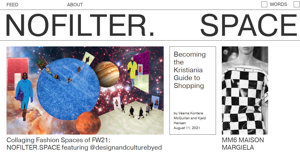
- Age-shaming er en trussel for arbeidslivetkunnskap-kristiania / 2023 / 04 / age-shaming-er-en-trussel-for-arbeidsmiljoetKUNNSKAP KRISTIANIA: Aldersdiskriminering Når du hører om aldersdiskriminering, tenker du kanskje på urettferdig eller dårlig behandling av eldre i arbeidslivet. Det er ikke så rart, fordi det har vært mye oppmerksomhet rettet mot aldersdiskriminering av eldre og hvilke negative konsekvenser dette har. Samtidig viser forskning at også unge voksne, definert som mennesker i slutten av 20- og starten av 30-årene, opplever fordommer og negative holdninger knyttet til alder. Vi mener det er mye å hente dersom en ser på hvilke styrker og kompetanser som trengs i dagens arbeidsmarked – fremfor hvilken alder de ansatte bør ha. Age-shaming – å bli sett på som for ung Age-shaming innebærer at unge voksne opplever diskriminering og negative holdninger knyttet til alder. For eksempel at unge arbeidstakere betegnes som «for unge», med mindre erfaring og dermed også med mindre kompetanse til å løse arbeidsoppgavene sine. Disse holdningene og fordommene er ikke bare skadelige for individet som rammes, men for hele organisasjonen. Hva går vi glipp av i arbeidslivet hvis disse holdningene fortsetter å regjere uten at vi er bevisst på dem? Er det en fare for at det blir en selvoppfyllende profeti? Alder sier lite om kompetanse Vårt utgangspunkt er at alder sier svært lite om hvilke styrker og hvilken type kompetanse et menneske besitter. For hva er egentlig kompetanse, hva er styrker – henger dette sammen med alder? Kompetanse defineres som « evner og ferdigheter som er nødvendige for å nå et bestemt mål» og kan opparbeides gjennom blant annet erfaring og utdanning. Fagspesifikk kompetanse, sosial kompetanse og teknologisk kompetanse er ulike former for kompetanse. Hvilke kvaliteter trengs for å nå målet? For å kunne si om noen har høy eller lav kompetanse, må man starte med å se nærmere på oppgaven eller målet med oppgaven man skal løse. Lang erfaring kan i mange tilfeller føre til god kompetanse på et område, men tilsier ikke nødvendigvis riktig kompetanse for måloppnåelse. Når vi snakker om riktig kompetanse for måloppnåelse, spiller også et begrep som styrker inn. Styrker er underliggende kvaliteter som gir oss energi, bidrar til personlig utvikling og gir grunnlag for mestring. Eksempler på styrker er kreativitet, empati, samarbeid og effektivitet. Når vi bruker styrkene våre bidrar det til gode resultater og engasjement på arbeidsplassen. Det er gjort undersøkelser av sammenhengen mellom alder og styrker, eksempelvis alder og kreativitet. Det er ingen klar korrelasjon mellom alder og kreativitet. Selv om det for eksempel finnes studier som indikerer at eldre kan ha lavere digital kompetanse, er ikke dette nok til at en kan skjære alle over en kam, og si at alle eldre har lav digital kompetanse. Som vi argumenterte for innledningsvis, er det heller aktuelt å se på hvilke styrker og kompetanser som trengs i dagens arbeidsmarked – fremfor hvilken alder de ansatte bør ha. Går glipp av verdifull kompetanse Dagens arbeidsliv preges av endringspress og komplekse problemstillinger. Kreativitet, samarbeid, innovasjonsevne og problemløsningsevne anses som svært ettertraktete styrker og kompetanser for organisasjoner som skal løse de problemstillingene vi står overfor. Forskning viser også at innsats, utholdenhet og lidenskap er like viktig som IQ i mange sammenhenger. Det er lite som tyder på at disse evnene kan knyttes til alder. Derimot kan age shaming føre til at vi går glipp av verdifulle styrker og kompetanser vi gjerne skulle dratt nytte av i arbeidslivet. Selvoppfyllende profeti Vi vet at holdningene våre ofte påvirker adferden vår. Pygmalioneffekten, som også er kjent som «selvoppfyllende profeti», gir en forklaring på hvordan forventingene våre styrer hvordan vi opptrer og påvirker utfallet av hendelser. Dersom du har negative forventinger, påvirker det hva du legger merke til rundt deg, og bevisst eller ubevisst handler du deretter. La oss si at en senior i en organisasjon ser på en junior som mindre kompetent eller som lite kreativ. Da vil muligheten for at senioren lærer noe av junioren være dårligere, samtidig som junioren kan få negativ selvoppfattelse av egne evner. Det kan gjøre at junioren eksempelvis ikke tør å stille spørsmål, eller uttrykke egne meninger og ideer i frykt for å bli oppfattet som uvitende. Age-shaming er negativt for arbeidsmiljøet Lite hemmer organisasjoners og individers læringsprosess så mye som frykt. Og motsatt; hvis kulturen og arbeidsmiljøet er preget av psykologisk trygghet, noe som innebærer at individer opplever det som trygt å ta risiko for eksempel ved å stille spørsmål, være uenig og uttrykke egne meninger, vil det kunne fremme læring, innovasjon og et mangfold av perspektiver. Age shaming kan true arbeidsmiljøet og den psykologiske tryggheten fordi individer blir usikre på egen kompetanse, og derfor unngår å stille spørsmål og uttrykke sine meninger. For å lykkes med å møte de komplekse problemstillingene og endringspresset i organisasjoner, må vi få bukt med negative holdninger og fordommer knyttet til alder. Så hva kan vi gjøre for å håndtere, og forhåpentlig redusere, age shaming på arbeidsplassen? Tre tiltak mot age-shaming Vil vil løfte fram tre tiltak som kan bidra til å minske age shaming på arbeidsplassen: Vær bevisst egne holdninger Har du kanskje en kollega du opplever som «for ung»? Holdninger våre er tillært gjennom våre erfaringer og de påvirker hvordan vi opptrer i ulike situasjoner og hvordan vi møter andre mennesker. Hvis du er bevisst din holdning og i tillegg vet at alder og kompetanse ikke nødvendigvis hører sammen, har du mulighet til å lære noe og samarbeide godt med den «for unge» kollegaen din. Møt hverandre som deltakere gjennom dialog Den norske filosofen Hans Skjervheim bruker begrepene deltaker og tilskuer når han snakker om hvordan vi kan møte andre mennesker gjennom dialog. Ser du på den «for unge» kollegaen din som en deltaker, da er du åpen og nysgjerrig på vedkommedes meninger og retter oppmerksomheten mot dem. Du kan likevel ha egne meninger, som du inviterer kollegaen din til å være enig eller uenig i. Gjennom dialogen møter vi hverandre som likeverdige deltakere der alle har noe å lære av hverandre. Frem god læringsholdning Læringsholdning defineres som en prosess der man stiller spørsmål, reflekterer og stiller seg åpen for feedback. Dersom de ansatte i organisasjonen føler seg trygge til å gjøre dette, vil sannsynligheten for at de lærer mer av hverandre være til stede. Man kan fremme læringsholdning i et team eller i en organisasjon ved å stille spørsmål til hverandre og se hverandre som kompetente mennesker med ulike styrker og perspektiver. Du bør derfor være nysgjerrig på den unge kollegaen din sitt perspektiv. Alle har noe å lære av hverandre I et bærekraftig arbeidsliv bør vi etterstrebe å møte hverandre som likeverdige deltakere, med ulike styrker, kompetanse og erfaringer og kompetanser. Vi har alle noe å lære av andre som er ulike oss selv. Denne teksten er også publisert på forskning.no den 26. april 2023 under tittelen Age shaming er en trussel for arbeidsmiljøet , på Nettavisen den 29. april 2023 under samme tittel og i HR-magasinet den 23. mai 2023 under samme tittel . Vi vil gjerne høre fra deg! Send spørsmål og kommentarer til artikkelen på e-post til kunnskap@kristiania.no. Referanser Binnewies, C., Ohly, S., & Niessen, C. (2008). Age and creativity at work: The interplay between job resources, age and idea creativity. Journal of Managerial Psychology , 23 (4), 438-457. Brook, J., & Brewerton, P. (2016). Optimize Your Strengths: Use your leadership strengths to get the best out of you and your team . John Wiley & Sons. Collins, M. H., Hair, Jr, J. F., & Rocco, T. S. (2009). The older‐worker‐younger‐supervisor dyad: A test of the Reverse Pygmalion effect. Human resource development quarterly , 20 (1), 21-41. Duckworth, A. (2017). GRIT Lidenskapen og standhaftighetens kraft. Cappelen Damm. Littman-Ovadia, H., Lavy, S., & Boiman-Meshita, M. (2017). When theory and research collide: Examining correlates of signature strengths use at work. Journal of Happiness Studies , 18 , 527-548. Edmondson, A. (1999). Psychological safety and learning behavior in work teams. Administrative science quarterly , 44 (2), 350-383. OECD. (2005). The definition and selection of key competencies - Executive Summary, fra http://www.oecd.org/pisa/35070367.pdf. Raymer, M. , Reed, M. , Spiegel, M. & Purvanova, R. K. (2017). An Examination of Generational Stereotypes as a Path Towards Reverse Ageism. The Psychologist-Manager Journal, 20 (3), 148-175. doi: 10.1037/mgr0000057. Skjervheim, H. (1976) Deltakar og tilskodar og andre essays. Oslo: Johan Grundt Tanum Forlag. Weinert, F. E. (2001). Concept of competence: A conceptual clarification. In D. S. Rychen & L. H. Salganik (Eds.), Defining and selecting key competencies (pp. 45–65). Kirkland, WA: Hogrefe & Huber. World Economic Forum, V. (2020). The future of jobs report 2020. Retrieved from Geneva . Denne teksten er også publisert på forskning.no den 26. april 2023 under tittelen Age shaming er en trussel for arbeidsmiljøet og på Nettavisen den 29. april 2023 under samme tittel .
- Fra interiørinteressert til egen bedriftaktuelt / 2026 / 09 / fra-interiorinteressert-til-egen-bedriftI dag driver Marita sin egen bedrift, Farge & Design , og jobber med fargerådgivning, interiørdesign og styling. I tillegg tar hun konsulentoppdrag for en entreprenør og et selskap som jobber med 3D-visualisering. For å styrke kompetansen sin valgte Marita å ta det fleksible nettemnet Interiørdesign og boliginnredning ved Fagskolen Kristiania. – Selv om jeg allerede har utdanning og lang erfaring innen interiør, utvikler faget seg hele tiden. Du kan aldri få nok kunnskap og erfaring, forteller hun. Veien til interiørbransjen startet med en interesse som har vært der helt siden barndommen. Normal 0 false 21 false false false NO-BOK X-NONE AR-SA /* Style Definitions */ table.MsoNormalTable {mso-style-name:"Vanlig tabell"; mso-tstyle-rowband-size:0; mso-tstyle-colband-size:0; mso-style-noshow:yes; mso-style-priority:99; mso-style-parent:""; mso-padding-alt:0cm 5.4pt 0cm 5.4pt; mso-para-margin-top:0cm; mso-para-margin-right:0cm; mso-para-margin-bottom:8.0pt; mso-para-margin-left:0cm; line-height:115%; mso-pagination:widow-orphan; font-size:12.0pt; font-family:"Aptos",sans-serif; mso-ascii-font-family:Aptos; mso-ascii-theme-font:minor-latin; mso-hansi-font-family:Aptos; mso-hansi-theme-font:minor-latin; mso-font-kerning:1.0pt; mso-ligatures:standardcontextual; mso-fareast-language:EN-US;} Interiørgleden startet på barnerommet Interessen for interiør startet tidlig for Marita. Som barn brukte hun mye tid på å ommøblere rommet sitt og finne kreative måter å forandre omgivelsene på. Farger, former og det å skape noe eget har fulgt henne gjennom hele livet. – Jeg malte kunstneriske figurer og mønster på vegger og dører, til mine foreldres store fortvilelse. Jeg husker også at jeg fargela ark, klipte rysjer og limte det på bokhyllen min. Senere ble den kreative interessen til en karriere. Gjennom arbeidslivet har Marita jobbet med blant annet møbler, retail design, interiørdesign og boligbransjen. Hun har nå lang erfaring med å hjelpe kunder med farge- og materialvalg, utvikle interiørkonsepter og finne gode løsninger for ulike typer hjem og boliger. Marita bruker både erfaring og ny fagkunnskap når hun veileder kunder i valg av farger og materialer. Ville styrke kompetansen innen interiør Da Marita skulle velge et studium, var det viktig for henne at det var fleksibelt og at det kunne bygge videre på kompetansen hun allerede hadde. – Jeg ønsket mer faglig tyngde og å kunne vise til studiepoeng og karakterer. Selv med mange års erfaring er det viktig å fortsette å utvikle seg og holde seg oppdatert. Valget falt på det fleksible nettemnet Interiørdesign og boliginnredning ved Kristiania, som har oppstart hver dag. – Det er flere aktører på markedet, men jeg opplever Kristiania som en seriøs aktør. Emnet ga meg akkurat den oppfriskningen og oppdateringen jeg ønsket. Samtidig fikk jeg en faglig trygghet som jeg har tatt med meg videre inn i arbeidslivet. Normal 0 false 21 false false false NO-BOK X-NONE AR-SA /* Style Definitions */ table.MsoNormalTable {mso-style-name:"Vanlig tabell"; mso-tstyle-rowband-size:0; mso-tstyle-colband-size:0; mso-style-noshow:yes; mso-style-priority:99; mso-style-parent:""; mso-padding-alt:0cm 5.4pt 0cm 5.4pt; mso-para-margin-top:0cm; mso-para-margin-right:0cm; mso-para-margin-bottom:8.0pt; mso-para-margin-left:0cm; line-height:115%; mso-pagination:widow-orphan; font-size:12.0pt; font-family:"Aptos",sans-serif; mso-ascii-font-family:Aptos; mso-ascii-theme-font:minor-latin; mso-hansi-font-family:Aptos; mso-hansi-theme-font:minor-latin; mso-font-kerning:1.0pt; mso-ligatures:standardcontextual; mso-fareast-language:EN-US;} Studerte ved siden av jobb og familieliv Som trebarnsmor med fulltidsjobb var fleksibilitet i studiet avgjørende. – Det beste med nettstudier er at du kan planlegge studietiden selv. Det gjorde det mulig å kombinere studier med både jobb og familieliv. For å få studiene til å passe inn i hverdagen, laget hun en plan for hver uke. I Canvas fikk hun oversikt over fagstoffet og oppgavene som skulle gjøres, og kunne planlegge studietiden ut fra resten av uka. Et utvalg bilder fra prosjekter og arbeidshverdagen Normal 0 false 21 false false false NO-BOK X-NONE AR-SA /* Style Definitions */ table.MsoNormalTable {mso-style-name:"Vanlig tabell"; mso-tstyle-rowband-size:0; mso-tstyle-colband-size:0; mso-style-noshow:yes; mso-style-priority:99; mso-style-parent:""; mso-padding-alt:0cm 5.4pt 0cm 5.4pt; mso-para-margin-top:0cm; mso-para-margin-right:0cm; mso-para-margin-bottom:8.0pt; mso-para-margin-left:0cm; line-height:115%; mso-pagination:widow-orphan; font-size:12.0pt; font-family:"Aptos",sans-serif; mso-ascii-font-family:Aptos; mso-ascii-theme-font:minor-latin; mso-hansi-font-family:Aptos; mso-hansi-theme-font:minor-latin; mso-font-kerning:1.0pt; mso-ligatures:standardcontextual; mso-fareast-language:EN-US;} Praktisk læring, også på nett Undervisningen i Canvas bestod av en kombinasjon av teori, videoer, faglige gjennomganger og praktiske oppgaver. – Det var en fin blanding av skriftlig og muntlig undervisning. Noe av undervisningen ble filmet ute hos leverandører og butikker, hvor fagpersoner presenterte materialer, møbler og produkter. Det føltes litt som å være der selv, og gjorde læringen mer levende. Det kunne nesten oppleves som at man var der fysisk. Det var en fin variasjon i studiet. De praktiske oppgavene tok ofte utgangspunkt i realistiske problemstillinger. – Vi jobbet blant annet med fiktive kundeprosjekter der vi skulle gjennomføre behovsanalyser, lage tegninger og begrunne material- og fargevalg. Det opplevdes som veldig relevant for arbeidslivet. Normal 0 false 21 false false false NO-BOK X-NONE AR-SA /* Style Definitions */ table.MsoNormalTable {mso-style-name:"Vanlig tabell"; mso-tstyle-rowband-size:0; mso-tstyle-colband-size:0; mso-style-noshow:yes; mso-style-priority:99; mso-style-parent:""; mso-padding-alt:0cm 5.4pt 0cm 5.4pt; mso-para-margin-top:0cm; mso-para-margin-right:0cm; mso-para-margin-bottom:8.0pt; mso-para-margin-left:0cm; line-height:115%; mso-pagination:widow-orphan; font-size:12.0pt; font-family:"Aptos",sans-serif; mso-ascii-font-family:Aptos; mso-ascii-theme-font:minor-latin; mso-hansi-font-family:Aptos; mso-hansi-theme-font:minor-latin; mso-font-kerning:1.0pt; mso-ligatures:standardcontextual; mso-fareast-language:EN-US;} Kunnskap som brukes hver dag – Jeg bruker både teori og praktiske metoder i arbeidet mitt. Alt fra kundedialog og behovsanalyser til tegninger, presentasjoner og materialvalg. Hun trekker også frem økt bevissthet rundt bærekraftige løsninger. – Jeg har blitt mer opptatt av miljø, varige materialvalg og multifunksjonelle løsninger som fungerer både i dag og i fremtiden. Det er veldig aktuelt i en tid hvor mange ønsker å redusere bruk-og-kast-mentaliteten. Nå som Marita driver for seg selv, har studiet gitt henne enda mer trygghet i oppdragene hun tar på seg. Du kan følge hennes prosjekter og interiør-hverdag på Instagram her: @fargeogdesign Normal 0 false 21 false false false NO-BOK X-NONE AR-SA /* Style Definitions */ table.MsoNormalTable {mso-style-name:"Vanlig tabell"; mso-tstyle-rowband-size:0; mso-tstyle-colband-size:0; mso-style-noshow:yes; mso-style-priority:99; mso-style-parent:""; mso-padding-alt:0cm 5.4pt 0cm 5.4pt; mso-para-margin-top:0cm; mso-para-margin-right:0cm; mso-para-margin-bottom:8.0pt; mso-para-margin-left:0cm; line-height:115%; mso-pagination:widow-orphan; font-size:12.0pt; font-family:"Aptos",sans-serif; mso-ascii-font-family:Aptos; mso-ascii-theme-font:minor-latin; mso-hansi-font-family:Aptos; mso-hansi-theme-font:minor-latin; mso-font-kerning:1.0pt; mso-ligatures:standardcontextual; mso-fareast-language:EN-US;} Stolt av det hun har fått til Når Marita ser tilbake på studieperioden, er hun stolt av at hun fikk studiene til å gå opp med resten av livet. – Jeg er stolt over at jeg klarte å kombinere fulltidsjobb, familieliv og studier, samtidig som jeg oppnådde et godt resultat. Og ikke minst: – Det at jeg har startet min egen bedrift, Farge & Design, er jeg veldig stolt av. Maritas tips til deg som vurderer å studere på nett Å kombinere studier med jobb og familieliv kan være krevende, men Marita mener det er fullt mulig. Her er hennes beste tips: Ikke vent på det perfekte tidspunktet. Det passer sjelden hundre prosent inn i en travel hverdag. Er motivasjonen og viljen der, er det bare å hoppe i det. Planlegg tiden din. Se på hva som skal gjennomføres den kommende uken, slik at du får en oversikt over hvor mye tid du trenger å sette av. Sett av nok tid til praktiske oppgaver. Noen oppgaver krever mer forberedelse og gjennomføring enn du kanskje tror. Planlegg derfor gjerne med litt ekstra tid. Finn en studierutine som passer deg. En av fordelene med nettstudier er fleksibiliteten. Bruk den til å tilpasse studiene til din egen hverdag. Vil du utforske interiørfaget? Enten du vil bygge videre på erfaringen du allerede har, eller er nysgjerrig på interiørfaget, kan et fleksibelt nettemne være en fin start. Her kan du lese mer om våre fire fleksible interiøremner på nett: Interiørdesign og boliginnredning 3D-modellering og interiørprosjekter Styling og interiørkonsepter Interiørtrender gjennom tidene Normal 0 false 21 false false false NO-BOK X-NONE AR-SA /* Style Definitions */ table.MsoNormalTable {mso-style-name:"Vanlig tabell"; mso-tstyle-rowband-size:0; mso-tstyle-colband-size:0; mso-style-noshow:yes; mso-style-priority:99; mso-style-parent:""; mso-padding-alt:0cm 5.4pt 0cm 5.4pt; mso-para-margin-top:0cm; mso-para-margin-right:0cm; mso-para-margin-bottom:8.0pt; mso-para-margin-left:0cm; line-height:115%; mso-pagination:widow-orphan; font-size:12.0pt; font-family:"Aptos",sans-serif; mso-ascii-font-family:Aptos; mso-ascii-theme-font:minor-latin; mso-hansi-font-family:Aptos; mso-hansi-theme-font:minor-latin; mso-font-kerning:1.0pt; mso-ligatures:standardcontextual; mso-fareast-language:EN-US;}
- How Business is Accelerating Toward a Fairer Futurekunnskap-kristiania / 2020 / 12 / how-business-is-accelerating-toward-a-fairer-futureKNOWLEDGE @ KRISTIANIA: Sustainability COVID-19 has created a health and economic crisis that has put pressure on companies to embrace their broader responsibilities and to become fairer and more conscientious. The interesting question here is whether companies will adapt to meet these new expectations, or will they tend to stick to old ways of working? Read also: Kunnskap Kristiania 2020/2021 (E-magazine). By looking at how pre-COVID trends have accelerated in the crisis and the responses of people and business to constraint and opportunity, we foresee that companies will have to take on three inter-connected imperatives in the future: Develop a balanced stakeholder perspective. Define and deliver a clear purpose that enables agility. Encourage the participation of employees, partners and citizens in co-creating the future. Read also: Treating consumers as citizens Death of shareholder primacy Since the publication of Milton Friedman’s polemic article, The social responsibility of business is to increase its profits , in 1970, in which Friedman railed against the ‘fundamentally subversive doctrine’ that organizations should be diverted from their primary responsibility to shareholders as ‘pure and unadulterated socialism’, shareholder primacy has been the dominant corporate governance model . However, over the years, the limitations of shareholder primacy have been questioned and challenged both in terms of ethics and effectiveness. In its stead, the stakeholder perspective has been put forward as an alternative. This view has countered the pure focus on shareholders and argued that companies have a responsibility to meet the interconnected needs of all stakeholders. Read also: The Rise of Generation Co The purpose is to engage all stakeholders Just before the pandemic, support for stakeholder theory had been gaining momentum. In August 2019, the Business Roundtable, which brings together the CEOs of some of the largest US companies, having long supported shareholder primacy, changed its mind and re-defined the purpose of the corporation to an explicit stakeholder perspective . Then in December 2019, the World Economic Forum published its stakeholder based 2020 Manifesto, in which it argued that ‘the purpose of a company is to engage all its stakeholders in shared and sustained value creation.’ With the onset of COVID, some of those companies that signed up to a stakeholder view, quickly reverted back to thinking about shareholders first and foremost . However, the stakeholder perspective was given an extra fillip as many companies recognized the need to ensure the safety and well-being of employees and customers, and to contribute to society . For example, in May 2020, dairy producer, Danone announced its commitment to become the first listed Enterprise à Mission company in France. This new structure creates a legal, and externally validated, obligation for Danone to align its business purpose with long-term objectives and to meet the needs of customers, employees, partners and communities. Similarly, wireless carrier, Verizon Communications has understood its responsibility to its stakeholders. The company has avoided furloughing its 135,000 employees and has enhanced compensation for engineers and other staff performing essential services. Verizon has pledged not to end contracts for customers who can’t pay. Notably , Forbes, rates Verizon number 1 in its list of the 100 largest employers among U.S. public companies in terms of response to the public health crisis. Read also: What are the long-term economic consequences of pandemics? The need for a clear purpose and agility The idea that companies should have a clearly defined purpose is hardly new. Yet, it is one thing to have a purpose and something else, to integrate it into actions. What COVID has brought to the fore is the value of purpose as an enabler of agility. A well-defined and shared purpose, which aims to meet stakeholders’ needs in a conscientious way, provides a powerful lens for agile strategic decision-making. Take the software company SAP and its purpose to ‘help the world run better and to improve people’s lives.’ SAP’s purpose grew organically from the more business-centric, ‘help the world run better,’ to a broader recognition of the company’s role and the imperatives of the UN’s Sustainable Development Goals (SDG), which have helped the company to focus hundreds of programs and initiatives down to seven SDG aligned themes that can contribute to ‘and to improve people’s lives’. SAP’s purpose comes to life through the way its strategy is structured around its core capabilities, activity programs, partnerships with commercial organizations and NGOs, and products that deliver results. At the onset of the crisis, SAP leveraged on its core cloud computing capabilities to help tackle some of the key challenges. For instance, it produced an App in just two days for the German Federal Foreign Office to co-ordinate the repatriation of 120,000 people stranded overseas during the emergence of the crisis. Another initiative was the development of a cloud-based application for the City of Hamburg and its development bank, to enable the rapid and secure disbursal of funds to small businesses and the self-employed. These initiatives came naturally to SAP, as they aligned with its corporate purpose and leveraged on its core capabilities, which allowed managers and developers to be agile as circumstances changed . Read also: Heroes on the edge of burnout The rise of co-creation The pandemic has emphasized the value of wide networks where knowledge and expertise can be shared. To solve the problem of shortages of personal protection equipment, hygiene products and medical equipment, companies and individuals have come together to build innovative solutions together. For example, engineering company, Bosch and Randox Laboratories, built on an existing relationship and used the knowledge and skills of a diagnostics company and distribution partners to launch a fully automated, fast and user-friendly COVID test within 6 weeks . By contrast a more organic, co-creative approach emerged in Spain where Coronavirus Makers – a network of companies and individuals came together to jointly design, produce and distribute the required material for health institutions to fight COVID. Since March 2020, the network of 20,000 partners has produced and distributed more than half a million items of individual protection equipment (PPE), including masks and artificial respirators . Read also: Government Coercion Backfires in Fighting COVID-19 Conscientious organizations It’s easy to be seduced by the rhetoric around stakeholders, purpose and co-creation. Yet, go beyond the groundswell of claims and you can find companies that have embedded a purposeful and participative approach to creating value for all stakeholders. These resilient businesses are in a good position to tackle the challenges of COVID, because they recognize their broader responsibilities to humanity and have the partnerships in place to act with agility. The same attributes will be essential in a post COVID world where there will be heightened expectations of business to act in a conscientious way. References: This article is previously published as an Insigt article in California management Review on August 20, 2020 . This article is also published in Kunnskap Kristiania 2020/2021 . Kunnskap Kristiania is a science Communication Magazine published by Kristiania University College. Text: Professor Nicholas Ind, Department of Economics and Innovation at Kristiania University College, Professor Oriol Iglesias at Universitat Ramon Llull, ESADE and Associate Professor Stefan Markovic at Copenhagen Business School.
- Mange opplever sorg når barna flytter hjemmefrakunnskap-kristiania / 2024 / 05 / mange-opplever-sorg-nar-barna-flytter-hjemmefraKUNNSKAP FRA KRISTIANIA: Klinisk psykolog Lars Dehli om tomt rede-syndromet Jeg var en gang i butikken i Costa Rica for å kjøpe bleier. Der møtte jeg en amerikaner jeg hadde surfet med den morgenen. Han spurte om jeg ble med ut igjen i bølgene i solnedgangen. Jeg svarte nei, jeg var «on duty» med en baby og en 3-åring. «Aha, you’re in the trenches», svarte han – jeg var i skyttergraven. Han sa at barna hans hadde flyttet hjemmefra og at han var «home free». De fleste som har vært sliten forelder til småbarn, har vel trøstet seg med at det er en midlertidig fase; om ikke mange år kler de på seg selv, smører matpakka si sjøl og æ skal færra te Mexico tralala. Å, ja, først kommer de hormonelle tenårene med praten om blomster og bier, kvisekrem og henting av fulle poder på suspekte fester. Men etter det, DA! Sorgen når barna flytter ut I tjue år har du dedikert livet ditt til å oppfostre et par varianter av deg selv. Når avskjeden er gjort og lillemor reiser til New Zealand, sitter mange igjen med en følelse av tomhet og savn. Etter kontinuerlig kontakt døgnet rundt i årevis, er du kanskje heldig om du får et par meldinger og en telefonsamtale i løpet av uka. De fleste foreldre legger merke stillheten nesten umiddelbart. De kan føle seg forlatt og opplever over natten et tap av identitet som ligner andre store endringer, som skilsmisse eller overgang til pensjon. Faktum er at så mange som 40 prosent av foreldre opplever det såkalte empty nest syndrome når det siste barnet forlater redet. Dette er ikke en klinisk diagnose, men kan beskrives som en type sorgreaksjon. Kvinner er noe mer sårbare for dette enn menn. Det er en naturlig emosjonell reaksjon på en overgangsperiode i livet. Alternativet; å ha en noen-og-20-åring som bor i kjelleren og spiller World of Warcraft døgnet rundt, er neppe å foretrekke. Stabile, sunne bånd gjør det lettere Det er naturlig for barn å forlate foreldrehjemmet når de har nådd en modenhet. Overgangen er ikke så ille, hvis foreldrene har bygget et stabilt og sunt bånd med barnet sitt. På den annen side, hvis forelderen og barnet hadde et forhold preget av konflikt, avstand, fiendtlighet eller bitterhet, kan både forelder og barn oppleve følelsesmessig uro etter at barnet har flyttet hjemmefra. Det beste utfallet er et trygt og meningsfullt forhold og gjensidig støtte. En positiv relasjon med trygghet, støtte og ubetinget kjærlighet gir alle parter en god sjanse til sunn interaksjon, noe som er nødvendig for unge voksne som beveger seg mot uavhengighet, og for foreldre som blir eldre. Fordeler med et tomt rede Barnas farvel er en mulighet til å omorganisere livet etter endt oppdragelse. Nå kan det dreie seg mer rundt voksne behov. Mens foreldre savner barna sine, kan de også føle en lettelse fra hverdagens ansvar med barnestell og kjøring hit og dit. De har frihet til å oppdatere eller fornye egen identitet. Avhengig av kvaliteten på parforholdet, kan de nyte økt intimitet og ha mer tid til å utforske både felles og separate interesser, enten det er å lære seg italiensk, begynne på MMA, eller fordype seg i tantrisk sex. Hvordan håndtere den nye livsfasen? Mennesker føler mindre bekymring for fremtiden hvis de ser foreldrerollen, som gjerne er altomfattende en periode, som en del av en større livstidsidentitet. En slik erkjennelse bidrar til å mildne følelsen av tomhet ved å tillate voksne å ta opp igjen deler av identiteten som kanskje ble forsømt mens de var småbarnsforeldre, for eksempel forholdet til partneren. De kan få nye roller og interesser i det neste kapittelet i livet. Oppgaven til foreldre med utflyttede barn er å oppdatere sin identitet, å forme den fra å være forelder til et barn til å være forelder til et voksent barn; det er en tilpasning som kan ta tid. Mange mestrer overgangen bedre ved å holde kontakt med barnet. I dag er det gode muligheter for det via mange ulike plattformer. I tider med stress og ensomhet kan det også være nyttig å søke sosial støtte, spesielt fra andre foreldre i en lignende situasjon. I tillegg anbefales nøye egenomsorg – i form av en sunn diett, nok søvn, trening og avkobling. I stedet for å fokusere på barnets avreise, kan du flytte oppmerksomheten til hobbyer, reiser, vennskap og egne karriere- eller utdanningsmål. En ny livsfase Når de umiddelbare, negative følelsene har lagt seg, vil de fleste foreldre redefinere sin rolle i livet. Mulighetene for å dyrke gamle og nye hobbyer er plutselig der igjen. Mange setter pris å danne et nytt, voksent bånd til sine barn. Om ikke mange år vil de fleste oppleve neste fase av livet, rollen som besteforeldre. Som psykoanalytikeren Erik Erikson beskriver, er denne livsfasen preget av enten kreativitet eller stagnasjon, der noen blir sittende fast i fortiden mens andre omfavner nye muligheter for utvikling. Neil Young synger treffende «it’s easy to get buried in the past when you try to make a good thing last». Ta en prat før barnet flytter Å be om tilbakemelding fra barnet ditt om familielivet før de flytter ut, litt som en oppsummerende samtale, kan legge grunnlaget for neste fase av foreldre-barn-forholdet. Spør dem om følelsene deres til familiens dynamikk – det positive, det negative og det blandete. Diskuter hva som gikk bra mens de vokste opp, og hva som kunne vært bedre. Prøv å forstå eventuelle bekymringer de måtte ha om familiens relasjoner uten å dømme. Lag en plan for hvordan dere skal holde kontakten og hvordan dere skal håndtere den nye avstanden mellom dere. Hva når barnet besøker «redet» igjen? Når det voksne barnet ditt vender hjem til redet, enten for et kort besøk eller et lengre opphold, kan de trenge hjelp til å tilpasse seg eventuelle endringer du har gjort i deres fravær. Det er for eksempel lurt å gjøre barnet obs på at du har gjort om det gamle soverommet deres til ditt nye kontor før det vender hjem. Det er nyttig å huske at de opplever sin egen overgang og lærer å håndtere livet med ny uavhengighet. Det er ofte en trøst for dem å tenke på hjemmet som en kilde til stabilitet i livet. Du kan hjelpe dem i overgangen ved å fortelle om fysiske endringer hjemme, dele det du kan om din nye hverdag, og gi dem tid til å finne seg til rette. Det hjelper også å avklare eventuelle nye forventninger du måtte ha nå som du ikke hadde da barnet ditt bodde hjemme. Finn måter å tilbringe kvalitetstid med barnet ditt, kanskje ved å dra nytte av kjente familietradisjoner eller felles interesser. Tekst: Lars Dehli, førstelektor, Institutt for pedagogikk, psykologi og juss, Kristiania. Denne teksten ble publisert på forskning.no den 13. mai 2024 under tittelen “ Mange opplever sorg når barna flytter hjemmefra.” Vi vil gjerne høre fra deg! Send spørsmål og kommentarer til artikkelen på e-post til kunnskap@kristiania.no .
- Designing as the Motor of Changekunnskap-kristiania / 2022 / 09 / designing-as-the-motor-of-changeKNOWLEDGE @ KRISTIANIA: Innovation There was a time was when the academics lived and worked in an ivory tower and sought to understand the world. Questions that academia sought to find answers to were: What are we? What do we do? Why do we do what we do? Some ventured further and tried to predict what may happen when we do something. The gaining of wisdom for its own sake was valued, and even supported by society. The dominant paradigm was explanatory research. Time though, does not stand still. And as Bob Dylan sang, “The Times They Are a-Changin'”. In a reversal of the Chinese curse, we are blessed to live in exciting times. The demands on academia is not just to understand and predict, but to improve and change. As Professor emeritus Geoff Walsham of Cambridge University put it: our mission is to make a better world. Making a better world Simply put, academia has a duty to contribute to society by working to make it better. This is especially vital for applied fields like Information Systems. Certainly there are multiple paths to achieving this goal. In this piece, we focus on one path that is built on designing innovative Information Technology artifacts for improving society and help building a sustainable future. Academic research can make significant contributions through at least two ways; 1) Partnering with practitioners through using proactive research methods and 2) Designing innovative artifacts. Partnering with practitioners The first way is through using proactive research methods, such as Design Science Research (DSR) that create new prescriptive knowledge through designing systems . This knowledge can be abstracted to more general class of the artifacts that are developed. For example, design principles abstracted from a system based on Internet of Things (IoT) for agriculture can also be transferrable to other systems based on IoT. By focusing on real societal problems, academic research can contribute to society. A specific Design Science Research method is Action Design Research (ADR) where an innovative artifact is designed in an organization (or networks of organizations) and is implemented and evaluated in one stage called Build, Intervention and Evaluation. Action Design Research is not possible without partnering with practitioners. Designing innovative artifacts The second way is designing innovative artifacts per se. An effective way is to encourage masters students to do so in their theses. Design oriented theses not only solve real problems faced by organizations, but also help organizations learn to deal with implementing organizational changes that always accompany technological interventions. The two ways described above are intricately interlinked, but are not the same. Design refers to the application of synthetic and analytic processes to plan and create new objects, and is often thought of in the same breath as creativity or invention. Design Science Research on the other hand is a research method with the primary aim of creating new knowledge such as methods and processes for developing arftifacts. It can indeed result in the production of beautiful, useful, and better artifacts. The methods and traditions of Design Science Research are rooted in what the Nobel Laureate Herbert Simon calls the science of the artificial. It is fundamentally a problem solving research paradigm that studies IT artifacts that are created by humans. Action-oriented as well as explanatory research While we are calling for designing as the motor of change, it is not to denigrate the importance of research for understanding, explanining and predicting. There is a synergestic relationship between the action-oriented paradigm and the explanatory research paradigm. Design is not what Professor Sandeep Purao of Bentley University, USA, insightfully terms “atheoretical tinkering”. The knowledge base that informs design comes from explanation research. The efficacy of the artifacts developed by design research is evaluated using methods of explanation research, and the developed knowledge contributes to the knowledge base. We emphasize that design is not value-free. The axiology of designed artifacts need to be critically examined. Consider persuasive or nudging systems that are widely used in, for example, getting people to lead healthy lives or adopt environmentally-friendly habits. The same technology can be used to nudge people to be aggressive or to believe in conspiracy theories. Ultimately though, societal impact, innovation and change comes through action. As Greta Thunberg tellingly sums up “hope does not come from words, hope only comes from action”. References: Hevner, S. T. March, J, Park and S. Ram, “Design Science in Information Systems Research”, MIS Quarterly , Vol. 28, No. 1, pp. 75-105, March 2004 M.K. Sein, O. Henfridsson, S. Purao, M. Rossi and R. Lindgren “Action Design Research”, MIS Quarterly , 35(1), 37-56, March 2011 Herbert A. Simon, Sciences of the Artificial , third edition, MIT Press, 1996) About IDEAS Lab The mission of the IDEAS Lab (Innovation and Digitalization for Enterprises and Society Laboratory) at Kristiania University College is to increase the skills and awareness of students and the general public through offering courses in state-of-the-art technologies focusing on digitalization, sustainability, enterprise systems, and data analytics. The lab also provides an arena where business experts meet students and the public, and hold open seminars to discuss business and technology related issues, projects, and debates. The Lab provides free certification courses to students and the public, and provides free exams to students, and vastly discounted exams to the public with a symbolic fee. Examples of topic areas that the lab’s affiliated researchers conduct research on illustrate how cutting-edge technology is being explored to address important societal issues that is relevant for practice. One is Gamification: technology developed on the concept of games which can be applied to learning and training contexts. Another area is Persuasive technologies where researchers examine how technologies such as mixed reality (integrating types of virtual technology) can be leveraged to make individuals make healthy or sustainable choices. Lab Director: Professor Moutaz Haddara Web page: www.ideaslab.no We would love hearing from you: Send your comments and questions regarding this article by e-mail to kunnskap@kristiania.no .

- Adidas’ Back to the Future Strategykunnskap-kristiania / 2020 / 04 / adidas-back-to-the-future-strategyKNOWLEDGE @ KRISTIANIA: Brand Strategy The orientation when formulating strategy is to look forwards – to think where we need to be 3 years or 5 years ahead. Yet, it is only possible to implement strategies when they are seen to be authentic by employees and other stakeholders and when they build on the distinctive capabilities of the organization. To explore this need to understand the past when planning for the future, we conducted an in-depth study of the sports brands, adidas. Adidas is an interesting case because of its long history and because it also consciously rejected its past with quite disastrous consequences. Read also: Co-creation of Brands The Adidas Story Adidas, dates back to 1924 when it was known as the Gebrüder Dassler Schuhfabrik. It was started by shoe-maker and keen sports enthusiast Adi Dassler and his brother Rudolf. From the early days, it reflected Adi Dassler’s interests in sports and his approach to innovation which involved him in observing athletes, talking to them about their needs, and then experimenting with innovative ways of solving problems with new forms and materials. While it was a very successful business – with an athlete wearing Dassler spikes winning a gold in the 1928 Olympics and four times gold medal winner, Jesse Owens triumphing in the company’s shoes in the 1936 games in Munich – the second World War required that the company make army boots instead. Read also: Svetter ut kunnskap om kundene dine (in Norwegian) On its knees After the war, Adi and Rudolf fell out and went their separate ways, with Adi creating adidas and his brother, Puma. Adidas continued Adi’s philosophy of industrialised craftsmanship and focus on athletes, even as the company scaled up in size. By 1978, when Adi died, it was a billion dollar company with 4000 employees and dominated the world of sports shoes and clothing. Here though the company’s success unravelled. In a deliberate rejection of the past, the company set out on a new path, taking it into leisurewear and camping equipment. Adi’s extensive collection of sports shoes and his copious notebooks were put into storage and forgotten. Design and product quality deteriorated and employees were unclear as to the company’s direction. By 1990 the company was on its knees and the family sold the business. Read also: How crisis Zoomed us away from Skype Discovering a gold mine As the company spiraled downwards, its managers sought salvation in two former Nike employees called Rob Strasser and Peter Moore. On their first visit to adidas they were taken on a tour of a small museum. Peter Moore remembers, “It only took about 5 minutes in the museum before I realized that these people had nothing but a gold mine in their hands and that they really had no idea what they had.” Moore and Strasser could see what adidas managers could not – that the company had a rich history that could be drawn upon to create a new strategy to revitalize the company. Read also: Why consumers co-create Recovering from near bankruptcy They went back to Adi Dassler’s philosophy and developed a new range of performance products, called Equipment, that built on the brand’s history. Then they selected a few classic shoes from the adidas archive, updated them and sold them under the name Originals. In a 250 word memo to the board, Strasser and Moore noted, ‘Adidas Equipment will be complemented by Adidas Originals. These were the leading sports shoes of their time. They were the Adidas Equipment of the 60s and 70s, just as Adidas Equipment today will generate the originals of the year 2000.’ The move was remarkably prescient. Originals saved the company and such shoes as the Stan Smith and the Superstar are still on sale today. Recovering from near bankruptcy in 1989, by 1999 sales had recovered to €5.3 billion with profits of €398 million. Lyst til å forandre verden?: Ta en Master i Innovasjonsledelse History has come to play a central role However this is not just a story of a 30 year old turnaround. History has come to play a central role in adidas’s strategy. While it is one thing to uncover history, it is another to remember, curate and embed it. Adidas have realized this by rebuilding the company’s archive, building memory tools, producing a history book, creating a history management department and integrating the philosophy of Adi Dassler into its design of products and services. When it came to developing a new strategy in 2015, called Creating the New, that connection to the past was very evident. As Peter Moore told us,‘What Liedtke [Chief Marketing Officer] and Gaudio [global creative director] have done with the brand, which is more or less an extension and expansion of the strategy Rob and I presented way back, really shows the power and durability of the Adidas brand.’ Three lessons on the use of History Reflecting on all the interviews we conducted with long serving employees, the meetings we attended and the archival material we looked at, we concluded there were three important elements. First, you have to institutionalise the use of history. Particularly notable in the adidas case was the establishment of an active history management department that engaged itself in new product development. Second, outsiders can play an important role. While the value of the past wasn’t seen by insiders, it was very quickly realized by the former Nike managers, who saw things with new eyes. Third, strategies are only effective if they are implemented. And for that they need legitimacy. It was interesting when we interviewed those adidas employees who were there in 1990 and the emotional engagement that they had with a strategy that felt to them authentic. One of them told us, As funny as it sounds, I remember the goosebumps I had when they [Moore and Strasser] for the first time made me and many others really, really proud of where we work, and understand what a great brand it is.’ References: Iglesias, O., Ind, N., & Schultz, M. (2020). History matters: The role of history in corporate brand strategy. Business Horizons, 63(1), 51-60. Ind, N (2017): adidas: rediscovering the source of its success. Case Study. Oxford University Centre for Corporate Reputation. Photo: Adidas was established in 1924 by shoe-maker and keen sports enthusiast Adi Dassler (picture) and his brother Rudolf (Photo – Adidas). Text: Professor Nicholas Ind, Department of Economics and Innovation, Kristiania University College.
- The Rise of Generation Cokunnskap-kristiania / 2020 / 09 / the-rise-of-generation-coKNOWLEDGE @ KRISTIANIA: Nicholas Ind on Geberation Co We know different societies vary in terms of their orientation towards individualism (me) and collectivism (we), rooted in their histories, political systems and cultural values. We also know that the orientation—from Asian Confucianism to northern European social democracy to American individualism—has consequences in terms of social trust and cohesion. What we have seen, in the context of the COVID-19 crisis, is that wherever societies start from on the “me-we” continuum, there has been a movement towards the “we”. This is not universal: we can observe steps in the other direction, particularly by those who feel threatened by others who are seen to be somehow culpable for spreading the virus or for restraining individual freedom. Read also: Why consumers co-create Yet, what can be observed in the innumerable acts of kindness towards others, the willingness to raise funds for social causes, the commitment of health care professionals and service workers, and the ongoing concern for the well-being of friends and family, is a resurgence of “we”—the sense of a common humanity underpinning society. The question is, will this endure? Read also: Co-creating Brands with a Purpose Generation Co Our judgement is that Generation Co—a multi-generational cohort—will maintain its commitment to others. This will be expressed locally, face-to-face, as people work together to solve problems and seize opportunities in their community, and globally, primarily through online networks that can bring together people with shared interests and common passions—whether it be conscious fashion, sustainable food sourcing or climate change. Whereas, local versus global, has often been described in terms of oppositions (citizens of Somewhere against citizens of Nowhere), we view the global and local as co-existing in Generation Co. People are simultaneously embedded in local activities and part of global networks. Identity will increasingly be determined both by our Somewhere and Nowhere roles. There are three interconnected factors that support this. Read also: Making your knowledge more impactful The means to connect Philosophers, sociologists, psychologists and anthropologists give strong emphasis to the importance of being-with; being connected to others is essential for us. This is concerned both with frequency of contact and the depth of relationship, which in turn determines how emotionally connected we are and how altruistic we are to each other. The more open we are, the better we are able to empathize and to understand other people’s motivations and intentions. Ironically, while the COVID-19 crisis has created social distancing, it has also stimulated an awareness of the need for social connection. This has led to a realization of the importance of being with others, both physically in small groups, but also online through social media and the power of platforms such as Zoom and Teams. Whereas the former is very specifically local, online platforms allow for global connectivity. It is likely that this will continue. The effervescence of social life, which describes the buzz of being with others and the lingering sensation of joy afterwards, is a powerful incentive for people to connect and share. Taking responsibility If the dopamine generated by social connectedness provides people with the motivation to connect, collectivity enables them to effect change. As the philosopher Karl Popper observed, institutions cannot improve themselves—that is the responsibility of people. A powerful example of this, prior to the COVID-19 crisis, was the campaigning on climate change by Greta Thunberg. She is an apt example of Popper’s point, in that she took on the responsibility to improve the failings of institutions in terms of climate change. She did not start out on a global quest, but her organic, localized protest, amplified by media (social and otherwise) became global and highly influential. The crisis also generated local heroes, such as Capt Tom Moore, who at age 99, set out to complete 100 laps of his garden before his 100th birthday as a way to raise £1,000 for the National Health Service and ended up raising £32 million; and individuals who have contributed to collectives such as Coronavirus Makers, where some 20,000 people have designed, produced and distributed material for health institutions to fight COVID-19. As these examples demonstrate, spurred by perceived injustices, unfair practices or causes that need addressing, people will take responsibility for the world around them, independent of institutions. However, we might add that governments also play a role in sponsoring change. It was noteworthy, that the Dutch prime minister Mark Rutte also asked the young people of the Netherlands to help think about how the country should tackle the coronavirus crisis. Co-creating solutions that are participative and fair Rutte’s request was interesting, not least because it demonstrated a willingness to listen to citizens. For the greater good, governments have mandated behavioural change on a significant scale and overridden many of the concerns of citizens. As some of the constraints of COVID-19 begin to loosen, albeit falteringly, we would argue that Rutte’s response is the right one. Governments, institutions and businesses need to recognize that citizens want to play an active role in deliberating about their futures. Voters are adults, who expect to be part of a “grown-up” debate, not just individuals to be influenced to vote this way or that in computer-assisted, targeted communication. This doesn’t negate the role of government as an arbiter and influencer, but it does recognize the important role people can play in co-creating post-pandemic solutions that are participative and fair—and not dictated by narrow self-interest. In conclusion, overall our view is essentially optimistic. The Generation Co that has emerged in the crisis is cognizant of not only their connectedness to others, but their responsibility to shape their local and global environments for the common good. The power of a strong idea and the prevalence of social media also enables a cause to transcend the local and realize broader benefits. We foresee that wise governments will encourage this initiative and promote genuine democracy. We expect to see a new generation of more “conscientious” leaders arising from Generation Co, driven less by self-interest (or self-obsession) and more by a social compass. References: C. Hampden-Turner and F. Trompenaars: Building Cross-Cultural Competence: How to Create Wealth from Conflicting Values. Yale, Conn.: Yale University Press 2000. F. Fukuyama: Trust: the Social Virtues and the Creation of Prosperity . New York: the Free Press 1995. D. Goodhart: The Road to Somewhere: the Populist Revolt and the Future of Politics . London: C. Hurst & Co. 2017. Theresa May, the Prime Minister of the UK also used this theme at the 2016 Conservative party conference when she said, ‘… if you believe you are a citizen of the world, you are a citizen of nowhere. You don’t understand what citizenship means.’ C. Gamble. J. Gowlett and R. Dunbar: Thinking Big: How the Evolution of Social Life Shaped the Human Mind. London: Thames and Hudson 2018. D. C. Dennett: Darwin’s Dangerous Idea: Evolution and the Meanings of Life. New York: Simon and Schuster 1995. K. Popper: The Open Society and Its Enemies. Milton Park: Routledge 2002. This article is previously published as a blogpost on the web pages of Medinge Group on September 17, 2020 under the headline « Generation Co on Society: From me to we ». Text: Professor Nicholas Ind, Department of Economics and Innovation, Kristiania University College and Holger Schmidt. Photo: Generation Co influencing society. Illustration Photo by Priscilla Du Preez on Unsplash.
- Six common characteristics of a crisiskunnskap-kristiania / 2025 / 3 / six-common-characteristics-of-a-crisisSCIENCE NEWS FROM KRISTIANIA: Crisis communication We all know what a crisis is, right? Something that happens quite suddenly and often without much warning. This thinking is in line with most academic research that defines crises as events. They might be untimely and range in their severity from low to high, but they are typically assumed to be punctuated events that can be described in a well-structured crisis lifecycle. The conceptualisation of crises as reflecting isolated periods of time has been problematised for more than a decade This lifecycle includes pre-crisis opportunities for risk management, a trigger that causes the event, the short-term crisis event itself, and then the longer road to recovery and renewal. Certainly, this is exactly what a crisis is…except when it is not. Similarities and distinctiveness There are many crises that do not fit neatly into this lifecycle, like the climate crisis, Covid-19, or ongoing conflicts. In fact, these ‘other’ crises have been called more names than Kanye West: disasters, wicked problems, super wicked problems, societal-level crises, novel crises, or ongoing crises. When we think beyond the single event, we begin to realise that complex, longer-term crises are not new occurrences. In fact, the typical conceptualisation of crises as reflecting ‘isolated periods of time’ has been problematised for more than a decade. While these prolonged crises may have many of the properties commonly associated with crises, we assert that they are distinctive, meaning that we cannot think, act, or respond in the same way. Therefore, it is important to: 1. Define prolonged crises as a novel type of crisis or hazard 2. Compare events to prolonged crises Ripples, waves, and riptides as crisis metaphors So, how should we describe these bigger, more challenging, and certainly more complex crises? What are their core characteristics? Let us start with a shameless metaphor. When a bird swims across what looks to be a calm sea, it is unclear what lies beneath – whether the ripples in the water are caused by a bit of wind, a strong current, or a shark about to attack from below – because water can be deceptive to look at. More effective organisations prepare for these ripples, assuming that it might be more than the wind. There is uncertainty with the ripple – or the risks that practitioners have to manage. But generally, many practitioners are used to managing the day-to-day reputational crises connected to social media rumors, complaints, and the like. Durable or persistent crises create risk or harm at the societal level The wave, however, is clearly understood – the bigger the wave, the bigger and more powerful the break. Thinking of a wave as an event-driven crisis, there is a clear starting point. Practitioners and academics in the field of risk and crisis communication are used to looking for the signs of major crises or tsunami-sized ones caused by major transgressions or organisational events by using risk management or issues management approaches to manage the risks. Although the fields of risk and crisis communication/management clearly conceptualise the ‘wave’ of crisis, one thing made clear by the Covid-19 pandemic is the lack of conceptual development surrounding prolonged crises. There is an insufficient understanding of the riptide – where the water may look calm, but when people venture into it, the strength of the tide can threaten their lives. One of the features distinguishing ripples, waves, and riptides is their durable nature. Ripples and waves are temporary, no matter the size of their effects. Riptides tend to be persistent. While beach development often steers people towards the risk, more effective beach management can reduce the risk. The riptide is a strong metaphor for the prolonged crisis because prolonged crises are not temporary abnormalities, they are not episodic, and they cannot be defined as a passing moment of chaos. But the risk they pose can be managed. Comparing event crises to prolonged crises Most crises can be described based on six characteristics: Time Impact Geography Information management Change likelihood Blame attribution While all crises will have similar central concerns and questions, the nature of those questions will change depending on crisis type. In focusing on these six crisis characteristics, we can see some of the clear differences between event crises and prolonged crises (see figure below). Fact-based versus fear-based messages Effective information management is important during all crises. During prolonged crises, it is essential that governments and other organisations successfully disseminate fact-based and relevant information. That way they can mitigate the risks as much as possible and ensure support or compliance with recommendations and rules. Infodemics are caused by both a public misunderstanding of science as well as a contested space of information. During prolonged crises, bad-will actors also use highly emotional messaging – especially fear-based messaging – to mislead citizens about issues and policies. An event can mobilise action because fear is still manageable. In a prolonged crisis, the fear can become debilitating. Institutions that use fear-based messaging to respond to a prolonged crisis are likely to demotivate people from enacting self-protective behaviours. What organisations are blamed for in prolonged crises The question of blame in the context of a prolonged crisis is different from most event-based crises because the question of ‘who is to blame’ for the crisis is simply less relevant. This makes questions of blame potential more like disaster events. Blame considerations in prolonged crises center on the (in)effectiveness and (in)action of organisational response rather than on the cause of the event crisis. More importantly, organisations – especially governments – are more likely to be viewed harshly for failing to take action to mitigate the impact either through poor preparation or poor response. The new normal with prolonged crises Shifting our thinking about the role of fear is only the tip of the iceberg. It is well recognised that in the wake of event crises, organisations must often change to reduce risk, to avoid making the same mistake again, or even to build its crisis capacity. During and after prolonged crises, this may still be true, but the nature of prolonged crises means that there is likely a new status quo – a new normal. For example, post-Covid, the ways that many can and do prefer to work have changed. As workplaces tried to return to ‘normal,’ many found it difficult to get people back to pre-pandemic expectations. Why? Because prolonged crises are often associated with fundamental changes to work and consumer behaviour routines across individual, organisational, and societal levels. Steering with the wheel instead of reinventing it In the last of the shameless nautical puns, our argument is not that risk and crisis communication needs to start over when it comes to prolonged crises. In its brief history, research in risk and crisis communication has resulted in scores of different types of frameworks being developed and applied. We suggest there is no point in beginning from scratch with theory development and application in the field. We should be thinking of more innovative ways of applying theory to practice and experience. A contingency approach that focuses on a diagnostic approach to identify the factors most affecting a situation and design response strategy around those factors, might be a more agile and practitioner-friendly approach than relying on new and different frameworks. The most important guidance suggests that prolonged crises are daunting because of the increasing global interconnectedness of people via travel, media, economic systems, food/agriculture infrastructure, and access to information. This all means that the communication and engagement realities surrounding prolonged crises, like the Covid-19 pandemic, were unprecedented. Many mistakes were made. However, because of the pandemic, we are better equipped to understand that communication must be prioritised alongside the material crisis response (e.g., medical, emergency response, and/or policy making). Having the best policy or medical interventions simply do not matter if people do not know about them or are unwilling to follow that guidance. The real question is whether there is sufficient social, cultural, economic, and political will to better prepare for and respond to prolonged crises. That remains the biggest challenge. Reference: Diers-Lawson, A., & Omondi, G. (2024 – in press). Ripples, waves, and riptides: Reconceptualizing wicked, novel, and ongoing crises as prolonged crises. In B. Liu and A. Mehta (Eds.), Handbook of Risk, Crisis, and Disaster Communication. Routledge. Text: Audra Diers-Lawson, professor at School of Communication, Leadership and Organization, Kristiania University of Applied Sciences, and Grace Omondo, research fellow at School of Communication, Leadership and Organization, Kristiania University of Applied Sciences. This text was first published on forskning.no on the 13th of March 2025 with the title " Most crises can be described based on these six characteristics ". We love hearing from you! Send your comments regarding this article by e-mail to kunnskap@kristiania.no .

- Are we sure we really know what a crisis is?kunnskap-kristiania / 2024 / 11 / are-we-sure-we-really-know-what-a-crisis-isSCIENCE NEWS FROM KRISTIANIA: Risk communication We all know what a crisis is, right? Something that happens quite suddenly and often without much warning. This thinking is in line with most academic research that defines crises as events . They might be untimely and range in their severity from low to high, but they are typically assumed to be punctuated events that can be described in a well-structured crisis lifecycle. This lifecycle includes pre-crisis opportunities for risk management, a trigger that causes the event, the short-term crisis event itself, and then the longer road to recovery and renewa l . Certainly, this is exactly what a crisis is…except when it is not. There are many crises that do not fit neatly into this lifecycle , like the climate crisis, COVID-19, or ongoing conflicts. In fact, these other crises have been called more names than Kanye West ; disasters, wicked problems, super wicked problems, societal level crises, novel crises, or ongoing crises. When we think beyond the sin gle event, we begin to realize that complex longer-term crises are not new occurrences; in fact, the typical conceptualization of crises as reflecting isolated periods of time ha s been problematized for more than a decade. While these prolonged crises may have many of the properties commonly associated with crises, we assert they are distinctive , meaning that we cannot think, act, or respond in the same way . Therefore, it is important to: 1. Define prolonged crises as a novel type of crisis or hazard 2. Compar e e vents to prolonged c rises Ripples, w aves, and r iptides as c risis m etaphor So, how should we describe these bigger, more challenging, and certainly more complex crises? What are their core characteristics? Let us start with a shameless metaphor . When a bird swims across what looks to be a calm sea, it is not clear what is underneath, what the ripples in the water are – a bit of wind, a strong current, or whether there is a shark about to attack from below – because water can be deceptive to look at. More effective organizations prepare for these ripples, assuming that it might be more than the wind. There is uncertainty with the ripple – or the risks that practitioners have to manage . B ut generally , more practitioners are used to managing the day-to-day reputational crises connected to social media rumors, complaints, and the like. The wave , however , is clearly understood – the bigger the wave the bigger and more powerful the break. Thinking about a wave as an event-driven crisis, there is a starting point . P ractitioners and academics in the field of risk and crisis communication are used to looking for the signs of the big crises or tsunami-sized ones caused by major transgressions or organizational events by using risk management or issues management approaches to manage the risks. Although the field s of risk and crisis communication/management clearly conceptualize the wave of crisis, one thing made clear from the COVID-19 pandemic , is the lack of conceptual development surrounding prolonged crises . T here is an insufficient understanding of the riptide; where the water may look calm, but when people venture into it , the strength of the tide can threaten their lives. One of the features distinguishing ripples, waves, and riptides is their durable nature. Ripples and waves are temporary no matter the size of their effects . R iptides tend to be persistent . W hile beach development often steers people towards the risk , more effective beach management can reduce the risk. The riptide is a strong metaphor for the prolonged crisis because prolonged crises are not temporary abnormalities, they are not episodic, and they cannot be defined as a passing moment of chaos . B ut the risk they pose can be managed . Comparing e vent c rises to p rolonged c rises M ost crises can be described based on six characteristics: T ime I mpact G eography I nformation management C hange likelihood Bl ame attribution W hile all crises will have similar central concerns and questions, the nature of those questions will change depending on crisis type. In focusing on these six crisis characteristics, we can see some of the clear differences between event crises and prolonged crises (see Figure 1). By focusing on six characteristics, we can see some clear differences between event crises and prolonged crises. Fact-based versus fear-based messages E ffective information management is important during all crises . D uring prolonged crises it is essential that governments and other organizations successfully disseminate fact-based and relevant information . That way they can mitigate the risks as much as possible and ensure support or compliance with recommendations and rules. I nfodemics are caused by both a public misunderstanding of science as well as a contested space of information . During prolonged crises, b ad-will ac tors also use highly emotional messaging – especially fear-based messaging – to mislead citizens about issues and policies. A n event can mobilize action because fear is still manageable . I n the prolonged crisis, the fear can become debilitating . I nstitutions that us e fear-based messaging to respond to a prolonged crisis are likely to demotivate people from enacting self-protective behaviors. What organizations are blamed for in prolonged crises The question of blame in the context of a prolonged crisis is different from most event-based crises because the question of ‘who is to blame’ for the crisis is simply less relevant. This makes questions of blame potential more like disaster events. Blame considerations in prolonged crises center on the (in)effectiveness and (in)action of organizational response rather than on the cause of the event crisis. More importantly, organizations – especially governments – are more likely to be viewed harshly for failing to take action to mitigate the impact either through poor preparation or poor response. The new normal with prolonged crises Shifting our thinking about the role of fear is only the tip of the iceberg . It is well-recognized that in the wake of event crises organizations must often change to reduce risk, to avoid making the same mistake again, or to even build its crisis capacity . During and after prolonged crises, this may still be true, but the nature of prolonged crises means that there is likely a new status quo – a new normal. For example, post-COVID, the ways that many can and do prefer to work have changed . A s workplaces tried to return to normal , many found it difficult to get people working to pre-pandemic expectations. Why? Because prolonged crises are often associated with fundamental changes to work and consumer behavior routines across individual, organizational, and societal levels . Steering with the w heel i nstead of r einventing it In the last of the shameless nautical puns, our argument is not that risk and crisis communication needs to start over when it comes to prolonged crises. In its brief history, research in risk and crisis communication has resulted in scores of different types of frameworks being developed and applied. W e suggest t here is no point in beginning from scratch with theory development and application in the field . W e should be thinking of more innovative ways of applying theory to practice and experience. A contingency approach that focuses on a diagnostic approach to identify the factors most affecting a situation and design response strategy around those factors , might be a more agile and practitioner-friendly approach than relying on new and different frameworks. The most important guidance suggests that prolonged crises are daunting because of the increasing global interconnectedness of people via travel, media, economic systems, food/agriculture infrastructure, and access to information . This all mean s that the communication and engagement realities surrounding prolonged crises , like the COVID-19 pandemic , were unprecedented . M any mistakes were made . However, because of the pandemic , we are better equipped to understand that communication must be prioritized alongside the material crisis response (e.g., medical, emergency response, and/or policy making) . H aving the best policy or medical interventions simply do not matter if people do not know about them or are unwilling to follow that guidance . The question really is whether there is the social, cultural, economic, and political will to better prepare for and respond to prolonged crises. That remains the biggest challenge. Reference: Diers-Lawson, A., & Omondi, G. (2024 – in press). Ripples, waves, and riptides: Reconceptualizing wicked, novel, and ongoing crises as prolonged crises. In B. Liu and A. Mehta (Eds.), Handbook of Risk, Crisis, and Disaster Communication . Routledge. Text: Audra Diers-Lawson , Professor , and Grace Omondi, Research Fellow, School of Communication, Leadership and Organization, Kristiania We love hearing from you! Send your comments and questions regarding this article by e-mail to kunnskap@kristiania.no .