Søk
Filtre
Filtre
Resultat
- Set-Theoretic Methodsstudieportal / hoyskolen-kristiania / doktorgradsniva / pit9210-3 / set-theoretic-methods
- Set-Theoretic Methodsstudieportal / hoyskolen-kristiania / doktorgradsniva / pit9210 / set-theoretic-methods
- VFX 1 Set Extensionsstudieportal / fagskolen-kristiania / fagskoleniva / vfx2100 / vfx-1-set-extensions
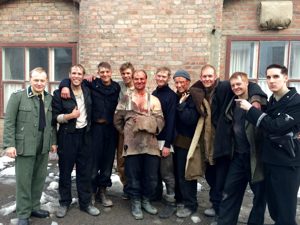
- Tidligere student i ny norsk storfilmaktuelt / 2017 / 12 / tidligere-student-i-ny-norsk-storfilmTidligere Skuespillstudent Ole Victor Corral i rollen som Magnus Kvalvik i ny norsk storfilm. Hei Ole! Gratulerer med rolle, hvem spiller du i filmen? – Jeg spiller Magnus Kvalvik, en av de 12 Bratholmgutta fra Kompani Linge som ble sendt til Troms for å sabotere tyske fartøy. En ganske badass fyr for å si det sånn. Han ble henrettet av tyskere i 1943 etter at en operasjon gikk skeis. (Ja, jeg dør på film). Hvordan fikk du den rollen? – Jeg gjorde en kortfilm som heter «Satelitter» med en veldig flink, ung regissør som heter Håkon Olavsen som ble vist på Cinemateket. I salen satt selveste Petter Holmsen, regiassistenten til Harald Zwart og så på. Han likte det han så og ville ha meg inn for en audition, men det var faktisk for en av de andre rollene. Så jeg gikk inn, spilte så tårene rant, fikk stående applaus (i hodet mitt) også hørte jeg ikke noe mer fra dem på ca. tre måneder. Jeg trodde jo de hadde glemt meg, men så fikk jeg plutselig en telefon av Petter. Han sa “Beklager Ole, vi gav rollen din til en annen, men hvis du vil spille Magnus, så er rollen din”. Selvfølgelig takket jeg ja! Jeg har sikkert 15-20 kortfilmer på dataen min som jeg har laget med flinke folk som går på skolen, og tro meg, det har hjulpet utrolig med å være trygg på set. Jeg har sikkert 15-20 kortfilmer på dataen min som jeg har laget med flinke folk som går på skolen, og tro meg, det har hjulpet utrolig med å være trygg på set. Hva lærte du av å være med på en så stor produksjon? – Dette er den største produksjonen jeg har vært med på, og jeg var jo bare en liten brikke i hele opplegget, så det jeg lærte mest av var å være «på» hele tiden. De har ikke tid eller mannskap til å passe på alle hele tiden så man må være litt proaktiv og forberedt på hva som kommer til å skje resten av dagen, ligge ett steg foran, forteller Ole Victor. – Når det er sagt – og her kommer det litt skryt av høyskolen – så har Skuespill-utdanningen rusta meg godt ved å ha en så god og talentfull Film og TV-utdanning som jeg har jobbet sammen med siden første klasse. Jeg har sikkert 15-20 kortfilmer på dataen min som jeg har laget med flinke folk som går på skolen, og tro meg, det har hjulpet utrolig med å være trygg på et set. Fordi uansett hvor stort settet er, så er det veldig likt det vi gjør på skolen! Du har innspillingslederen som fyker rundt og roper klokkeslett, lydmannen som skal under skjorta di, lysmannen som setter lyset. Så alt det var jeg allerede ganske rutinert på. Så ja, takk til Westerdals! (Skolens tidligere navn, red.anm.) Hvordan var overgangen fra skolehverdagen til en filmjobb i bransjen? Overgangen gikk bra. Jeg prøvde å ta det rolig og ikke bli opphengt i at det var jobb. Det har ikke så mye å si om det er film eller teater, eller skole eller jobb. Pluss at de som jobba der var så hyggelige og flinke folk, så det var lett å kose seg! Lærte du noe nytt? – Jeg lærte at denne bransjen er en maraton, ikke en sprint. Du hører om skuespillere som plutselig får en stor rolle i en film eller tv-serie for så å bli «kjendis over natta». Men man hører sjelden om all jobben de gjorde før de kom til det punktet. All øvingen, puggingen, skrivingen. Å være i miljøet, å bli sett og hørt og håper på at noen ser deg, samtidig som du har en heltidsjobb ved siden av for å betale leia. Hvis man prøver å sprinte til målstreken i denne bransjen tror jeg man fort kan bli skuffa. Ikke forvent at telefonen skal ringe bare fordi du gjorde en god jobb. Det er for mange om beinet rett og slett, så hold deg heller aktiv så vil det skje noe etterhvert, forsikrer Ole Victor. Hvor annerledes er det å spille i en flerkameraproduksjon versus å spille på en teaterscene? – Hvis du tenker på klassisk teater, så spiller man jo fortsatt realisme, men likevel er det en litt annerledes spillestil. I film må man kutte den avstanden man har til publikum og gjøre det mer «personlig» med den du spiller med. – I teater må man passe på at publikum ser deg ved å ikke vende ryggen til hele tiden, og du må heve stemmen din sånn at publikum hører deg. I film må du absolutt ignorere alt og alle som ikke er med i scenen og være litt mer egoistisk. Men det er jo mange likhetstrekk også. Det viktigste av alt er å ikke la andre fortelle deg hva du skal gjøre i scenen. Ta det regissøren sier som et forslag, men det er du som må eie det, det er du som må forstå det og ha et forhold til det. – Så tør å lede. Ta plass. Ikke vent på at alle skal fortelle deg hva du skal gjøre. Dette gjelder spesielt for filmproduksjoner hvor du får tilsendt en manus på forhånd, men ikke møter crewet før første innspillingsdag. Da er det viktig at du har gjort opp noen ideer i hodet ditt, avslutter Ole Victor. Filmplakat for «Den 12. mann». Håkon T. Nilsen fra klassen under Ole Victor var også med i filmen som en av de 12. mennene. Håkon hadde også en av hovedrollene når høyskolen satt opp stykket «Ifigenia i Aulis» i 2017.
- Project Management at the Theatrekunnskap-kristiania / 2021 / 08 / project-management-at-the-theatreONGOING RESEARCH @ KRISTIANIA Creative industries To many in creative industries, the framework and vocabulary of project management seems unfamiliar to how they perceive their project-based work. Nonetheless they manage to develop and complete complex large-scale projects. The flexible and dynamic nature of project management in creative industries, along with an impressive ability to complete complex projects within set deadlines are under-researched and highlight the promise this field holds for the future of project management studies. Read also: Kunnskap Kristiania, the Innovation Issue (E-magazine) Increasing popularity From their roots in traditional organizational models of engineering and industrial mass production, a myriad of project management frameworks have emerged over the last few decades. Spearheaded by the software development industry, new and agile approaches to project management which emphasize creativity and flexibility, have been widely popularized and adapted in a wide range of industries, including creative industries. Despite their increasing popularity and usage however, knowledge about the appropriateness of project management philosophies in creative industries is limited. This is all the more surprising considering that this sector is considered to be one of the most established `industries’ when it comes to project-based, temporary organizational structures. Read also: Bak musikkbransjens glamorøse fasade (in Norwegian) Challenges Facing Creative Industries The increasing use of `project´ as a form of organization of work in both the private and public sector, also within creative industries, has made it possible to talk about a projectification of society. Some have gone so far as to suggest that short-term, project-based and contractual models of organization observed in the creative industries are harbingers of the next `new economy´ and could become the dominating organizational model for the broader, knowledge-based economy. Since the creative industry is highlighted as a rapidly growing part of international labor markets and play an increasing role for many countries' value creation and attractiveness, it is necessary to improve our understanding of how these organizational and leadership models work alongside the problems they face. The biggest challenge connected to the application of project methods and tools in the creative industries is the potential mismatch between using a streamlined and rigid approach of project management within the more flexible, creative industries. Project view on artistic production There is a need for more research exploring the contribution of the artistic, creative and explorer mindsets to project management. I will explore this field through a PhD and the research will be framed around the following key questions; How do the creative industries manage to complete large-scale, complex projects despite not necessarily identifying with project management terms and methodology? What elements of their practices can be understood to match with existing approaches and which, if any, represent entirely new ways of approaching the management of projects? To what extent can these insights be fruitfully applied to other project based work, both within and outside the creative industries? The project work form is important in the creative industry because all artistic production can be seen as a single project, be it a concert, a festival, a dance performance, a film or a theatre production. Read also: Skapte nye forbindelser mellom sang, dans og skuespill Characteristics of theatre projects To explore my key questions I intend to focus on the performing arts, in particular theatre productions (projects). They differs from other industries in having a variety of unique aspects which can provide important insights. Most theatrical producers and directors work with project management and planning in order to be able to coordinate everything. However, even though they use models for project context, they don´t necessarily identify with project management terms and methodology. The history of theatre is much longer than the comparatively short history of modern project management and during this long tradition a set of successful routines emerged which, consequently, could be considered as models for project contexts outside of theatre. While theatre productions exhibit a strong focus on human, creative and aesthetic aspects, they also involve other activities that are similar to more standard project management functions. Managerial personnel in a theatre operation must manage a complex of interrelated processes to ensure that crucial activities are completed on time. During the project, manuscripts are finished, teams are designed, scene construction and costumes developed, plans for rehearsal processes are made, plays and music are rehearsed. In parallel to these activities, the upcoming play is marketed and tasks related to economy, work conditions and stake-holders among others. An interesting aspect of theatre work is the common goal; the premiere. The completion of the project (production of the play) is subject to perhaps an even more critical deadline than projects managed in other industries, for example construction. It is very rare to hear about postponing or delaying a play in theatre, an interesting and possibly useful aspect that could be applied to other industries. Together, these unique characteristics highlight how the performing arts provide a rich and under-researched setting for new approaches and insights in the field of project management. References: Jones, Candanse, Mark Lorenzen, and Jonathan Sapsed. 2017. The Oxford Handbook of Creative Industries. Oxford: Oxford University Press. Petrović, Dejan, Vesna Milićević, and Adam Sofrinijević. 2017. “Application of project management in creative industry”. European Project Management Journal 7 (2): 59-66. Pielichaty, Hanya, Georgiana Els, Ian Reed, and Vanessa Mawer. 2017. Events project management. Adingdon: Routledge. This popular article presents higlights form a research proposal on Project management and creative industries in the era of projectification. This article is first published in Kunnskap Kristiania, The Innovation Issue (link to E-magazine) released on August 19, 2021. Text: Assistant professor Silje Straume, School of Arts, Design and Media, Kristiania University College. We love hearing from you: Send your comments and questions regarding this article by E-mail to kunnskap@kristiania.no .

- Why consumers co-createkunnskap-kristiania / 2019 / 10 / why-consumers-co-createKNOWLEDGE @ KRISTIANIA: Co-Creation Most organizations want to get close to consumers and to learn about their needs and desires as a way of creating products and services, developing effective marketing campaigns and reducing risk. Increasingly organizations are using online co-creation communities to do this as it enables them to dig below the surface of people’s opinions and uncover their latent feelings. Usually this process involves recruiting people against a set of selection criteria that is relevant to the task and encouraging their active participation in a closed community of between 300 and 500 members. Some organizations have permanent communities, while others are task specific. If you ask managers why people are willing to participate in such commercially focused communities, their assumption is that it must be the money. They rate intrinsic factors such as sociality and meaningful experience as the least important. In search of Motivation We set out to determine whether this managerial belief is true and to better understand the role intrinsic and extrinsic motivation play in motivating people. To conduct this research, we invited members of three existing online communities to take part in a study. The communities came from quite different areas: consumer goods, diabetes and high blood pressure, and private health. The communities enjoy high levels of participation and have active facilitation, an emphasis on non-financial rewards and minimal use of financial rewards. 178 people agreed to participate in the study. Learning from Conversations To get insights into peoples’ motivations we used a two-phase online research process. In the first phase we used a qualitative/quantitative research tool, that combines conversation and machine learning to deliver quantitative insights to qualitative questions. Instead of framing questions where the options are limited and the language has already been determined, the tool allows people to answer open-ended questions by writing down their responses in their own words, which others then vote on, two at a time. The tool mirrors conversation in that it allows participants to interact with one another and to react in real time to thoughts being exchanged until a resolution is reached that best reflects the thinking of the group. The research featured 9 open-ended questions and 7 poll questions. The 9 open-ended questions generated 1,102 unique responses (the highest count for an open question was 153 responses) and 34,819 votes. Once the first phase of the research exercise was complete, we created brief summaries of the first phase research, which we then provided to the communities. In the online discussion we hosted with the participants, we asked whether the summary aligned with their personal experience and invited them to add further comments. The process generated a further 255 responses. Key motivational factors So, what did we learn? Most people in the three communities are dominantly intrinsically motivated. Their motivations are concerned with contributing to something they find valuable and interesting, having the opportunity to express themselves and the ability to develop their knowledge by sharing and listening to others. However, the research also suggests some nuances to the balance of intrinsic and extrinsic rewards. While 39% of people in the study said that they would still participate without financial rewards, the most strongly supported statements combine intrinsic benefits with financial rewards. Financial rewards are seen as more of a “thank you” for participation and for making a contributing to the community. Freedom of expression A second aspect of motivation is concerned with control versus freedom of expression. When people have a greater degree of freedom it enhances motivation. Participants feel that the balance is right in their communities and that they have sufficient freedom and good moderation. Notably 97% of participants believe that they have been treated fairly by the moderators, who clearly play a vital role in creating a positive culture and in helping to humanize and cement the solidarity of the community. Overall, when a community works well it generates high levels of engagement. This is notable in the way participants describe their experience. Positive, passionate and highly motivated The participants in these three online sponsored co-creation communities are positive, passionate and highly motivated. These might be attributes that we would expect from fan communities based around Milanese opera or Liverpool football club (both have been studied), but they are not necessarily what we might expect from consumers discussing tooth paste or a health club for commercial organizations. The study shows people can be highly participative if those managing online communities create an engaging purpose coupled with the freedom to explore ideas. This requires sensitive moderation, the creation of a trusting environment where people feel they can express themselves and a willingness to take the time to nurture community solidarity where people are connected to each other and to the sponsoring brand. Reference: Nicholas Ind, Nick Coates and Katrina Lerman (2019): ‘The Gift of Co-Creation: what motivates customers to participate ’. Journal of Brand Management https://doi.org/10.1057/s41262-019-00173-7 Text: Professor Nicholas Ind, Department of Economics and Innovation, Kristiania University College.
- Noen av verdens beste visuelle effekter lages i Osloaktuelt / 2024 / 03 / noen-av-verdens-beste-spesialeffekter-lages-i-osloStorm Studios er et av de eldste og største VFX-studioene i Norge. De var med å starte opp VFX-bransjen i Norge og jobber i dag stort sett bare på amerikanske produksjoner som «Star Trek»,«Shadow and Bone» og Marvel-filmer. Her jobber blant andre Markus Eiken, Ingvild Rein og Melvin Østensen som alle er tidligere studenter fra det som i dag heter Bachelor i Computer Arts . Første «norske» Emmy for VFX – Noe av det som er veldig fint med å jobbe her er at vi får jobbe med noen av de beste i bransjen i Norge og Skandinavia. Det er også morsomt at Kristiania er så godt representert her. I den avdelingen der vi jobber er det totalt 20 mennesker og 15 av dem er tidligere studenter fra Kristiania, forteller de. – Gratulerer med å vinne Emmy for jobben dere gjorde med «The Last of Us»! – Ja, vår supervisor Espen Nordahl var over i Los Angeles og tok imot prisen i januar. Det var veldig stas! Dette er første gang noen i Norge vinner Emmy for beste visuelle effekter! Rett fra skolebenken Ingvild er den ferskeste i gjengen, og fikk jobb i Storm Studios etter at hun hadde praksis der som en del av utdanningen . – Du kom jo rett fra skolebenken da du begynte på dette prosjektet. Følte du at du var klar for en slik produksjon? – Ja, jeg følte at jeg var klar. Jeg var ferdig på Kristiania sommeren 2022. Da hadde jeg hatt internship hos Storm hele våren som en del av utdanningen min, og som en del av det fikk jeg jobbe på filmen «Black Panther – Wakanda forever». Og så ansatte Storm meg etter at jeg var ferdig og da ble jeg også en del av «The Last of Us»-prosjektet. Les mer om Bachelor i Computer Arts her! – Kan dere si noe om hva dere gjorde på prosjektet? – Vi gjorde forskjellige typer effekter fra det vi kaller set extension og digitale bakgrunner til fulle CG-ansikter. Og så la vi til litt ekstra blod. De har ofte falskt blod på sett, men vi må ofte forsterke det ved å legge på litt til. Og så gjorde vi disse sopp-sporene, eller slyngtrådene, som vokser ut av munnen på de infiserte i serien. Det hender vi gjør ting som er litt ekkelt! De har ofte falskt blod på sett, men vi må ofte forsterke det ved å legge på litt til. – Ok, her var det en del uttrykk som jeg tror dere må forklare. Hva er set extension? – Det er når vi hjelper til med å lage bakgrunner og digitale kulisser. Ofte når man bygger kulisser i studio, bygger man bare de viktigste delene, kanskje de delene som skuespillerne kommer i direkte kontakt med. Og så lager vi resten digitalt og syr det sammen med det som var filmet i studio. – Dere nevnte CG-ansikter? – CG er et uttrykk vi bruker på elementer som 3D-modelleres i en datamaskin. I «The Last of Us» byttet vi noen ansikter med nye ansikter som vi laget i cg og digitalt festet på ansiktene til skuespillerne. – Kunne dere virkelig alt dette da dere gikk ut fra Bachelor-programmet? – Vi hadde ikke nødvendigvis gjort alt dette før, men vi hadde lært prinsippene og teknikkene, ja. Og set extension hadde vi gjort en del av. Men der Storm virkelig bidro med egne ting var disse slyngtrådene. Dette er de tråd-aktige soppene som vokser ut av munnen på de som er infisert. Her fikk Storm i oppdrag å finne ut hvordan de skulle se ut og oppføre seg. Et kyss med soppsmak Det var Markus som fikk oppgaven med å finne ut hvordan slyngtrådene fra de infiserte skulle se ut. – En morsom ting var at vi jobbet på et shot av en infisert med slike slyngtråder ut av munnen som kysser og dermed infiserer et annet menneske. Det shotet ble ganske kjent og det ble faktisk nominert til Best Kiss på MTV-awards, foreller han. – Jeg vet at det er ganske høye sikkerhetskrav her for at dere skal få lov til å jobbe på disse store amerikanske prosjektene. Kan dere si noe om det? – Det stemmer. Vi er sikkerhets-sertifisert og er en såkalt Trusted Partner som gjør at vi kan få jobbe på de store amerikanske produksjonene. Dette handler både om at det ikke skal være mulig å få tak i og spre bilder fra produksjonen før den er på tv eller på kino, men også at det skal være hemmelig hva vi jobber på til enhver tid. Arbeidsstasjonene våre er for eksempel ikke tilkoblet internett. Alt som skal inn i og ut av vårt system går gjennom noen få maskiner der alt blir logget og der ikke alle har tilgang, sier Melvin. Vi fikk ikke lov til å snakke om det, ikke en gang til vår egen familie. – Mens vi jobbet på «The Last of Us» fikk vi ikke lov til å snakke om det, ikke en gang til vår egen familie. Det kan være vanskelig fordi vi er veldig stolte av det vi holder på med, men vi vet at det er viktig så vi sier ikke noe. Når premieren nærmer seg, ser vi alltid fram til å få lov til å si hva vi har jobbet på. – Og hva jobber dere på nå? – Haha! Sorry, men det kan vi ikke si! – Det store spørsmålet nå er jo om dere også skal jobbe på neste sesong av «The Last of Us». Kan dere si noe om det? – Nei, det kan vi ikke. Det eneste vi vet er at de har fått støtte via insentivordningen til å legge jobb hos oss hvis de ønsker det. Men det hadde vært morsomt. – Har dere noen ønsker for sesong to hvis dere får jobben? – Hvis vi skal jobbe på neste sesong, hadde det væt morsomt å lage noen større environments, altså noen store bakgrunner slik som vi for eksempel gjorde i tv-serien «Shadow and Bone» som vi også ble Emmy-nominert for, sier Ingvild. Vi ble vant til å få – og til å forholde oss til – tilbakemeldinger. – Hva er det viktigste dere fikk med dere fra Kristiania som har hjulpet dere til å lykkes i bransjen? – Under studiet ble vi trygge på verktøyene, metodene og prosessene. Men noe av det viktigste var kanskje at vi ble vant til å få – og til å forholde oss til – tilbakemeldinger. Det var mye mas under studiet om det å bli vant med å vise uferdige ting for å få kommentarer på det tidlig. Og akkurat det har vært gull! Det er veldig viktig når man er i en produksjon. Mange er redde for å vise fram ting som ikke er ferdige, men det er ved å gjøre det og ved å få kommentarer på det at du ender opp med et best mulig resultat. Jo mer du viser en supervisor underveis, jo bedre blir resultatet, samstemmer de tre.

- The invisible skill everyone will needkunnskap-kristiania / 2026 / 6 / The-invisible-skill-everyone-will-needSCIENCE NEWS FROM KRISTIANIA: Coding Coding is no longer a skill pertaining only to developers and “computer people ”. It is a fundamental skill in this digital age; it’s a way of thinking, an approach to problem solving. There is a reason why I call it magic . The foundation of all computing machinery lies in mathematics. But how did we go from 0s and 1s to finn.no and secure online banking? For many, it can seem abstract how simple electrical pulses can ultimately give rise to something as complex as ChatGPT. T his "magic" doesn't materialize from thin air, it's built on a foundation far more precise than any magic spell book. Knowing how to code gives you life skills E veryone should learn how to code! If not as a career choice, as a problem-solving skill, and as a fundamental skill in the digital age. When you program, there is a certain way to approach a problem, there are certain rules you must respect , and there are certain steps you must follow . You analyze a problem and design a solution, clearly defining each step needed to reach it . You are applying a structured problem-solving approach. This is a useful skill not only in programming but in any field where complex problems arise. Moreover, debugging a piece of code (investigate the code step by step to check where an issue arises), teaches patience and resilience. Programming is no longer limited to software engineers; it is becoming a core skill across diverse fields such as finance, healthcare, and marketing. In finance, it enables analysts to automate complex calculations, analyze market trends, and develop predictive models. In healthcare, programming powers diagnostic tools, data management systems, and personalized treatment algorithms. In marketing, it allows professionals to analyze consumer behavior, optimize campaigns, and implement data-driven strategies. As industries increasingly rely on data and automation, programming has become an essential tool for problem-solving, innovation, and efficiency across virtually every sector. Do you want a program to make your coffee – here you are! Coding isn’t always about solving serious problems – it can be fun too. You can automate all sorts of trivial tasks. One programmer, for instance, wrote a program to make the office coffee machine brew a latte. The code waits 17 seconds before starting the brew, and once it’s ready, it waits another 24 seconds before pouring the coffee into a mug ( Abrakadabra ? No , exec make_coffee ) . The timing was calculated based on how long it took this programmer to walk from his desk to the coffee machine; perfectly timed automation! This story may or may not be true, but here is the GitHub link so you can check it yourselves: https://github.com/NARKOZ/hacker-scripts . Sometimes you write code not because you must, but because you can, and that’s pure power. Understanding programming enhances digital literacy. When you know how it works, you better understand how apps and website function, seeing beyond the interface to the logic behind clicks, forms, and page transitions. You begin to recognize delays, understand how inputs connect to databases, and appreciate the complexity behind features like search or recommendations. This knowledge also helps you tell whether something is broken or simply misused. As your technical intuition grows, you become more confident exploring new technologies , knowing they often rely on the same fundamental principles. Code, programming, syntax – what does it all mean? You’ve likely heard the terms coding, programming, and programming languages, but it’s worth clarifying them . A code is a set of instructions that tells a computer what to do, and coding is the act of writing those instructions. While often used interchangeably, programming goes a step further ; it includes not only writing code but also designing, testing , and maintaining it, often involving algorithms and data structures. For example, you can write code using HTML, CSS, Python, or Java. However, HTML and CSS are not programming languages since they lack computational logic. Programming is no longer limited to software engineers In contrast, languages like Python, Java, and C are considered programming languages because they can perform logical operations and calculations. Whether you are writing a simple calculator program that runs in the console, or develop ing complex systems, the amazing feeling when your code compiles and runs correctly is universal and indisputable. You might feel like Luffy or Superman (pick your favorite superhero). Yet just like Superman, we have our kryptonite. It starts with syntax . “ It's leviOsa , not levioSA !” – Yeah, coding is fun, until a small mistake like a missing semicolon, bracket, or even a space causes an error. Luckily for us, modern tools make it easy to spot such errors, unless u want to live in a cave and use Notepad++ (which, don’t get me wrong, I personally love). Y ou also run into compatibility issues, collaboration challenges when working in teams, and, sooner or later , the classic line every developer has used at least once: “It works on my machine!” (Here is a question for you dear reader: how to program a program that programs a program?) The world’s first programmer Ada Lovelace is widely recognized as the first computer programmer, and yet she lived in the 1800s (1815-1852). Even though she did not program in what we consider today as programming, she created what is now known as “ an execution trace ”, or an algorithm written for execution by a machine (note that the concept of algorithm itself is much older). She worked on the Analytical Engine, a project initiated by Charles Babbage. While Babbage himself was mostly concerned with numeric calculation, Lovelace recognized that computation could be applied to far more than numbers, which earned her recognition as the world’s first programmer . Nearly a century later, Alan Turing introduced the Turing Machine (1936), an idealized mathematical model that captures the core principles of modern computing: reading and writing memory, executing instructions, and transitioning between states. Although abstract, this concept laid the theoretical foundation for programmable machines and remains one of the most influential ideas in computer science. Building on this theoretical groundwork, the field soon moved toward practical ways of instructing machines. The magic behind your gaming and online shopping Let’s now dive in to more important stuff : magic. It doesn’t matter if you are a fresh developer, or a seasoned one, we all started with one phrase: “Hello World ”. printf ( “Hello, World!\ n”); System.out.println (“Hello World”); echo( “Hello World!\ n”); And indeed, it did open a Whole New World for us! The computer is the magic carpet that allows us to explore the world, our modern wand that allows us to create. A structured mix of elements, silicone, copper, gold, etc , in a box; a few phrases and words combined in a very particular way to be translated in another set of instructions, then to 1s and 0s, which represent electrical pulses – these are able to help you write your papers, create your presentations, watch a video, play Minecraft and shop online! If that is not magical...! We have grown so used to our computers, to our tablets and our phones, that we have forgotten to recognize the magic behind all the science that makes it possible . Programming unit es people Programming languages are universal tools that break cultural and linguistic barriers, allowing developers from different countries, backgrounds, and time zones to collaborate. Whether it’s contributing to an open-source project, building a cross-border app, or sharing algorithms online, programming provides a common language that unites people around shared goals. Therefore, coding doesn’t just create softw a re ; it creates a global community where ideas, solutions, and innovation can flow freely across borders. (Gaming does that too, but that is another article.) In this global community , humor thrives too. Who says nerds cannot be funny ! Whether you are in Oslo, New York or Tokyo, a good programming pun is universally understood. // When I wrote this, only God and I understood what I was doing. // Now, God only knows. Some comments are funny because they are clever, and some are funny because they are relatable. It is not exactly Rictusempra 2 , but if it made you smile, welcome to the nerd club! We have come a long way since Lovelace, but the future sounds exciting and the best is yet to come. <? echo “Happy coding!”?> References: Bauer, F. L., & Wössne , H. (1972). The “ Plankalkül ” of Konrad Zuse : a forerunner of today's programming languages. Communications of the ACM , 678-685. Denning, P. J. (2003). Great principles of computing . Communications of the ACM , 15-20. Wang, Y. (2024). The Countess of Computing: Ada Lovelace's Lasting Impact on Modern Technology. Intelligence Planet Journal of Mathematics and Its Applications . Text: Iva Kertusha , PhD candidate, Faculty for health and technology, Kristiania University of Applied Sciences. We love hearing from you! Send your comments and questions regarding this article by e-mail to kunnskap@kristiania.no .

- Why we empower the authoritarian leader in times of fearkunnskap-kristiania / 2025 / 6 / Why-we-empower-the-authoritarian-leader-in-times-of-fearSCIENCE NEWS FROM KRISTIANIA: Leadership We often turn to strong leadership in times of uncertainty, chaos and crisis. The philosopher Thomas Hobbes pointed this out as early as the 1600s. Living in a time of conflict, he believed that only a strong state, led by strong leaders, could hold society together. His ideas can’t be scientifically proven, but they have helped shape a lasting belief in strong leadership. These days, strong leaders are thriving. The U.S. president sees himself - despite his egotism, childishness, and bullying behaviour - as a strong leader. And he prefers the company of others like him. When leaders like him team up with tech billionaires obsessed with corporate-style leadership, it’s time to buckle up. In times of disorder, people in general seem to be more willing to hand over power In the background, the manosphere is lurking. It glorifies masculinity, self-discipline, mental and physical toughness. Add a growing fan base for Ayn Rand’s controversial novel, Atlas Shrugged, and a pattern starts to emerge. Strong leadership can also be destructive Many strong leaders want the power to act without interference. Take Trump, for example. He tries to dethrone anyone who challenges him: the media, the courts, even public institutions. In times of disorder, people in general seem to be more willing to hand over power. We want someone to take control. To lead us through the storm. But we don’t always stop to question how that power is being used. Strong leaders who crave control often distrust transparency and democratic processes, as these processes slow things down and limit the freedom to act. Strong leadership is, of course, not always a bad thing. Yet some of the very traits that make leaders appear strong, like aggression, egocentrism and narcissism, can also be deeply destructive. Employee participation is head ing in the wrong direction We are an ocean away from the U.S., and Norwegian society is very different. Still, we need to be mindful of admiring leaders who are given too much power and unlimited manouvring space. In my latest book, Lederisme , I argue that society has shifted in ways that benefit leaders. Over the past 30 to 40 years, the leadership profession has gained more economic, cultural, social, and symbolic power. Set geopolitics aside, and we’ll see that when faced with unlimited leadership power, Norwegian workplace democracy is unlikely to escape without lasting harm When leaders are given too much freedom to act, cracks begin to show in the democratic Norwegian labour model. A gradual shift is occurring - tilting the balance from employees to employers. Studies show a steady erosion of employees’ rights to participate and influence decisions. Unlimited leadership is risky Strong leaders with no checks and balances threaten social contracts, institutions and established principles. That is the reality European leaders are now painfully learning, as they see long-standing structures being dismantled. In these cases, democratic ideals do not help. Only the hard truths of power politics apply. They must mobilise alternatives to unchecked power faster than they are able to. Set geopolitics aside, and we’ll see that when faced with unlimited leadership power, Norwegian workplace democracy is unlikely to escape without lasting harm. The question is, how suitable is labour democracy for handling contemporary challenges in the workplace? The answer to that question remains open. But the solution is certainly not to give leaders who are loyal only to their principles and themselves unlimited power and freedom to act. Being decisive and action-oriented are valuable leadership traits. But only when paired with accountability. Otherwise, if strong leaders with unchecked power – fuelled by global trends and blind admiration for strength – are given too much room, the working life in this country could face serious consequences. Text: Tom Karp, professor, School of Communication, Leadership and Marketing, Kristiania University of Applied Sciences. This article was first published in the Norwegian edition of Dagens Næringsliv on the 28th of February 2025 under the title “ Sterke ledere er i vinden ”. We love hearing from you! Send your comments and questions regarding this article by e-mail to kunnskap@kristiania.no .

- What happens when your bank shares your information with other companies?kunnskap-kristiania / 2024 / 10 / what-happens-when-your-bank-shares-your-information-with-other-companiesSCIENCE NEWS FROM KRISTIANIA: Financial technology The world of banking is changing fast. What used to be an industry dominated by big banks has open ed up to new, smaller players called fintech s (financial technology companies). Banks are no longer just providers of financial services. They have becom e platforms that connect customers with fintech s , reshaping how we handle our money. A new law change d our way of managing money Thanks to a set of E uropean laws known as the R evised payment services directive ( PSD 2), f intech s can now use information from banks to offer innovative services , creating new ways to manage and use mo ney . – This law has created an entirely new relationship between banks and f intech s , says Ahmad Ghazawneh , associate professor at School of Economy, Innovation and Technology at Kristiania University College. – While there are challenges – like security risks and increased competition – the potential benefits of open banking are too big to ignore. If banks can navigate this complex relationship with f intech s , the future of banking could be more innovative and customer-friendly than ever before , he says . Banks have to share customer data Open banking, a term you might have heard before, is essentially a system where banks allow third-party companies (like f intech s ) to access customer data with their permission. Normally, banks keep this information to themselves, but PSD 2 forces banks to share this information with licensed f intech s . The main goal of open banking is to promote innovation and offer customers more choices when it comes to financial services. For example, instead of only applying for a loan through your bank, you could use a f intech app like K larna to compare different offers and manage your finances. These apps can make things quicker, cheaper, and easier for customers because they can use real-time data straight from your bank. Are b anks and f intech s partners or rivals? One of the main questions Ghazawneh and Osama Mansour (University of Lund ) explores in a study they carried out , is whether banks and f intech s are partners or rivals. Banks have traditionally dominated the financial world because they control all the customer data. But with open banking, f intech s have access to this data, which means they can create similar or even better financial services. This creates a complex relationship where f intech s depend on banks for data, while banks rely on f intech s to offer more innovative services. – B anks can no longer act as gatekeepers, controlling all the information and services. Instead, they have to collaborate with f intech s and become “orchestrators ” , says Ghazawneh . This means that banks now work behind the scenes, managing the flow of data and ensuring that f intech s can offer their services smoothly. A new chapter in banking The PSD2 -directive requires banks to provide basic access through APIs (application programming interfaces) . These are tools that allow fintech s to connect to a bank’s data. Some banks are offering so called “ P remium API s . These g ive f intech s even more options for interacting with the bank. For example, f intech s like Vipps create services such as real-time payment updates and easy peer-to-peer transfers , while Klarna offers automated loan applications. In this way, banks are not just bank s anymore . They act like a platform that helps other companies deliver financial services. Customers might not even realize they’re using a bank ’s infrastructure because they’re interacting directly with f intech apps. – We call this “invisible banking” or embedded finance, where the bank works in the background to make sure everything runs smoothly, but the customer’s experience happens through the f intech ’s app , says Ghazawneh . The risks of open banking Of course, this new world of open banking isn’t without risks. – Banks now have less control over who can use their data and how it’s used. P SD 2 requires banks to share data with any licensed f intech , which could include potential competitors , says Ghazawneh . This means that while banks are enabling new services, they are also opening themselves up to competition from tech giants like A pple or A mazon, which are moving into financial services. There are also concerns about security and privacy. With more companies accessing customer data, it becomes harder to ensure that this data is always protected. Banks are responsible for keeping data safe, but they have less control over how third parties manage it. Collaboration benefits customers So, what’s the future of banking in this new era? According to G hazawneh , banks need to embrace their role as platforms. Instead of viewing f intech s as competitors, they should see them as partners who can help offer better services to customers. For example, by collaborating with f intech s , banks can improve customer experiences and provide services that would be difficult to build on their own. – While there will always be competition, the banks that can successfully manage partnerships with f intech s will have a better chance of staying relevant in a rapidly changing industry , says Ghazawneh . Text: Cecilie Taran Skjerdal, seniorrådgiver , avd. forskningskommunikasjon og innovasjon, Kristiania This text was published at Science Norway on the 4th november 2024 titled " Are mobile payment apps safe to use? ". Reference: Mansour, O. & Ghazawneh , A. (2023). The Evolving Interdependencies between Banks and Fintech s within Open Banking Platforms. Conference paper. Forty-Fourth International Conference on Information Systems , Hyderabad, India 2023. We love hearing from you! Send your comments and questions regarding this article by e-mail to kunnskap@kristiania.no .

- Making your knowledge more impactfulkunnskap-kristiania / 2020 / 09 / making-your-knowledge-more-impactfulKNOWLEDGE & KRISTIANIA: Science in Society New research does not create value for society before it is translated into innovative new practice. This can take the form of better decisions, better policies, smarter ways of doing things, or new products and services. Universities, university colleges and other research institutions are doing a lot of great work spreading the results of research and making it known to a wider audience. Researchers are trained in writing and communicating their research in a language that newspaper readers can understand. This training provides visible results in the form of feature articles, editorials and media coverage, mostly in traditional media. At the same time, the Research Councils in Europe works with universities to ensure that everyone has free, open access to research. Read also: The Power of a Story From research to better practice If research is to be incorporated into existing practice, it is necessary that research is readily understood and accessible. Unfortunately, that is not enough. Research must also be communicated in a way that it is perceived as relevant and interesting to those who can put the knowledge into practice. If new research is to contribute to a better way of doing things, traditional one-way research communication from researchers and institutions must be supplemented with two-way and multi-way research communication . The word communication comes from the Latin, communicare , which means «to make something common». If we are to succeed in making something common, we must draw those who can apply the knowledge into both dialogue about the research as well as participating and looking for possible practical applications of the research. It is not enough just to publish research results. Read also: Ti nøkler til å løse skrivekoden (in Norwegian) Strategic tool for putting research into practice Science communication can be a strategic tool for making research both understandable, relevant and interesting for those who can use the knowledge. The goal of effective science communication is to contribute to making a better society, not only getting as much publicity as possible in traditional and online media. Publicity still has its value, but as an indirect channel to those who can actually put the knowledge into practice. In recent years, the UK has changed its funding model for research. As much as a one-fourth (25 percent) of basic grants for research depend on the institution being able to prove that outstanding research at the institution has resulted in concrete changes in society, so-called «impact». Here in Norway as well, talk is increasing that we must become better at translating new research-based knowledge into better practice. So far, there has been more talk than concrete action. What can researchers do to contribute to new research-based knowledge being translated into a better way of doing things? Eight pathways to Impact May I be so bold as to suggest eight ways researchers can change the world for the better, at least a little. Talk about your research when starting new projects and request input. Traditionally, we have looked at research and dissemination as two isolated activities. First, research must be peer reviewed through scientific journals. Then through public outreach we can spread the results and hope something happens. Alternatively, we can imagine science communication as an integral part of the research process. This perspective can for example lead to inviting practitioners to provide input that can improve the research and make it more relevant. You will also build a network among whom you can share results. Give advice on research applications. Don’t settle for just publishing results. Point out the possible practical implications of the study. What can your research be used for? Give practitioners advice on the possible applications of the research. Arrange and attend physical and digital gatherings between researchers and those who can apply the knowledge. New ideas and applications are often born in personal discussions between researchers and those who can put the knowledge into practice. Invite practitioners to suggest topics for breakfast meetings or other types of gatherings. Then the programme can provide research-based answers to the challenges experienced by the practitioners. Set aside plenty of time for discussion. Establish a network of practitioners. In order to increase the chance of new knowledge being translated into better practice, make it a habit to involve those who can benefit from your research. Share and talk about your research in social media. You build a professional, digital identity through blogging and sharing your knowledge on LinkedIn, Twitter and Facebook. If you regularly share knowledge, these pages will rank high on Google. When managers, politicians, journalists, those funding research, students and anyone else is searching for answers for what they are wondering about, you increase the chances of your expertise being discovered. Through social media, you can also communicate with those who can put your knowledge into practice. Creative multi-use gives you increased impact. If you have had a feature article published or written a good article communicating your research, you can use the same content in different genres among various channels aimed at different target groups with just a bit of adaptation. A feature article can also be posted on your blog and shared in other social media. You can bring up the topic in a breakfast meeting. You can make a podcast, post a video on YouTube, or you can make an educational game. Offer courses and seminars to translate knowledge into better practice. The Learning Environment Centre at the University of Stavanger, for example, offers a comprehensive programme of courses for schools and day-care centres that gives advice on how research and experience-based knowledge can bring about a better learning environment. Tell good stories. What can we learn from them? Find examples of how research is put into practice. What was done so this was able to happen? What can we learn from these success stories? Do you have other examples and ideas on how we can make Science more impactful? Looking forward to hearing from you. References: Farbrot, Audun (2013): Forskningskommunikasjon. Praktisk håndbok for forskere og kommunikasjonsrådgivere. Cappelen Damm Akademisk. This article is published as a blogpost in Audun Farbrots blog Forskningskommunikasjon on 20 January 2020 . Text: Audun Farbrot, Head of Science Communication and Impact at Kristiania University College. Photo: Making knowledge more impactful. Illustration Photo by ThisisEngineering RAEng on Unsplash.
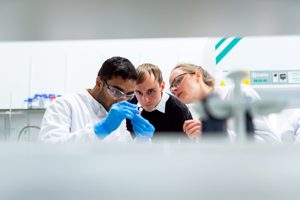
- New clinical study: Fatigue in breast cancer survivors - is acupuncture a treatment option?forskning / forskningssamarbeid / acubreast / 2020 / new-clinical-study-fatigue-in-breast-cancer-survivors---is-acupuncture-a-treatment-optionThe study is a multi-center pragmatic randomized, controlled trial with two parallel arms assessing the effectiveness, cost-effectiveness and safety of acupuncture for breast cancer survivors suffering from fatigue. The two arms are: Acupuncture plus usual care and usual care alone. The intention is to test acupuncture as a complete treatment package i.e. the overall effect of acupuncture-care, which is highly relevant to breast cancer survivors experiencing CRF. Pragmatic trials also ensure that the sorts of interventions tested can be plausibly rolled out in clinical practice and that the outcomes used to assess effectiveness are valid and easily understood by a range of users, including clinicians, patients, policy makers, and health commissioners. As such, a pragmatic trial will help users to choose between options for care. 250 women will be randomized into two groups. One group receives 10-12 acupuncture treatments once or twice weekly from an acupuncturist trained with a Bachelor of Acupuncture from Kristiania University College. The acupuncture treatment is free for the participants. The other group (the control group) receives no treatment during the study. Participants in the control group cannot receive acupuncture treatment or other treatments for fatigue during the study period. However, all participants in the study can take their own actions such as exercising, meditating or changing their diet. All measures of this nature will be registered. All participants will complete a set of questionnaires at the start of the study, after completion of treatment or after 12 weeks for the control group and after six months. Further, any medical care received during the study period will be documented. This includes life styles advice, and to which point they have followed such advices. All participants will receive written information when the study results are available. The three-year study will also record changes in quality of life, anxiety and depression, number of hot flashes during day and sleep - all factors researchers believe may affect fatigue. Who can participate? We will be recruiting breast cancer survivors who have completed their cancer treatment. Women aged 18 years or older will be eligible for the study. Further, to secure a homogeneous group, participants must be on adjuvant medical treatment with anti-estrogens. In order to participate in the study potential participants cannot be using blood-thinning medicine, undergoing treatment for anemia, undergoing palliative care, have been diagnosed with fatigue prior to cancer diagnosis, or are already receiving acupuncture treatment. Further, participants who are pregnant at baseline or planning to get pregnant within the treatment period will be excluded. Potential participants who are unable to understand, speak, or who find it difficult to communicate in Norwegian will be excluded from the study. A sufficient knowledge of Norwegian is necessary for communicating with the acupuncturist and for understanding and filling in all the Norwegian questionnaires within the study. Potential and willing participants please contact the Kristiania University College for a screening telephone interview. Interested in participating in the study? Contact: Mona Solberg Research Coordinator AcuBreast Kristiania University College, School of Health and Science mona.solberg@kristiania.no Do you have any questions about the study? Contact: Professor Terje Alræk Project Manager AcuBreast Kristiania University College, School of Health Science M +47 478 80 170 terje.alraek@kristiania.no The AcuBreast study is funded by Rosa sløyfe, a collaboration between The Norwegian Cancer Society (NCS) and Norwegian Breast Cancer Society. AcuBreast is a research collaboration between researchers in Kristiania University College, University of Bergen, University of York (England), Korean Institute of Oriental Medicine (Korea), Zakim Center for Integrative Therapies Dana-Farber Cancer Institute (Boston, USA) and Integrative Medicine Service, Memorial Sloan Kettering Cancer Center (New York, USA).

- How can we understand the rise and fall of Kanye West?kunnskap-kristiania / 2026 / 3 / how-can-we-understand-the-rise-and-fall-of-kanye-westSCIENCE NEWS FROM KRISTIANIA: Communication Our research set out to examine this specific shift: the point at which repeated controversy becomes the dominant filter shaping all future coverage of an individual or a group. Kanye West’s 15-year trajectory across fashion and entertainment offered an ideal case. His career features global influence, blockbuster collaborations, and escalating crises that gradually reshaped not only his public image but also how journalists, partners, and stakeholders interpreted every subsequent story. We define this cumulative reputational drag as crisis history toxicity . Crisis history is toxic Working in two of the world’s most highly visible and crisis-prone industries, West illustrates both the upside and the vulnerability of celebrity-driven branding. To assess how crisis history accumulates, we analysed 40 major (see figure below) events and 938 media articles, coding for tone, crisis type, journalistic style, and whether coverage reflected value co-creation or co-destruction. Our results show a clear pattern: a crisis history is toxic – the media tone becomes steadily more negative over time – even during positive brand moments. In short, when crisis history builds, the past reshapes the framing of the present. This effect is amplified by the fact that nearly all coverage is opinion-driven, not purely factual. Most damaging when actions affected others We also see a decisive shift in how crises are framed. Early incidents were treated as reputational issues; over time they increasingly became transgressions, signaling reduced media tolerance and greater blame attribution. The tipping point arrives in 2022, when incidents involving racist and antisemitic content triggered rapid termination of major partnerships. After this moment, co-destruction dominates the narrative. Importantly, crisis toxicity spreads. While partner brands were generally covered more positively than West himself, tone toward them still correlated strongly with tone toward him – demonstrating real spillover risk for alliances in highly mediated sectors. Finally, not all crises carry equal weight. West’s personal challenges had limited long-term impact. The most damaging events were those in which his actions affected others – whether consumers, communities, or corporate partners. Industry takeaways Crisis patterns, not isolated events, determine long-term reputational risk. Transgressions – especially those harming others – drive the steepest declines. Brand partners absorb collateral damage when linked to crisis-prone figures. Even positive initiatives are reframed negatively once toxicity sets in. While crisis history toxicity can ease over time, recovery is slow and contingent on the absence of further incidents. For brands operating in popular-culture and high media coverage driven markets, vigilance around partner behaviour and long-term crisis patterns is essential. Text: Audra Diers-Lawson , professor, Kristiania University of Applied Sciences, and Sophie L. Johnson, researcher, Nottingham Trent University. This text was first published on ScienceNorway.no on the 26th of February 2026 with the title " How can we understand the rise and fall of Kanye West? ". We love hearing from you! Send your comments and questions regarding this article by e-mail to kunnskap@kristiania.no .

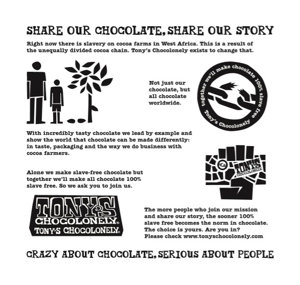
- The Power of a Storykunnskap-kristiania / 2020 / 05 / the-power-of-a-storyKRISTIANIA TOOLBOX: Storytelling Businesses need to do more than just define who they are and what they do. They also need to engage employees, customers and shareholders, by translating their purpose, values and actions into relevant narratives that enable people to express their identities. Stories then are not simply functional but emotional instruments that create meaning and stimulate ideas by delivering logos (rational argument), pathos (emotional connection) and ethos (moral authority). What does this mean in practice? Both start-ups (eg bbhugme ) and well-established organizations (eg Rapha , Greenpeace , Telenor ) create different sorts of narratives: foundational myths, values-based stories and everyday anecdotes. Some of these narratives will endure, but others, that fail to resonate, will disappear. Read also: Adidas’ Back to the Future Strategy Natural way of communicating ideas From the organizations’s perspective, storytelling is a way to share knowledge and experience by creating a feeling of connectivity and involvement and to link the past to the future. We hear a story about a brand and it can stir our imagination – we might believe this is a company I want to work for or a product I want to support. Storytelling also enables an organization to communicate an idea of itself that is distinctively different from other organizations. The reality is that because storytelling is such a natural way of communicating ideas, organizations will be using stories whether they plan and execute a programme or not. Read also: Co-creation of Brands How Tony’s Chocolonely tells its story As an illustration of the power of stories, take the Dutch chocolate brand, Tony’s Chocolonely . Tony’s Chocolonely didn’t set out to be a brand – it was a protest by three Dutch journalists about the use of slavery in cocoa farming in West Africa. They built a narrative around the issue, through a TV programme produced by one the journalists and then by one of the journalists handing himself into the police for eating a product that he knew was produced by slaves. When the case went to court he was acquitted, but it made the issue national news. To make their point, they then decided to create their own chocolate brand, called Tony’s Chocolonely (after one of the journalists, who was called Teun). The brand was an immediate success, selling out its entire first production run in the first day. Read also: Why consumers co-create Bought into the story Customers bought into the Tony’s Chocolonely story, not least through the wrapper which features a graphic about slave free chocolate and tells the story of how cocoa is produced by slaves. In 2012 Tony’s Chocolonely also introduced the unequally divided chocolate bar, (to express the unequal nature of the chocolate business) featuring the shapes of the cocao producing countries of West Africa. Angela Ursem , Movement Maker at Tony’s Chocolonely says, ‘We sold over 40 million pieces last year, and that means that there are potentially 40 million people that get in touch with our mission. So, it’s a super important communication piece. And of course, this is also really where the whole Tony story started and it’s also not that we created a chocolate bar, and then we created the story. No, the story was first, about the mission, that we want to eradicate child labour and modern slavery from the cocoa supply chain, and then we decided to make a chocolate bar. So, it’s first the story, then the bar, and then the branding.’ Today, Tony’s Chocolonely is in many different countries (including Norway) and, as of 2019, it is the largest chocolate brand in the Netherlands. Interestingly, it has never used paid media to achieve this position. Rather it tells its story through its product and encourages its customers to share narratives about the brand and its cause. Storytelling comes with obligations While storytelling is persuasive, we should also exercise some caution about its use. First, what the organization intends to communicate with a story, is not necessarily how it will be received. As the semiotician, Roland Barthes noted in his famous article, ‘The Death of the Author’, the meaning of something is not determined by the author of a story, but by its receiver. What Barthes noted in his 1968 essay is further compounded by the prevalence of social media, which can sometimes enrich (as is mostly the case with Tony’s Chocolonely) or sometimes confuse the message through different interpretations. Second, the credibility of a story relies on how well it is told, but also whether it aligns with other organizational stories and actions. Telling stories – as Barthes also observed – is an editing process. As the writer of the story we choose to both reveal and conceal. Editing can help bring meaning to the fore, but it can also undermine it. So, while we should embrace the power of stories as an effective way of communicating, we should also recognise that storytelling comes with obligations. References: Roland Barthes (1968) ‘ The Death of the Author ’. Yiannis Gabriel (2000) ‘Storytelling in Organizations.’ Oxford University Press. James Geary (2012) ‘I is an other: the secret life of metaphor and how it shapes the way we see the world.’ Harper Perennial. Sandra Horlings (2016) ‘Crazy about chocolate, serious about people’in Brands with a Conscience: how to build a successful and responsible brand. Eds Ind N and Horlings S., Kogan Page, 85-101. This article is written for Kunnskapsmagasinet Kristiania and first published on May 19th, 2020. Text: Professor Nicholas Ind, Department of Economics and Innovation, Kristiania University College and Holger Schmidt.
- Government Coercion Backfires in Fighting COVID-19kunnskap-kristiania / 2020 / 12 / government-coercion-backfires-in-fighting-covid-19KNOWLEDGE @ KRISTIANIA: COVID-19 Influence, persuasion, and communication are complicated matters that politicians must navigate to limit the spread of COVID-19. Most people feel a strong responsibility to reduce the spread of infection. This has given authorities legitimacy to introduce strict measures, such as harsh restrictions and punitive penalties aimed at companies, organizations, and individuals. California Governor Gavin Newsom, House Speaker Nancy Pelosi, and other politicians don’t obey the intrusive restrictions they place on others. Yet the coercive power displayed through such restrictions as business lockdowns and stay-at-home orders frequently leads to increases in drug use, suicide rates, depression, unemployment, and economic ruin. Read also: What are the long-term economic consequences of pandemics? Iron fist doesn’t work Gavin Newsom and other leading politicians have gripped the easiest tool in their toolbox, namely coercive power to threaten, punish, and lock down the economy to stop the virus. Our research over a number of private sector studies shows that use of coercion as an influence strategy has the opposite effect of what is intended. The use of “coercive force” can produce negative and dysfunctional effects. It’s not surprising we now see demonstrations in the Europe and the United States against strict measures that people perceive as intrusive and coercive. Use of coercion — enforced by “men with guns” — leads to more undesirable effects than the pandemic it intends to stamp out. Read also: Heroes on the edge of burnout The power of example Our research also found that the “power of example” is much stronger than previously thought. We all know that examples set by Mother Teresa and Mahatma Gandhi reflect ethical role models that people desire to follow. For better or worse, people look at politicians, movie stars, and athletes in much the same way. Hope and guidance often spring from a match between leaders’ actions and their words and stated values. That is why Gov. Newsom’s dinner at the French Laundry doesn’t fix the pandemic — in fact it’s the other way around. When Newsom applies intrusive coercion to change behavior, he is doomed to fail when people see his own hypocrisy. It doesn’t help that another Democrat politician, San Francisco Mayor, London Breed, partied at the same restaurant while state guidelines instructed others to avoid social gatherings. When role models show the way, however, strong positive impulses can build up voluntary actions to hinder the spread of COVID-19. This is the power of example. We tend to follow leaders’ positive actions because we identify with their intentions as good role models. Under a pandemic, we need inspiring leaders who can guide us through difficult times using words and actions that match. Read also: The Rise of the Counterfeit Industry Do as I say, not as I do in a hair salon Role models’ ability to influence by setting examples can have both positive and negative effects. When analyzing our data, we were surprised at the power of role models to influence behavior. Exemplars shape ethics, team spirit, behavior, and outcomes. But role models who should embody positive values can easily turn the other way. In May, a woman in Texas was sentenced to seven days in prison for reopening her hair salon. She suffered the consequences of coercion to comply with COVID-19 directives. Not long after, House Speaker Pelosi was spotted breaking COVID-19 rules in San Francisco when she was caught red-handed without a mask in a hair salon that was supposed to be closed. Pelosi is one of the strongest supporters of the aggressive use of “coercive power” through lockdowns, mask use, and punishment for violators. There are countless examples of those who make the rules not following them. It gives the impression that political elites escape their own edicts — exhibiting “one rule for me, one rule for thee” type of behavior. The actions of politicians like Pelosi and Newsom who are supposed to act as role models erode public responsibility. And the politicians demonstrably don’t care. In another recent example, Steve Adler, the Democrat mayor of Austin, filmed a “stay home if you can” video to the public while he was on a family trip to Mexico. But the costs are high: more conflicts, less trust, infection, and even death. Read also: Treating consumers as citizens What now? A pandemic is a disruptive shock to everyone. It requires the rational behavior of an entire population — a big ask. But we see that expectations of quick solutions and political actions often lead to ill-considered influence strategies. Use of coercive force leads to loss of trust and increased conflict. Our research suggests that role models who lead by example are a powerful alternative. But politicians should realize that when their actions don’t match their words, the negative consequences can’t be tamed by insincere apologies or blaming others for their own actions. References: Biong, H., Nygaard, A., & Silkoset, R. (2010): The influence of retail management’s use of social power on corporate ethical values, employee commitment, and performance. Journal of Business Ethics, 97(3), 341-363. Nygaard, A., Biong, H., Silkoset, R., & Kidwell, R. E. (2017): Leading by example: Values-based strategy to instill ethical conduct. Journal of Business Ethics, 145(1), 133-139. This article is first published in the American Spectator on December 14th 2020 with the headline « Government Coercion Backfires in Fighting COVID-19 ». Text: Arne Nygaard, Professor at Kristiania University College and Visiting Scholar at Florida Atlantic University, Ragnhild Silkoset, Professor at BI Norwegian Business School and Visiting Scholar at Florida Atlantic University. Roland Kidwell, DeSantis Distinguished Professor at Florida Atlantic University.

- Age-shaming er en trussel for arbeidslivetkunnskap-kristiania / 2023 / 04 / age-shaming-er-en-trussel-for-arbeidsmiljoetKUNNSKAP KRISTIANIA: Aldersdiskriminering Når du hører om aldersdiskriminering, tenker du kanskje på urettferdig eller dårlig behandling av eldre i arbeidslivet. Det er ikke så rart, fordi det har vært mye oppmerksomhet rettet mot aldersdiskriminering av eldre og hvilke negative konsekvenser dette har. Samtidig viser forskning at også unge voksne, definert som mennesker i slutten av 20- og starten av 30-årene, opplever fordommer og negative holdninger knyttet til alder. Vi mener det er mye å hente dersom en ser på hvilke styrker og kompetanser som trengs i dagens arbeidsmarked – fremfor hvilken alder de ansatte bør ha. Age-shaming – å bli sett på som for ung Age-shaming innebærer at unge voksne opplever diskriminering og negative holdninger knyttet til alder. For eksempel at unge arbeidstakere betegnes som «for unge», med mindre erfaring og dermed også med mindre kompetanse til å løse arbeidsoppgavene sine. Disse holdningene og fordommene er ikke bare skadelige for individet som rammes, men for hele organisasjonen. Hva går vi glipp av i arbeidslivet hvis disse holdningene fortsetter å regjere uten at vi er bevisst på dem? Er det en fare for at det blir en selvoppfyllende profeti? Alder sier lite om kompetanse Vårt utgangspunkt er at alder sier svært lite om hvilke styrker og hvilken type kompetanse et menneske besitter. For hva er egentlig kompetanse, hva er styrker – henger dette sammen med alder? Kompetanse defineres som « evner og ferdigheter som er nødvendige for å nå et bestemt mål» og kan opparbeides gjennom blant annet erfaring og utdanning. Fagspesifikk kompetanse, sosial kompetanse og teknologisk kompetanse er ulike former for kompetanse. Hvilke kvaliteter trengs for å nå målet? For å kunne si om noen har høy eller lav kompetanse, må man starte med å se nærmere på oppgaven eller målet med oppgaven man skal løse. Lang erfaring kan i mange tilfeller føre til god kompetanse på et område, men tilsier ikke nødvendigvis riktig kompetanse for måloppnåelse. Når vi snakker om riktig kompetanse for måloppnåelse, spiller også et begrep som styrker inn. Styrker er underliggende kvaliteter som gir oss energi, bidrar til personlig utvikling og gir grunnlag for mestring. Eksempler på styrker er kreativitet, empati, samarbeid og effektivitet. Når vi bruker styrkene våre bidrar det til gode resultater og engasjement på arbeidsplassen. Det er gjort undersøkelser av sammenhengen mellom alder og styrker, eksempelvis alder og kreativitet. Det er ingen klar korrelasjon mellom alder og kreativitet. Selv om det for eksempel finnes studier som indikerer at eldre kan ha lavere digital kompetanse, er ikke dette nok til at en kan skjære alle over en kam, og si at alle eldre har lav digital kompetanse. Som vi argumenterte for innledningsvis, er det heller aktuelt å se på hvilke styrker og kompetanser som trengs i dagens arbeidsmarked – fremfor hvilken alder de ansatte bør ha. Går glipp av verdifull kompetanse Dagens arbeidsliv preges av endringspress og komplekse problemstillinger. Kreativitet, samarbeid, innovasjonsevne og problemløsningsevne anses som svært ettertraktete styrker og kompetanser for organisasjoner som skal løse de problemstillingene vi står overfor. Forskning viser også at innsats, utholdenhet og lidenskap er like viktig som IQ i mange sammenhenger. Det er lite som tyder på at disse evnene kan knyttes til alder. Derimot kan age shaming føre til at vi går glipp av verdifulle styrker og kompetanser vi gjerne skulle dratt nytte av i arbeidslivet. Selvoppfyllende profeti Vi vet at holdningene våre ofte påvirker adferden vår. Pygmalioneffekten, som også er kjent som «selvoppfyllende profeti», gir en forklaring på hvordan forventingene våre styrer hvordan vi opptrer og påvirker utfallet av hendelser. Dersom du har negative forventinger, påvirker det hva du legger merke til rundt deg, og bevisst eller ubevisst handler du deretter. La oss si at en senior i en organisasjon ser på en junior som mindre kompetent eller som lite kreativ. Da vil muligheten for at senioren lærer noe av junioren være dårligere, samtidig som junioren kan få negativ selvoppfattelse av egne evner. Det kan gjøre at junioren eksempelvis ikke tør å stille spørsmål, eller uttrykke egne meninger og ideer i frykt for å bli oppfattet som uvitende. Age-shaming er negativt for arbeidsmiljøet Lite hemmer organisasjoners og individers læringsprosess så mye som frykt. Og motsatt; hvis kulturen og arbeidsmiljøet er preget av psykologisk trygghet, noe som innebærer at individer opplever det som trygt å ta risiko for eksempel ved å stille spørsmål, være uenig og uttrykke egne meninger, vil det kunne fremme læring, innovasjon og et mangfold av perspektiver. Age shaming kan true arbeidsmiljøet og den psykologiske tryggheten fordi individer blir usikre på egen kompetanse, og derfor unngår å stille spørsmål og uttrykke sine meninger. For å lykkes med å møte de komplekse problemstillingene og endringspresset i organisasjoner, må vi få bukt med negative holdninger og fordommer knyttet til alder. Så hva kan vi gjøre for å håndtere, og forhåpentlig redusere, age shaming på arbeidsplassen? Tre tiltak mot age-shaming Vil vil løfte fram tre tiltak som kan bidra til å minske age shaming på arbeidsplassen: Vær bevisst egne holdninger Har du kanskje en kollega du opplever som «for ung»? Holdninger våre er tillært gjennom våre erfaringer og de påvirker hvordan vi opptrer i ulike situasjoner og hvordan vi møter andre mennesker. Hvis du er bevisst din holdning og i tillegg vet at alder og kompetanse ikke nødvendigvis hører sammen, har du mulighet til å lære noe og samarbeide godt med den «for unge» kollegaen din. Møt hverandre som deltakere gjennom dialog Den norske filosofen Hans Skjervheim bruker begrepene deltaker og tilskuer når han snakker om hvordan vi kan møte andre mennesker gjennom dialog. Ser du på den «for unge» kollegaen din som en deltaker, da er du åpen og nysgjerrig på vedkommedes meninger og retter oppmerksomheten mot dem. Du kan likevel ha egne meninger, som du inviterer kollegaen din til å være enig eller uenig i. Gjennom dialogen møter vi hverandre som likeverdige deltakere der alle har noe å lære av hverandre. Frem god læringsholdning Læringsholdning defineres som en prosess der man stiller spørsmål, reflekterer og stiller seg åpen for feedback. Dersom de ansatte i organisasjonen føler seg trygge til å gjøre dette, vil sannsynligheten for at de lærer mer av hverandre være til stede. Man kan fremme læringsholdning i et team eller i en organisasjon ved å stille spørsmål til hverandre og se hverandre som kompetente mennesker med ulike styrker og perspektiver. Du bør derfor være nysgjerrig på den unge kollegaen din sitt perspektiv. Alle har noe å lære av hverandre I et bærekraftig arbeidsliv bør vi etterstrebe å møte hverandre som likeverdige deltakere, med ulike styrker, kompetanse og erfaringer og kompetanser. Vi har alle noe å lære av andre som er ulike oss selv. Denne teksten er også publisert på forskning.no den 26. april 2023 under tittelen Age shaming er en trussel for arbeidsmiljøet , på Nettavisen den 29. april 2023 under samme tittel og i HR-magasinet den 23. mai 2023 under samme tittel . Vi vil gjerne høre fra deg! Send spørsmål og kommentarer til artikkelen på e-post til kunnskap@kristiania.no. Referanser Binnewies, C., Ohly, S., & Niessen, C. (2008). Age and creativity at work: The interplay between job resources, age and idea creativity. Journal of Managerial Psychology , 23 (4), 438-457. Brook, J., & Brewerton, P. (2016). Optimize Your Strengths: Use your leadership strengths to get the best out of you and your team . John Wiley & Sons. Collins, M. H., Hair, Jr, J. F., & Rocco, T. S. (2009). The older‐worker‐younger‐supervisor dyad: A test of the Reverse Pygmalion effect. Human resource development quarterly , 20 (1), 21-41. Duckworth, A. (2017). GRIT Lidenskapen og standhaftighetens kraft. Cappelen Damm. Littman-Ovadia, H., Lavy, S., & Boiman-Meshita, M. (2017). When theory and research collide: Examining correlates of signature strengths use at work. Journal of Happiness Studies , 18 , 527-548. Edmondson, A. (1999). Psychological safety and learning behavior in work teams. Administrative science quarterly , 44 (2), 350-383. OECD. (2005). The definition and selection of key competencies - Executive Summary, fra http://www.oecd.org/pisa/35070367.pdf. Raymer, M. , Reed, M. , Spiegel, M. & Purvanova, R. K. (2017). An Examination of Generational Stereotypes as a Path Towards Reverse Ageism. The Psychologist-Manager Journal, 20 (3), 148-175. doi: 10.1037/mgr0000057. Skjervheim, H. (1976) Deltakar og tilskodar og andre essays. Oslo: Johan Grundt Tanum Forlag. Weinert, F. E. (2001). Concept of competence: A conceptual clarification. In D. S. Rychen & L. H. Salganik (Eds.), Defining and selecting key competencies (pp. 45–65). Kirkland, WA: Hogrefe & Huber. World Economic Forum, V. (2020). The future of jobs report 2020. Retrieved from Geneva . Denne teksten er også publisert på forskning.no den 26. april 2023 under tittelen Age shaming er en trussel for arbeidsmiljøet og på Nettavisen den 29. april 2023 under samme tittel .

- – Drømmen er selvfølgelig å forandre verdenaktuelt / 2020 / 03 / vil-forandre-verdenHistorien bak Citrus studio har ingen tydelig start. Det var noe som ble til på veien, men idéen om studioet eksisterte i flere år før det ble en realitet. – Man kan vel si at jeg, i likhet med mange andre, ikke så for meg en åtte-til-fire jobb, sier hun. Art Direction er et fagfelt som handler om å utvikle konsepter og idéer, og gi dem en visuell form som kommuniserer tydelig. Mens Marion fordypet seg i dette kreative fagfeltet, vokste drømmen om å skape noe eget. – Jeg kjente meg ikke helt igjen i det mange av de andre i klassen drømte om, og var heller ikke spesielt god på det man «skulle» være god på. Å starte noe eget ble den eneste logiske løsningen, forteller Marion Fransrud. Heldigvis var det flere som henne, og etter hvert fikk hun studievenninnen Elvira Panić med på laget. Etter en tid med prøvelser, mye frem og tilbake med potensielle interesserte, og en «liksom-lanseringsfest" i 2018, ble Citrus Studio for alvor lansert en februardag i 2019. – Fra og med den dagen har vi jobbet hardt og forvirret med noe som skulle vise seg å faktisk fungere, sier Elvira. Elvira er innholdsansvarlig og kreatør, og Marion er CEO og kreatør. I tillegg har de et knippe andre unge, kreative medsammensvorne med på laget. – Citrus Studio er en gjeng med noen få mennesker som hver har mange roller, akkurat slik vi liker det, foreller Elvira. For flere arbeider, sjekk ut Citrus Studio på Instagram Alt betyr noe! Alt er viktig! Alt analyseres og alt tolkes! Farger, fonter, former og uttrykk er en del av det å fortelle historier og en må kunne begrunne valgene man har tatt. Alt har betydning Gjennom bachelorstudiet i Art Direction lærte de hvordan visuelle uttrykk kan brukes til å belyse samfunnsspørsmål, og betydningen av valgene man tar. – Alt betyr noe! Alt er viktig! Alt analyseres og alt tolkes! Farger, fonter, former og uttrykk er en del av det å fortelle historier og en må kunne begrunne valgene man har tatt, foreller Marion entusiastisk. Når hun blir bedt om å beskrive det visuelle uttrykket til Citrus, er hun tydelig: – Det ikke skal oppleves retusjert, polert og falskt – men ekte, usminket og naturlig. Farger som nødvendigvis ikke komplementerer hverandre, fonter som ikke passer sammen, og fine bilder som er kornete. Casting, styling og set-design. Vinkler, lydspor og klippestil. Ord, captions og utsnitt. Alle disse valgene definerer språket man snakker, forklarer Marion. Både hun og de andre i Citrus har en felles visjon om at studioets estetikk skal fremme verdier som mangfold og motkultur, skape kontraster og bryte med det glamorøse. – Alle disse verdiene fant Elvira og jeg ut av i bachelorperioden, da vi ble utfordret til å begrunne valgene vi tok, sier hun. Det som i begynnelsen var deres estetiske smak ble plutselig av større betydning. – Hvorfor akkurat den fargen? Hvorfor ikke i kronologisk rekkefølge? Hvorfor vil dere bryte med det forventede? Dette var spørsmål de stadig fikk fra foreleserne og veilederne gjennom studiet. – Jeg husker utstillingen vi hadde i forbindelse med bachelorutstillingen vår, der alle skulle presentere arbeidet sitt på en plakat. De andre i klassen lagde sånne flotte info-posters, mens vi satt med et hundretalls blasse prints, saks, lim og en glassplate, forteller Elvira. Men resultatet ble et lite stykke kunst, som representerte akkurat det visuelle uttrykket de ønsket. Vil forandre verden Art Direction handler om å ville noe, og vite hvordan man skal få til nettopp det. Gjennom valgene man tar, kan man påvirke og forandre individer, samfunn, en hel verden. Marion og Elvira mangler ikke ambisjoner. – Drømmen er selvfølgelig å forandre verden, og vi starter med bransjen. Segmentet kunst og kultur har opptatt oss det siste halve året og vi tror vi har mye å bidra med her, spesielt i nærmiljøene. Men «drømmen» er stadig i endring, forteller Marion. – Drømmen for to år siden og drømmen nå er ikke den samme og Citrus tar uforventede vendinger hele tiden. Men vi vet med sikkerhet at vi vil endre, påvirke og bety noe i en større sammenheng. Det å lage pene ting er ikke like viktig lenger, sier hun. Drømmen er selvfølgelig å forandre verden, og vi starter med bransjen. Segmentet kunst og kultur har opptatt oss det siste halve året og vi tror vi har mye å bidra med her, spesielt i nærmiljøene. Det de er enige om, og som ikke forandrer seg, er målet om å utfordre de kreative aktørene som blant annet bidrar til overforbruk i samfunnet. – Vi vil være en motkultur til markedsføring som skaper et usunt forhold til det perfekte ytre fremfor de gode indre verdiene. En annen av hjertesakene for det kreative studioet er å introdusere og ufarliggjøre kunst og kultur for bestemte målgrupper. – Med oppvekst i Groruddalen har vi innsikt i målgrupper det er vanskelig å nå uten det riktige språket, forteller de. På kundelisten har de blant annet Universal Music Norway, hvor de har laget musikkvideo for hip-hop-artisten Lil Halima, sammen med Chris Helberg. Sammen med Also Known As produserte de musikkvideoen til låta «Sykle uten hender» for artisten Håkon Stubberud, bedre kjent som Pen Gutt. I slutten av 2019 ble de nominert til NPU-prisen for sitt arbeid med Henie Onstad Kunstsenter. – Sammen med Henie Onstad Kunstsenter ble vi nominert til NPU-prisen for vårt metodiske arbeid med å engasjere nye, unge og mangfoldige brukere som i utgangspunktet ikke hadde noen relasjon til kunstsenteret. Gjennom dette prosjektet fant de ut at nøkkelen til suksess ligger i å la representanter for målgruppa stå for konseptutvikling, design og markedsføring. – Dette har gjort at nye brukere finner sin vei til senteret, noe vi er veldig stolte av. Nå for tiden jobber de med et prosjekt som forhåpentligvis realiseres neste år. – Det er noe man kanskje ikke forventer fra oss, eller andre lignende kollektiver i samme bransje. Det er et steg ut i noe nytt og vi gleder oss veldig. Alt vi kan si er at det handler om å gi noe tilbake, spesielt til nærmiljøene, og hjelpe til der vi ser det trengs mest.

- Sykepleieren som ble Art Directoraktuelt / 2020 / 04 / sykepleieren-som-ble-art-directorEtter å ha jobbet som sykepleier i noen år bestemte Kjersti seg for å flytte til London for å studere Fashion Marketing. Hun merket fort at hun ønsket å gå en mer praktisk retning, og valget falt på bachelorstudiet i Art Direction på Westerdals, nå Kristiania. – Jeg begynte på AD-linja med et mål om å jobbe med reklame innen moteindustrien, men avsluttet som animasjonsnerd. Det hadde jeg ikke trodd da jeg begynte, sier hun og ler. Kannibalske spaghettifigurer Under studiet ble hun introdusert for ulike bransjer og retninger man kan ta med utdannelsen, og det var slik hun fikk øynene opp for animasjon. – Det første året hadde vi faget dramaturgi, og som en øvelse i dette skulle vi lage en animasjonsfilm på opptil 30 sekunder. Jeg valgte å lage kannibalske spaghettifigurer med en yogamatte som backdrop, mobilen som kamera og et kosteskaft som kamerastativ. Til tross for de enkle hjelpemidlene, lærte jeg da grunnprinsippene i dramaturgi og animasjon, sier hun. Hun mener Art Direction er et studium som krever målrettet jobbing om man ønsker å sikre seg en spennende jobb etter studiene. – På et praktisk studium der man jobber kreativt både i team og individuelt kan man til tider glemme at det er høyere utdanning man tar. Det krever virkelig hard jobbing både underveis og i etterkant for å kapre en god jobb. Brukte bakgrunnen som sykepleier Da hun skulle sette i gang med bacheloroppgaven, brukte hun sin bakgrunn som sykepleier. Resultatet ble animasjonsfilmen Slapp av - det ække vondt. I filmen belyser hun kommunikasjonsutfordringer som kan oppstå når syke barn skal «beroliges» av helsepersonell før en operasjon, undersøkelse eller behandling. – Da jeg skulle gjøre bacheloroppgaven spurte veilederen min om hva som var unikt med meg som historieforteller, og slik kom ønsket om å kombinere fortids- og nåtids-Kjersti, forteller hun. Situasjonene i filmen er basert på hennes egne og kollegaers erfaringer. – Da jeg luftet ideen med andre sykepleiere var det en umiddelbar gjenkjennelse. Det motiverte meg veldig. Jeg skjønte at dette kunne bli en film som ville treffe målgruppa. I perioden hvor hun jobbet med bacheloroppgaven hadde hun praksis i Animasjonsdepartementet (nå ___Dept). – Her fikk jeg låne både verksted til set-bygging, studio og teknisk utstyr, så det var ganske digg, forteller hun. Animasjonsfilm er en tidkrevende prosess som kan sette tålmodigheten på prøve, noe Skallerud fikk erfare gjennom arbeidet med bachelorfilmen. – I motsetning til digital animasjon, er det ikke like lett å rette opp en feil når man lager «stop motion». Det er ingen angreknapp. Men selv om jeg innimellom ble drittlei dukken jeg flyttet rundt bilde for bilde, og av å stå inne i et mørkt rom mens alle var ute i vårsola og drakk utepils, kom jeg ofte inn i en flytsone når jeg animerte hvor tiden bare fløy av gårde. Det var så deilig, forteller hun. Det er det relasjonelle og mellommenneskelige aspektet som opptar Skallerud, når hun er i en kreativ prosess. – En ting jeg ofte vender tilbake til i kreativ prosess, er å tenke på hvordan problemstillingen påvirker målgruppa på et mer sosiologisk plan. Dette har sikkert noe med min bakgrunn som sykepleier å gjøre, ved at jeg forsøker å se det mellommenneskelige perspektivet og inspireres av det for å finne en god idé. Kreativ brief På bachelorstudiet i Art Direction lærte hun at i tillegg til å ha en god idé, er det viktig å ha en god kreativ brief i bakhånd. – Vi startet alltid, uansett prosjekt, med noe som kalles kreativ brief. Det er et slags spørreskjema for å kvalitetssikre at man har valgt en god målgruppe og hvordan man skal få de til å gjøre eller føle det man ønsker med kommunikasjonen, forteller hun. Hun lærte at selv om en ofte gjerne vil sette i gang, er det viktig å optimalisere den kreative briefen, som skal sikre at utfallet blir som en ønsker. – Jeg har ikke tall på hvor mange ganger vi kom ut fra veiledning med beskjed om å finslipe på den kreative briefen. Det var jo veldig frustrerende når man som ivrig student bare har lyst til å sette i gang med å utforme ideen og lage ting. Men etter hvert skjønte hun hvorfor dette var så viktig. – Når kreativ brief sitter godt, er det lettere å tenke strategisk og dermed lage gode og spissede idéer. Og da jeg senere fikk jobb i et produksjonsselskap for animasjon, og oppdaget at de hadde en liknende brief de fylte ut sammen med sine kunder, fikk jeg bekreftet at dette var en god metode, forteller hun. Hun jobbet som animasjonsprodusent i Mikrofilm fra hun var ferdig å studere frem til for noen måneder siden. – Som produsent har jeg både vært involvert i det kreative, særlig i forkant av produksjonen, og mer administrativt arbeid, kundekontakt og prosjektledelse. Jeg har fått jobbe med animasjon og filmproduksjon, og lært av de beste i bransjen. Med hovedansvar for de kommersielle prosjektene, har hun blant annet jobbet med NRKs program Brenners Bokhylle i flere runder, Stine Sofie Stiftelsen og Brannvesenet. Siden januar 2021 har hun jobbet som tekstforfatter, redaktør og innholdsspesialist for Kry.
- Telemedicine: How new technologies can bring medical care to people in remote areaskunnskap-kristiania / 2024 / 03 / telemedicine-how-new-technologies-can-bring-medical-care-to-people-in-remote-areasSCIENCE NEWS FROM KRISTIANIA: Avnish Singh Jat on telemedicine and remote health care Have you ever imagined a world where medical care transcends physical boundaries? Where people in remote areas or individuals who struggle to access traditional healthcare facilities can access medical care? In an era where technology advances at a breathtaking pace, a new design for a mobile health (mHealth) application emerges as a beacon of progress: telemedicine . Telemedicine, particularly the mobile health (mHealth) system, is transforming the way medical care is delivered, especially in remote areas. This system harnesses the capabilities of smart devices like smartphones and watches, along with artificial intelligence (AI) and video conferencing. This integration offers significant benefits for those living far from traditional healthcare facilities, such as hospitals and clinics . Technical Challenges in Telemedicine While the potential is immense, this system faces significant technical challenges. How can we ensure high-quality video calls over unstable internet connections? How do we seamlessly integrate various smart devices and AI components to make sure they work properly? Addressing these issues is paramount to the success and reliability of the telemedicine service. However, the diversity of smart devices, each with its unique set of features, software, and hardware, presents a challenge. Ensuring consistent and accurate measurements across different devices and operating systems is critical. The mHealth system needs to be flexible enough to function efficiently across various models while maintaining uniformity in data analysis. The accuracy and reliability of health data collected by these devices are paramount. For effective healthcare delivery, it's essential that the system not only gathers data but also interprets it accurately, irrespective of the device or platform. This requires advanced algorithms and standardized protocols to ensure that health professionals receive reliable information to make informed decisions. Continuous Health Monitoring: Is it a Game-Changer? The integration of smart devices into our health care system marks a revolutionary step. Unlike traditional healthcare, which relies on periodic hospital visits, the smart devices enable real-time tracking of health care data such as heart rates and blood pressure. Continuous monitoring of such vital signs can lead to early detection of health issues, significantly improving patient outcomes. AI algorithms serve as the analytical core of this system, processing vast amounts of health data from smart devices. They offer personalized health recommendations and play a pivotal role in managing chronic conditions and preventive healthcare. However, there are also challenges. How do we manage the vast amount of data? What if the AI algorithms are biased? And how do we know what the AI bases its decisions on ? How do we navigate these complexities to ensure effective and reliable healthcare delivery? We need to prioritize Data Security in Digital Healthcare In the realm of telemedicine, where sensitive health information is constantly exchanged, how do we ensure robust data security ? The answer lies in implementing advanced encryption methods to protect data during transmission and storage. Conducting regular security audits is also critical to identify and rectify potential vulnerabilities. Furthermore, educating users on best practices for data protection plays a vital role in maintaining the integrity of the system. By fortifying the security framework, telemedicine can safely manage personal health information, fostering trust among users. Our Vision: A Seamless Healthcare Model In our envisioned healthcare model, the integration of various cutting-edge technologies plays a pivotal role. Imagine yourself using a smart health monitoring device that effortlessly transmits your vital statistics to a secure database. This information is then analyzed using both standard data analysis to track your day-to-day wellness and artificial intelligence (AI) to detect any underlying health trends. In this connected health system, you can have a video conferencing session with your doctor, who has immediate access to your health data through a website. This seamless integration of technology ensures that your healthcare experience is both personalized and informed, no matter where you are. With every piece of data analyzed and every consultation personalized to your needs, you're experiencing the cutting edge of telemedicine, designed to keep you healthy and informed. Scaling Up: Meeting Future Demands in Telemedicine As telemedicine continues to grow in popularity, scaling the system to accommodate more users and handle larger volumes of data becomes a primary focus. This includes optimizing the system's infrastructure to prevent any lag or decrease in performance despite increased loads. Simultaneously, enhancing the user interface to ensure ease of use and accessibility for a diverse range of users is essential. Additionally, extending compatibility to a wider array of smart devices makes healthcare more accessible to various segments of the population – old and young, people in the cities as well as those living in remote areas. These enhancements are pivotal for the effectiveness of telemedicine services. Envisioning a Transformative Future in Healthcare The advent of this mHealth application, powered by AI and IoT technologies, signifies a transformative shift in the healthcare sector. It transcends the traditional reactive approach to healthcare, paving the way for more proactive, personalized, and accessible medical services. The continuous evolution of this technology promises not only to enhance the quality of healthcare delivery but also to redefine the very nature of healthcare interactions. As we embrace this new era, the potential for digital healthcare to reshape and improve health outcomes on a global scale becomes increasingly apparent . Text: Avnish Singh Jat, ph.d. candidate, School of Economics, Innovation and Technology, Kristiania. REFERENCES: Jat, Avnish Singh, Grønli, Tor-Morten and Lakhan , Abdullah Raza "Towards Next-Generation Healthcare: Architectural Insights into an AI-Driven, Smartwatch-Compatible mHealth Application." (2023). Jat, Avnish Singh and Grønli, Tor-Morten. "Harnessing the Digital Revolution: A Comprehensive Review of mHealth Applications for Remote Monitoring in Transforming Healthcare Delivery." International Conference on Mobile Web and Intelligent Information Systems. Cham: Springer Nature Switzerland, ( 2023 ) . This text was published by Science Norway on February 27th 2024 "T elemedicine: how new technologies can bring medical care to people in remote areas." We love hearing from you: Send your comments and questions regarding this article by e-mail to kunnskap@kristiania.no .

- Kvinners vei mot frihet og velstandaktuelt / 2025 / 03 / kvinners-vei-mot-frihet-og-velstandI Norge ble kvinnedagen markert første gang i 1915, året etter at Kristiania ble etablert – den gang med navnet Norsk Korrespondanseskole (NKS). Siden oppstarten i 1914 har vi utdannet over 3 millioner. Norge har gått fra å være et samfunn hvor over 70% bodde på landsbygda og jobbet i primærnæringen, til å bli et moderne samfunn med en høyt utdannet befolkning. Kristiania og vår forløper NKS har hatt en viktig rolle i norsk utdanningshistorie som er ganske lite kjent. I 110 år har Kristiania vært spesielt viktig for kvinners mulighet til å få utdannelse. Den første kvinnelige kaptein Gudrun Trogstad ble verdenskjent som Norges første kvinnelige skipskaptein. Hun vokste opp på Toten og da hun var ferdig med folkeskolen jobbet hun som «dekksgutt» på farens motorbåt som fraktet passasjerer på Mjøsa. Tidlig på 1920-tallet ble hun klar over at man kunne lære navigasjon hos Norsk Korrespondanseskole (NKS), Kristianias forløper. Trogstad tok flere kurs hos NKS og dermed kunne hun etter hvert ta eksamen som privatist på Sjømannsskolen. Hun besto kystskippereksamen med glans, og ble Norges første kvinnelige skipper. Faren Albert Trogstad kjøpte den større dampbåten «Kvik» og på denne båten ble Gudrun Trogstad kaptein. At en ung kvinne var kystskipper og jobbet som kaptein, ble lagt merke til både i Norge og i utlandet. Det var reportasjer både i lokalpressen, og en rekke utenlandske aviser. En effektiv læringsmetode Undervisning per brev var en effektiv og fleksibel læremetode. Den ga et utdanningstilbud til alle, selv om man bodde langt fra de store utdanningsinstitusjonene. I dag er det Kristianias nettstudier som gir den fleksible tilgangen til utdannelse. Den enorme bredde i studietilbudet hos NKS og Kristiania, har gitt tusenvis av kvinner helt nye muligheter. Trenger du nytt hus? Olaug Andersen var nyforlovet på slutten av 30-tallet og drømte om å etablere seg i eget hus. Så kom andre verdenskrig og planene stoppet opp. Olaug tegnet på drømmehuset, men det ble med noen enkle skisser. – Da jeg kom over en plan fra Norsk korrespondanseskole (NKS) og fant kurs i bygningsfag var det bare å begynne, forteller hun til bladet Brevskolen. Hun tok kurs i både konstruksjons- og projeksjonstegning, perspektivkonstruksjon, farge og harmonilære, landskapsmaling, husbygging, bygningstegning, ornamentlære og mønstertegning. Dette ble en grunnutdannelse som ga nye muligheter. Olaug satte seg ned og tegnet sitt eget hus, fikk tegningene godkjent av myndighetene og startet byggingen på egen hånd. Huset sto ferdig i 1947 og en bygningsingeniør og flere eksperter kom for å inspisere huset. De var temmelig forundret over at det ikke sto en arkitekt bak. Da de spurte Olaug hvilken utdannelse hun hadde, svarte hun stolt at hun hadde tatt brevkurs hos NKS (dagens Kristiania). Tilgang til utdannelse Kristianias forløper NKS var den første i Norge som ga et utdanningstilbud som var tilgjengelig uansett hvilken livssituasjon man var i. Om man jobbet eller tok seg av hus og hjem hadde man få muligheter til å følge ordinær undervisning på dagtid. Tilgangen til et godt alternativ var viktig for mange. Første steg for å få en utdannelse var examen artium, som tidligere var betegnelsen på eksamenen som ga generell studiekompetanse. Fra 1960-tallet kom det stadig nye skolereformer, men det tok flere tiår før generell studiekompetanse var et offentlig tilbud som alle fikk tilgang til. Fra humor til populær politiker Hanna Kvanmo ble født i Harstad og vokste opp i beskjedne kår. Som ung voksen ble hun gift og fikk barn. Senere ble hun enslig mor i fult arbeid, men drømmen om utdannelse var ikke lagt på hyllen. Løsningen ble å melde seg på brevkurs hos NKS. Grytidlig om morgen satt hun og studerte. Gjennom dagen brukte hun hver ledige stund til å lese, og studiene satt hun også med langt utpå natten. Hun kunne studere i sitt eget tempo og leverte besvarelsene når hun var klar, men studiene var noe Kvanmo prioriterte høyt. Hanna Kvanmo fikk en glimrende artium, og ble intervjuet i en rekke aviser da hun var ferdig. Hun jobbet som lærer samtidig med at hun tok videre studier ved NKS . Etter hvert b egynte hun i lokalpolitikken og endte med å bli stortingsrepresentant for SV. På 1980-tallet var hun en av landets mest populære politikere. Hun ble aldri sykepleier som hun opprinnelig drømte om , men gjorde en enorm innsats gjennom sitt arbeid som stortingsrepresentant, parlamentarisk leder i SV, som medlem av Den Norske Nobelkomite, delegat til FNs generalforsamling og som riksrevisor. En ny karriere Julie Ege var en kjent modell og filmstjerne, både nasjonalt og internasjonalt. I voksen alder ville hun gjerne ta mer utdannelse. Men, h un manglet artium. Ege fikk en internasjonal modell og skuespillerkarriere som 18-åring. Først ble hun Frøken Norge og deltok i miss Universe. Så flyttet hun til London og fikk en rolle i James Bond-filmen «On Her Majesty’s Secret Service». Gjennombruddet kom med filmen «Every Home Should Have One», hvor hun spilte mot Marty Feldman. De neste årene fikk hun massiv presseomtale, både i Norge og i utlandet. Ege bodde i London og levde et internasjonalt jet-set liv i London, Paris og New York i tillegg til at hun jobbet som modell og skuespiller. Etter tjue år med en hektisk tilværelse flyttet hun hjem til Norge. Hun var klar for et nytt liv, men hun hadde et problem. Hun manglet artium og det ga store begrensninger. Ege ble klar over at Norske Korrepondanseskole (NKS), nå Kristiania, ga brevundervisning for hele artium og begynte som elev der. Hun fikk tilsendt pensumhefter og oppgaver, og besvarte dette per brev i sitt eget tempo. Etter hvert fikk hun ferdig artium, og veien gikk videre til sykepleierutdannelse. 56 år gammel hadde hun fullført utdannelsen hun hadde drømt om. Julie Ege døde relativt ung av brystkreft, men hun fikk vist at voksne kvinner kunne ta den utdannelsen de drømte om. Utdanning og etterutdanning I 110 år har vår forløper NKS og nå Kristiania gitt muligheter til alle som ønsker seg utdannelse. Nylig ble jubileumsboken om Kristianias 110 år lansert. En ny film viser utviklingen fra 1914 til i dag. Retten til utdanning var et av de første kravene til kvinnebevegelsene på 1800-tallet, og v år første student i 1914 var Hanna Nilsen fra Kongsberg. Etter henne har mange kvinner fått virkeliggjort sine drømmer fordi de har fått mulighet til å ta den utdannelsen de ønsket. Kristiania har spilt en avgjørende rolle i mange menneskers liv, vi har gitt utdannelse til over 3 millioner og vi har tilbudt den fleksibiliteten som mange trenger. Det gjør vi også i dag.
- Gamification for Innovationkunnskap-kristiania / 2022 / 04 / gamification-for-innovationKNOWLEDGE @ KRISTIANIA: Innovation The quest for innovation has more competitors than ever. The entrance of Netflix disrupted the DVD rental industry with such force that Blockbuster closed their business for good. The German pharmacy-chain Schlecker filed for bankruptcy after being ousted by the new no-frills retail approach. Apple’s rise led to the fall of Nokia - the plethora of examples goes on. The tales of demise are all different; some were a result of product innovation, a selection was a consequence of pricing innovation, others fell due to business model innovation. In order to be safe from defeat, organizations cannot merely innovate parts of their business; innovation must permeate the whole operation end-to-end. What is Gamification? Innovation literature widely agrees that while there are several tools available for elevating innovation activities within a business, however there is a lack of specification as to how gamification can be used for enterprise or process innovation. This article seeks to present the current arguments in research addressing the potential of creating innovation-fostering environments in businesses through gamification techniques. Our main findings suggest that gamification techniques have the potential to create a bridge between the sociological and technical aspects within enterprises’ culture. While the concept of it is not new, the term “Gamification” has recently started to receive attention, and this attention is bringing along promising opportunities. Zichermann & Cunningham (2011) define gamification as the process of using game-thinking and gaming elements and mechanics to involve audiences and solve problems. In a nutshell, it is the use of game-mechanics in a non-gaming context. Game elements and mechanics may involve tasks and challenges, leaderboards, points and XPs, statuses, rewards, levels, among others. Why Gamification is a big thing? People love to play, challenge others, be good at things, and have fun! Thus, there is no surprise in knowing that the global gaming market size is around 2.69 billion gamers , and was valued at USD 173.70 billion in 2020, and it is expected to reach a value of USD 314.40 billion by 2026, registering a compound annual growth rate of 9.64% over 2021-2026. According to International Data Corporation (IDC) data, the videogame industry is a bigger moneymaker than the global movie and North American sports industries combined. That’s one of the reasons that pushed NETFLIX to introduce its own gaming platform in November 2021 for free for its members, to probably attract gamers to register for memberships. Based on statistics published by the Entertainment Software Association, over 65% American households play games, with the average age being 35 years old, and almost evenly split on both female and male players, and ca. 65% of gamers like to play with others. Gaming in a non-gaming context How can we translate this dedication to gaming in a non-gaming context? In our case; the different enterprise systems in organizations. Enter gamification, which is a tool to increase engagement from employees at work, by utilizing design principles from gaming. Gamification has had a surge of popularity in the information systems (IS) field, and there has been a push in using these concepts in enterprise systems. Reasons for the rising popularity is theorized to be due to cheaper technology and the success and prevalence of the game medium. Potential of Gamification for Organizations The enterprise gamification and innovation blending are largely unexplored. Arguably due to the fact that gamification is still in its infancy. In general, manifesting the concepts of gamification into technical features is a complex task, and it is rational to start with the more straightforward dimensions of gamification whilst exploring the concept. This is usually referred to as the front-end of gamification; user engagement and motivation. Still, the secondary effects of gamification, or the back-end of it, do indeed carry an untapped potential. This is an opportunity for organizations to gain a first-mover advantage. Pioneers in the application and use of the back-end of gamification can gain a competitive edge in their existing business models. The loud absence of understanding these potentials also presents an opportunity to gain and sell such expertise as a service to businesses. Much like Amazon started selling expertise in server hosting as a service after they succeeded with their initial business model, which focused solely on online book retailing. Key ingredients to innovation Games are built upon engagement and imagination, which are key ingredients to innovation. Hence, gamification in enterprise resource planning (ERP) systems can be a promising solution to the flexibility versus control issue in innovation. ERP systems allow businesses to have control and knowledge of their current business processes whilst keeping them integrated. Introducing gamification elements in the business through ERP systems can add innovation-fostering characteristics to those processes. If done in a conscious manner, this can potentially set in motion a culture allowing for more natural and continual innovation of a product or service, price model, business processes, business model and everything in between. Gamification applications in a business setting One of the most important aspects of gamification is the fact that it happens outside a well-defined space. Businesses that let themselves be inspired by this can incorporate the same trait to their innovation activities. It presents an opportunity to allow for exploration and idea-generation processes for other parts of the business than only the R&D departments. The key factors in relation to improving the gamification design processes revolves around improved ideation and prototyping, facilitating learning opportunities, using more meaningful design features, and most relevantly, developing innovative mechanics. However, as the current research confirms, to be innovative or to create an innovative environment is hard to make feasible. The guidelines and principles mostly refer to ensuring the presence of abstract traits like flexibility, freedom, exploration etc. Gamification theory aims towards achieving much of the same traits in the process of creating games. Further research should therefore try and test whether these gamification practices are applicable to business processes. The amount of studies attempting to pinpoint models that can aid in gamification applications in business setting, demonstrate the need to make business models more feasible and applicable. IDEAS Lab at Kristiania University College: The Innovation & Digitalization for Businesses And Society Laboratory (IDEAS Lab) at Høyskolen Kristiania focuses on Innovation research in general, and Gamification applications in specific. For more info visit www.ideaslab.no . References: Humlung, O., & Haddara, M. (2019). The hero’s journey to innovation: gamification in enterprise systems. Procedia Computer Science, 164, 86-95.98) Algashami, A., Vuillier, L., Alrobai, A., Phalp, K., & Ali, R. (2019). Gamification risks to enterprise teamwork: taxonomy, management strategies and modalities of application. Systems, 7(1), 9. Zichermann, G., & Cunningham, C. (2011). Gamification by design: Implementing game mechanics in web and mobile apps. " O'Reilly Media, Inc.". This popular research article is first published in the Future Issue of Kunnskap Kristiania 2022-03 . The article is an edited excerpt from Humlung, O., & Haddara, M. (2019). The hero’s journey to innovation: gamification in enterprise systems. Procedia Computer Science, 164, 86-95.98) Text: Oda Humlung, MSc Information Systems, and professor Moutaz Haddara, School of Economics, Innovation and Technology . Haddara is director of IDEAS Lab at Kristiania. We love hearing from you: Send your comments and questions regarding this article by E-mail to kunnskap@kristiania.no .
- Your eco-certified products might be lying to youkunnskap-kristiania / 2024 / 12 / your-eco-certified-products-might-be-lying-to-youSCIENCE NEWS FROM KRISTIANIA: Marketing and sustainability At the supermarket , a shopper carefully studies a label , thinking , “This product has a certification . Must be environmentally friendly . I’ll buy it.” And like that shopper, millions around the world make that same decision every day . Sustainability certifications have become crucial tools to promote eco-friendly practices , protect human rights and boost the credibility of environmentally responsible brands. But challenges remain . There are concerns about greenwashing and free riding . But also the inability of certification systems to adapt to changes, and failing to incentivise the adoption of newer , more sustainable technologies . Greenwashing , where companies falsely claim eco-friendly credentials without meeting required standards, is a significant issue . Similarly , free riding allows businesses to benefit from the positive image of certifications without genuinely implementing sustainable practices . The number of sustainability certifications has surged globally in recent years . The International Institute for Sustainable Development (IISD) reports that more than 400 certifications now cover sectors such as food , agriculture , energy , environment , health and social responsibility . Consumer awareness This growth reflects increasing consumer awareness of sustainability and the desire of companies to showcase their commitment to eco-friendly practices . Certifications serve as essential market signals, enabling businesses to distinguish themselves by adhering to recognised environmental and social standards. Certifications can encourage companies to exploit these authentications for profit. Some of the internationally recognised certifications include the Leadership in Energy and Environmental Design for green buildings , the Forest Stewardship Council for sustainable forestry and the Fair Trade certification , which ensures that products meet strict social , environmental and labour criteria . Another key example is the Roundtable on Sustainable Palm Oil certification , which promotes the production of palm oil in a way that minimises environmental harm, protects biodiversity and ensures fair treatment of workers and local communities . Perverse incentives for greenwashing Certifications typically involve third-party evaluations to assess compliance with criteria such as environmental and economic impact or fair labour practices . Despite widespread adoption , certifications face growing scrutiny . For instance , consumer demand for eco-friendly products has led to companies charging higher prices for green products . While many consumers are willing to pay this premium , it can create perverse incentives for companies to engage in greenwashing . Certifications , intended to assure consumers of a product’s environmental and social standards, can paradoxically encourage companies to exploit these authentications for profit . When businesses realise they can charge a premium for eco-labelled goods , the temptation to stretch the truth or manipulate the certification increases . Erosion of trust As more companies exploit these eco-friendly claims without verification , it becomes harder for consumers to differentiate between authentic and deceptive environmental practices , potentially undermining the credibility of certification systems. This highlights the urgent need for stronger mechanisms to mitigate these risks, ensuring that certification systems are not only effective but also resilient against exploitation . Consumer awareness of sustainability is rising Certification bodies can tighten standards, increase transparency and implement stronger verification processes to reflect evolving sustainability standards and prevent misuse . Additionally , independent audits and greater rigour throughout the supply chain would hold companies accountable for their claims . Investigation into the root causes of greenwashing is necessary to understand how and why companies manipulate sustainable claims . One key issue is that certification processes often focus on specific criteria and may not capture the broader environmental or social impacts of a product . Selective compliance A company may meet the minimum requirements for certification in one area, such as reducing carbon emissions , while ignoring other important sustainability factors such as labour conditions or biodiversity conservation . This selective compliance allows companies to appear more sustainable than they truly are , feeding into the cycle of greenwashing . Consumers can be educated on how to critically evaluate certification labels to avoid falling prey to greenwashing tactics . By reinforcing certification systems with robust monitoring and compliance mechanisms , the credibility of sustainable products can be preserved , and the integrity of genuine sustainability efforts can be upheld . NGOs provide valuable input Non- governmental organisations and activist groups play a critical role in developing and implementing certification systems. These organisations provide valuable input during the creation of sustainability standards and help monitor compliance , ensuring that certification systems remain credible . For example , the Forest Stewardship Council certification system for responsible forestry was developed in 1993 with input from environmental NGOs such as Greenpeace and the World Wildlife Fund . NGOs advocate for higher sustainability standards, while certifications give them leverage to hold businesses accountable . By working together , NGOs and certification bodies can drive meaningful change toward a more sustainable future . The interaction between state institutions , laws , and certification systems is also vital to ensuring the credibility and effectiveness of sustainability efforts . Governments often set baseline sustainability requirements , while certification systems provide an additional layer of accountability . A clear example is the Roundtable on Sustainable Palm Oil certification now used in 21 countries . Resistance to change One challenge facing certification bodies is internal structural inertia . This refers to resistance to change , preventing the adoption of innovative green technologies . To stay relevant and support ongoing environmental progress, certification organisations can work to overcome structural inertia and actively seek ways to update their standards in response to new innovations . However , certifications , while essential tools for promoting sustainable practices , face limitations . Greenwashing , free -riding, and institutional inertia can undermine their value , posing challenges for businesses and consumers alike . As markets evolve , certifications risk becoming obsolete unless they adapt to new environmental and technological challenges . Reference: Bø, E. og Nygaard, A. (2024) Bærekraftige forsyningskjeder: et logistikk- og markedsføringsperspektiv. Ledelse av forsyningskjeder. Fagbokforlaget, Bergen. Text : Arne Nygaard, P rofessor at the School of Communication , Leadership and Marketing at Kristiania University College. This text was first published on 360info.org on the 2nd of October 2024 with the title ‘ How bran d s can exploit green certification ’. We love hearing from you! Send your comments and questions regarding this article by e-mail to kunnskap@kristiania.no .

- Nå trenger vi en tydelig plan for veksten i norsk reiselivkunnskap-kristiania / 2025 / 7 / Hvordan-kan-vi-balansere-vekst-med-barekraftKUNNSKAP FRA KRISTIANIA: Turisme Innovasjon Norge Reiseliv har i sin strategi for reiselivsnæringen frem til 2030 valgt ut fem av FN s bærekraftsmål som satsningsområder for norsk reiseliv: Et av disse er nummer 11, bærekraftige byer og lokalsamfunn. Samtidig har Menon Economics utpekt reiselivsnæringen som e n stor eksportnæring med lovende vekstpotensial for fremtidens Norge . De to s trategiene set t i sammenheng vekker flere spørsmål . Ett av dem er : h vordan kan vi balansere vekst med bærekraft? Klimakrisen skaper utfordringer for reiselivet I rapporten Veikart for reiselivsnæringe n skriver Nærings- og fiskeridepartementet om trender og utviklingstrekk i reiselivet frem mot 2030. Den aller viktigste trenden som trekkes frem er klimakrisen og det grønne skiftet. Reiselivsnæringen er rett og slett utsatt for klimarisiko . Det kan være snømangel, hetebølger , oversvømmelser og annet ekstremvær som gjø r at reisende velger a ndr e reisemål eller reiser p å andre tider av året. H va har så dette å gjøre med bærekraftige byer og lokalsamfunn i Norge? Norge tjener på andres ulykke Jo, f or Norge sin del så viser det seg at vi er på den grønne gre n med tanke på at turister ser ut til å velge Norge for c oolcation . Begrepet knyttes til ferier på sted er turister drar for å unnslippe varmen. Mange turister anser Norge som et trygt hjørne av ver den, med et stabilt og kjølig klima . Og fordi Norge ikke har spesielt mange turister, har vi rom for fler e . Der med vil den økte trafikken av in t ernasjonale turister foreløpig ikke gå utover hverken den sosiale eller miljømessige bærekraften , nasjonalt sett (med unntak av CO2 utslipp, som vi skal komme tilbake til). Vi er slik sett en nasjon som ser ut til å tjene på andres ulykke. Det vil si at middelha v slandene opplever mer negative k l im a endringer enn oss, og at turistene dermed velger mer tempererte reisemål, s o m Norge og Nor d en. Turistenes penger vil dermed drysse over Norge . Men det kan godt hende Hellas, Kroatia , Italia og Spania klarer seg fint uten alle turistene de pleier å ha, med tanke på overturismen i de mest populære byene som Barcelona, Dubrovnik og Venezia de siste årene. Sprengt kapasitet i Tromsø Spør s m ål et er hvordan en økt reise strøm vil påvirke det enkelte re i semål . T urister har det med å reise til steder andre turister også vil oppleve, slik som nordlyset sett fra T romsø eller den mektige naturen i Lofoten. I fjor melde flyplassjefen i Tromsø , Ivar Helsing Schrøen , om mulig sprengt kapasi tet på lufthav n en . Den nylig utbygde flyplassen i Nordens Paris har opplevd en formidabel økning av turisttrafikk , og de lurer på om de må bygge ut ytterligere , ifølge NRK. I Lofoten er det stadig nye avisinn l egg om behov for flere offentlige toalett er , fordi turister gjør fra seg i hager og ved populære turstier. Bobilene parkerer overalt , og turistene vandrer inn i hager og ter r asser til de lokale. Norske byer og reisemål ser ut til å tjene på dagens preferanser blant turister på kort sikt, men Norges myndigheter har ingen konkret helhetlig plan for hvordan møte den voksende turismen I disse lokalsamfunnene er altså både miljømessig og sosial bærekraft utfordret. I tillegg er forurensningen fra flyreisen eller cruisereisen i aller høyeste grad til stede , og bidrar ikke til bærekraftige byer eller lokalsamfunn rent miljømessig. Cruiseturister bidrar heller ikke særlig økonomisk, og er de minst lønnsomme tur i ste ne for lokalsamfunn og byer. I tillegg bidrar de med overturisme og dermed ne g ativ sosial bærekraft i høysesongen , som f or eks empel i Geiranger. Balansekunst Nettopp økonomisk bærekraft er jo en viktig dimensjon lokalt, og her må vi nyansere bekymringene for globale klimautfordringer og se at inntekter til lo k al e n ærin g s drivende er gull verdt i mange norske k ommuner. Bærekraftige byer og lokalsamfun n er dermed ingen enkel målsetning, for hvilken del av bæ r ekraften skal man vek t legge – den økonomiske, de n miljøm e ssige e ller d en s os iale? H vor d an skal man balanse r e alle disse behovene lokalt? Her er det fristende å drøfte regjeringens forslag til besøksbidrag, men vi skal la den ligge til senere. Norske byer og reisemål ser ut til å tjene på dagens preferanser blant turister på kort sikt, men Norges myndigheter har ingen konkret helhetlig plan for hvordan møte den voksende turismen. All erfaring om konsekvenser av ukontrollert reiselivsutvikling viser at man kan sage av den grenen man sitter på. Derfor bør vi lage en konkret nasjonal, men regionalt og lokalt forankret plan for hvordan møte turismestrømmen. Besøksbidraget bør være en lokal- og sesongbasert innretning for reisemål som opplever overturisme. Norsk turismes situasjon over tid krever god og langsiktig styring av byer og lokalsamfunn, og ikke minst en sterk og tydelig nasjonal reiselivpolitikk. Besøksbidrag ets innretning lokalt vil bli avgjørende for om FNs bærekraftsmål nummer 11 vil kunne etterleves i Norge. Tekst: Kjersti Ruud Walaas , førstelektor ved School of Communication, Leadership and Marketing. Denne teksten ble publisert hos forskning.no den 9. juli 2025 under tittelen " Norsk reiseliv tjener på andres ulykke og i The Norwegian American 19. mars 2026, oversatt til engelsk av Line Klevmo Beumer og kalt Climate change is reshaping tourism . Referanser: Coghlan, A. (2023). Sustainable tourism . Goodfellow Publishers. Innovasjon Norge. (2021). Nasjonal reiselivsstrategi 2030 . Innovasjon Norge. Innovasjon Norge. (2024). Nøkkeltall om norsk turisme 2023 . Innovasjon Norge. Menon Economics. (2023). Rapport: Eksportpotensial i norske næringer. Menon publikasjon Nr. 53/2023 . Menon Economics. Nærings- og fiskeridepartementet. (2024). Veikart for reiselivsnæringen . Nærings- og fiskeridepartementet. Stakeholder. (2021). Klimarapport norsk reiseliv 2021 . Stakeholder. Vi vil gjerne høre fra deg! Send spørsmål og kommentarer til artikkelen på e-post til kunnskap@kristiania.no .

- Adidas’ Back to the Future Strategykunnskap-kristiania / 2020 / 04 / adidas-back-to-the-future-strategyKNOWLEDGE @ KRISTIANIA: Brand Strategy The orientation when formulating strategy is to look forwards – to think where we need to be 3 years or 5 years ahead. Yet, it is only possible to implement strategies when they are seen to be authentic by employees and other stakeholders and when they build on the distinctive capabilities of the organization. To explore this need to understand the past when planning for the future, we conducted an in-depth study of the sports brands, adidas. Adidas is an interesting case because of its long history and because it also consciously rejected its past with quite disastrous consequences. Read also: Co-creation of Brands The Adidas Story Adidas, dates back to 1924 when it was known as the Gebrüder Dassler Schuhfabrik. It was started by shoe-maker and keen sports enthusiast Adi Dassler and his brother Rudolf. From the early days, it reflected Adi Dassler’s interests in sports and his approach to innovation which involved him in observing athletes, talking to them about their needs, and then experimenting with innovative ways of solving problems with new forms and materials. While it was a very successful business – with an athlete wearing Dassler spikes winning a gold in the 1928 Olympics and four times gold medal winner, Jesse Owens triumphing in the company’s shoes in the 1936 games in Munich – the second World War required that the company make army boots instead. Read also: Svetter ut kunnskap om kundene dine (in Norwegian) On its knees After the war, Adi and Rudolf fell out and went their separate ways, with Adi creating adidas and his brother, Puma. Adidas continued Adi’s philosophy of industrialised craftsmanship and focus on athletes, even as the company scaled up in size. By 1978, when Adi died, it was a billion dollar company with 4000 employees and dominated the world of sports shoes and clothing. Here though the company’s success unravelled. In a deliberate rejection of the past, the company set out on a new path, taking it into leisurewear and camping equipment. Adi’s extensive collection of sports shoes and his copious notebooks were put into storage and forgotten. Design and product quality deteriorated and employees were unclear as to the company’s direction. By 1990 the company was on its knees and the family sold the business. Read also: How crisis Zoomed us away from Skype Discovering a gold mine As the company spiraled downwards, its managers sought salvation in two former Nike employees called Rob Strasser and Peter Moore. On their first visit to adidas they were taken on a tour of a small museum. Peter Moore remembers, “It only took about 5 minutes in the museum before I realized that these people had nothing but a gold mine in their hands and that they really had no idea what they had.” Moore and Strasser could see what adidas managers could not – that the company had a rich history that could be drawn upon to create a new strategy to revitalize the company. Read also: Why consumers co-create Recovering from near bankruptcy They went back to Adi Dassler’s philosophy and developed a new range of performance products, called Equipment, that built on the brand’s history. Then they selected a few classic shoes from the adidas archive, updated them and sold them under the name Originals. In a 250 word memo to the board, Strasser and Moore noted, ‘Adidas Equipment will be complemented by Adidas Originals. These were the leading sports shoes of their time. They were the Adidas Equipment of the 60s and 70s, just as Adidas Equipment today will generate the originals of the year 2000.’ The move was remarkably prescient. Originals saved the company and such shoes as the Stan Smith and the Superstar are still on sale today. Recovering from near bankruptcy in 1989, by 1999 sales had recovered to €5.3 billion with profits of €398 million. Lyst til å forandre verden?: Ta en Master i Innovasjonsledelse History has come to play a central role However this is not just a story of a 30 year old turnaround. History has come to play a central role in adidas’s strategy. While it is one thing to uncover history, it is another to remember, curate and embed it. Adidas have realized this by rebuilding the company’s archive, building memory tools, producing a history book, creating a history management department and integrating the philosophy of Adi Dassler into its design of products and services. When it came to developing a new strategy in 2015, called Creating the New, that connection to the past was very evident. As Peter Moore told us,‘What Liedtke [Chief Marketing Officer] and Gaudio [global creative director] have done with the brand, which is more or less an extension and expansion of the strategy Rob and I presented way back, really shows the power and durability of the Adidas brand.’ Three lessons on the use of History Reflecting on all the interviews we conducted with long serving employees, the meetings we attended and the archival material we looked at, we concluded there were three important elements. First, you have to institutionalise the use of history. Particularly notable in the adidas case was the establishment of an active history management department that engaged itself in new product development. Second, outsiders can play an important role. While the value of the past wasn’t seen by insiders, it was very quickly realized by the former Nike managers, who saw things with new eyes. Third, strategies are only effective if they are implemented. And for that they need legitimacy. It was interesting when we interviewed those adidas employees who were there in 1990 and the emotional engagement that they had with a strategy that felt to them authentic. One of them told us, As funny as it sounds, I remember the goosebumps I had when they [Moore and Strasser] for the first time made me and many others really, really proud of where we work, and understand what a great brand it is.’ References: Iglesias, O., Ind, N., & Schultz, M. (2020). History matters: The role of history in corporate brand strategy. Business Horizons, 63(1), 51-60. Ind, N (2017): adidas: rediscovering the source of its success. Case Study. Oxford University Centre for Corporate Reputation. Photo: Adidas was established in 1924 by shoe-maker and keen sports enthusiast Adi Dassler (picture) and his brother Rudolf (Photo – Adidas). Text: Professor Nicholas Ind, Department of Economics and Innovation, Kristiania University College.