Søk
Filtre
Filtre
Resultat
- 2611studieportal / fagskolen-kristiania / fagskoleniva / 2611
- DocBR2: The Qualitative Researcherstudier / nettstudier / enkeltemne / docbr2-the-qualitative-researcherEmnet introduserer kvalitative forskningsmetoder. Du lærer å vurdere fordeler og ulemper ved forskjellige kvalitative metoder og hvordan forskjellige metoder kan kombineres.NettstudiumEnkeltemneHeltid \ Deltid
- The Online Learning Agreement (OLA)for-studenter / studier-i-utlandet / the-online-learning-agreement-olaThe Online Learning Agreement (OLA)
- The Futurestudieportal / fakultet-for-samfunn-kunst-og-medier / masterniva / iaf4100 / the-future
- DocBR3: The Quantitative Researcherstudier / nettstudier / enkeltemne / docbr3-the-quantitative-researcher-Dette kurset introduserer kvantitative forskningsmetoder for doktorgradsstudenter i næringsliv og ledelse. Det vil gi en forståelse av de forskjellige teknikkene som er tilgjengelige fra datainnsamling til analyse.NettstudiumEnkeltemneHeltid \ Deltid
- The Johan Arndt Marketing Conferencefakulteter / fakultet-for-ledelse-og-okonomi / institutt-for-markedsforing-og-okonomi / the-johan-arndt-marketing-conference

- Lord of The Thingsaktuelt / 2020 / 10 / lord-of-the-thingsTorgersen undrer seg nærmest over alle ting her på jord. Han skriver om angsten. Livet. Brorskapet. Døden. Tiden som renner ut. Selv fyller han gjerne minuttene, dagene og årene med ord. Den 8. oktober slapp han albumet «Ny tromme» der han samarbeider tett med musiker og produsent Kenneth Ishak. I høst holder de flere konserter i Oslo. – Hvilket univers kommer disse tekstene dine fra? – Veldig mange av tekstene på dette albumet er ting som har blitt skrevet ned når jeg har vært ute på reise, ting jeg har sett, ting jeg har tenkt, som jeg har jobbet videre med. Mytologi og religion har opptatt meg i stor grad de fem, seks siste åra. Jeg har forsøkt å lage noe som er personlig og nært, men som samtidig kan inneholde noe underlig og eventyrlig. Skrivinga blir et ritual, å spille den inn blir et ritual, å spille live blir et ritual. Prosesser jeg kan gå inn i, hvor jeg slipper vekk fra meg selv. – Hvor nær ligger denne stemmen i låtene din egen indre stemme? – Jeg vet ikke om jeg har én egen stemme. Men det er jo i utgangspunktet mine observasjoner og tanker. Men jeg har brukt mye tid på å bearbeide dem, først som tekst på papiret, så som opplest tekst, og så til slutt til musikken. Når teksten møter musikken til Ishak er det i hvert fall ikke lenger bare min indre stemme. Det blir vårt felles utrykk. Skrivinga blir et ritual, å spille den inn blir et ritual, å spille live blir et ritual. Prosesser jeg kan gå inn i, hvor jeg slipper vekk fra meg selv. Mentormotoren I likhet med så mange av sine studenter på Tekst og skribent er Bård Torgersen aka Lord Bård aka 1349 Rykkinn et multitalent. Men ulikt alle sine studenter har læreren holdt det gående i snart fire tiår med sin grensesprengende utforskning. Sitt kvalitetshåndverk. Torgersen underviser ved Westerdals institutt for kommunikasjon og design, og fungerer gjerne som mentor for sine studenter etter at de er ferdige med utdannelsen. Da tidligere student Nina K. Lillebo ga ut bok på Aschehoug i mars 2019 sa hun om Torgersen: «Jeg merka hans engasjement, han var like dedikert til historien min som jeg var. Så jeg stolte blindt på ham. Jeg skrev med penn så jeg ikke kunne pusse ut, og Bård gikk foran meg og dytta janteloven unna meg så jeg fikk gå i fred». – Hvorfor strekker du deg så langt for å hjelpe talenter med å slå ut vingene? – Det er hyggelig at studenter opplever det sånn. Jeg er veldig glad i å jobbe med dem. Å lese tekster som ikke er ferdige. Det er en unik mulighet til å få innblikk i hvordan andre ser, opplever, føler om verden. Jeg er yrkesskada, jeg synes ofte «profesjonelle» utgitte tekster er for ferdige, for strukturerte, for lite direkte. Så det er spennende å jobbe med dette, å få studentene til å klare å lande tekster, ferdigstille dem, uten å ta bort for mye, bli for flinke. Jeg håper alltid at de ikke ender opp med å gjøre for mange kompromisser på veien. At de klarer å holde tunga rett i munnen, at de klarer å ta imot innspill fra andre, men at de ikke mister seg selv. Jeg er yrkesskada, jeg synes ofte «profesjonelle» utgitte tekster er for ferdige, for strukturerte, for lite direkte. – Hvordan var det med din egen selvtillit da du var ung? – Den vekslet mellom hybris og avmakt. Jeg hadde et behov for å bli sett og hørt. Og det ble jeg. Jeg fikk gjort masse, men ble vel møtt med like mye hoderyst som klapp. Men jeg var trassig. – Hvor mange album har du gitt ut? – Oi, det har jeg ikke helt oversikt over. Som bandmedlem har jeg vært med på rundt sju full-lengde album, men enda flere singler, og samlealbum, som soloartist har jeg gitt ut tre full-lengde. – Hva henspeiler albumtittelen «Ny tromme» på? – Det var Kenneth Ishak som sa det i studio. «Jeg har lagt en ny tromme på denne låta». Det var åpenbart at det måtte være tittelen. Det virket håpefullt. Hele verden trenger vel en ny tromme nå. Dagen etter plateslippet hadde Torgersen og Ishak konsert i Ila kirke i Oslo, hvor de samarbeidet med teaterregissør Jon Tombre. Deretter var de på Grorud litteraturfestival 13.–17. oktober Konserten som skulle vært på Blå nede ved Akerselva før jul er utsatt på ubestemt tid på grunn av koronanedstengingen av Oslo. Den blir en gang i 2021. I mellomtiden kan dere lytte til noen musikalske smakebiter fra duoen som kaller seg for Universet. Musikalske sceanser Torgersen leker stadig i dette skjæringspunktet mellom musikk og tekst. Det er fint å sitte å skrive alene. Men jeg har ikke noen tro på at det er det eneste saliggjørende, tvert imot. – Hva er det som drar deg inn hit i dette rommet – gang etter gang? – Å jobbe med andre er en ting. Det er fint å sitte å skrive alene. Men jeg har ikke noen tro på at det er det eneste saliggjørende, tvert imot. Å jobbe med en annen, eller flere, kan løfte teksten, gjøre den bedre. Det andre er at teksten får et helt annet liv når den møter musikk, og også live når den kommer ut i et fysisk rom. Og det er spennende at utrykket aldri blir likt fra framføring til framføring. De siste åra har akkurat det vært noe av det som har opptatt meg mest. Framføring i fysiske rom, i møte med publikum. Igjen har det religiøse vært viktig. Jeg har vært på flere reiser Sørøst-Asia og vært med på forskjellige religiøse ritualer, hvor musikken og frambringingen av tekster står helt sentralt. Det har mildt sagt vært mind blowing, seansene kan ofte vare i time etter time. Folk går dit for å hengi seg helt. Både de som spiller, og de som er publikum, og ofte viskes grensene mellom de to størrelsene ut. Det er dit jeg vil. Jeg vil tillate meg å være andre, utslette meg selv, iscenesette det. – Hva sier studentene om din side som utøvende kunstner? Kommer de på konserter og slikt? – Jeg forsøker å leke litt med det også. Kan ikke helt se hvorfor jeg ikke skal se på det som å undervise som også å være en del av det kunstneriske virket. Studentene og jeg jobber jo sammen i en kreativ prosess. Jeg deler av min erfaring, og de deler av sin, til hverandre og til meg. Jeg jobber hardt for å gjøre det som skjer på skolen til å bli en reell skapende arbeidssituasjon. Det blir for kjedelig, både for dem og for meg, hvis jeg hele tiden trygt inntar rollen som lærer, og de som studenter. Jeg synes både de og jeg bør spørsmålstille rollene våre, og det vi gjør sammen. Det kan være veldig effektivt å sette ting på spissen, isenesette. Det er jo først når undervisningen er reelt dynamisk og levende at det begynner å bli utfordrende og produktivt. Det blir for kjedelig, både for dem og for meg, hvis jeg hele tiden trygt inntar rollen som lærer, og de som studenter. I 2005 debuterte Torgersen som romanforfatter og har gitt ut åtte bøker. Han står også bak sju diktsamlinger og har etablert seg som en markant og kritikerrost forfatter. Ettertraktet oppleser og festivalopptreder. Vinteren 2019 slapp han sin åttende roman. «Lengter knuser slår» fikk strålende kritikker. Her kan du lese saken vi skrev om ham i den anledning. – Hva er det som fascinerer deg med ord? – At det kan fange så mye og være så presist, og likevel være så forvirrende og upresist. Å jobbe med dette tosidige aspektet av språket er noe av det som opptar meg. Tiltrekkes av magien – Har ordet makt eller magi for deg? – Begge deler. Men jeg tiltrekkes mer og mer av det siste, det fantastiske språket kan åpne for. At det kan være det motsatte av et instrumentelt verktøy, som benyttes for å komme fram til et på forhånd utvalgt, entydig mål. Og det er når språket er det motsatte av instrumentelt, at det i hvert fall for meg, underminerer makt, på et helt grunnleggende nivå. Det er mye som virker uoversiktlig nå. Umulig å si noe sikkert om hvordan verden vil være om fem år. I en tekstene på det nye albumet skriver Torgersen: «Jeg er redd for det bestemte, det absolutte. Jeg vil være åpen. Jeg dør når jeg lukker meg». – Jeg er spent på tida framover. På skolens rolle i åra som kommer, på hvilke studenter som vil komme til oss. Hva de vil si til verden. Og på hva jeg selv kan få til med dem, og av egne prosjekter. Det er mye som virker uoversiktlig nå. Umulig å si noe sikkert om hvordan verden vil være om fem år, avslutter Torgersen. Men det som er sikkert er at vi lever i et uendelig univers.

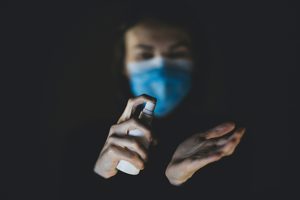
- The Rise of the Counterfeit Industrykunnskap-kristiania / 2020 / 09 / the-rise-of-the-counterfeit-industryKNOWLEDGE & KRISTIANIA: The Counterfeit Industry There is a “Perfect Storm” between two global destructive forces right now – the counterfeit industry and the Covid-19 pandemic. Both are highly undetectable, the fake products hidden in the grey and black markets, and the invisible virus. Amid the Covid-19 pandemic, the Chinese companies sold thousands of fake testing kits and medical masks authorities in Spain, Turkey and the Netherlands. Investigations by Interpol revealed that 2,000 online “pharmacies” sold fake equipment and medicine directed towards the victims of Covid-19. Read also: Korona-profitørene (in Norwegian) Invisible enemies The counterfeit medicine industry did not start now. The production of fake medicine is a major growing global industry. And just like Covid-19, – it is an invisible enemy difficult and costly to detect. It is hidden behind global and complex supply chains. The criminal entrepreneurs producing fake products are not the beach shops on a tourist destination that we perhaps think of. This is an industry that have top know-how of designing and production of counterfeiting products through reverse engineering, 3D-printing, logistics systems that can reach every state in the US and sometimes bitcoin payment technology. The Independent revealed March 25th, 2020 that the same producers of fake products with Ralph Lauren or Gucci labels are now producing masks labeled 3M with CE certification. During the pandemic, this is a dance between the devilish Covid-19 and the darkest online pharmacies, – and they meet only three clicks from your computer right now. Read also: Når kommunikasjon kan redde liv (in Norwegian) Haven of fake medicine The pandemic burns like a wildfire away from the well-organized western health systems into densely populated countries in the third world. Here, the global counterfeits medicine industry thrives and grow underneath fragile and corrupt governments, dysfunctional health systems and ineffective control. According to a report from the World Health Organization in 2017, fake malaria medication causes between 72,000-267,000 fatalities each year in Sub-Sahara. Center for Decease Control (CDC) have for a long time warned against fake malaria medicine. But the criminal entrepreneurs know exactly where the haven of fake medicine are, – it is in the third world. Read also: Hvordan kan vi unngå å kjøpe falskt medisinsk utstyr? (in Norwegian) The Perfect Storm Under the protective umbrella of an ill organized and dysfunctional health system, the peoples only hope against Covid-19 is Malaria medicine. The Hydroxychloroquine has a long history of counterfeits in the third world already. People that want to be prepared for the Covid-19 epidemic therefore turns to the grey medicine markets for help. But they are already caught in the perfect storm between the criminal supply chains and the pandemic. Many will probably buy a fake “lemon” product that in best case have no active ingredients and therefore does nothing harm. Worst case though, fake medicine may include rat poison or lead. An article by Camille Malplat, April 1, 2020 first in The Jakarta Post, indicates that the perfect storm is about to arrive in the third world: “The chloroquine craze is not just affecting the black market for drugs — it is also spurring the production of counterfeit medications. Cameroon’s government has already issued a warning about fake chloroquine, samples of which have surfaced in health centers.” Counterfeit medicine is big business Ordinary people going for a beach vacation probably meet the counterfeits Armani T-Shirts along the boardwalk shops. It looks like a trivial problem. But Brechtelsbauer and his colleagues found in a published paper in 2016 that between 35,000-50,000 online pharmacies, and 96 percent of these companies did not comply with patient protection regulations. These are the primary outlets for counterfeit medicine. A government report from the US Government Accountability Office (2018) found that 40 percent of products sold from well-known webpages were fake. Another recent report from Stroppa, Gatto, Pasha, and Parrella, (2019) found that more than 50,000 Instagram accounts promoted counterfeits, – a 171 percent increase since 2016. This is big business. An investigation from Frontier Economics (2017) estimated the industry to a 1 trillion $ business. This is a dynamic and flexible industry quick to respond to new upcoming demand in the market. For them, it is a perfect time for Covid-19. Dancing with the devil The legendary politician and corporate icon Bob McNamara called it “Fog of War” when leaders had to make decisions under extreme uncertainty. Covid-19 has the war-like similarities. Governments are forced to take quick decisions where the lack of valid information is extreme, and the consequences might be fatal. The pandemic reflects how vulnerable governments are when global supply chains dominate strategic resources for medicine and equipment. This epidemic shows that they have been left with worst case alternatives; to dance with the devil in the international grey markets. When the supply chains are complex, and it is a long geographical and political distance – the fog of war worsen the quality of health decisions. Distance leads to less information and an even more lethal interaction effect between Covid-19 and fake health products. Ill-prepared governments Most governments are ill-prepared for this storm. In spite of the fact that scientists for a long time have warned us. Is this a Pearl Harbor or 9.11 situation where politics are taken by surprise? No, it is not! It is the same criminal industry and the same mechanisms of unaware customers that have driven the other epidemic for years, – the Opioid-crises that killed 67,000 people in the US in 2018. Fake medicine containing the lethal ingredient Fentanyl flows into the grey markets world-wide. It is a global epidemic driven by the fake medicine industry. Covid-19 victims are just new profitable segments for the same industry. They scale up their global supply chains to cover the world demand for fake Hydroxychloroquine, protection gear, 3M masks and test kits. They are the global experts of counterfeiting production, stealing property rights and organize their global supply chains to meet uninformed customers. Deadly interaction Luck should not define consequences of the deadly interaction between pandemics and markets for fake products. Or as the polar explorer Roald Amundsen put it; “ victory awaits him who has everything in order, luck, people call it. Defeat is certain for him who has neglected to take the necessary precautions in time, this is called bad luck .” To base global health precautions on luck, like we now do, – should be contrary to health politics. We will keep losing against the intertwined vicious forces of the Covid-19 pandemic and the fake medicine. The parasite business of fake medicine should have been taken more seriously a long time ago. Because in a war like this, – victory awaits only those who has “everything in order.” What we can hope for So, precautions are precious gifts during crises. One of them are technology that can track down origin, share real-time information with customers, and control real quality. The food chains are already well prepared. Walmart together with IBM have applied blockchain technology that reduced the time to trace an item from the store to the farm from seven days to just 2.2 seconds. Similar technologies are weapons to trace down and catch copies, counterfeits and fake medicine and equipment. Preparedness through tracking technology should probably add to the crises supply resources. Especially during crises, – it is most important to track down the origin of medicine and health products like protection gear. During the Covid-19 crises this is a global problem. We need a system that can save time, – and time is a very scarce resource during a pandemic. References: Daragahi, B., Total disregard for people’s lives’: Hundreds of thousands of fake masks flooding markets as coronavirus depletes world supplies , in The Independent . 2020: UK. World Health Organization: Achieving and maintaining universal coverage with long-lasting insecticidal nets for malaria control . 2017. Center for Disease Control and Prevention, C. Counterfeit and Substandard Antima-larial Drugs . 2020 [cited 2020 April 11]; Available from: h ttps://www.cdc.gov/malaria/malaria_worldwide/reduction/counterfeit.html. Malplat, C., Africans rush for chloroquine as virus tsunami looms| , in The Jakarta Post . 2020. Brechtelsbauer, E.D., et al., Review of the 2015 Drug Supply Chain Security Act. Hospital pharmacy, 2016. 51 (6): p. 493-500. Office, U.S.G.A., Report to the Chairman, Committee on Finance, U.S. Senate, Intellectual Property. Agencies Can Improve Ef-forts to Address Risks Posed by Changing Counterfeits Market . 2018. Stroppa, A., Gatto D., Pasha L., B. Parrella, Instagram and counterfeiting in 2019: new features, old problems , in Ghost Data . 2019: Rome, New York. Economics, F., The economic impacts of counterfeiting and piracy , R.p.f.B.a. INTA, Editor. 2017. Center for Disease Control and Prevention, C. Opioid Overdose . 2018 [cited 2020 April 11]; Available from: https://www.cdc.gov/drugoverdose/ . This article is written for Kunnskapsmagasinet Kristiania (Kristiania Knowledge Magazine) and first published on 10 September 2020. Text: Professor Arne Nygaard, Department of Marketing at Kristiania University College and Professor Ragnhild Silkoset, Department of Marketing at BI Norwegian Business School. Photo: The counterfeit industry is big business. Illustration photo of girl with a mask. Photo by engin akyurt on Unsplash.
- What the FK-festivalaktuelt / 2019 / 05 / god-stemning-pa-enstemmig-what-the-fk-festivalPå årets What the FK-festival fikk vi prøve fem spill og se fem tilhørende motion comics pluss fem bakomfilmer til hvert prosjekt. Prosjektet var et samarbeid mellom studentene på Film , Spillgrafikk og animasjon , Spillutvikling , Illustrasjon og Musikk- og lyddesign . Årets tema var "The Lesser of Two Evils" og prosjektgruppene utviklet fem konsepter som ble hetende "Vingeløs", "Space Cowboys", "Stormen", "The Trolley Problem" og "This or That". Bransjetung jury Juryen besto av Elisabeth Monge fra NRK for lyd, Christian Lassem fra Fifth Season for spill og Jeppe Grüner fra Racecar for animasjon. I tillegg kunne publikum stemme på sitt favorittspill og velge sin favoritt blant motion comics'ene. Juryen var svært imponerte over det de fikk se. – Vi har sett ekstremt mye potensiale i dag. Det er mange som sitter i denne salen som kommer til å nå langt! sa Christian Lassem fra scenen. Juryen tester spillet The Trolley Problem. Prosjektledelse holdt i tøylene Studentene på Prosjektledelse sto bak hele arrangementet og imponerte med et flott gjennomført arrangement. Ingen film uten lyd Lyden til spillene og motion comics'ene var også et viktig element. Dette var det studentene på Musikk- og lyddesign som sto bak. I bakomfilmene fikk vi se hvordan studentene jobber med lyddesign i lydstudioet. Juryen testet alle spillene og gruppene fikk forklare prosessen bak spillet. Fredrik Haugen fra spillutvikling var en av de som fikk snakke med juryen om hva gruppa hans har tenkt når de lagde spillet Game Show aka. This and That. Fredrik Haugen fra spillutvikling forklarer juryen om spillet han har vært med å lage. Enstemmig jury og publikum Når prisene skulle deles ut viste det seg at juryen og publikum var helt enig. I kategorien spill var det Space Cowboy som vant. Og The Trolley Problem vant for beste motion comic. The Trolley Problem vant prisen for beste motion comic – både juryprisen og publikumsprisen! Filmstudentene som lagde bakomfilmen tar også litt av æren.
- Living the brandstudieportal / fakultet-for-ledelse-og-okonomi / bachelorniva / ltb2100 / living-the-brand
- Call for Contributions AR@K24: The Artist, The Ghost, and The Machineom-kristiania / kalender / call-for-contributions-ark24-the-artist-the-ghost-and-the-machineThe next AR@K symposium at Kristiania University College in Oslo will take place on 18 & 19 March 2024 and we are currently looking for contributions from across the fields of artistic research.
- The Designer’s Positionstudieportal / fakultet-for-samfunn-kunst-og-medier / masterniva / dpo4100 / the-designers-position
- The End of Gendered Marketingkunnskap-kristiania / 2020 / 11 / the-end-of-gendered-marketingKNOWLEDGE @ KRISTIANIA: Marketing In 2018, UN Women, a sub-division of the United Nations, launched an initiative called “Unstereotype Alliance”, which aims to eliminate the use of gender-based stereotypes in advertisement. This initiative has rallied large international companies such as Google, Microsoft, HP, Procter & Gamble, and GSK. Far from being anecdotal, this initiative sheds light on a more general phenomenon: the end of gendered marketing. Read also: Eye-shadowing Customers’ Reviews What is gendered marketing? Gendered marketing consists in segmenting consumers based on their gender and in tailoring one or several elements of the marketing mix (product, price, promotion, place) based on gender stereotypes (Powers 2019). One such stereotype is that pink is for girls and blue is for boys and, logically enough, a typical example of gendered marketing is when a product is offered in two colors: pink (targeting female consumers) and blue (targeting male consumers). This pink and blue divide is particularly common for children’s toys, but very different product categories are also affected: stationaries, medication, personal hygiene products, food and drinks to name just a few. Another typical example of gendered marketing is advertisement that portrays men and women in stereotypical gender roles. Read also: Svetter ut kunnskap om kundene dine (in Norwegian) Pink Tax In some instances, the two versions of the same product – one version targeting women and the other targeting men – are priced differently. In 2015, New York City Department of Consumer Affairs reviewed 794 products offered in both a male and a female version and found that the female version was 7% more expensive (on average) than the male version, a phenomenon popularized as the “pink tax”. Read also: Kunnskap Kristiania 2020/2021 (E-magazine). Consumers responses to gendered marketing The assumption behind the practice of gendered marketing is that consumers are more receptive to products or communication tailored to their gender. However, this assumption is challenged by two major societal changes. Traditional gender roles are blurring. For instance, household chores used to be considered the exclusive domain of women, but men and women are now splitting the housework. Conversely, jobs that used to be for men only – such as police jobs – are now dominated by women: in 2020, 51% of the first-year students at the Norwegian Police University College are women. As men and women are increasingly doing the same tasks, activities, and jobs, products or communication based on gender stereotypes become less relevant to consumers. The youngest generation of consumers disputes the binary classification of gender. A survey revealed that 50% of millennials consider gender to be a spectrum. As a result, millennials tend to look away from brands that practice gendered marketing, disapproving their lack of inclusion of consumers who do not identify as either male or female. Reinforcing gender stereotypes Besides, ethical concerns have been raised about gendered marketing. Notably, gendered marketing has been held accountable for reinforcing gender stereotypes (Lyons 2019). By portraying women and men in traditional gender roles, gendered marketing perpetuates the idea that such roles are the norms and goes against the societal changes mentioned above. Another consumer concern relates to the fairness of gendered marketing, particularly when a product targeting one gender is more expensive than the equivalent product targeting the other gender (Stevens and Shanahan 2017). What can marketers do? Because consumers are becoming less and less receptive to gendered marketing, marketing managers should consider practicing gender-neutral marketing. That is, they should consider stopping to use binary gender as a variable to segment consumers. Several brand initiatives exemplify this transition from gendered marketing to gender-neutral marketing. For instance, numerous toy stores have stopped categorizing toys as «for boys» versus «for girls»; instead, they categorize toys based on which occasion children play with them (outdoor, roleplay, etc.). In a similar vein, BIC launched a unisex razor, portraying both men and women in its communication and advertising the razor as «made to shave any hair anywhere», thus offering a truly gender-neutral product. More sophisticated segmentation In conclusion, firms should consider going beyond mere demographics and collecting more sophisticated consumer insights that allow a segmentation of consumers based on their personality traits, their interests, their lifestyle and so on. The goal is to tailor the marketing mix elements in a manner that resonates with what consumers deeply want, instead of assuming that the needs and wants of consumers depend solely on their gender. References: Lyons, E. (2019). Ban on ‘harmful’ gender stereotypes in advertising comes into force. Marketing Week . https://www.marketingweek.com/harmful-gender-stereotypes-advertising/ Powers, K. (2019). Shattering Gendered Marketing. American Marketing Association . https://www.ama.org/marketing-news/shattering-gendered-marketing/ Stevens, J. L., & Shanahan, K. J. (2017). Structured abstract: Anger, willingness, or clueless? understanding why women pay a pink tax on the products they consume. In Creating Marketing Magic and Innovative Future Marketing Trends (pp. 571-575). Springer, Cham. This popular article is first published in Kunnskap Kristiania 2020/2021 . Kunnskap Kristiania is a science Communication Magazine published by Kristiania University College. Text: Associate Professor Delphine Caruelle, Department of Marketing at Kristiania University College.
- Participants needed for the research project “FactArt: Samfunnet ser”forskning / forskningsgrupper / participants-needed-for-the-research-project-factart-samfunnet-serParticipants needed for the research project “FactArt: Samfunnet ser”
- The Johan Arndt marketing conferenceom-kristiania / kalender / the-johan-arndt-marketing-conferenceKonferansen, som er oppkalt etter markedsforskningspioneren professor Johan Arndt, samler akademikere og næringslivsledere for å presentere og diskutere de nyeste utviklingene innen forskning og undervisningskonsepter i markedsføring og tilgrensende fagfelt.
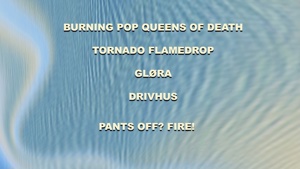
- Konsert: Beat The Elementsom-kristiania / kalender / beat-the-elementsTorsdag 9. oktober kl. 18.30 fyller studentene på Institutt for musikk auditoriet på Fjerdingen med god stemning! Fem band fremfører tre sanger hver, hvor utgangspunktet har vært låter/artister med kobling til de fire elementene – jord, luft, ild og vann.
- Living the Brandstudieportal / fakultet-for-ledelse-og-okonomi / bachelorniva / ltb2101 / living-the-brand
- Gjestespill NBX: The Rules of the Game (av Yann Verburgh)om-kristiania / kalender / gjestespill-nbx-the-rules-of-the-gamePå scenen står 10 studenter fra Fakultet for musikk og teater i Timisoara sammen med 12 studenter fra Nordic Black Xpress i Oslo.

- Why the WHO failed when the world needed it mostkunnskap-kristiania / 2025 / 11 / why-the-who-failed-when-the-world-needed-it-mostSCIENCE NEWS FROM KRISTIANIA: Health and communication When COVID-19 struck, we watched as the World Health Organization, humanity’s supposed guardian against pandemics, became a target of political attacks. A group of researchers embarked on an ambitious project: to systematically map every criticism leveled at the WHO during the pandemic. What we found shocked even us. Diving into the chaos We analyzed documents focusing on the most thorough studies from around the world. Think of it as an autopsy of a failed global response, examining every organ of dysfunction. We weren't interested in pointing fingers; we wanted to understand the systemic failures that turned a health crisis into a geopolitical battlefield. Our research revealed six major failure points, each more troubling than the last. The delay that cost lives The most damaging criticism was WHO's sluggish response to early warnings. We documented how Taiwan , excluded from WHO due to Chinese political pressure , sent alerts about human-to-human transmission that went unacknowledged. By the time WHO declared a pandemic, the virus had already conquered the globe. But here's what most critics miss: WHO can only act on information member states provide. It's like being a fire chief who can't enter a burning building without the owner's permission. The organization was structurally designed to fail in exactly this scenario. Following the money trail During our research, we found out that over 80% of WHO's budget comes from voluntary contributions that donors control. Imagine trying to manage a pandemic while your funders dictate which diseases you can fight and which countries you can help. We found that this financial stranglehold meant WHO often had to prioritize donor interests over global health needs. It's not corruption; its structural dysfunction built into the system. When communication became contamination We meticulously analyzed WHO's communication strategies and found a devastating pattern. The organization's messaging was inconsistent, unclear, and often contradictory. Remember the mask confusion? First, they weren't necessary, then they were essential, then only medical-grade ones worked. Our analysis showed this wasn't just about evolving science , it was about an organization trying to balance scientific uncertainty with political pressure while lacking a coherent communication strategy for the social media age. The vaccine divide deepen ed COVAX was supposed to be the solution to vaccine inequality. Our research documented how it instead became a symbol of failure. While wealthy nations stashed vaccines, COVAX struggled with underfunding, supply chain disasters, and political interference. We found that some countries were administering fourth doses while others hadn't received their first shipments. This wasn't just inequality; it was a breeding ground for new COVID variants that would come back to haunt the vaccinated world. The geopolitical tornado Perhaps our most alarming finding was how the U.S.-China rivalry paralyzed WHO's response. We documented how accusations flew both ways ; the U.S. claimed WHO was "China-centric," while China portrayed criticism as Western bias. Meanwhile, the virus didn't care about politics. This political tension escalated further with President Trump’s use of the term “Chinese virus” and his threats to withdraw funding. These weren’t just diplomatic tantrums ; they represented a fundamental breakdown in global health cooperation when unity was essential. As we write this, new health threats are already emerging Trump's announcement to pull America out of WHO on day one of his presidency wasn't surprising ; our data predicted it. We'd documented how trust in WHO had split along partisan lines like a geological fault. Republicans viewed the organization as compromised by China, while Democrats saw it as essential but flawed. This wasn't just American drama. Our research revealed similar fractures globally. When the world's largest economy and historically biggest health donor walks away, it validates every concern we raised about WHO's structural vulnerabilities. What next? Our research doesn't just diagnose problems ; we offer a prescription. WHO needs guaranteed funding independent of political manipulation. It needs authority to declare emergencies without waiting for political permission. It needs transparent governance that rebuilds public trust. We also discovered something hopeful: regional organizations like Africa's CDC showed that decentralized responses could work. The future might not be one global authority but networked regional bodies that can act quickly while coordinating internationally. As we write this, new health threats are already emerging . Our research isn't just academic ; it's a warning. Without fundamental reforms, the next pandemic will find us just as divided, just as unprepared, and just as vulnerable. The virus taught us that pathogens don't respect borders. Until our response systems learn the same lesson, we're fighting blindfolded with our hands tied. References: Mohamed Nour, M., Kisa, S., & Kisa, A. (2025). Examining criticism of WHO’s COVID-19 response: a scoping review. Humanities and Social Sciences Communications , 12 (1), 1-13. Text: Magde Mohamed Nour , PhD-candidate, School of Health Sciences, Kristiania University of Applied Sciences. This article was also published on sciencenorway.no on the 13. November 2025, with the title " Why the WHO failed when the world needed it most ". We love hearing from you! Send your comments and questions regarding this article by e-mail to kunnskap@kristiania.no .

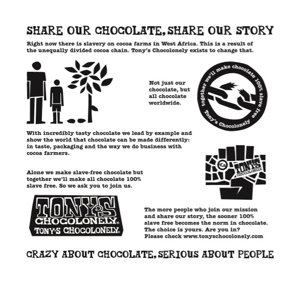
- The Power of a Storykunnskap-kristiania / 2020 / 05 / the-power-of-a-storyKRISTIANIA TOOLBOX: Storytelling Businesses need to do more than just define who they are and what they do. They also need to engage employees, customers and shareholders, by translating their purpose, values and actions into relevant narratives that enable people to express their identities. Stories then are not simply functional but emotional instruments that create meaning and stimulate ideas by delivering logos (rational argument), pathos (emotional connection) and ethos (moral authority). What does this mean in practice? Both start-ups (eg bbhugme ) and well-established organizations (eg Rapha , Greenpeace , Telenor ) create different sorts of narratives: foundational myths, values-based stories and everyday anecdotes. Some of these narratives will endure, but others, that fail to resonate, will disappear. Read also: Adidas’ Back to the Future Strategy Natural way of communicating ideas From the organizations’s perspective, storytelling is a way to share knowledge and experience by creating a feeling of connectivity and involvement and to link the past to the future. We hear a story about a brand and it can stir our imagination – we might believe this is a company I want to work for or a product I want to support. Storytelling also enables an organization to communicate an idea of itself that is distinctively different from other organizations. The reality is that because storytelling is such a natural way of communicating ideas, organizations will be using stories whether they plan and execute a programme or not. Read also: Co-creation of Brands How Tony’s Chocolonely tells its story As an illustration of the power of stories, take the Dutch chocolate brand, Tony’s Chocolonely . Tony’s Chocolonely didn’t set out to be a brand – it was a protest by three Dutch journalists about the use of slavery in cocoa farming in West Africa. They built a narrative around the issue, through a TV programme produced by one the journalists and then by one of the journalists handing himself into the police for eating a product that he knew was produced by slaves. When the case went to court he was acquitted, but it made the issue national news. To make their point, they then decided to create their own chocolate brand, called Tony’s Chocolonely (after one of the journalists, who was called Teun). The brand was an immediate success, selling out its entire first production run in the first day. Read also: Why consumers co-create Bought into the story Customers bought into the Tony’s Chocolonely story, not least through the wrapper which features a graphic about slave free chocolate and tells the story of how cocoa is produced by slaves. In 2012 Tony’s Chocolonely also introduced the unequally divided chocolate bar, (to express the unequal nature of the chocolate business) featuring the shapes of the cocao producing countries of West Africa. Angela Ursem , Movement Maker at Tony’s Chocolonely says, ‘We sold over 40 million pieces last year, and that means that there are potentially 40 million people that get in touch with our mission. So, it’s a super important communication piece. And of course, this is also really where the whole Tony story started and it’s also not that we created a chocolate bar, and then we created the story. No, the story was first, about the mission, that we want to eradicate child labour and modern slavery from the cocoa supply chain, and then we decided to make a chocolate bar. So, it’s first the story, then the bar, and then the branding.’ Today, Tony’s Chocolonely is in many different countries (including Norway) and, as of 2019, it is the largest chocolate brand in the Netherlands. Interestingly, it has never used paid media to achieve this position. Rather it tells its story through its product and encourages its customers to share narratives about the brand and its cause. Storytelling comes with obligations While storytelling is persuasive, we should also exercise some caution about its use. First, what the organization intends to communicate with a story, is not necessarily how it will be received. As the semiotician, Roland Barthes noted in his famous article, ‘The Death of the Author’, the meaning of something is not determined by the author of a story, but by its receiver. What Barthes noted in his 1968 essay is further compounded by the prevalence of social media, which can sometimes enrich (as is mostly the case with Tony’s Chocolonely) or sometimes confuse the message through different interpretations. Second, the credibility of a story relies on how well it is told, but also whether it aligns with other organizational stories and actions. Telling stories – as Barthes also observed – is an editing process. As the writer of the story we choose to both reveal and conceal. Editing can help bring meaning to the fore, but it can also undermine it. So, while we should embrace the power of stories as an effective way of communicating, we should also recognise that storytelling comes with obligations. References: Roland Barthes (1968) ‘ The Death of the Author ’. Yiannis Gabriel (2000) ‘Storytelling in Organizations.’ Oxford University Press. James Geary (2012) ‘I is an other: the secret life of metaphor and how it shapes the way we see the world.’ Harper Perennial. Sandra Horlings (2016) ‘Crazy about chocolate, serious about people’in Brands with a Conscience: how to build a successful and responsible brand. Eds Ind N and Horlings S., Kogan Page, 85-101. This article is written for Kunnskapsmagasinet Kristiania and first published on May 19th, 2020. Text: Professor Nicholas Ind, Department of Economics and Innovation, Kristiania University College and Holger Schmidt.
- Project Management at the Theatrekunnskap-kristiania / 2021 / 08 / project-management-at-the-theatreONGOING RESEARCH @ KRISTIANIA Creative industries To many in creative industries, the framework and vocabulary of project management seems unfamiliar to how they perceive their project-based work. Nonetheless they manage to develop and complete complex large-scale projects. The flexible and dynamic nature of project management in creative industries, along with an impressive ability to complete complex projects within set deadlines are under-researched and highlight the promise this field holds for the future of project management studies. Read also: Kunnskap Kristiania, the Innovation Issue (E-magazine) Increasing popularity From their roots in traditional organizational models of engineering and industrial mass production, a myriad of project management frameworks have emerged over the last few decades. Spearheaded by the software development industry, new and agile approaches to project management which emphasize creativity and flexibility, have been widely popularized and adapted in a wide range of industries, including creative industries. Despite their increasing popularity and usage however, knowledge about the appropriateness of project management philosophies in creative industries is limited. This is all the more surprising considering that this sector is considered to be one of the most established `industries’ when it comes to project-based, temporary organizational structures. Read also: Bak musikkbransjens glamorøse fasade (in Norwegian) Challenges Facing Creative Industries The increasing use of `project´ as a form of organization of work in both the private and public sector, also within creative industries, has made it possible to talk about a projectification of society. Some have gone so far as to suggest that short-term, project-based and contractual models of organization observed in the creative industries are harbingers of the next `new economy´ and could become the dominating organizational model for the broader, knowledge-based economy. Since the creative industry is highlighted as a rapidly growing part of international labor markets and play an increasing role for many countries' value creation and attractiveness, it is necessary to improve our understanding of how these organizational and leadership models work alongside the problems they face. The biggest challenge connected to the application of project methods and tools in the creative industries is the potential mismatch between using a streamlined and rigid approach of project management within the more flexible, creative industries. Project view on artistic production There is a need for more research exploring the contribution of the artistic, creative and explorer mindsets to project management. I will explore this field through a PhD and the research will be framed around the following key questions; How do the creative industries manage to complete large-scale, complex projects despite not necessarily identifying with project management terms and methodology? What elements of their practices can be understood to match with existing approaches and which, if any, represent entirely new ways of approaching the management of projects? To what extent can these insights be fruitfully applied to other project based work, both within and outside the creative industries? The project work form is important in the creative industry because all artistic production can be seen as a single project, be it a concert, a festival, a dance performance, a film or a theatre production. Read also: Skapte nye forbindelser mellom sang, dans og skuespill Characteristics of theatre projects To explore my key questions I intend to focus on the performing arts, in particular theatre productions (projects). They differs from other industries in having a variety of unique aspects which can provide important insights. Most theatrical producers and directors work with project management and planning in order to be able to coordinate everything. However, even though they use models for project context, they don´t necessarily identify with project management terms and methodology. The history of theatre is much longer than the comparatively short history of modern project management and during this long tradition a set of successful routines emerged which, consequently, could be considered as models for project contexts outside of theatre. While theatre productions exhibit a strong focus on human, creative and aesthetic aspects, they also involve other activities that are similar to more standard project management functions. Managerial personnel in a theatre operation must manage a complex of interrelated processes to ensure that crucial activities are completed on time. During the project, manuscripts are finished, teams are designed, scene construction and costumes developed, plans for rehearsal processes are made, plays and music are rehearsed. In parallel to these activities, the upcoming play is marketed and tasks related to economy, work conditions and stake-holders among others. An interesting aspect of theatre work is the common goal; the premiere. The completion of the project (production of the play) is subject to perhaps an even more critical deadline than projects managed in other industries, for example construction. It is very rare to hear about postponing or delaying a play in theatre, an interesting and possibly useful aspect that could be applied to other industries. Together, these unique characteristics highlight how the performing arts provide a rich and under-researched setting for new approaches and insights in the field of project management. References: Jones, Candanse, Mark Lorenzen, and Jonathan Sapsed. 2017. The Oxford Handbook of Creative Industries. Oxford: Oxford University Press. Petrović, Dejan, Vesna Milićević, and Adam Sofrinijević. 2017. “Application of project management in creative industry”. European Project Management Journal 7 (2): 59-66. Pielichaty, Hanya, Georgiana Els, Ian Reed, and Vanessa Mawer. 2017. Events project management. Adingdon: Routledge. This popular article presents higlights form a research proposal on Project management and creative industries in the era of projectification. This article is first published in Kunnskap Kristiania, The Innovation Issue (link to E-magazine) released on August 19, 2021. Text: Assistant professor Silje Straume, School of Arts, Design and Media, Kristiania University College. We love hearing from you: Send your comments and questions regarding this article by E-mail to kunnskap@kristiania.no .

- The Rise of Generation Cokunnskap-kristiania / 2020 / 09 / the-rise-of-generation-coKNOWLEDGE @ KRISTIANIA: Nicholas Ind on Geberation Co We know different societies vary in terms of their orientation towards individualism (me) and collectivism (we), rooted in their histories, political systems and cultural values. We also know that the orientation—from Asian Confucianism to northern European social democracy to American individualism—has consequences in terms of social trust and cohesion. What we have seen, in the context of the COVID-19 crisis, is that wherever societies start from on the “me-we” continuum, there has been a movement towards the “we”. This is not universal: we can observe steps in the other direction, particularly by those who feel threatened by others who are seen to be somehow culpable for spreading the virus or for restraining individual freedom. Read also: Why consumers co-create Yet, what can be observed in the innumerable acts of kindness towards others, the willingness to raise funds for social causes, the commitment of health care professionals and service workers, and the ongoing concern for the well-being of friends and family, is a resurgence of “we”—the sense of a common humanity underpinning society. The question is, will this endure? Read also: Co-creating Brands with a Purpose Generation Co Our judgement is that Generation Co—a multi-generational cohort—will maintain its commitment to others. This will be expressed locally, face-to-face, as people work together to solve problems and seize opportunities in their community, and globally, primarily through online networks that can bring together people with shared interests and common passions—whether it be conscious fashion, sustainable food sourcing or climate change. Whereas, local versus global, has often been described in terms of oppositions (citizens of Somewhere against citizens of Nowhere), we view the global and local as co-existing in Generation Co. People are simultaneously embedded in local activities and part of global networks. Identity will increasingly be determined both by our Somewhere and Nowhere roles. There are three interconnected factors that support this. Read also: Making your knowledge more impactful The means to connect Philosophers, sociologists, psychologists and anthropologists give strong emphasis to the importance of being-with; being connected to others is essential for us. This is concerned both with frequency of contact and the depth of relationship, which in turn determines how emotionally connected we are and how altruistic we are to each other. The more open we are, the better we are able to empathize and to understand other people’s motivations and intentions. Ironically, while the COVID-19 crisis has created social distancing, it has also stimulated an awareness of the need for social connection. This has led to a realization of the importance of being with others, both physically in small groups, but also online through social media and the power of platforms such as Zoom and Teams. Whereas the former is very specifically local, online platforms allow for global connectivity. It is likely that this will continue. The effervescence of social life, which describes the buzz of being with others and the lingering sensation of joy afterwards, is a powerful incentive for people to connect and share. Taking responsibility If the dopamine generated by social connectedness provides people with the motivation to connect, collectivity enables them to effect change. As the philosopher Karl Popper observed, institutions cannot improve themselves—that is the responsibility of people. A powerful example of this, prior to the COVID-19 crisis, was the campaigning on climate change by Greta Thunberg. She is an apt example of Popper’s point, in that she took on the responsibility to improve the failings of institutions in terms of climate change. She did not start out on a global quest, but her organic, localized protest, amplified by media (social and otherwise) became global and highly influential. The crisis also generated local heroes, such as Capt Tom Moore, who at age 99, set out to complete 100 laps of his garden before his 100th birthday as a way to raise £1,000 for the National Health Service and ended up raising £32 million; and individuals who have contributed to collectives such as Coronavirus Makers, where some 20,000 people have designed, produced and distributed material for health institutions to fight COVID-19. As these examples demonstrate, spurred by perceived injustices, unfair practices or causes that need addressing, people will take responsibility for the world around them, independent of institutions. However, we might add that governments also play a role in sponsoring change. It was noteworthy, that the Dutch prime minister Mark Rutte also asked the young people of the Netherlands to help think about how the country should tackle the coronavirus crisis. Co-creating solutions that are participative and fair Rutte’s request was interesting, not least because it demonstrated a willingness to listen to citizens. For the greater good, governments have mandated behavioural change on a significant scale and overridden many of the concerns of citizens. As some of the constraints of COVID-19 begin to loosen, albeit falteringly, we would argue that Rutte’s response is the right one. Governments, institutions and businesses need to recognize that citizens want to play an active role in deliberating about their futures. Voters are adults, who expect to be part of a “grown-up” debate, not just individuals to be influenced to vote this way or that in computer-assisted, targeted communication. This doesn’t negate the role of government as an arbiter and influencer, but it does recognize the important role people can play in co-creating post-pandemic solutions that are participative and fair—and not dictated by narrow self-interest. In conclusion, overall our view is essentially optimistic. The Generation Co that has emerged in the crisis is cognizant of not only their connectedness to others, but their responsibility to shape their local and global environments for the common good. The power of a strong idea and the prevalence of social media also enables a cause to transcend the local and realize broader benefits. We foresee that wise governments will encourage this initiative and promote genuine democracy. We expect to see a new generation of more “conscientious” leaders arising from Generation Co, driven less by self-interest (or self-obsession) and more by a social compass. References: C. Hampden-Turner and F. Trompenaars: Building Cross-Cultural Competence: How to Create Wealth from Conflicting Values. Yale, Conn.: Yale University Press 2000. F. Fukuyama: Trust: the Social Virtues and the Creation of Prosperity . New York: the Free Press 1995. D. Goodhart: The Road to Somewhere: the Populist Revolt and the Future of Politics . London: C. Hurst & Co. 2017. Theresa May, the Prime Minister of the UK also used this theme at the 2016 Conservative party conference when she said, ‘… if you believe you are a citizen of the world, you are a citizen of nowhere. You don’t understand what citizenship means.’ C. Gamble. J. Gowlett and R. Dunbar: Thinking Big: How the Evolution of Social Life Shaped the Human Mind. London: Thames and Hudson 2018. D. C. Dennett: Darwin’s Dangerous Idea: Evolution and the Meanings of Life. New York: Simon and Schuster 1995. K. Popper: The Open Society and Its Enemies. Milton Park: Routledge 2002. This article is previously published as a blogpost on the web pages of Medinge Group on September 17, 2020 under the headline « Generation Co on Society: From me to we ». Text: Professor Nicholas Ind, Department of Economics and Innovation, Kristiania University College and Holger Schmidt. Photo: Generation Co influencing society. Illustration Photo by Priscilla Du Preez on Unsplash.

- Bridging the gap between art and sciencekunnskap-kristiania / 2021 / 09 / bridging-the-gap-between-art-and-scienceKNOWLEDGE @ KRISTIANIA: Artistic Research When Johannes Kepler drew musical notes in his books reflecting on the universe as a harmony in music and when Albrecht Dürer developed the linear system in painting based on scientific calculations, science, humanities, art, knowledge production, epistemology had not yet been exposed to systematic institutionalisation and claustrophobic categorisation. Kepler, the scientist, and Dürer, the artist, shared basic ways of producing knowledge and approaching their material, e.g., by observing, by finding patterns and by conceptualizing. To them mixing the fields of art and science did not represent a schism, it offered possibilities and solutions they could not have accessed by treating either field separately. Read also: Kunnskap Kristiania, the Innovation Issue (E-magazine) What qualifies as Artistic Development Work? Today Artistic Development Work presents us with an opportunity to enhance our perception of art, science and academia in general. Art is intrinsically reflective, researching and investigative, so what kind of artistic activity qualifies as Artistic Development Work and not simply as art? Whereas making art contains different forms of reflection and knowledge production the primarily objective is production of art within a given artistic community, i.e., a given art product being the main goal. Artistic Development Work, on the other hand, attempts in and through the art production (the process and the practice) not only to participate in and contribute to the artistic community, but also to gain an epistemological outcome of art making and art practice, i.e., to what we comprehend and cognize. Thus, Artistic Development Work includes a wide range of explorative and reflective methods, concepts, and ideas rooted in the making of art. Read also: Project Management at the Theatre Useful beyond the sphere of art Since the focal point of Artistic Development Work is to create new knowledge within a given area there is generally a strong emphasis on developing new methods and practices. This exploratory – and not explanatory – approach to research is often seen as contrary to traditional scholarly research. However, Artistic Development Work-methods have turned out to be useful also beyond the sphere of art. Artistic Development Work-projects are documented to intertwine with non-artistic projects on a variety of fields such as gender issues, environment, political matters, globalization etc. Perhaps the most tangible example of the benefits of Artistic Development Work-methodology in science is the concept of art-science. Typically, art-science projects are conducted as artist-in-residence programs. The artists may function as advisors, collaborators, interlocutors or give workshops or work on an artwork. Fusion of science, technology and arts The STARTS (Science + Technology + Arts)-project, initiated and funded by the European Commission, is an emblematic example of how art-science can contribute to technological innovation safeguarding human needs and values. The fusion of science, technology and arts has shown how transdisciplinary approaches can handle complex challenges not only within the realm of science and technology, but also with regards to organizations and organizational structures. Read also: Skapte nye forbindelser mellom sang, dans og skuespill (in Norwegian) Platform for transdisciplinary collaboration Kristiania University College is an adequate platform for transdisciplinary collaboration. Health sciences, innovation and technology are obvious areas where Artistic Development Work can be involved in developing new knowledge and new methods and simultaneously gain experience with and insight into theories and methods beyond art and Artistic Development Work. As the largest centre of arts education in Norway, the School of Arts, Design and Media at Kristiania is a crucible of creativity and learning. Students meet music, dance, film, music theatre, creative writing, acting, and more under the same roof while Artistic Development Work is grounded in a diverse academic environment. Read also: Bak musikkbransjens glamorøse fasade (in Norwegian) Tool for reaching out Together a variety of disciplines from seemingly adversarial professional zones can bridge the academic gap between art and science. Transdisciplinary collaborations within Kristiania could even be used as a tool for reaching out, initiating research alliances and partnerships with both public institutions and private companies, nationally as well as internationally. So, the paradigmatical gaze of the scientist can indeed be combined with the mystifying gaze of the artist researcher. Or maybe that is the wrong way to put it. Perhaps there is a closer affinity between the scholar’s approach to finding out and the artist’s way of exploring than institutional borders suggest. Furthermore, the typical meeting the extraordinary, the typical linked with the idiosyncratic, the general facing the individual etc. is not only enriching both science and Artistic Development Work in itself, but also forcing us to continuously revaluate what science and research is all about, and eventually spur us on to find what we are not looking for. Reference: This article is first published in Kunnskap Kristiania, The Innovation Issue (link to E-magazine) released on August 19, 2021. Text: Associate professor Ole Egeberg, School of Arts, Design and Media, Kristiania University College. We love hearing from you: Send your comments and questions regarding this article by E-mail to kunnskap@kristiania.no .