Søk
Filtre
Filtre
Resultat
- 2611studieportal / fagskolen-kristiania / fagskoleniva / 2611
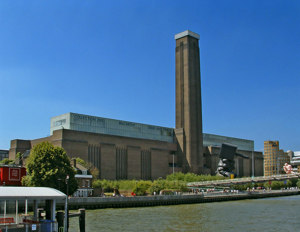
- Co-creation of Brandskunnskap-kristiania / 2019 / 12 / co-creation-of-brandsKNOWLEDGE @ KRISTIANIA: Brand Management Whose brand is it anyway? The answer to the question of who ‘owns’ a brand might appear to be self-evident. Yet the answer is not as simple as it first seems. Traditional marketing thinking with its managerial perspective, would argue that it is the company that owns the brand. In one sense this is true. A company owns the intellectual property that has gone into the design and development of the brand. It tries to invest the brand with relevant value and communicate that through its marketing communications. However, the company does not own the outcome. When Adidas uses the singer Pharrell Williams as the designer for its Human Race sneakers, it aims to suggest specific associations, but whether it succeeds or not is determined by the consumer, not adidas. If I like Williams’ music and adidas I might be spending my evenings with other sneakerheads sharing thoughts about the brand online and perhaps telling people about it when I meet them. Perhaps then it would make sense to argue that it is you (the consumer) that owns the brand. This is an interesting shift because it taps into the idea that while the company makes an offer, it is the user who determines value through their use of the brand. Yet,this is slightly misplaced, because what the consumer owns here is the experience of purchase, rather than the brand itself. Read also: Why consumers co-create A space in between It becomes apparent that the brand then is nether owned by the Organization nor by the consumer, rather it is created through the interactions and negotiations between the organization and its stakeholders and between stakeholders. This view of a connected individual and an organization suggests we should not see two separate entities, but rather a space where the two fuse. More than this: once we expand the relationship from a simple one between the brand and the individual, we can begin to see a network of evolving connections. Consumers can be commentators, innovators and investors. They will often be employees themselves and also have relationships directly with users, intermediaries and employees in other organisations. In this context the brand is always ‘becoming’, as a spectrum of different meanings emerge from interactions. The implication of this is that brands are co-created in a networked world. No longer can we see brands as having an organizationally determined fixed meaning. Rather they become fluid and adaptive and their meaning emerges out of this polyphony. The example of Tate Modern Take, for example, a cultural brand, such as Tate Modern in London. Tate Modern has a distinctive idea of itself, that is rooted in its location, its role in cultural life and its collection of modern and contemporary art. It’s highly successful and has more visitors than any other attraction in the UK (nearly 6 million people a year). Yet, the Tate Modern brand is not solely defined by a coterie of managers. Inside the Tate, there are many voices including curators, communicators and educationalists, while outside there are artists, critics, members and visitors. All have the possibility to talk and to shape what the brand is through what they say and write. The Icelandic-Danish artist, Olafur Eliasson , who has had major exhibitions at Tate Modern in 2003 and 2019, notes that a cultural institution ’…has to do with collaborative agency, with creating a space that increases trust – it’s about ’we-ness’. In other words, a place where people can come together and co-create meaning. The implications for brand management What might the implication of this co-creative perspective be? It means that managers still have influence over the direction of a brand (and it is important that they are clear about what the intended brand meaning is) but they no longer ’own’ or control it. This in turn argues brand co-creation is a fact of life. Whether organizations choose to embrace co-creation and build communities and networks and develop ideas with their consumers or not, they cannot avoid the reality that their brands will morph into new shapes through the actions and communications of their stakeholders. The co-creative approach to brand building therefore involves less managing and more humility, listening and learning together with others. Reference: Nicholas Ind, Holger J. Schmidt (2019): Co-creating Brands: Brand management from a co-creation perspective. Foreword by Venkat Ramaswamy and contributions from twenty co-creators. Published by Bloomsbury in December 2019. Photo: Tate Modern viewed from the Thames. By Christine Matthews. CC BY-SA 2.0. Text: Professor Nicholas Ind, Department of Economics and Innovation, Kristiania University College.
- The invisible skill everyone will needkunnskap-kristiania / 2026 / 6 / The-invisible-skill-everyone-will-needSCIENCE NEWS FROM KRISTIANIA: Coding Coding is no longer a skill pertaining only to developers and “computer people ”. It is a fundamental skill in this digital age; it’s a way of thinking, an approach to problem solving. There is a reason why I call it magic . The foundation of all computing machinery lies in mathematics. But how did we go from 0s and 1s to finn.no and secure online banking? For many, it can seem abstract how simple electrical pulses can ultimately give rise to something as complex as ChatGPT. T his "magic" doesn't materialize from thin air, it's built on a foundation far more precise than any magic spell book. Knowing how to code gives you life skills E veryone should learn how to code! If not as a career choice, as a problem-solving skill, and as a fundamental skill in the digital age. When you program, there is a certain way to approach a problem, there are certain rules you must respect , and there are certain steps you must follow . You analyze a problem and design a solution, clearly defining each step needed to reach it . You are applying a structured problem-solving approach. This is a useful skill not only in programming but in any field where complex problems arise. Moreover, debugging a piece of code (investigate the code step by step to check where an issue arises), teaches patience and resilience. Programming is no longer limited to software engineers; it is becoming a core skill across diverse fields such as finance, healthcare, and marketing. In finance, it enables analysts to automate complex calculations, analyze market trends, and develop predictive models. In healthcare, programming powers diagnostic tools, data management systems, and personalized treatment algorithms. In marketing, it allows professionals to analyze consumer behavior, optimize campaigns, and implement data-driven strategies. As industries increasingly rely on data and automation, programming has become an essential tool for problem-solving, innovation, and efficiency across virtually every sector. Do you want a program to make your coffee – here you are! Coding isn’t always about solving serious problems – it can be fun too. You can automate all sorts of trivial tasks. One programmer, for instance, wrote a program to make the office coffee machine brew a latte. The code waits 17 seconds before starting the brew, and once it’s ready, it waits another 24 seconds before pouring the coffee into a mug ( Abrakadabra ? No , exec make_coffee ) . The timing was calculated based on how long it took this programmer to walk from his desk to the coffee machine; perfectly timed automation! This story may or may not be true, but here is the GitHub link so you can check it yourselves: https://github.com/NARKOZ/hacker-scripts . Sometimes you write code not because you must, but because you can, and that’s pure power. Understanding programming enhances digital literacy. When you know how it works, you better understand how apps and website function, seeing beyond the interface to the logic behind clicks, forms, and page transitions. You begin to recognize delays, understand how inputs connect to databases, and appreciate the complexity behind features like search or recommendations. This knowledge also helps you tell whether something is broken or simply misused. As your technical intuition grows, you become more confident exploring new technologies , knowing they often rely on the same fundamental principles. Code, programming, syntax – what does it all mean? You’ve likely heard the terms coding, programming, and programming languages, but it’s worth clarifying them . A code is a set of instructions that tells a computer what to do, and coding is the act of writing those instructions. While often used interchangeably, programming goes a step further ; it includes not only writing code but also designing, testing , and maintaining it, often involving algorithms and data structures. For example, you can write code using HTML, CSS, Python, or Java. However, HTML and CSS are not programming languages since they lack computational logic. Programming is no longer limited to software engineers In contrast, languages like Python, Java, and C are considered programming languages because they can perform logical operations and calculations. Whether you are writing a simple calculator program that runs in the console, or develop ing complex systems, the amazing feeling when your code compiles and runs correctly is universal and indisputable. You might feel like Luffy or Superman (pick your favorite superhero). Yet just like Superman, we have our kryptonite. It starts with syntax . “ It's leviOsa , not levioSA !” – Yeah, coding is fun, until a small mistake like a missing semicolon, bracket, or even a space causes an error. Luckily for us, modern tools make it easy to spot such errors, unless u want to live in a cave and use Notepad++ (which, don’t get me wrong, I personally love). Y ou also run into compatibility issues, collaboration challenges when working in teams, and, sooner or later , the classic line every developer has used at least once: “It works on my machine!” (Here is a question for you dear reader: how to program a program that programs a program?) The world’s first programmer Ada Lovelace is widely recognized as the first computer programmer, and yet she lived in the 1800s (1815-1852). Even though she did not program in what we consider today as programming, she created what is now known as “ an execution trace ”, or an algorithm written for execution by a machine (note that the concept of algorithm itself is much older). She worked on the Analytical Engine, a project initiated by Charles Babbage. While Babbage himself was mostly concerned with numeric calculation, Lovelace recognized that computation could be applied to far more than numbers, which earned her recognition as the world’s first programmer . Nearly a century later, Alan Turing introduced the Turing Machine (1936), an idealized mathematical model that captures the core principles of modern computing: reading and writing memory, executing instructions, and transitioning between states. Although abstract, this concept laid the theoretical foundation for programmable machines and remains one of the most influential ideas in computer science. Building on this theoretical groundwork, the field soon moved toward practical ways of instructing machines. The magic behind your gaming and online shopping Let’s now dive in to more important stuff : magic. It doesn’t matter if you are a fresh developer, or a seasoned one, we all started with one phrase: “Hello World ”. printf ( “Hello, World!\ n”); System.out.println (“Hello World”); echo( “Hello World!\ n”); And indeed, it did open a Whole New World for us! The computer is the magic carpet that allows us to explore the world, our modern wand that allows us to create. A structured mix of elements, silicone, copper, gold, etc , in a box; a few phrases and words combined in a very particular way to be translated in another set of instructions, then to 1s and 0s, which represent electrical pulses – these are able to help you write your papers, create your presentations, watch a video, play Minecraft and shop online! If that is not magical...! We have grown so used to our computers, to our tablets and our phones, that we have forgotten to recognize the magic behind all the science that makes it possible . Programming unit es people Programming languages are universal tools that break cultural and linguistic barriers, allowing developers from different countries, backgrounds, and time zones to collaborate. Whether it’s contributing to an open-source project, building a cross-border app, or sharing algorithms online, programming provides a common language that unites people around shared goals. Therefore, coding doesn’t just create softw a re ; it creates a global community where ideas, solutions, and innovation can flow freely across borders. (Gaming does that too, but that is another article.) In this global community , humor thrives too. Who says nerds cannot be funny ! Whether you are in Oslo, New York or Tokyo, a good programming pun is universally understood. // When I wrote this, only God and I understood what I was doing. // Now, God only knows. Some comments are funny because they are clever, and some are funny because they are relatable. It is not exactly Rictusempra 2 , but if it made you smile, welcome to the nerd club! We have come a long way since Lovelace, but the future sounds exciting and the best is yet to come. <? echo “Happy coding!”?> References: Bauer, F. L., & Wössne , H. (1972). The “ Plankalkül ” of Konrad Zuse : a forerunner of today's programming languages. Communications of the ACM , 678-685. Denning, P. J. (2003). Great principles of computing . Communications of the ACM , 15-20. Wang, Y. (2024). The Countess of Computing: Ada Lovelace's Lasting Impact on Modern Technology. Intelligence Planet Journal of Mathematics and Its Applications . Text: Iva Kertusha , PhD candidate, Faculty for health and technology, Kristiania University of Applied Sciences. We love hearing from you! Send your comments and questions regarding this article by e-mail to kunnskap@kristiania.no .

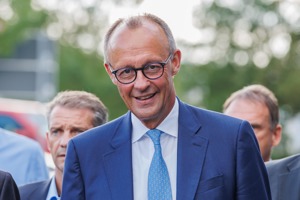
- Merz' slogan "Forward Again" united voters and brought successkunnskap-kristiania / 2025 / 2 / Merz-slogan-forward-again-united-voters-and-brought-successSCIENCE NEWS FROM KRISTIANIA : Political communication Under the slogan #Wiedernachvorne (“Forward Again”), Friedrich Merz successfully rallied voters with a promise of economic growth, a stronger role for Germany in the EU, and a return to stability. His campaign centered on rallying supporters and acknowledging political allies who had grown increasingly frustrated by years of uncertainty and stagnation. In uncertain times, this kind of messaging reassures voters and strengthens their trust in his leadership. A Campaign Shaped by Crisis In November 2024, Chancellor Olaf Scholz’s coalition government collapsed, throwing Germany into political turmoil. As a result, the country’s general election was moved up from September 2025 to February. Friedrich Merz, leader of the Christian Democratic Union (CDU), quickly launched his campaign under the slogan #Wiedernachvorne which translates to “Forward Again.” The message signal led renewal and progress, which bec a me the defining theme of his election strategy. According to polling data from The Guardian , CDU has been Germany’s largest party since April 2022, with Merz emerging as the frontrunner for chancellor. He is also one of the most active German politicians on Facebook, posting an average of 2. 4 posts per day. Mobilizing Supporters and Building Loyalty An analysis of Merz’s Facebook posts reveals how he blends modern political trends with his own distinct style of communication. As shown in Figure 1 , the majority of Merz’s posts focus on mobilization (61%), followed by recognition (56%), indicating a deliberate strategic effort to engage and energize his supporters. Mobilization: A Call to Action Friedrich Merz' media presence extends beyond spreading a message . He was b uilding a movement. Mobilization lies at the heart of his Facebook strategy, with 61% of his posts designed to rally supporters and foster a sense of community. His messages encourage d voters to take action , making them feel like part of something bigger. A post from January 18, 2025, illustrates this approach: "Grandiose Stimmung in Hannover! Heute startet unsere Wahlkampftour in Hannover! Gemeinsam kämpfen wir für einen Politikwechsel, der unser Land #wiedernachvorne bringt." (“Fantastic atmosphere in Hannover! Today, our campaign tour begins in Hannover! Together, we fight for political change that will move our country forward again.”) With this message, Merz sets an optimistic tone, reinforcing #Wiedernachvorne as the core theme of his campaign. His slogan is simple. It taps into emotions, inspires action, and aligns with global trends in political communication. In uncertain times, this kind of messaging reassures voters and strengthens their trust in his leadership. Building Loyalty Through Recognition Beyond m obilization , Merz engage d voters through recognition, with 56% of his posts dedicated to acknowledging supporters. He frequently highlight ed the hard work of his campaign team and grassroots activists, reinforcing a sense of loyalty and belonging among voters. In a January 16, 2025 , Facebook post, he wrote: "Man ist nur so gut wie das Team, das hinter einem steht. Ich bin den Mitarbeiterinnen und Mitarbeitern des Konrad-Adenauer-Hauses, den Kolleginnen und Kollegen im Wahlkreis sowie allen Wahlkämpferinnen und Wahlkämpfern in ganz Deutschland sehr dankbar für ihre herausragende Arbeit." (“You are only as good as the team behind you. I am deeply grateful to the staff at the Konrad Adenauer House, my colleagues in the constituency, and all campaigners across Germany for their outstanding work.”) Today’s most successful politicians blend modern digital strategies with traditional political values to effectively engage voters. B y openly appreciating his supporters, Merz presents himself as a grateful and inclusive leader. This approach adds a personal touch to his campaign, giving voters a behind-the-scenes look at his team and their efforts. Personalization in politics is a growing trend. By expressing gratitude, Merz humanizes his leadership and strengthens his emotional connection with voters. Strengthening the #Wiedernachvorne Message One of the most interesting aspects of Merz’s communication strategy is how he combine d mobilization and recognition to reinforce #Wiedernachvorne. His mobilization efforts encourage d voters to take action and unite around a shared vision of progress. At the same time, his recognition posts add ed a personal and emotional dimension to the slogan. By thanking supporters, Merz directly link ed their efforts to the campaign’s success—making #Wiedernachvorne not just a slogan, but a collective goal. A Modern Approach to Political Communication Merz’s strategy mirrors global trends in political communication, where personal, interactive, and forward-looking messaging plays a key role. Today’s most successful politicians blend modern digital strategies with traditional political values to effectively engage voters . What made Merz unique is how he adapt ed this approach to German y’s traditionally formal and policy-focused political landscape . By emphasizing economic and security issues while using direct calls to action, he attempt ed to modernize the CDU and ma d e the party more relatable to voters. Friedrich Merz’s victory offers valuable insights into how modern political communication is evolving. The #Wiedernachvorne slogan could become a symbol of progress that extends beyond Merz’s campaign and shapes future election campaigns, highlighting the impact of strategic social media communication on electoral success. References: Clarke, S., & Voce, A. (2025). German election 2025 poll tracker: Which party is leading and who could be chancellor? The Guardian. Larsson, A. O. (2015). Pandering, protesting, engaging: Norwegian party leaders on Facebook during the 2013 ‘short campaign’ . Information, Communication & Society, 18 (4), 459–473. McGuinness, D. (2024, December 16). Germany: Chancellor Olaf Scholz loses vote of confidence . BBC News. Segesten , A. D., & Bossetta , M. (2017). A typology of political participation online: How citizens used Twitter to mobilize during the 2015 British general elections. Information, Communication & Society, 20 (11), 1625–1643. Wertheimer, T. (2024, November 12). Germany plans February election after coalition collapse . BBC News. Text: Roy Aulie Jacobsen, Ph.D. candidate at the Institute of Communication, Kristiania University of Applied Sciences. We love hearing from you! Send your comments and questions regarding this article by e-mail to kunnskap@kristiania.no .
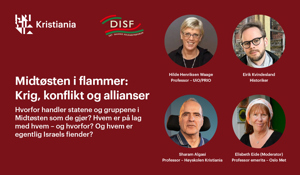
- Midtøsten i flammer- Krig, konflikt og allianserom-kristiania / kalender / midtosten-i-flammer--krig-konflikt-og-allianserHvorfor handler statene og gruppene i Midtøsten som de gjør? Hvem er på lag med hvem – og hvorfor? Og hvem er egentlig Israels fiender?
- Five principles in defining a powerful purposekunnskap-kristiania / 2021 / 01 / five-principles-in-defining-a-powerful-purpose2KRISTIANIA TOOLBOX: Defining a meaningful purpose The traditional view of purpose is that it is an articulation of the essence of an organization, its reason for being, why it does what it does, and why that is relevant to its future. Yet, presentations on the subject tend to step over, the ‘meaning’ attached to a purpose, and ‘how’ it is arrived at. Generally, it is seen as the task of management to filter out the superfluous and focus in on that, which best represents the uniqueness of the organization. Inevitably this editing process brings some aspects of the organization into view and pushes others into the background. Even when the process is rooted in gaining feedback from people, this is still an inside-out approach. Read also: How enterprises can create meaningful purpose together with their stakeholders Engaging all stakeholders The alternative to the inside out approach is to become closer to stakeholders and to engage them as partners in the process of defining purpose together. An organizational purpose that involves all stakeholders is likely to be seen as more meaningful, drive better engagement, and generate developmental impacts that are more sustainable. Read also: The Power of a Story In a Fortune survey in May 2020 , around half the CEOs believed that COVID would accelerate the move to stakeholder capitalism. This shift requires purpose to become a core tenet of how an organization meets the needs of its different stakeholders. How? We recommend the following: 1. Make it simple, but not too bland A purpose statement only acquires meaning when it is used to steer the actions of stakeholders. Make a statement too complex and it will be ignored. Rather organizations should err on the side of simplicity and concision, but if a statement is so bland that it could apply to any organization at any time, then it is unlikely to appear relevant to employees and others. Of course, a purpose statement does not exist in isolation, and will be supported by other statements and values, but if it fails in its primary duty to direct and inspire, it becomes pointless. 2. Co-create it Organizations always have a purpose – from the start-up to the multinational enterprise. However, as organizations grow and develop, they move from an intuitive understanding of purpose, to one that is more nuanced and that needs to be articulated. If a purpose is to meet the needs of stakeholders, it should not simply be a managerial creation, but rather the result of a participative and involving process. This may slow things down, but it also helps to create something that is authentic and relevant to both internal and external audiences. 3. Integrate it A core benefit of a clear purpose is its role in decision-making. A purpose that is lived can guide strategy, but also the detailed everyday decisions that people make. This helps companies to be agile, because the boundaries of choice become clearer. In COVID times, this has been particularly important in enabling companies to innovate rapidly in such areas as personal protection equipment, track and trace systems, home working processes and small business funding. 4. Let others enrich it Alongside the managerial commitment to deliver on a purpose, organizations need to recognise that they also have to let go of the purpose and let others in their experience ecosystems build on it, develop it and enrich it. There is sometimes a fear that letting go can lead to a purpose that heads off in an unintended direction. There is certainly a risk here, but this is ameliorated, when a properly integrated purpose and effective governance processes combine to determine the way companies work with the ecosystem. 5. Communicate outcome impacts Often purpose statements deal in generalities about a future state – policies rather than outcomes and their impacts. This inhibits their organizational relevance, because it is hard to see what the impact will be and how stakeholders can contribute to it. Also, given that a purpose is designed to be enduring, how does an organization know whether it is making progress or needs to adjust. A company such as Philips, which has a target is in a better position in that it can measure its progress towards realising the purpose and motivate everyone involved. Read also: How Business is Accelerating Toward a Fairer Future Organizations will only realise the potential of purpose if it is used to guide managerial choices and the actions of stakeholders. This co-creative approach means a purpose has to be seen as a fluid, ever-evolving idea rather then something fixed. References: Gast A., Illanes, P., Probst N., Schaninger B. and Simpson B. (2020). Purpose: Shifting from why to how. McKinsey Quarterly. April 22 2020. Ramaswamy V. and Gouillart F. (2010) “Building the Co-Creative Enterprise,” Harvard Business Review, October 2010. https://hbr.org/2010/10/building-the-co-creative-enterprise Younger, R, Mayer, C. and Eccles, R. (2020) Enacting Purpose within the Modern Corporation: A Framework for Boards of Directors. EPI. This article is an excerpt from the article «How enterprises can create meaningful purpose together with their stakeholders» published in The European Business Review on January 21, 2021. Text: Professor Nicholas Ind, Department of Economics and Innovation at Kristiania University College and Professor Venkat Ramaswamy , the Ross School of Business, University of Michigan, Ann Arbor, USA.

- ESMOD avgangsvisning 2025om-kristiania / kalender / esmodavgangsvisning2025Dato: Torsdag 05. juni 2025 Tid: 16.00 - 21.00 Sted: Kirkegata 24, Oslo PROGRAM: 16.00 - 18.00: FBC-utstilling før visning (Kirkegata 24) Kom gjerne innom utstillingen laget av ESMODs avgangsstudenter i Fashion Brand Communication (FBC). 18.00 - 20.00: Bytt billett til armbånd (Kirkegata 23) Mingle & åpen bar 19.30: Dørene til Ernst hage åpner (Kirkegata 24) 20.00: Avgangsvisning 2025 21.00: Takk for i år! FBC-UTSTILLING: Hanna Elisabeth Olaussen Milano Abdulla-Poor Deniz Vacariu Kayaci Anna Tera Munkvold Nikolaisen Julie Brennhaug Victoria Elisabeth Biering Tilla Wiig Anine Yggeseth Nicoline Marki Solheim Thea Susort Hennie Vaagseth ÅRETS AVGANGSSTUDENTER: Maiken Hjellset Tømte Eirik Vespestad Mikael Larsen Sækingstad Alva Ringdal Billstrøm Haakon Hjemdahl Ola Moe Maren Aaby Bergkåsa Nora Madeleine Bjørneboe Synne Marcussen Mona Strøm Nora Mæsel Syvertsen Mia Nilsson Krapf Mari Sundal Julie Sandal Marthinsen Kaspar Bastesen Dale Sunniva Olavsdatter Berg André Fernando Heringstad Maiken Bjercke Velkommen til en kveld fylt med inspirasjon, estetikk og fremtidens moteskapere. _____________________________________________________________________________________ Følg med på ESMOD Oslos Instagram-profil for å se smakebiter fra årets kolleksjoner.
- Being a woman artist in Norway is disadvantageouskunnskap-kristiania / 2022 / 09 / being-a-woman-artist-in-norway-is-disadvantageousKNOWLEDGE@KRISTIANIA: Norwegian Art Imagine an artist – someone making a painting. What does this person look like? Most people probably imagine a man, perhaps someone middle-aged or old, maybe living in the 19 th century. This is the image of a stereotypical artist, and what we associate with the word “artist can hinder the possibilities for women in art. Most artists are women, but men’s art sell Norway is a progressive country, part of the Nordic Model of welfare and equality. We score consistently high on Gender Equality indices, such as those created by the World Economic Forum. Women account for almost 75 per cent of all artists, yet 90 per cent of all art sold are made by men! In the art field, however, Norway still has long a way to go. In visual art, such as paintings or drawings, women account for almost 75 per cent of all artists, yet 90 per cent of all art sold are made by men! This speaks to a systemic issue where women artists are not given equal opportunities to display or sell their art. A man, despite being a minority among Norwegian artists, is almost ten times as likely to sell his art compared to a woman artist. A bias throughout history In the Cognition & Art research group, the Gender in Norwegian Art (GINA) project aims to investigate this issue and propose solutions. Existing studies reveal a gender bias: if a spectator knows that an artwork is made by a woman, they give it a lower monetary value. Throughout history, there have been several cases where men presented or sold art as their own, when it was actually made by a woman. In one case, the signature of Dutch painter Judith Leyster was replaced by a man’s signature so that the painting would sell for more money. In modern society, women artists are still underrepresented in museums: across the United States, women artists account for only 13 per cent of all displayed art. Contemporary art in Norway has fared a little better, e.g. in the annual Høstutstillingen , 58 per cent of the artists on display were women in 2021. Answers in psychology? While this is a move in the right direction for equality, it does not speak to art sales and income for the artists. Statistics from Norway reveal a severe gender inequality where practically all art sold is made by men, even when most visual artists are women. People are unable to guess the gender of an artist based on the artwork itself Even if we exclude deceased, historical artists from the equation, men still account for well over 80 per cent of all art sold in Norway, even if exhibitions like Høstutstillingen display more women artists. The GINA project is investigating the sociopsychological variables that contribute to this problem. We examine if simply knowing the name of the artist will influence a painting’s monetary value and subjective experience; if people can tell art made by men and women apart; and if stereotypes of artists hinder women’s progress, to name a few. Men are rated higher Preliminary data from an ongoing GINA survey shows that people rate an artwork as more professionally made if they think it was made by a man, even if the actual artist was a woman. However, people are unable to guess the gender of an artist based on the artwork itself, suggesting that gender inequality has nothing to do with the artwork but rather with societal gender factors. The aim of the GINA project is to document the gender effects in art, focusing on Norway, but ultimately aim to propose solutions on how to resolve the problem. Most likely, the issue is complex and a result of both gender stereotypes and systemic educational factors present in art education and society. Blind to gender discrimination For example, since Norway is often advocated as a gender equal society, citizens can become blind or ignorant to gender discrimination happening. This leads people to inadvertently defend a system that festers inequality. As women pursue a career in art, it is paramount that they are given the same opportunities as men. As of today, this is not the case in Norway, as men have a vastly higher chance to earn a monetary living of their art than women. This happens despite more women visiting museums than men, more art critics being women, and a more equal distribution of men and women artists displaying their art in museums. At GINA at Kristiania University College, we aim to address this problem and promote equal opportunities for women pursuing a career in art. Reference: Follow the research project Gender in Norwegian Art (GINA) at: https://cognitionandart.com/blog/ Text: Associate professor Espen Sjøberg and Research Assistant Raquel Wilner, School of Health Sciences, Kristiania University College We would love hearing from you: Send your comments and questions regarding this article by e-mail to kunnskap@kristiania.no .

- What are the long-term economic consequences of pandemics?kunnskap-kristiania / 2020 / 12 / what-are-the-long-term-economic-consequences-of-pandemicsKNOWLEDGE @ KRISTIANIA: Economic impact of pandemics Months after the first outbreak, the ongoing pandemic remains an emergency, demanding immediate attention, quick responses and a lot of flexibility from all of us. Directly or indirectly, our lives have been affected, forcing us to focus on the short-term task of re-organizing routines and plans to adapt to ever evolving limitations, rules, and pathological conditions. Read also: Kunnskap Kristiania 2020/2021 (E-magazine). The public response has similarly been concentrated on the impelling need to slow down the contagion, provide for the afflicted and organize appropriate quarantine measures. The specter of economic damage, and how to pay for the necessary accompanying stimulus measures, have entered the debate, especially in the EU, but remains somewhat marginal in the face of the second wave hitting Europe in the Fall. Read also: Heroes on the edge of burnout Changing everything, something, anything really? These conditions make taking a long-term perspective quite difficult, as it is generally the case in any serious crises. Some debates have started, however, on how COVID-19 is going to change everything, something, anything really. Many contradicting voices can be heard already. Perhaps it would be useful to listen to what economics has to say in this regard. The “dismal science”, that won such a somber title in consequence of its early fascination with the apparent inevitability of poverty, famine and disease, has since then largely abandoned the issue of pandemic and diseases. Read also: The Rise of the Counterfeit Industry Long-term consequences of a pandemic These topics are rarely found in economic textbooks anymore. However, some lessons can still be found in the scientific literature, provided one is willing to take a systematic and comprehensive look. At Kristiania University College, we did just that, looking for a scientifically founded vision of what the long-term consequences of a pandemic would look like, from an economic perspective. Here is what we found. Read also: Fighting Fake News Black Death – a historical turning-point The first surprising result is that, historically, most pandemics have had long-term beneficial consequences for socio-economic development. Even the most terrifying of such events, the Black Death, is generally considered a historical turning point, whose long-term consequences were key to explaining the relative rise of Europe in relation to other previously more advanced areas, such as the Middle East and the Far East. Noticeably, this was not a result of Europe being spared from the worst of the disease, but rather a consequence of the particularly high mortality rates experienced by the West at the time. Strange as it may sound, the exceptional unhealthiness of European cities, described as “open-air graveyards” in some chilling passages, was key to ensure perpetually higher salaries, leading to positive feedbacks in consumption patterns and production techniques, and the accumulation of substantial technological advantages in many areas. Listen to podcast : Take-Home Lessons from the Corona Crisis Long-term impacts of AIDS The present world, however, is vastly different from the one visited by the Black Death. To understand the present, the numerous studies on the long-term impacts of that modern pandemic, AIDS, may be more relevant. Surprisingly, however, the picture remains somewhat consistent. Some researchers claim that higher mortality rates will eventually result in more sustainable long-term growth patterns, accompanied by much higher per-capita GDP growth rates. Others point to the severe and long-lasting human and medical costs of the disease. Crucially, while the expected increase in salaries appear to have taken place in most heavy-hit African countries, this seems to also have increased the rates of pupils dropping out from education; while some are forced to work after being orphaned by the disease, most seem to be attracted by the relatively higher wages now available. As a result, in the current economic system, higher wages may lead to a subtle but persistent reduction in the accumulation of human capital, thus counteracting the benefits attending a more sustainable demographic expansion. Read also: The Rise of Generation Co Lessons from the economic literature While the complete long-term impact of pandemics is complex, two primary implications can be drawn by policy-makers from economic literature: The first is that the mechanisms of each pandemic are idiosyncratic: forecasting exercises commonly fail to account for the true scope of its effects, while the most desirable characteristic of response plans appear to be flexibility and willingness to quickly implement new solutions and approaches. The second is that, while the public response dominates the first phase, it is the private response that shapes the long term, as either entrepreneurial opportunities are discovered and exploited to bring about economic and institutional renewal, or the economic system struggles to recreate an old normal when surrounding conditions have changed. The effort to save and preserve must give way to the will to change and evolve. References: This popular article is based on two articles currently under review. Their titles are: “Pandemics and development: A literature review”, and “Entrepreneurial responses to health shocks: A literature review”. Both are authored by Christophe Feder and Beniamino Callegari. The article is first published in Kunnskap Kristiania 2020/2021 . Kunnskap Kristiania is a science Communication Magazine published by Kristiania University College. Text: Beniamino Callegari, Researcher at School of Economics, Innovation and Technology, Kristiania University College. Photo: Covid-19 has affected us all. What will be the long-term economic impact of the pandemic? Photo by Colin D on Unsplash.
- Slik får dating-appene tak i pengene dinekunnskap-kristiania / 2024 / 10 / slik-far-dating-appene-tak-i-pengene-dineKUNNSKAP FRA KRISTIANIA: Teknologi og markedsføring Prinsen eller prinsessen fra eventyrene finnes ikke i virkeligheten. Dette hindrer likevel ikke datingapper fra å selge illusjonen om at akkurat deres plattform kan lede deg til den ene eksepsjonelle personen du fortjener. I vår nylig publiserte studie fant vi at datingapper tar i bruk tre diskurser i sin markedsføringsretorikk. Disse diskursene kan faktisk gjøre det vanskeligere å finne en partner. Et par enkle trykk på smarttelefonen gir deg tilgang til utallige datingapper som setter i gang jakten på den ideelle livspartneren. Antallet brukere av datingapper øker, og det forventes at onlinedatingmarkedet vil nå 452,5 millioner brukere. Til tross for datingappenes brede appell , uttrykker brukere ofte frustrasjon og misnøye , og hevder at appene kompliserer mål et om å finne en livs partner. D et å ikke oppnå dette målet fører utvilsomt til store inntekter for datingselskapene . Match Group hadde for eksempel en totalomsetning på 3,19 milliarder amerikanske dollar i 2022 . Kjærlighet + teknologi Så, hva lover datingapper ? I vår studie analyserte vi markedsføringsretorikken og hvilke løfter datingappene gir til sine brukere . Gjennom en kritiske diskursanalyse av 50 datingapper fra Google Play Store og Apple App Store avdekket vi tre hovedtemaer datingapper bruker for å tiltrekke seg brukere: kjærlighet, kritisk masse og teknologi. Disse diskursene kan faktisk gjøre det vanskeligere å finne noen. Det romantiske kjærlighetsidealet ‘Kjærlighet’ er et sentralt tema i datingapper , med løfter om å finne den perfekte partneren. Rotfestet i samfunnets forventninger om romantikk og varig kjærlighet, konstruerer appene narrativer om livsendrende opplevelser og tilfeldige møter. Brukerne blir oppfordret til aktivt å søke etter ‘Den e ne’, som angivelig bringer lykke og meningsfullhet , og samtidig forsterker hegemoniske sosiale praksiser om kjærlighet. Diskursen knytter ofte det å finne ‘Den e ne’ til en transformerende livserfaring, med monogami som en underliggende norm. Den fokuserer imidlertid ofte på et vestlig, romantisk og følelsesmessig ideal, og overskygger andre aspekter av et forhold, som vennskap, det å ha en samtalepartner og noen å dele regninger og husarbeid med. Et livslangt partnerskap er preget av lidenskapelig kjærlighet i begynnelsen, men med tiden endrer de romantiske følelsene seg til en mer kameratslig kjærlighet som gir dypere tilknytning, trygghet, tillit og skaper et livsprosjekt sammen. Et stort utvalg av potensielle partnere Datingapper kommuniserer strategisk om mengden potensielle partnere, med fokus på tidligere suksesser, nåværende brukermasse og fremskrivninger av antall brukere . Diskursen understreker den kritiske massen av medlemmer, og antyder at en stor pool øker sjansene for å finne en passende match. De forsikrer deg om at hvis du ikke finner ‘Den en e’ umiddelbart, vil du sannsynligvis finne ham eller henne i nær fremtid innenfor appens voksende brukermasse. Så, hvis du ikke har møtt ham eller henne ennå, må du bare vente og fortsette å betale for medlemskapet ditt, da ‘Personen Du Fortjener’ sannsynligvis vil dukke opp snart. Teknologiske løsninger for å finne kjærlighet Løftet om avansert teknologi utgjør den tredje viktige diskursen i datingapper . Ved å fremheve sorteringsprosesser, matchmaking-algoritmer og tekniske muligheter, posisjonerer disse appene seg som teknologiske løsninger på utfordringene med å finne kjærlighet. Teknologidiskursen tilbyr et optimistisk og nesten magisk perspektiv, og presenterer algoritmer som verktøy som forbedrer brukerens evne til å navigere i det store utvalget av potensielle partnere. Bare vent og betal Datingapper etablerer et bilde av kjærlighet ved å adressere brukernes utfordringer og tilpasse seg eksisterende diskurser. De tilbyr så å veilede brukerne mot deres ideelle match ved å referere til den omfattende poolen av kandidater tilgjengelig nå eller i nær fremtid. Appene hevder at deres matchmaking-teknologi og algoritmer vil finne "Den Ene" for deg. Undertemaet om å ha én sjelevenn og én utvalgt , sammenfaller med under temaet om en stor pool av potensielle kandidater, noe som bidrar til frykten for å gå glipp av en potensiell match. I mellomtiden må du bare vente – og bidra med noen dollar til Tinder, Happn , Hinge, Plenty of Fish, OkCupid eller en av de andre datingappene fra USAs selskap Match Group. Tekst: Lene Pettersen, førsteamanuensis, og Faltin Karlsen, professor, avdeling kommunikasjon, ledelse og markedsføring , Kristiania . Referanser: Aziz Ansari (2016). Modern Romance . Penguin Statista. (2023). Online Dating – Worldwide . Pettersen, L. and Karlsen, F. (2024). «Strategic Communication in Digital Ecosystems: A Critical Discourse Analysis of Dating Applications» in Strategic Communication – Contemporary Perspectives . Cappelen Damm. Dixon, S. Jo, (2024). Annual revenue of the Match Group from 2012 to 2023 . Statista . Lord, A. (2022). ‘ Why am I talking to 10 guys?’ The rise and fall of dating apps ”. The Guardian. Denne teksten ble publisert på engelsk på Science Norway 26. september 2024 med tittelen “ Dating apps’ rhetoric for tapping your wallet ” og på forskning.no 3. oktober 2024 med tittelen “ Slik får dating - appene tak i pengene dine ”. Vi vil gjerne høre fra deg! Send spørsmål og kommentarer til artikkelen på E-post til kunnskap@kristiania.no .

- Applying empathy as a tool for innovative thinkingkunnskap-kristiania / 2021 / 5 / applying-empathy-as-a-tool-for-innovative-thinkingKNOWLEDGE @ KRISTIANIA: Innovation Thanks to modern medicine and improvements in lifestyle people are living longer. Figures suggest that by 2060 there will be more than double the number of older adults over the age of 70, triple the number over 80 and there is a good chance that almost 1 out of 5 will celebrate their 100th birthday. But fewer still will “age in place”; that is, in their own homes. Most of us hope to age in place. But the reality is that only 13% of Norwegians die in their own homes. Read also : Slik kommer du i gang med designtenkning (in Norwegian) Understanding “Age in Place” In order to be able to understand how older adults can “age in place” we need to understand the everyday challenges they face. An empathetic understanding of daily life can give researchers and practitioners the insight to re-frame potential problems and current limitations. At Kristiania University College, students are encouraged to try our “GERT” – an ageing suit to gain insight into an older adult’s world through the completion of simple tasks most adults consider normal, almost automatic activities of daily life. Read also: Designer en bedre verden (in Norwegian) When activities of daily life become a struggle The activities of daily life that most of us consider to be routine and easily completed can become a struggle in our older adult lives. This often leads to changes in behaviour, increased pressure from our environments, and the need for help which affects our personal independence and further, our dignity. Walking, getting up from a seated position, ascending and descending stairs, opening doors, and all the tasks we need to complete in a day to remain independent are attempted in an effort for designers to gain insight into a world they will inhabit in their future. Not to mention navigating retail and public spaces, reading product packaging labels and wayfinding information, paying for their purchases, and getting everything back home. Read also: Eye-shadowing Customers’ Reviews Feeling the restrictions of aging With the GERT suit we can, in effect, enter a world of sensory impairment (and to some degree deprivation) and literally feel the weight and kinaesthetic restrictions of ageing as well as haptic, audio and visual degradations. The activities of daily life become more challenging and what was once a semi-automatic easy task becomes something new as we struggle to cope with our body’s limitations and with new challenges within our familiar surroundings. According to the Lawton and Nahemow’s ecological theory of aging the performance of and comfort with daily activities is possible when an appropriate match between a person and his/her environment is achieved. This match is known as person-environment fit (P-E fit). The P-E fit is important in understanding the dynamic relationship between people and their environments in all fasits of life but especially as we age. Read also: Five principles in defining a powerful purpose Empathy-driven design To gain better personal insights into the subject matter students in interior architecture use this GERT suit as a pedagogical tool to sense the challenges via empathy-driven design. It allows them to feel, on their person, the challenges encountered by growing numbers in society. In order to make independent living and ageing in place possible for as many as possible, with as much dignity as possible, we require more research into the challenges being faced and the “jobs to be done” and to educate future generations to think differently about environments, products and services. Read also: How Business is Accelerating Toward a Fairer Future Sensing solutions My own research involves how our haptic senses “read” spaces and how we move around using kinesthetic and tactile modalities (senses) as our bodies slow down and our visual and auditory modalities decay. Within the domains of architecture and design, vision is the predominant sense. The dominance of the eye (ocularcentrism) and the suppression of the other senses tends to push us into detachment, isolation and exteriority. It is hoped that this research will help to aid architects, product and service designers by giving them more insight into the possibilities, beyond aesthetics, to engage haptics in design solutions to better meet the housing and service needs of a growing, and often misunderstood, user group. Read also: Why consumers co-create Finding innovative ways of reframing problems Empathy, by definition, is an action. It needs to be experienced, as the GERT suit enables, to be understood. Empathy is the first phase of design thinking and plays a critical role in finding innovative ways of redefining and reframing problems. As we age, our bodies go through gradual and progressive changes that can only be truly understood as we grow old. But if we can project this decline forward to the present, we can expose young (and not so young) designers, innovators and researchers to the problems the current and coming generations are facing. References: This article is based on lectures in the Interior Architecture bachelor’s «Ageing in Place» course at School of Arts, Design, and Media , Kristiania University College. The article also presents insights from an ongoing PhD research project on the use of haptics in interior architecture as a tool to extend the independence and dignity of the older adults in society. Text: Lecturer David Coates, Department of Economics and Innovation, Kristiania University College.
- Det britiske imperiets vei mot undergangenkunnskap-kristiania / 2019 / 10 / det-britiske-imperiets-vei-mot-undergangenKOMMENTAR: Ketil Raknes om Storbritannia Den 22. juni 1897 fikk 400 millioner mennesker, eller drøyt en fjerdedel av menneskeheten, fri for å feire at dronning Viktoria hadde sittet 60 år ved den britiske tronen. 50.000 soldater fra hele verden marsjerte gjennom Londons gater der prinser, hertuger og ambassadører fra hele verden hadde tatt turen til imperiets hjerte. Det britiske imperiet er det største og mektigste imperiet verden har sett. Imperiet der solen aldri gikk ned, hersket lenge over en fjerdedel av jordens overflate og var bundet sammen av verdens mektigste marine og et finmasket globalt handelsnettverk. På vei mot historiens skraphaug Den gangen satt den åtte år gamle Arnold Toynbee, som senere skulle bli en av Storbritannias største historikere , trygt plassert på sin onkels skuldre og skuet utover den fantastiske paraden. Han beskrev det senere dagen som at «solen sto stille midt på himmelen». Om atmosfæren skrev han at «vel, her er vi på toppen av verden, og vi har kommet til denne toppen for å bli der for alltid. Det er selvsagt noe som heter historie, men historie er noe plagsomt som skjer med andre folkeslag». Toynbee ble senere ekspert på sivilisasjoners vekst og fall og skjønte fort at ingen ble værende på toppen av verden for alltid. 50 år og to verdenskriger etter at Toynbee så paraden fra onkelens skuldre, var det britiske imperiet på vei mot historiens skraphaug. Statsmann og rasist I 1947 måtte Winston Churchill erkjenne at India var tapt og uttalte at «it is with deep grief I watch the clattering down of the British Empire with all its glories and all the services it has rendered to mankind». Churchill var en stor statsmann som reddet Europa under 2. verdenskrig, men han var også en rasist som trodde fullt og helt på det britiske imperiet og den hvite rasens overlegenhet. Churchill drømte om å lenke Mahatma Gandhi fast og la ham bli trampet i hjel av elefanter. Han omtalte inderne som «et dyrisk folkeslag med en dyrisk religion», og palestinerne var «barbariske horder som spiser lite annet enn kamelbæsj». Churchills dom over det britiske imperiet som en gave til menneskeheten, lever fortsatt. Et typisk eksempel er den konservative historikeren Niall Ferguson, som i boken Empire: How Britain Made the Modern World argumenterer for at det britiske imperiet gjorde verden til et bedre sted. Britene skapte et globalt handelssystem som ga økt velferd til alle. Det er riktig at det britiske imperiet bygget jernbanen i India og dikesystemene i Egypt, men det britiske imperiet var også bygget på rasisme, slavehandel og brutal undertrykking. Koloniserte verden og tapte den Britiske skolebarn lærer at Storbritannia avskaffet slaveriet i 1833 og betalte en betydelig kompensasjon. Det de ofte ikke lærer, er at slavene ikke fikk noe i kompensasjon, mens de 46.000 britene som eide slaver fikk den største kompensasjonen i britisk historie. Slavene måtte i tillegg jobbe 45 timer gratis hver uke i fire år for sine tidligere slaveeiere. Det er blitt sagt at «tyskerne bruker historien for å tenke fremover, mens britene bruker historien for å trøste seg selv». I Tyskland har det nådeløse oppgjøret med den nazistiske fortiden bygget et av verdens mest stabile og selvkritiske demokratier. Britene har på sin side aldri taklet tapet av sitt eget imperium og trøster seg selv med heltehistorier fra andre verdenskrig. I filmer som Dunkirk og Darkest Hour dyrkes den mytologiske forestillingen om at Storbritannia er på sitt beste når landet står alene mot verden, mens historien om hvordan det koloniserte verden og tapte den, fortrenges. Et fantasifoster på høyresiden Det er lett å forstå at for konservative politikere i Storbritannia, har de siste 120 årene fremstått som en gjennomgående nedtur. Fra å være verdens største imperium med verdens største økonomi er det blitt redusert til en ganske ordinær nasjonalstat med stadig mindre internasjonal innflytelse. I løpet av 2019 vil India passere Storbritannia som verdens 5. største økonomi, og den tyske økonomien er alene både større og mer velfungerende enn den britiske. Det manglende oppgjøret med fortiden gjør at det britiske imperiet lever videre som et fantasifoster på britisk høyreside. Da Boris Johnson skulle tale til det konservative partiets kongress i 2016, beskrev han stolt hvordan det var å jobbe fra et sted «der man kontrollerte et imperium som var syv ganger større enn Roma» og at «fra disse kontorene ble 178 land i verden enten erobret eller invadert». Ordene ble etterfulgt av landsmøtets høyeste jubel. EU som hinder for global makt Johnson har i likhet med sitt store forbilde, Winston Churchill, ikke spesielt høye tanker om imperiets tidligere undersåtter. I 2017 måtte den britiske ambassadøren i Burma stoppe Johnson fra å sitere et dikt av den britiske kolonialismens yppersteprest, Rudyard Kipling, i et burmesisk tempel. Da han jobbet som journalist, refererte Johnson til innbyggerne i et afrikansk land som «små svartinger» med «vannmelonsmil», og om Uganda skrev han at «problemet er ikke at vi en gang styrte der, problemet er at vi ikke styrer der lenger». Ideen til Boris Johnson og mange av hans allierte er at EU står i veien for at Storbritannia igjen skal bli en global supermakt. Utenfor EU kan Storbritannia sammen med sine gamle kolonier og USA inngå bedre handelsavtaler og få større innflytelse i verden enn de har i dag. Under brexitkampanjen fortalte Boris Johnson velgerne at målet var «to take the chains off the giant, unshackled Britannia and let the Lion roar again». I møte med sånne grandiose vrangforestillinger er det umulig for EU å drive realistiske forhandlinger med Storbritannia. Imperiets undergang Storbritannia minner for tiden om et lag som har rykket ned i OBOS-ligaen, men påstår hardnakket at det hører hjemme i Champions League. Boris Johnsons Brexit-strategi er at han skal skremme EU til å godta hans betingelser fordi hans mektige og store land kan leve uten en avtale, men det kan ikke EU. Storbritannia er et eksempel på at land som ikke klarer å forholde seg til sin egen fortid, heller ikke har en fremtid. Britiske velgere er nå klemt mellom imperienostalgien til Boris Johnson eller gammelmannsosialismen til Jeremy Corbyn. Ingen av de dominerende politiske partiene i Storbritannia takler nåtiden, begge lengter tilbake til en svunnen tid. Ironien er at Storbritannia går til grunne på grunn av overdrevne tanker om egen storhet. Det er en undergang et imperium verdig. Referanse: Artikkelen er publisert som kommentarartikkel i Aftenposten 13. oktober 2019. Tekst: Doktorgradsstipendiat Ketil Raknes ved Høyskolen Kristiania.

- Vil fremtidens kunst bli skapt av maskiner? Det korte svaret er neikunnskap-kristiania / 2023 / 08 / vil-fremtidens-kunst-bli-skapt-av-maskiner-det-korte-svaret-er-neiKUNNSKAP FRA KRISTIANIA: Dekan Jørn Mortensen om kunst og kunstig intelligens Etter lanseringen av ChatGPT, DALL-E og andre generative forhåndstrente transformere, har det dukket opp spørsmål om kunsten er truet av kunstig intelligens (KI) og maskinlæring. Spørsmålet dukker også opp under hovedprogrammet på Arendalsuka 15. august under parolen: Vil fremtidens kunst bli skapt av maskiner, og ikke av mennesker? Det korte svaret er nei. Kunsten er ikke truet. Men kunstens omland vil temmelig sikkert gjennomgå store endringer. For å forklare dette er det nødvendig å sortere kunstbegrepet. Vi må skille mellom kunsten som autonom praksis og kunsten som kultur- og opplevelsesindustri. Kunsten som «autonom» praksis Den første kategorien – kunsten som autonom praksis – er ikke truet av KI i det hele tatt. Denne kategorien inneholder ikke bare det å være kunstner og selve handlingen å lage kunstverk, den inneholder også konseptene, ideene, kunstens selvkritikk, kunstens evne til å jobbe kontrært, kunstens evne til å redefinere sitt eget verdigrunnlag, kunstens evne til å avvikle seg selv, kunstens innovative egenskaper – eller med andre ord kunstens intelligens. Denne kategorien er i prinsippet autonom – den forholder seg ikke til andre interesser (politiske, økonomiske, sosiale og teknologiske) med mindre den oppsøker disse for å bruke dem som råstoff for egen «vinnings» skyld. Poenget er at det finnes en praksis som i seg selv alltid har unndratt seg ytre omgivelser og omdefinert sitt eget «raison-d’être», for på den måten å inkludere for eksempel ny teknologi i praksisen. Les også: Hvordan skapes magi i animerte filmer? Det vet Oscarvinner Álvaro Lomba alt om Et eksempel på en kunstner som har anvendt kunstig intelligens i denne retning er den tyrkiske kunstneren Refik Anadol med verket «Unsupervised», som ble vist på Museum of Modern Art i New York tidligere i år, hvor Anadol brukte kunstig intelligens til å «tolke» museets permanente samling. Resultatet er en film som er i konstant endring uten begynnelse eller slutt, og som viser verkene i samlingen glidende og sømløst over i hverandre. Verket påvirkes av ytre faktorer som publikums bevegelse og været utenfor, og vil aldri repetere seg selv. Så vil noen innvende at kunstig intelligens gjør at alle kan lage bilder, musikk, og andre uttrykk vi tenker på som kreative. For det første har det vært slik lenge. Bare tenk på plakatene på Ikea. Jo enklere det er for software å produsere digitale bilder eller låter, jo kjedeligere blir dette billedgalleriet eller repertoaret. Vi må ikke tenke på dette som kunst, vi må tenke på det som visuell eller auditiv omgivelse. Det er mye av det, og det er en form for digital «søppel». For det andre trekkes vi mot det fysiske. Jo mer dominerende det virtuelle blir, jo mer søker vi mot den fysiske opplevelsen. Enten det er i billedkunstens materialer, eller i musikkens eller teaterets live-opplevelse. Kunsten som kultur- og opplevelsesindustri Den andre kategorien – «kulturindustri» – ble først brukt av Max Horkheimer og Theodor Adorno i essayet «Kulturindustri – opplysning som massebedrag» (1944). Her kritiserte Horkheimer/Adorno populærkulturen for både å standardisere kulturuttrykk til produkter i et kommersielt marked, at disse produktene mimer/etterligner den kapitalistiske industriens logikk og rytme, og at produktene bidrar til en form for kollektiv narkose som hindrer kritikk. Les også: Bak enhver vellykket kunstner står en god leder. Eller? Poengene med miming og «sløving» har møtt kritikk for både manglende (estetisk) innsikt i kulturuttrykkenes egenart (f.eks. jazz og film) og for å undervurdere avlesningskulturenes evne til motstand (gay-kultur, ironi). De fremstår derfor ikke særlig treffende i en 2023-kontekst. Standardiseringspoenget er derimot fortsatt relevant. Ikke minst i sammenheng med kunstig intelligens. Og da bør vi se nærmere både på hvordan kunsten skapes og hvordan den brukes. La oss ta det siste først. Høy- og lavkultur Et av de store ankepunktene mot Horkheimer og Adorno har vært måten de skilte mellom modernistiske høykulturelle og populære lavkulturelle uttrykk. Mens høykulturen var omgitt med en sann og kritisk resepsjon (bruk), var lavkulturen omgitt med en falsk og industrialisert resepsjon. En ting er den arrogante avvisningen av de lavkulturelle kunstuttrykkenes potensial for kulturell, estetisk og kritisk verdi, som blant annet Umberto Eco har poengtert. En annen, og kanskje viktigere ting, er at de overså standardiseringen av brukslogikkene knyttet til tradisjonelle høykulturelle kunstuttrykk. Begrepet «opplevelsesindustri» kan kanskje bidra til å forklare hvordan bruken av høykultur også er omfattet av industrialisering. I dag utgjør nemlig opplevelser av ikke bare lavkulturelle uttrykk, men også høykulturelle uttrykk, en omfattende industri med store utviklings- og næringsverdier. Les også: Er mote kunst eller industri? I en studie om verdien av kulturell og kreative næring utført av Ernst & Young for Unesco i 2015 («Cultural Times»), vises det til at visuell kunst er den nest største delsektoren innen såkalt kultur og kreativ næring på verdensbasis. Syv av verdens ti best besøkte museer er europeiske. Dette er ikke lavkulturelle uttrykk, det er høykulturell opplevelsesindustri på stereoider, som inkluderer vårt eget nye Nasjonalmuseet, Munchmuseet og Astrup Fearnley-museet. Oppdaterte tall fra en rapport fra Unesco i 2021, om oppbyggingen av kultur og kreative næringer etter pandemien, bekrefter bildet. Hva og hvem er truet? Den tradisjonelle kulturindustrien har sammen med opplevelsesindustrien omfavnet teknologi som har bidratt til automatisering, standardisering og effektivisering i mer enn hundre år. Både i produksjonen og i bruken av kulturproduktene. Når man innen populærmusikken anvender autotuning på en vokalist for at det skal klinge rent, digital editering av et lydspor for å spare tid, eller trackede lydspor under en «live»-fremføring (altså en form for playback ) for å få et orkester til å høres stort ut, så er dette et resultat av muligheter digitalteknologien har gitt. Eller når de store amerikanske filmselskapene i 2007 fant ut at man kunne distribuere film- og TV-innhold digitalt og dermed øke profitten, så var dette en konsekvens av teknologisk utvikling. Den gang ble det streik organisert av The Writers Guild som varte i hundre dager, før partene kom til enighet om at manusforfatterne skulle ha større kunstnerisk kontroll og bedre kompensasjon for gjenbruk. 14. juli i år gikk den amerikanske skuespillerforeningen SAG-AFTRA til streik, både fordi de krever bedre betalt og fordi de krever bedre regulering av kunstig intelligens i kunstneriske og kreative prosjekter. Dette er ikke av omsorg for kunsten, det er av omsorg for arbeidsplasser. En trussel mot arbeidsplasser Når spørsmålet om kunstig intelligens truer kunsten dukker opp, er det i realiteten logikkene i industrien som står overfor utfordringer. Mens den autonome kunstens primære hensikt kan sies å være å skape estetiske erfaringer som gir innsikt og humanistisk erkjennelse, er kultur- og opplevelsesindustriens primære hensikt å skape økonomiske verdier gjennom konsumpsjon i et marked. Da er det om å gjøre å kutte kostnader gjennom effektivisering. Her vil kunstig intelligens brukes rått og uhemmet. Kunstig intelligens utgjør dermed en trussel mot arbeidsplasser i kulturindustrien. Alt som kan automatiseres og effektiviseres i en industri, vil bli det. Konsekvensen er færre arbeidsoppgaver og dermed færre arbeidsplasser. Når denne teknologien samtidig utfordrer opphavsrettighetsjussen, blir det enda færre verdier å forvalte, noe som forverrer situasjonen for det kreative fotfolket. Men kunsten – selve kunsten vil alltid klare seg. Referanser: Horkheimer, Max (1944) Kulturindustri : opplysning som massebedrag UNESCO (2015) Cultural times: the first global map of cultural and creative industries Artikkelen ble først publisert i subjet.no 11. august 2023 under tittelen Vil fremtidens kunst bli skapt av maskiner? Det korte svaret er nei Vi vil gjerne høre fra deg! Send spørsmål og kommentarer til artikkelen på e-post til kunnskap@kristiania.no.

- Fighting Fake Newskunnskap-kristiania / 2020 / 11 / fighting-fake-newsKNOWLEDGE @ KRISTIANIA: Teaching If there is one term that has dominated in media during the last years, it is “fake news”. “Fake news” refers to false information that is disseminated with dishonest intent. In addition, and most dangerously, fake news resembles accurate (validated, or fact-checked) news, but rather originates from non-trustworthy or dubious sources. Fake news is a type of disinformation, and can be contrasted with misinformation that refers to spreading false information in good faith, with intent to inform rather than deceive. Read also: Kunnskap Kristiania 2020/2021 (E-magazine). Designed to look real The spreading of false information that is designed to look real is not a new phenomenon, but the rate at which it can be produced, distributed and accessed by the public, are. In combination with other factors, this has led to the dawn of the “post-truth era” (Sinatra & Lombardi, 2020). A defining feature of the post-truth era is that many people are inclined to rely on their own beliefs rather than scientific knowledge, and even prominent figures, such as presidents, allegedly invent their own truths. Read also: The fight against fake news and electoral disinformation «Let me google that for you» Many higher education students are digital natives – the generation that have grown up with the Internet and Google at their fingertips. What’s more, these students may believe that facts, and thereby knowledge, are social constructions, and, in turn, all truths are relative. The same students have also been taught source evaluations skills in schools, but they may often fail to use these skills in daily life or in meeting with higher education courses. What’s more, fake news proliferators are so advanced that the skills students have been taught are becoming increasingly difficult to apply, redundant even. Les også: Slik lærer du barna dine å være kildekritiske Modern digital technology allows “anyone” to publish and share information. Due to the rate at which this occurs, the “self-cleansing” nature of the internet, where people can edit and correct one another’s mistakes, is “out of order”. Also, many search-engines work in a way that means that the first hits on a search result are not always the most scientifically objective, but rather likely to be paid advertisements. In other words, students who simply choose the first result that their search engine provides are likely to gain a skewed view of the issue in question. Read also: Farene ved falske nyheter (in Norwegian) “Everyone’s entitled to an opinion” Educational attempts to keep pace with societal advances, like teaching about critical source intervention, may be inadequate (Sinatra & Lombardi, 2020). For example, it is no longer sufficient to study the “about” information on websites, since this can easily be manipulated. Additionally, people and organisations in positions of authority may spread misinformation in good faith, so defaulting to trusting an authority may no longer work. In the face of this, students may experience feelings of frustration or a lack of trust in authority. Read also: Tsunami av falske nyheter, rykter og desinformasjon (in Norwegian) Students that hold stances such as “all opinions are equal”, “all knowledge is uncertain and created by human minds”, “critical thinking and attention to source information are (therefore) irrelevant”, is the stuff of educational research on epistemic beliefs. Epistemic beliefs are beliefs about knowledge and the process of knowing. “Everything’s broken” Traditionally, researchers have found that students progress through stages from viewing the world and it’s knowledge from categorical, right-or-wrong thinking, to anything-goes and everyone is entitled to an opinion, and eventually (hopefully) where students judge knowledge claims according to criteria like argument and evidence, and employ critical thinking and source evaluation. We now know that views like this develop in relation to specific knowledge domains, or topics, and that higher education seems to help this process. But could this progress be threatened or slowed down by fakes news and alternative facts, and lead to feelings that “everything’s broken”? Read also: Bruker falske nyheter for å slå ned på ytringer som ikke faller i smak (in Norwegian) How teachers can help students Source evaluation skills such as paying attention to who said what, based on what evidence and for what reason, as well as noting the author’s expertise continue to be vital. Students also need to learn that although everyone is entitled to an opinion, some opinions are better qualified than others, as well as understanding the importance of validating claims by cross-checking information sources. But in addition, students need to learn to think critically and analytically about claims, sources, and the links between, to compose and evaluate reasoned arguments, and develop understanding of methods and how to interpret research results. To be able to use these skills in relation to their studies and everyday life, they should be taught in context, as part of higher education courses, and not as a generic “study skills class”. Higher education teachers’ main foci are the subject they teach and their students’ well-being. Academic success and well-being in terms of being informed and making good decisions need time to develop. Some questions higher education teachers might ask themselves when considering how to help students to learn to navigate an alternative fact world are: How can I ensure that students are gradually introduced to the complexities of my subject? How can I help students see that knowledge claims are interconnected, developing and sometimes conflicting? What background knowledge do students need to be able to navigate (potentially false) claims in my subject? Can I include multiple (even conflicting) information resources to help shed light on phenomena from different sides and help students understand how different perspectives can co-exist? How can I show students that different authors have different beliefs that influence how they interpret issues and relations between them? Can I help students to gain an understanding of the processes researchers and scientists use to arrive at valid knowledge claims, for example, by including them in my own research? This list is not exhaustive and should be adapted to the intricacies of teachers’ specialist fields of knowledge, with the same being true of the teaching methods that educators use. Some suggestions for teaching include: starting discussions where students are asked to adopt different perspectives and argue a case that they don’t necessarily believe, inviting guest lecturers with clashing views or presenting findings from different research paradigms as ways to improve perspective-taking and argumentation skills. Involvement in designing research projects, collecting and analysing data, and communicating results will also help improve students’ understanding of what research reports mean and how results can be misrepresented, or even faked. References: Greene, J. A., Sandoval, W. A., & Bråten, I. The handbook of epistemic cognition , New York, NY: Routledge. Kendeou, P., Robinson, D. H., & McCrudden, M. T. (Eds.). (2019). Misinformation and fake news in education . Charlotte, NC: Information Age Publishing. Kuhn, D., Cheney, R., & Weinstock, M. (2000). The development of epistemological understanding. Cognitive Development, 15, 309-328. Sinatra, G. M., & Lombardi, D. (2020). Evaluating sources of scientific evidence and claims in the post-truth era may require reappraising plausibility judgments. Educational Psychologist, 55 , 120-131. Wendling, M. The (almost) complete history of ‘fake news’ (22.01.18) https://www.bbc.com/news/blogs-trending-42724320 . This popular article is first published in Kunnskap Kristiania 2020/2021 . Kunnskap Kristiania is a science Communication Magazine published by Kristiania University College. Text: Professor Leila Ferguson, School of Health Sciences at Kristiania University College.
- Students and locals team up to build a safer, more inclusive citykunnskap-kristiania / 2025 / 9 / students-and-locals-team-up-to-build-a-safer-more-inclusive-citySCIENCE NEWS FROM KRISTIANIA: Urban development In the heart of Oslo lies Grønland — an area in the Old Oslo borough that embodies both the opportunities and the contrasts of modern urban life. Known for its rich cultural diversity, Grønland also faces challenges such as social exclusion, overcrowding, social inequalities, and a lack of perceived safety. Through the Media Art Innovation Lab (MAIL) — a new interdisciplinary joint course at Westerdals Institute of Film and Media at Kristiania — we will connect tomorrow’s film and media education more closely to the resources of the local community in Grønland. The institute is located at Urtegata 9 in Grønland, and our teaching building has become part of a larger urban development that is changing the area’s dynamics and opening up new possibilities. A laboratory for artistic exploration The Media Art Innovation Lab is an interdisciplinary joint course that brings together students from four different bachelor’s programmes — Film and TV, Screenwriting, Sound Design, and Computer Arts (with specialisations in animation, visual effects, 3D graphics, and game design). The joint course serves as a laboratory for cross‑disciplinary collaboration and innovation. Students are challenged to think in new ways and to experiment with creative solutions in film and media as responses to current societal issues. MAIL emphasises sustainability, diversity, and inclusion — values that students integrate into both their processes and their final products. This makes the course a platform for artistic exploration and, at the same time, a venue for tangible solutions to challenges in the local community. Preservation of buildings and cultural heritage Grønland’s cultural diversity and urban complexity create opportunities for mutual learning and collaboration between students and the local community. One of the challenges raised by the Old Oslo borough and the local community around Grønland is the risk that new construction projects may lead to the loss of older buildings, cultural heritage, and local knowledge. Students can contribute by documenting the area and supporting the local community in preserving and clarifying its identity. In addition, the borough seeks students’ help with a tree‑planting project and invites collaboration with Vahl Neighborhood School on media‑based after‑school activities. Concrete projects — such as light installations in public spaces, digital artworks, and local media productions — make Grønland a learning arena for both students and the community Projects may explore the district’s historical development and cultural diversity through innovative storytelling in film and sound, or develop artistic and technological solutions for safer and more inclusive urban spaces. Creating value for students and the local community When students from different programmes come together, they bring with them diverse perspectives and skills. Through collaboration, they not only learn from each other but also how to apply their strengths in new ways in other constellations and contexts. These are tomorrow’s leaders and innovators, who wish to contribute positively to the local community. By strengthening ties with the local neighbourhood, students face real challenges that affect both their own daily lives and the society around them. The collaboration between the borough and the Media Art Innovation Lab aims to create value for both the students and the local community. Through concrete projects — such as light installations in public spaces, digital artworks, and local media productions — Grønland will become a learning arena where Kristiania’s students both develop their professional competence and contribute to positive social development. When, in June 2025, we hosted ELIA Academy — one of the most prestigious conferences in arts education — this project demonstrated how “life‑integrated learning” works in practice. The collaboration between the school, the local community, and the borough is an example of how higher arts education can be connected to the local community to create sustainable and inclusive cities. Text: Synne Tollerud Bull , Professor, School of Arts, Design and Media, Kristiania, and Leo Rygnestad, Special Consultant in the Urban Development Team, Oslo Municipality. We love hearing from you! Send your comments and questions regarding this article by e-mail to kunnskap@kristiania.no .

- Behind every working app lies invisible innovationkunnskap-kristiania / 2025 / 10 / Behind-every-working-app-lies-invisible-innovationSCIENCE NEWS FROM KRISTIANIA: Software testing One fine morning, you wait in line for your morning coffee at a local café. It is your turn to pay with your credit card. However, after several attempts, nothing seems to work. Two pairs of puzzled eyes stare at the card machine, with no clue why it is not working. This situation can happen to anyone – some of us may have already experienced something similar. In this little story, billing software must work smoothly with financial service providers' systems and others to process payments. In July 2024, a faulty software update from the cybersecurity firm CrowdStrike caused a widespread service interruption, disrupting critical services worldwide, including air travel and financial systems. We need to test the systems that work together Software is everywhere, from coffee machines to satellites, and our reliance on it is growing rapidly. Over time, software has grown from simple programs into intricate systems. Consequently, the process of testing software has become increasingly difficult, especially with modern software architectures. Various systems from different vendors must work together seamlessly so that we can get our coffee on time, catch a flight on time, and even get the correct time. Testing these systems without a full understanding of their internal logics and external communications is challenging and tedious. The risk of failing to test unforeseen scenarios is extremely high. Recognising this challenge, we developed novel algorithms that enable us to automatically test such scenarios with zero modification to the software, without requiring knowledge of such external communications and without requiring manual human intervention. Mocking is cheap In our study, as part of an ongoing project, we focused on developing search-based algorithms to automatically generate dynamic mock instances of external connections without requiring prior knowledge of the dependencies of these connections. Our research results demonstrate that these techniques can be used to automate the process and effectively detect potential failures in real-world systems. That way we enhance software reliability and minimize costly service interruptions. Furthermore, by building on automated mocking infrastructure, we are developing algorithms to automatically detect software vulnerabilities that involve external communications. With our algorithms we generate tests that evaluate various software components. Such tests can be reused multiple times to ensure the software system remains intact while continuously adapting to changes in the code. This enables faster regression testing and reduces the need for manual human intervention. By minimizing human error and automating repetitive tasks, algorithms improve testing accuracy, efficiency, and scalability. A small step towards full automation Although these advancements make the process more efficient, they do not eliminate the fundamental need for testing. Even with the contributions from our research, our techniques are just a part of the beginning of a broader puzzle. The software engineering landscape is evolving rapidly. The way we write software is changing with new advancements, especially in automated code generation with artificial intelligence. At the same time, software testing has undergone significant evolution since the first software test was performed in the early 1950s. Transitioning from meticulously reviewing program instructions line by line to the current reality of automated software testing. Our contributions bring us one step closer to fully automated software testing in an ever-evolving industry. My coffee shop story is a work of fiction; however, there are many real-world examples of what can happen when software is not thoroughly tested. Whether it is a minor inconvenience or a major catastrophe, the consequences of software failure serve as a reminder that software testing is not an option; it is a necessity. It is the invisible element of our digital world, ensuring that our lives, and our coffee, can continue to flow smoothly. Text: Susruthan Seran , PhD candidate at School of Economics, Innovation and Technology, Kristiania References: Seran, S., Zhang, M., Duman, O. og Arcuri, A. (2025). Handling web service interactions in fuzzing with search-based mock-generation. ACM Transactions on Software Engineering and Methodology. Seran, S., Zhang, M. og Arcuri, A. (2023). Search-based mock generation of external web service interactions. I International Symposium on Search Based Software Engineering (s. 52–66). Cham: Springer Nature Switzerland. Arcuri, A., Zhang, M., Seran, S., Galeotti, J. P., Golmohammadi, A., Duman, O., ... og Ghianni, H. (2025). Tool report: EvoMaster—black and white box search-based fuzzing for REST, GraphQL and RPC APIs . Automated Software Engineering , 32(1), 4. Arcuri, A., Zhang, M., Belhadi, A., Marculescu, B., Golmohammadi, A., Galeotti, J. P. og Seran, S. (2023). Building an open-source system test generation tool: Lessons learned and empirical analyses with EvoMaster . Software Quality Journal , 31(3), 947–990. We love hearing from you! Send your comments and questions regarding this article by e-mail to kunnskap@kristiania.no .

- How social media made Swedish far-right extremism mainstream onlinekunnskap-kristiania / 2025 / 1 / how-social-media-made-swedish-far-right-extremism-mainstream-onlineSCIENCE NEWS FROM KRISTIANIA: Communication Looking back twenty years ago, Sweden was known as a country based on equality, anti-racism, and nonviolence. But in 2010, this image started to erode. Sweden experienced a resurgence of far-right movements and extremist violence that, relative to its population, is among the highest in Europe. In 2015-2016, there was a rise in anti-immigrant movements and hate crimes in the form of property damage and arson attacks against asylum- and refugee housing. On the internet, racist and anti-immigration ideas became more commonplace. Communication campaigns such as 'Bevara Sverige Svenskt' (Keep Sweden Swedish), and later 'Gör Sverige Bra Igen' (Make Sweden Good Again), with influence from Neo-Nazist and global far-right movements, spread across the political sphere and public arenas. The anti-immigration party, Sweden Democrats, under the leadership of Jimmy Åkesson, rose to be one of the biggest political parties in Sweden. Why has this change happened? Humour emerged as a potent tool for spreading far-right ideologies in the public sphere, especially through memes based on satire. To understand why and how far-right movements became more acceptable and widespread, one can look at two aspects: the change in leadership and the change in rhetoric, especially in the online landscape of social media and internet forums. Neutral language as a strategy Let´s first take a look at leadership. When Jimmy Åkesson assumed control of the Sweden Democrats in 2005, the party experienced a transformation in rhetoric to align itself more with mainstream views and to normalise its image. In essence, through their language, the party could employ neutral messages that cloaked their far-right sentiments with open-ended questions and value-free statements, replacing outright racist and anti-semitic words with 'globalisation' or 'mass immigration.' Similarly, social media influencers started to adopt strategically neutral language instead of being explicitly racist. This use of noncombatant rhetoric made their messages more palatable to everyday individuals who might otherwise be alarmed by explicitly racist words. Under the guise of neutrality, far-right influencers can spread their ideas to a broader audience across social media and alternative forums. Humour is a potent tool Next, let's examine the behaviour of regular users. While influencers and political leaders generally adopted neutral language, humour emerged as a potent tool for spreading far-right ideologies in the public sphere, especially through memes based on satire. Through satirical memes, individuals can ridicule concepts such as 'political correctness,' the 'elite,' 'liberals,' and people of non-White backgrounds in easily digestible, 'bite-sized' formats. Memes – whether images, videos, or GIFs – are easily understood and spread easily across the Internet from anonymous sources. Much like photographs, they are 'worth more than a thousand words.' Not only do satirical racist memes push the boundary of 'normal,' but they also function to push people's buttons. Memes of racist satire in Sweden draw inspiration from fringe online communities like 4chan and 8chan/8kun, as well as white supremacist movements in the US and Germany. They have also been used by the extreme-right neo-Nazi organisation called the Nordic Resistance Movement (NRM). When NRM shifted their communication style by embracing humorous memes, they moved away from traditional National Socialist (Nazi) rhetoric and imagery. Instead, they adopted a more palatable and light-hearted form of propaganda presented with entertainment, humour, and satire through images of frogs and apes. They introduced a layer of irony that renders far-right ideas more appealing, legitimate, and acceptable to a broader audience. The strategic deployment of memes infiltrates extremist ideologies into public discourse and enables far-right ideas to transition from internet fringes to more mainstream platforms. "Just kidding" - when jokes target marginalised groups Satirical memes have a dual function and nature. First, satirical and racist memes can create an in-group for people who are 'in on the joke.' Racist jokes can disrupt mainstream boundaries of reason by pushing the boundary of what is deemed 'acceptable' and provide an outlet for people to express violent and racist fantasies that they would otherwise repress. Not only do satirical racist memes push the boundary of 'normal,' but they also function to push people's buttons. By blending popular cultural iconography with stereotypes depicting homophobia, anti-feminism, anti-Semitic ideas, etc., memes can function as a type of 'controlling humour.' Controlling humour inflicts conflicts in relationships by ridiculing someone, triggering negative emotions, and signalling superiority. By ridiculing a 'target,' these jokes can keep people in line and motivate them to adopt a behaviour to escape this ridicule. It can also motivate others to not speak out for fear of being the new target of ridicule. The other function of satirical memes is to create an out-group. The structure of online racist jokes normalises prejudiced attitudes toward 'the Other' while reinforcing racist claims to 'truth' by contributing to the reduction of modern ambivalence toward those who are ridiculed. In the process of laughing at 'the Other,' it can construct a racist order which introduces a power imbalance between those making the joke and those laughed at. Moreover, jokes targeting marginalised groups are meant to be humorous, meaning a frivolity that deflects accountability under the guise of 'mere jokes,' thereby making online advocacy of political violence and exclusion more palatable to a broader audience. Individual extremists were protected by in-group Understanding the roots of Sweden's adoption of far-right and extremist ideas requires a nuanced examination of the political and societal events that shaped the nation throughout the 2010s, and continue to impact Sweden today. The neutral language by far-right leaders alongside the widespread dissemination of satirical memes online, allows extremist viewpoints to be normalised. It has created a sense of nonaccountability, as those using this language can simply say: “It´s just a joke” or “I´m not serious” when confronted with their controversial statements. This becomes a rhetorical device that both shields individuals from scrutiny through deflection while fostering solidarity within the in-group and reinforces prejudiced narratives against perceived 'outsiders.' As memes spread across the internet, be they funny memes or not-funny memes, these ideas take on a life of their own. References: Åkerlund, M. (2020). The importance of influential users in (re) producing Swedish far-right discourse on Twitter. European Journal of Communication , 35(6), 613–628. Askanius, T. (2021). On Frogs, Monkeys, and Execution Memes: Exploring the Humor-Hate Nexus at the Intersection of Neo-Nazi and Alt-Right Movements in Sweden. Television & New Media , 22(2), 147–165. https://doi.org/10.1177/1527476420982234 Billig, M. (2001). Humour and hatred: The racist jokes of the Ku Klux Klan. Discourse & Society , 12(3), 267–289. Billig, M. (2005). Laughter and ridicule: Towards a social critique of humour. Laughter and Ridicule , 1–272. DeCook, J. R. (2018). Memes and symbolic violence:# proudboys and the use of memes for propaganda and the construction of collective identity. Learning, Media and Technology , 43(4), 485–504. Text: Anna Elisabeth Hasselström, Ph.D.- candidate at the institute of communication, Kristiania. This text was published on sciencenorway.no on the 29th of November 2024 with the title " This is how social media made Swedish far-right extremism normal online " and features in the print magazine Kunnskap Kristiania - Hvem stoler du på?. We love hearing from you! Send your comments and questions regarding this article by e-mail to kunnskap@kristiania.no .

- Dilemmas from business challenges can spark courage and imaginationkunnskap-kristiania / 2025 / 10 / dilemmas-from-business-challenges-can-spark-courage-and-imaginationSCIENCE NEWS FROM KRISTIANIA: Business and sustainability Good News London is a small but fast-growing footwear brand committed to sustainability. Its shoes are made from recycled natural rubber outsoles, bean oil insoles and organic cotton uppers. All the components are sourced to be safe and sustainable , and the packaging is recyclable. Part of the purpose of the company is to raise awareness as to the damage that modern footwear manufacturing causes to people and the planet – and challeng e fast fashion practices. Now the founder faces a tough decision: H&M wants his company to produce a trainer collection with a smaller environmental footprint. This would be good in terms of building the brand and getting the sustainability message across to a broader audience . B ut H&M epitomizes the world of fast fashion. What should he do? This is a classic dilemma for businesses that want to maintain the integrity of their beliefs while being commercially successful. If Good News were only interested in profits, the answer would be simple: make the deal. What is interesting here is not only which path is chosen, but the process by which the decision is made However, Good News has a clear purpose and values that make the judgement more complex . They need to tak e into account how to balance the needs of different stakeholders (including the planet) and how to weigh short-term gains versus longer-term impact. Critical thinking can spark courage and imagination When executives and students discuss this dilemma and provide their recommendations , they are also swayed by perceptions of H&M. Some recall critical media comments on the brand about the dumping and burning of unsold clothes, while others note that the company seems to be more committed to sustainability than before. The Good News dilemma is one of a portfolio of real-world business challenges that also includes fish farming in Norway, steel production in the Netherlands and tourism in the Maldives. They are written to encourage critical thinking and to persuade participants that there are often economic and moral costs involved in making business decisions . Is balanc ing prof it and ethics just wishful thinking ? While Universities might try to teach students to think critically, the challenge is that organizations have cultures and practices that encourage conformity. It takes imagination and courage to question and subvert the accepted way of doing things . As former President, John F Kennedy said in an address to Yale University in 1962, ‘too often we enjoy the comfort of opinion, without the discomfort of thought’ . Even lauded businesses, such as Patagonia, acknowledge they have blind spots on certain issues and have to work to be self-critical . T his helps Patagonia to evaluate options against their purpose , ‘ we’re in business to save our home planet’ and to drive the search for innovative solutions . I n an influential 2011 Harvard Business Review article, Michael Porter and Mark Kramer put forward the idea that businesses can create economic value alongside social value . Sometimes this win-win approach is realisable , but as the philosopher , Brian Berkey notes this is ‘a kind of wishful thinking ’, because it overlooks the conflicts that easily emerge between ethics and profits . In our research we too have found that managers – especially those in publicly quoted businesses – struggle to balance these competing demands. Often stakeholders with weak or passive power (farmers, local communities, nature) are sacrificed to those with strong power (investors) . Managers must try to align intentions with outcomes In tackling the dilemmas that emerge in business life, managers need to look inwards and outwards. They need to draw on a company’s beliefs, in the form of its purpose and values. Then they need to consider the impacts on all relevant stakeholders – including the passive ones – both in the short- and long-term. Sometimes more weight will need to be given to the needs of certain stakeholders, but then a company should consider how it can ameliorate the consequences of its choice. The problem here is that in trying to align intentions with outcomes, there is considerable uncertainty and also the difficulty of effective measurement. However, for those businesses that manage to act with moral integrity, there are reputational benefits internally and externally, and the potential to influence others. So, what should the founder of Good News London do ? The point of a dilemma is that the choice between options is difficult and that neither option is unambiguously right. What is interesting here is not only which path is chosen, but the process by which the decision is made. References: Berkey, B. (2022). Facing up to conflicts between ethics and profits: Against wishful thinking . In In good conscience: Do the right thing while building a profitable business (pp. 43–47). Ind N., Iglesias O. Palgrave Macmillan. Porter, M. E., & Kramer, M. R. (2011, January–February). Creating shared value. Harvard Business Review , 89 (1–2), 62–77. Tjandra, N., Feri A., Ind., Iglesias O., Backhaus C., & Seegebarth B. (2025) The core attributes of conscientious brands: A stakeholder perspective. Journal of Business Research. 201. doi.org/10.1016/j.jbusres.2025.115744 Text: Nicholas Ind, professor, School of Economics, Innovation and Technology, Kristiania University of Applied Sciences. We love hearing from you! Send your comments and questions regarding this article by e-mail to kunnskap@kristiania.no .

- Project Management at the Theatrekunnskap-kristiania / 2021 / 08 / project-management-at-the-theatreONGOING RESEARCH @ KRISTIANIA Creative industries To many in creative industries, the framework and vocabulary of project management seems unfamiliar to how they perceive their project-based work. Nonetheless they manage to develop and complete complex large-scale projects. The flexible and dynamic nature of project management in creative industries, along with an impressive ability to complete complex projects within set deadlines are under-researched and highlight the promise this field holds for the future of project management studies. Read also: Kunnskap Kristiania, the Innovation Issue (E-magazine) Increasing popularity From their roots in traditional organizational models of engineering and industrial mass production, a myriad of project management frameworks have emerged over the last few decades. Spearheaded by the software development industry, new and agile approaches to project management which emphasize creativity and flexibility, have been widely popularized and adapted in a wide range of industries, including creative industries. Despite their increasing popularity and usage however, knowledge about the appropriateness of project management philosophies in creative industries is limited. This is all the more surprising considering that this sector is considered to be one of the most established `industries’ when it comes to project-based, temporary organizational structures. Read also: Bak musikkbransjens glamorøse fasade (in Norwegian) Challenges Facing Creative Industries The increasing use of `project´ as a form of organization of work in both the private and public sector, also within creative industries, has made it possible to talk about a projectification of society. Some have gone so far as to suggest that short-term, project-based and contractual models of organization observed in the creative industries are harbingers of the next `new economy´ and could become the dominating organizational model for the broader, knowledge-based economy. Since the creative industry is highlighted as a rapidly growing part of international labor markets and play an increasing role for many countries' value creation and attractiveness, it is necessary to improve our understanding of how these organizational and leadership models work alongside the problems they face. The biggest challenge connected to the application of project methods and tools in the creative industries is the potential mismatch between using a streamlined and rigid approach of project management within the more flexible, creative industries. Project view on artistic production There is a need for more research exploring the contribution of the artistic, creative and explorer mindsets to project management. I will explore this field through a PhD and the research will be framed around the following key questions; How do the creative industries manage to complete large-scale, complex projects despite not necessarily identifying with project management terms and methodology? What elements of their practices can be understood to match with existing approaches and which, if any, represent entirely new ways of approaching the management of projects? To what extent can these insights be fruitfully applied to other project based work, both within and outside the creative industries? The project work form is important in the creative industry because all artistic production can be seen as a single project, be it a concert, a festival, a dance performance, a film or a theatre production. Read also: Skapte nye forbindelser mellom sang, dans og skuespill Characteristics of theatre projects To explore my key questions I intend to focus on the performing arts, in particular theatre productions (projects). They differs from other industries in having a variety of unique aspects which can provide important insights. Most theatrical producers and directors work with project management and planning in order to be able to coordinate everything. However, even though they use models for project context, they don´t necessarily identify with project management terms and methodology. The history of theatre is much longer than the comparatively short history of modern project management and during this long tradition a set of successful routines emerged which, consequently, could be considered as models for project contexts outside of theatre. While theatre productions exhibit a strong focus on human, creative and aesthetic aspects, they also involve other activities that are similar to more standard project management functions. Managerial personnel in a theatre operation must manage a complex of interrelated processes to ensure that crucial activities are completed on time. During the project, manuscripts are finished, teams are designed, scene construction and costumes developed, plans for rehearsal processes are made, plays and music are rehearsed. In parallel to these activities, the upcoming play is marketed and tasks related to economy, work conditions and stake-holders among others. An interesting aspect of theatre work is the common goal; the premiere. The completion of the project (production of the play) is subject to perhaps an even more critical deadline than projects managed in other industries, for example construction. It is very rare to hear about postponing or delaying a play in theatre, an interesting and possibly useful aspect that could be applied to other industries. Together, these unique characteristics highlight how the performing arts provide a rich and under-researched setting for new approaches and insights in the field of project management. References: Jones, Candanse, Mark Lorenzen, and Jonathan Sapsed. 2017. The Oxford Handbook of Creative Industries. Oxford: Oxford University Press. Petrović, Dejan, Vesna Milićević, and Adam Sofrinijević. 2017. “Application of project management in creative industry”. European Project Management Journal 7 (2): 59-66. Pielichaty, Hanya, Georgiana Els, Ian Reed, and Vanessa Mawer. 2017. Events project management. Adingdon: Routledge. This popular article presents higlights form a research proposal on Project management and creative industries in the era of projectification. This article is first published in Kunnskap Kristiania, The Innovation Issue (link to E-magazine) released on August 19, 2021. Text: Assistant professor Silje Straume, School of Arts, Design and Media, Kristiania University College. We love hearing from you: Send your comments and questions regarding this article by E-mail to kunnskap@kristiania.no .

- The Power of a Storykunnskap-kristiania / 2020 / 05 / the-power-of-a-storyKRISTIANIA TOOLBOX: Storytelling Businesses need to do more than just define who they are and what they do. They also need to engage employees, customers and shareholders, by translating their purpose, values and actions into relevant narratives that enable people to express their identities. Stories then are not simply functional but emotional instruments that create meaning and stimulate ideas by delivering logos (rational argument), pathos (emotional connection) and ethos (moral authority). What does this mean in practice? Both start-ups (eg bbhugme ) and well-established organizations (eg Rapha , Greenpeace , Telenor ) create different sorts of narratives: foundational myths, values-based stories and everyday anecdotes. Some of these narratives will endure, but others, that fail to resonate, will disappear. Read also: Adidas’ Back to the Future Strategy Natural way of communicating ideas From the organizations’s perspective, storytelling is a way to share knowledge and experience by creating a feeling of connectivity and involvement and to link the past to the future. We hear a story about a brand and it can stir our imagination – we might believe this is a company I want to work for or a product I want to support. Storytelling also enables an organization to communicate an idea of itself that is distinctively different from other organizations. The reality is that because storytelling is such a natural way of communicating ideas, organizations will be using stories whether they plan and execute a programme or not. Read also: Co-creation of Brands How Tony’s Chocolonely tells its story As an illustration of the power of stories, take the Dutch chocolate brand, Tony’s Chocolonely . Tony’s Chocolonely didn’t set out to be a brand – it was a protest by three Dutch journalists about the use of slavery in cocoa farming in West Africa. They built a narrative around the issue, through a TV programme produced by one the journalists and then by one of the journalists handing himself into the police for eating a product that he knew was produced by slaves. When the case went to court he was acquitted, but it made the issue national news. To make their point, they then decided to create their own chocolate brand, called Tony’s Chocolonely (after one of the journalists, who was called Teun). The brand was an immediate success, selling out its entire first production run in the first day. Read also: Why consumers co-create Bought into the story Customers bought into the Tony’s Chocolonely story, not least through the wrapper which features a graphic about slave free chocolate and tells the story of how cocoa is produced by slaves. In 2012 Tony’s Chocolonely also introduced the unequally divided chocolate bar, (to express the unequal nature of the chocolate business) featuring the shapes of the cocao producing countries of West Africa. Angela Ursem , Movement Maker at Tony’s Chocolonely says, ‘We sold over 40 million pieces last year, and that means that there are potentially 40 million people that get in touch with our mission. So, it’s a super important communication piece. And of course, this is also really where the whole Tony story started and it’s also not that we created a chocolate bar, and then we created the story. No, the story was first, about the mission, that we want to eradicate child labour and modern slavery from the cocoa supply chain, and then we decided to make a chocolate bar. So, it’s first the story, then the bar, and then the branding.’ Today, Tony’s Chocolonely is in many different countries (including Norway) and, as of 2019, it is the largest chocolate brand in the Netherlands. Interestingly, it has never used paid media to achieve this position. Rather it tells its story through its product and encourages its customers to share narratives about the brand and its cause. Storytelling comes with obligations While storytelling is persuasive, we should also exercise some caution about its use. First, what the organization intends to communicate with a story, is not necessarily how it will be received. As the semiotician, Roland Barthes noted in his famous article, ‘The Death of the Author’, the meaning of something is not determined by the author of a story, but by its receiver. What Barthes noted in his 1968 essay is further compounded by the prevalence of social media, which can sometimes enrich (as is mostly the case with Tony’s Chocolonely) or sometimes confuse the message through different interpretations. Second, the credibility of a story relies on how well it is told, but also whether it aligns with other organizational stories and actions. Telling stories – as Barthes also observed – is an editing process. As the writer of the story we choose to both reveal and conceal. Editing can help bring meaning to the fore, but it can also undermine it. So, while we should embrace the power of stories as an effective way of communicating, we should also recognise that storytelling comes with obligations. References: Roland Barthes (1968) ‘ The Death of the Author ’. Yiannis Gabriel (2000) ‘Storytelling in Organizations.’ Oxford University Press. James Geary (2012) ‘I is an other: the secret life of metaphor and how it shapes the way we see the world.’ Harper Perennial. Sandra Horlings (2016) ‘Crazy about chocolate, serious about people’in Brands with a Conscience: how to build a successful and responsible brand. Eds Ind N and Horlings S., Kogan Page, 85-101. This article is written for Kunnskapsmagasinet Kristiania and first published on May 19th, 2020. Text: Professor Nicholas Ind, Department of Economics and Innovation, Kristiania University College and Holger Schmidt.
- Age-shaming er en trussel for arbeidslivetkunnskap-kristiania / 2023 / 04 / age-shaming-er-en-trussel-for-arbeidsmiljoetKUNNSKAP KRISTIANIA: Aldersdiskriminering Når du hører om aldersdiskriminering, tenker du kanskje på urettferdig eller dårlig behandling av eldre i arbeidslivet. Det er ikke så rart, fordi det har vært mye oppmerksomhet rettet mot aldersdiskriminering av eldre og hvilke negative konsekvenser dette har. Samtidig viser forskning at også unge voksne, definert som mennesker i slutten av 20- og starten av 30-årene, opplever fordommer og negative holdninger knyttet til alder. Vi mener det er mye å hente dersom en ser på hvilke styrker og kompetanser som trengs i dagens arbeidsmarked – fremfor hvilken alder de ansatte bør ha. Age-shaming – å bli sett på som for ung Age-shaming innebærer at unge voksne opplever diskriminering og negative holdninger knyttet til alder. For eksempel at unge arbeidstakere betegnes som «for unge», med mindre erfaring og dermed også med mindre kompetanse til å løse arbeidsoppgavene sine. Disse holdningene og fordommene er ikke bare skadelige for individet som rammes, men for hele organisasjonen. Hva går vi glipp av i arbeidslivet hvis disse holdningene fortsetter å regjere uten at vi er bevisst på dem? Er det en fare for at det blir en selvoppfyllende profeti? Alder sier lite om kompetanse Vårt utgangspunkt er at alder sier svært lite om hvilke styrker og hvilken type kompetanse et menneske besitter. For hva er egentlig kompetanse, hva er styrker – henger dette sammen med alder? Kompetanse defineres som « evner og ferdigheter som er nødvendige for å nå et bestemt mål» og kan opparbeides gjennom blant annet erfaring og utdanning. Fagspesifikk kompetanse, sosial kompetanse og teknologisk kompetanse er ulike former for kompetanse. Hvilke kvaliteter trengs for å nå målet? For å kunne si om noen har høy eller lav kompetanse, må man starte med å se nærmere på oppgaven eller målet med oppgaven man skal løse. Lang erfaring kan i mange tilfeller føre til god kompetanse på et område, men tilsier ikke nødvendigvis riktig kompetanse for måloppnåelse. Når vi snakker om riktig kompetanse for måloppnåelse, spiller også et begrep som styrker inn. Styrker er underliggende kvaliteter som gir oss energi, bidrar til personlig utvikling og gir grunnlag for mestring. Eksempler på styrker er kreativitet, empati, samarbeid og effektivitet. Når vi bruker styrkene våre bidrar det til gode resultater og engasjement på arbeidsplassen. Det er gjort undersøkelser av sammenhengen mellom alder og styrker, eksempelvis alder og kreativitet. Det er ingen klar korrelasjon mellom alder og kreativitet. Selv om det for eksempel finnes studier som indikerer at eldre kan ha lavere digital kompetanse, er ikke dette nok til at en kan skjære alle over en kam, og si at alle eldre har lav digital kompetanse. Som vi argumenterte for innledningsvis, er det heller aktuelt å se på hvilke styrker og kompetanser som trengs i dagens arbeidsmarked – fremfor hvilken alder de ansatte bør ha. Går glipp av verdifull kompetanse Dagens arbeidsliv preges av endringspress og komplekse problemstillinger. Kreativitet, samarbeid, innovasjonsevne og problemløsningsevne anses som svært ettertraktete styrker og kompetanser for organisasjoner som skal løse de problemstillingene vi står overfor. Forskning viser også at innsats, utholdenhet og lidenskap er like viktig som IQ i mange sammenhenger. Det er lite som tyder på at disse evnene kan knyttes til alder. Derimot kan age shaming føre til at vi går glipp av verdifulle styrker og kompetanser vi gjerne skulle dratt nytte av i arbeidslivet. Selvoppfyllende profeti Vi vet at holdningene våre ofte påvirker adferden vår. Pygmalioneffekten, som også er kjent som «selvoppfyllende profeti», gir en forklaring på hvordan forventingene våre styrer hvordan vi opptrer og påvirker utfallet av hendelser. Dersom du har negative forventinger, påvirker det hva du legger merke til rundt deg, og bevisst eller ubevisst handler du deretter. La oss si at en senior i en organisasjon ser på en junior som mindre kompetent eller som lite kreativ. Da vil muligheten for at senioren lærer noe av junioren være dårligere, samtidig som junioren kan få negativ selvoppfattelse av egne evner. Det kan gjøre at junioren eksempelvis ikke tør å stille spørsmål, eller uttrykke egne meninger og ideer i frykt for å bli oppfattet som uvitende. Age-shaming er negativt for arbeidsmiljøet Lite hemmer organisasjoners og individers læringsprosess så mye som frykt. Og motsatt; hvis kulturen og arbeidsmiljøet er preget av psykologisk trygghet, noe som innebærer at individer opplever det som trygt å ta risiko for eksempel ved å stille spørsmål, være uenig og uttrykke egne meninger, vil det kunne fremme læring, innovasjon og et mangfold av perspektiver. Age shaming kan true arbeidsmiljøet og den psykologiske tryggheten fordi individer blir usikre på egen kompetanse, og derfor unngår å stille spørsmål og uttrykke sine meninger. For å lykkes med å møte de komplekse problemstillingene og endringspresset i organisasjoner, må vi få bukt med negative holdninger og fordommer knyttet til alder. Så hva kan vi gjøre for å håndtere, og forhåpentlig redusere, age shaming på arbeidsplassen? Tre tiltak mot age-shaming Vil vil løfte fram tre tiltak som kan bidra til å minske age shaming på arbeidsplassen: Vær bevisst egne holdninger Har du kanskje en kollega du opplever som «for ung»? Holdninger våre er tillært gjennom våre erfaringer og de påvirker hvordan vi opptrer i ulike situasjoner og hvordan vi møter andre mennesker. Hvis du er bevisst din holdning og i tillegg vet at alder og kompetanse ikke nødvendigvis hører sammen, har du mulighet til å lære noe og samarbeide godt med den «for unge» kollegaen din. Møt hverandre som deltakere gjennom dialog Den norske filosofen Hans Skjervheim bruker begrepene deltaker og tilskuer når han snakker om hvordan vi kan møte andre mennesker gjennom dialog. Ser du på den «for unge» kollegaen din som en deltaker, da er du åpen og nysgjerrig på vedkommedes meninger og retter oppmerksomheten mot dem. Du kan likevel ha egne meninger, som du inviterer kollegaen din til å være enig eller uenig i. Gjennom dialogen møter vi hverandre som likeverdige deltakere der alle har noe å lære av hverandre. Frem god læringsholdning Læringsholdning defineres som en prosess der man stiller spørsmål, reflekterer og stiller seg åpen for feedback. Dersom de ansatte i organisasjonen føler seg trygge til å gjøre dette, vil sannsynligheten for at de lærer mer av hverandre være til stede. Man kan fremme læringsholdning i et team eller i en organisasjon ved å stille spørsmål til hverandre og se hverandre som kompetente mennesker med ulike styrker og perspektiver. Du bør derfor være nysgjerrig på den unge kollegaen din sitt perspektiv. Alle har noe å lære av hverandre I et bærekraftig arbeidsliv bør vi etterstrebe å møte hverandre som likeverdige deltakere, med ulike styrker, kompetanse og erfaringer og kompetanser. Vi har alle noe å lære av andre som er ulike oss selv. Denne teksten er også publisert på forskning.no den 26. april 2023 under tittelen Age shaming er en trussel for arbeidsmiljøet , på Nettavisen den 29. april 2023 under samme tittel og i HR-magasinet den 23. mai 2023 under samme tittel . Vi vil gjerne høre fra deg! Send spørsmål og kommentarer til artikkelen på e-post til kunnskap@kristiania.no. Referanser Binnewies, C., Ohly, S., & Niessen, C. (2008). Age and creativity at work: The interplay between job resources, age and idea creativity. Journal of Managerial Psychology , 23 (4), 438-457. Brook, J., & Brewerton, P. (2016). Optimize Your Strengths: Use your leadership strengths to get the best out of you and your team . John Wiley & Sons. Collins, M. H., Hair, Jr, J. F., & Rocco, T. S. (2009). The older‐worker‐younger‐supervisor dyad: A test of the Reverse Pygmalion effect. Human resource development quarterly , 20 (1), 21-41. Duckworth, A. (2017). GRIT Lidenskapen og standhaftighetens kraft. Cappelen Damm. Littman-Ovadia, H., Lavy, S., & Boiman-Meshita, M. (2017). When theory and research collide: Examining correlates of signature strengths use at work. Journal of Happiness Studies , 18 , 527-548. Edmondson, A. (1999). Psychological safety and learning behavior in work teams. Administrative science quarterly , 44 (2), 350-383. OECD. (2005). The definition and selection of key competencies - Executive Summary, fra http://www.oecd.org/pisa/35070367.pdf. Raymer, M. , Reed, M. , Spiegel, M. & Purvanova, R. K. (2017). An Examination of Generational Stereotypes as a Path Towards Reverse Ageism. The Psychologist-Manager Journal, 20 (3), 148-175. doi: 10.1037/mgr0000057. Skjervheim, H. (1976) Deltakar og tilskodar og andre essays. Oslo: Johan Grundt Tanum Forlag. Weinert, F. E. (2001). Concept of competence: A conceptual clarification. In D. S. Rychen & L. H. Salganik (Eds.), Defining and selecting key competencies (pp. 45–65). Kirkland, WA: Hogrefe & Huber. World Economic Forum, V. (2020). The future of jobs report 2020. Retrieved from Geneva . Denne teksten er også publisert på forskning.no den 26. april 2023 under tittelen Age shaming er en trussel for arbeidsmiljøet og på Nettavisen den 29. april 2023 under samme tittel .

- Kjør debatt - Arendalsukaaktuelt / 2025 / 06 / kjor-debatt---arendalsukaArendalsuka har etablert seg som Norges viktigste møteplass for politikk, samfunn og næringsliv. Her samles beslutningstakere, forskere, medier og engasjerte samfunnsborgere for å diskutere ideer, utfordringer og løsninger for fremtidens Norge. – Arendalsuka gir oss en unik mulighet til å bringe vår kunnskap og våre perspektiver inn i den offentlige samtalen. Det er en arena hvor vi kan vise hvordan akademia involverer seg i samfunnsutviklingen, sier Jens Barland, prorektor for arbeidsliv og innovasjon ved Høyskolen Kristiania. Her er oversikten over Kristianias deltakelse under Arendalsuka 2025 (oppdateres fortløpende): Mandag 11. august: Truer kunstig intelligens årets stortingsvalg? Bruken av kunstig intelligens (KI) har eksplodert de siste årene – fra chatbotter og ansiktsgjenkjenning til algoritmer som vet mer om deg enn du selv gjør. Nå beveger teknologien seg inn i kjernen av demokratiet: valgprosessen. Har vi som samfunn oversikt over hvordan KI påvirker velgerne? Og hva gjør vi for å beskytte demokratiet i årets stortingsvalg? Tid: Mandag 13:00 - 14:00 Sted: MS Sandnes Arrangør: Høyskolen Kristiania, Bouvet ASA Medvirkende: Bente Kalsnes , Professor, institutt for kommunikasjon, Høyskolen Kristiania; Gard Steiro , Redaktør, VG; Ane Ravna Rørmoen - Partneransvarlig Microsoft, Bouvet ASA; Ane Ravna Rørmoen - Partneransvarlig Microsoft, Bouvet ASA; Andreas Skjøld-Lorange - Fagdirektør, Nasjonal sikkerhetsmyndighet, Ketil Raknes (ordstyrer), Førsteamanuensis og instituttleder, Høyskolen Kristiania Les mer om arrangementet Demokrati vs. diktatur: Hvordan skal demokratiet vinner kampen om fremtiden? De siste årene har vi sett at autoritære verdier har fått et oppsving, samtidig som det globale demokratinivået har opplevd tilbakegang. Trumps mange angrep på demokratiet har fått mye oppmerksomhet, men lignende utvikling ser vi også i land som India, Ungarn, Tyrkia og Egypt – for ikke å glemme trusselen fra Russland og Kina. Hva er årsaken til at det autoritære er på fremmarsj? Og hvordan skiller dagens autoritære bevegelser seg fra de historiske? Tid: Mandag 17:00 - 18:00 Sted: Madam Reiersen Arrangør: Amnesty International Norge, Civita Medvirkende: Ketil Raknes Førsteamanuensis og instituttleder, Høyskolen Kristiania; John Peder Egenæs - Generalsekretær, Amnesty International Norge; Heidi Nordby Lunde - Stortingsrepresentant, Høyre; Eirik Løkke - Rådgiver, Civita (o rdstyrer) Les mer om arrangementet Tirsdag 12. august: En verden i autoritær retning - lesing og bibliotek er beredskap Demokrati og ytringsfrihet står på spill. Regjeringen slår fast at kultur er en del av vår beredskap. Ytringsrommet snevres inn, og behovet for en motstandsdyktig befolkning med tilgang til informasjon, evnen til å tilegne seg faktabasert kunnskap og en evne til empati og fantasi blir stadig større. Hva gjør vi i Norge for å bevare grunnlaget vi har? Tid: Tirsdag 10:00 - 10.45 Sted: Arendal bibliotek Arrangør: Norsk bibliotekforening Medvirkende: Bente Kalsnes - Professor, Institutt for kommunikasjon, Høgskolen Kristiania; Sølve Kuraas Karlsen - Leder, Tenk; Torbjørn Urfjell - Avdelingsdirektør for Samfunn og arena, Kulturdirektoratet; Ola Eiksund - Leder, Bibliotekarforbundet; Arne Olav Hageberg - Redaktør, Bok og bibliotek Les mer om arrangementet KI i utdanning og arbeidsliv – hvordan forbereder vi oss på morgendagen? Er vi klar for fremtidens arbeidsliv? Kunstig intelligens (KI) er i ferd med å revolusjonere både utdanning og karrierer. Hvordan kan studenter og organisasjoner ruste seg for fremtidens jobber ved å mestre KI, og hvordan kan yrkesaktive få et forsprang med praktiske KI-ferdigheter. Tid: Tirsdag 11:30 - 12:30 Sted: MS Sandnes Arrangør: Høyskolen Kristiania, Bouvet ASA Medvirkende: Anne Hasselgreen, Region leder, Bouvet ASA; Trine Johansen Meza , Rektor, Høyskolen Kristiania; Alex Moltzau, Policy Officer Seconded National Expert, European Commission (AI Office); Tove Rømo Grande (moderator), avdelingsleder, forskningskommunikasjon og innovasjon, Høyskolen Kristiania Les mer om arrangementet Hvordan skaper vi sosial bærekraft med offentlige anskaffelser? Anskaffelser er et svært potent verktøy for å inkludere flere i arbeidslivet. Men altfor for få kjenner til mulighetene, og mange tenker begrensninger i stedet for muligheter. Hva gjør de beste, og hva kan vi gjøre annerledes for å nå målene om sosial bærekraft? Tid: Tirsdag 12:30 - 13:30 Sted: Vitensenteret Sørlandet Arrangør: ASVL i samarbeid med Samfunnsbedriftene Medvirkende: Marius Langseth , førsteamanuensis ved Kristiania (SEIT) skal være programleder, og dette blir også tatt opp som 'live podcast' Onar Aanestad, Direktør, ASVL Dag Strømnes, Divisjonsdirektør, Direktoratet for forvaltning og økonomistyring (DFØ) Rune Kvarme, Fagsjef arbeidsinkludering, Samfunnsbedriftene Ingebjørg Harto, daglig leder, Leverandørutviklingsprogrammet (LUP) Hege Norøm, leder Nav-tjenesten, Fønix AS Les mer om arrangementet Hvordan påvirkes Norges energiframtid av "Trumponomics" og Norgespris? Norgespris skaper ro i energipolitikken, samtidig som kundene blir spart for svingningene i strømpriser. Hva mener egentlig folk flest, og hvilke valg de vil ta når Norgespris kommer? Velger de Norgespris, og vil forbruket av strøm eksplodere? Vi presenterer resultatene av folks holdninger og diskuterer hva de betyr for fremtidens energipolitikk. Tid: Tirsdag 15:00 - 15:50 Sted: Madam Reiersen, Nedre Tyholmsvei 3 Arrangør: Nettselskapet Elvia Medvirkende: Karl-Fredrik Tangen , førstelektor ved Høyskolen Kristiania deltar i debattpanelet Les mer om arrangementet Bitcoin-mining i Norge. For vanskelig å forstå, for lett å forby? Bitcoin-mining har blitt et hett tema i norsk energidebatt. Hva skjer når en digital valuta møter en strømkrise og klimamål? I 2024 vedtok et flertall på Stortinget å tvinge regjeringen til å utrede et mulig forbud mot kryptovalutautvinning. Var det fordi vi ikke forstår teknologien godt nok? Tid: Tirsdag 18.00 - 19.00 Sted: Bakgården Arrangør: Bitcoinpolitisk Institutt Norge Medvirkende: Marius Opheim Thomasse n er høyskolelektor ved institutt for markedsføring ved Kristiania og skal være ordstyrer under arrangementet. Les mer om arrangementet Onsdag 13. august: Kunst i intelligens: Hvilke nye kreative uttrykksmuligheter kan KI åpne for? Ny teknologi har alltid hatt evnen til å forenkle og effektivisere etablerte arbeidsoppgaver, men med det følger også frykten for at funksjoner og individer blir overflødige. Hva skjer når teknologien strekker seg forbi det kjente og utfordrer oss til å utforske noe nytt? Tid: Onsdag 10:00 - 10:45 Sted: Kunstig Intelligens-teltet Arrangør: Universitetet i Innlandet Medvirkende: Trond Lossius - professor, Universitetet i Innlandet, Steven Bachelder - professor, Spillskolen, Universitetet i Innlandet, I da Jahr - førsteamanuensis, Universitetet i Innlandet, Synne Tollerud Bull - professor/prodekan forskning, Høyskolen Kristiania Les mer om arrangementet Studentboliger - Løsningen på byggekrisen? Regjeringen har satt seg et ambisiøst mål om 130 000 nye boliger innen 2030 og varsler et krafttak for boligbygging i storbyene. Men hva skal til for å lykkes – og hvordan er studentboliger en del av løsningen? Vi inviterer til samtale om hvordan bedre rammevilkår, enklere reguleringer og målrettede tilskudd gjør det lettere å bygge trygge og rimelige boliger for studenter. Tid: Onsdag 11:00 - 11:45 Sted: UiA-teltet Arrangør: Samskipsnadsrådet m.flere Medvirkende fra Kristiania: Nestleder i Universitets- og høgskolerådet (UHR) og rektor ved Høyskolen Kristiania, Trine J. Meza Les mer om arrangementet Utdanningslandskap i endring: Hvem skal gjøre hva, og henger kvaliteten med? Det norske universitets- og høyskolelandskapet er i endring. Flere høyskoler ønsker å oppnå universitetsstatus, og nye aktører melder seg på for å tilby høyere utdanning. Samtidig ser vi en økende etterspørsel etter fleksible og desentraliserte utdanningstilbud, samt etter- og videreutdanning. Hvordan sikrer vi en god og hensiktsmessig arbeidsfordeling mellom utdanningsinstitusjonene? Og kan studentene, arbeidslivet og resten av samfunnet ha tillit til at utdanningene som tilbys holder høy kvalitet? Tid: Onsdag 13:00 - 13:50 Sted: UiA-teltet Arrangør: NOKUT og Universitetet i Agder Medvirkende fra Kristiania: Nestleder i Universitets- og høgskolerådet (UHR) og rektor ved Høyskolen Kristiania, Trine J. Meza Les mer om arrangementet Er Generasjon Z og arbeidslivet klare for hverandre? Når unge nyutdannede trer inn i arbeidslivet, kan det oppstå friksjon: nye verdier møter gamle strukturer, og forventningene går ikke alltid i takt. Er det de unge som må endre seg – eller er det arbeidslivet som må oppdateres? Tid: Onsdag 14:00 - 15:00 Sted: UiA-teltet Arrangør: Høyskolen Kristiania, NHO, Universitetet i Agder Medvirkende: Kristin Rotevatn Nyberg, Administrerende direktør, Twoday Norge; Monica Bogstad, HR-direktør, IKEA; Sunniva Whittaker, Rektor, Universitetet i Agder; Munir Jaber, Politisk rådgiver (Ap), Kunnskapsdepartementet; Hans Christian Holte, Direktør, NAV; Eva Franko Aas, Leder i Studentunionen, Høyskolen Kristiania. Ordstyrer: Ketil Raknes , førsteamanuensis og instituttleder, Høyskolen Kristiania Les mer om arrangementet Modern AI and the possibility of an AI hub downtown in Oslo: The Why and the What Due to the rapid integration of advanced AI and IT across the Nordic countries and their broad and fast impact in all sectors of the Nordic society, the development of modern AI - as a big river - demands for the coordination of several small streams. How can we do that? Professor and AI-expert Pedro Lind will present some challenges, hopes and ideas to assess the trustworthiness of AI. Tid: Onsdag 14:00 - 14:45 Sted: Kunstig Intelligens-teltet Arrangør: Høyskolen Kristiania, NORA.ai Medvirkende: Pedro Lind , Professor, Kristiania University of Applied Sciences, Synne Tollerud Bull , Professor and Pro-Dean for research, School of Arts, Design, and Media, Kristiania University of Applied Sciences, J ohannes Gjerstad – Professor, Kristiania University of Applied Sciences, Gustavo Borges Moreno e Mello – Associate professor, Oslo Metropolitan University Les mer om arrangementet Fra klasserom til campus: Studieklar etter studieforberedende? Regjeringen har satt seg et ambisiøst mål om 130 000 nye boliger innen 2030 og varsler et krafttak for boligbygging i storbyene. Men hva skal til for å lykkes – og hvordan er studentboliger en del av løsningen? Vi inviterer til samtale om hvordan bedre rammevilkår, enklere reguleringer og målrettede tilskudd gjør det lettere å bygge trygge og rimelige boliger for studenter. Tid: Onsdag 16:00 - 17:00 Sted: GRID-Arendal Arrangør: NIFU Medvirkende fra Kristiania: Nestleder i Universitets- og høgskolerådet (UHR) og rektor ved Høyskolen Kristiania, Trine J. Meza Les mer om arrangementet Torsdag 14. august: Pengegaloppen i høyere yrkesfaglig utdanning Evalueringa av forrige fagskolemelding pekte på store utfordringer med finansieringssystemet for fagskolene. Etter den nyeste fagskolemeldinga har Stortinget bedt regjeringa komme med en oversikt over fagskolenes totale finansiering, og en plan for hvordan forutsigbar finansiering kan sikres. Det trenges, for utfordringene er mange! Tid: Torsdag 10:00 - 11:00 Sted: Den lille andevinge Arrangør: Forum for fagskoler (FFF), Organisasjon for norske fagskolestudenter (ONF), HØY Medvirkende fra Kristiania: Rektor ved Fagskolen Kristiania, Annelise Kiønig Ellers i panelet: Eirik Hågensen - Rektor, Fagskolen Viken; Carl Endre Espeland - Seniorrådgiver, Direktoratet for høyere utdanning og kompetanse; Brynjar Rønningen - Avdelingsdirektør Opplæring og kompetanse, Østfold fylkeskommune; Sølvi Gjerdal Thomassen - Politiker i Agder fylkeskommune, Sosialistisk ventreparti; Anja Johansen (ordstyrer) - Leder for utdanningspolitikk, FFF (Abelia) Les mer om arrangementet Dimensjonering av høyere utdanning I Danmark har styresmaktene tatt politiske grep for å flytte studieplasser dit det er størst mangel på kompetanse i arbeidslivet. Med nye spilleregler for yrkesfaglig høyere utdanning i Norge, kan det høyere utdanningslandskapet se annerledes ut om noen år. Hvordan rigger vi oss best for å møte samfunnets kompetansebehov? Og må det være motsetninger mellom å velge med hodet eller hjertet? Tid: Torsdag 14:00 - 15:00 Sted: Den lille andevinge Arrangør: HØY, Organisasjon for norske fagskolestudenter (ONF) og Forum for fagskoler (FFF) Medvirkende fra Kristiania: Nestleder i Universitets- og høgskolerådet (UHR) og rektor ved Høyskolen Kristiania, Trine J. Meza Ellers i panelet: Ingrid Marie Aarre - Leder, ONF; Arvid Ellingsen - Leder, Nasjonalt fagskoleråd; Sveinung Skule - Direktør, Direktoratet for høyere utdanning og kompetanse; Lise Selnes - Stortingsrepresentant, Arbeiderpartiet; Kari-Anne Jønnes - Stortingsrepresentant, Høyre. Ordstyrer: Elin Dahling, daglig leder, HØY Les mer om arrangementet Hvordan kan vi forebygge uførhet og sykefravær? Det finnes løsninger Vi ønsker å sette fokus på den samfunnsmessige utfordringen med stadig flere langtidssykemeldte og uføre i Norge. Alle er klar over problemet, men få snakker om løsningene. Her møter du bidragsytere fra forskningsmiljøer og bedrifter som deler sin erfaring om hvordan sykefravær og uførhet kan forebygges. Tid: Torsdag 14:30 - 15:00 Sted: DN-teltet Arrangør: Euro Accident Medvirkende: Elin Ørjasæter , dosent ved institutt for ledelse og organisasjon ved Høyskolen Kristiania, er med i debattpanelet. I tillegg medvirker sjefslege i NAV, Marit Hermansen, lykkeforsker Ragnhild Bang Nes, HR leder Arne Christie fra Sweco og sjefspsykolog ved Euro Accident, Tor Levin Hofgaard Les mer om arrangementet
- Depresjonskodenkunnskap-kristiania / 2020 / 04 / depresjonskodenKOMMENTAR: Karl-Fredrik Tangen om forbruk Kan forbrukerne redde økonomien? Denne tanken fikk sitt gjennombrudd på 1930-tallet i kjølvannet av den store depresjonen. Økt privat forbruk ble dermed et mulig alternativ til økonomen John M. Keynes råd om offentlig forbruk som botemiddel mot krise. Når vi ser ut til å være på vei inn i det som kan bli den største økonomiske krisen siden 1930-tallet, er det også stemmer som ser på forbruk som en viktig del av løsningen. Særlig er det hvor folk kjøper fra som får oppmerksomhet. Fra Sandnessjøen til Sarpsborg oppfordres folk til å handle lokalt, og SPs Trygve Slagsvold Vedum skriver på Facebook at alle, i hvert fall en uke, kun bør kjøpe norske varer. Forbruk eller sparing? Et dilemma for dem som gir råd, er at privat sparing står som en motsetning til forbruksdugnaden for å redde norske butikker. Bankene, med de såkalte forbrukerøkonomene i spiss, er i en uhellig, og uheldig, symbiose med snusfornuftig privatøkonomijournalistikk. Derfra er anbefalingen både å fortsette å spare i bankene fond, som DnBs Silje Sandmæl får si hos NRK. For å få råd til sparing, fortsetter hun, bør alle lage et budsjett med det som er «helt nødvendig». Skal butikker og andre varenes verdikjede få hjelp fra forbrukerne, må de altså hindre folk i å tro på bankenes PR. Hvordan knekke depresjonskoden Et selskap som knekte depresjonskoden på 30-tallet, var Coca-Cola. I boka «For God, Country & Coca-Cola» skriver Mark Pendergrast at Coca-Cola etter 1933 «snudde depresjonen på hodet» med sine «bevisste angrep» på forbrukerne. Coca-Cola knyttet i sin kommunikasjon brusen til sosiale situasjoner folk ikke ga slipp på selv om økonomien var dårlig. Som en forlengelse av tilstedeværelsen i sosiale anledninger tok Coca-Cola eierskap til høytider og lanserte jula 1931 den lubne nissen med skjegg og rød jakke. Tilbake til normalen med Coca-Cola Coca-Cola forsto også hva som trengtes i strevsomme tider: produkter som ga øyeblikk med en følelse av et bedre liv. Coca-Cola får deg til å «sprette tilbake til normalen» var løftet i reklamen, som viste et univers fritt for økonomiske bekymringer. Når brusprodusenten kjøpte seg plass i datidens populære medier, krevde de for eksempel at radioprogrammet de sponset, skulle være fri for «politikk, religion, forbudstid og den slags». Selv teknologien var på Coca-Colas side. Utbredelsen av kjøleskap stoppet ikke under depresjonen, og det var selvfølgelig ikke hvilken som helst brus som skulle være i det ordentlige amerikanske kjøleskapet. Kjørte ut av depresjonen En annen virksomhet som kom styrket ut av depresjonen var General Motors. Det totale bilsalget fikk en knekk, men General Motors klarte å øke sin andel av salget. Et viktig strategisk valg var at de utnyttet styrken som lå i GMs store utvalg, ikke minst sammenliknet med Ford. Historiker Walter Friedman vektlegger hvordan GM samlet flere av sine bilmerker, Buick, Oldsmobile og Cadillac, i den samme salgsorganisasjonen, slik at hver selger hadde flere alternativer. Mens historiker Gary Cross skriver at produsentene som satset på mellomklassebiler, gjerne i teknologisk forbedrede utgaver, vant markeder på 1930-tallet mens bilprodusenter som la hovedvekt på luksusbiler gikk dukken. Kanskje er det nå Tesla skal bli overkjørt av elbiler fra masseprodusentene? Skreddersydd for å få folk inn i forbrukslån Det er særlig kjøp av varige forbruksgoder, som TV og møbler, som kan utsettes når økonomien er usikker. Slike innkjøp må gjøres om til små utlegg for at forbrukere skal tørre å kjøpe. Økonomene Chris Freeman og Francisco Louçã påpeker at innovasjoner i forbrukerkreditt var viktig for utbredelsen av teknologiprodukter. I en undersøkelse fra 1930 blant Ford-ansatte oppga over 60% at de hadde forbrukslån knyttet til kjøp av bil, radio, støvsuger eller symaskin. Det er i etterkant av belønningen at forbrukere omdannes til disiplinerte arbeidere. De aller fleste forbrukslån blir betalt. Samarbeidet Elkjøp har med betalingsløsningen Klarna, skreddersydd for å få folk inn i forbrukslån, gjør at det fortsatt er mulig å få omsatt tidsriktige frysere og stadig forbedrede skjermer. Slik blir du en vinner I nedgangstider er bøker om individuell suksess en vinner. En av tidens opplagssuksesser, Dale Carnegies «How to win friends and influence people», kan forstås som et barn av krisen som startet i 1929. Carnegie ga banale råd av typen «å den andre til å føle seg viktig, og gjør det ærlig». At «coachen» Thomas Eriksons bok med den fabelaktige tittelen «Omgitt av idioter» fortsatt ligger på bestselgerlisten, tyder på at det også denne gangen tar litt tid før krisen skaper sin egen sjarlatan som klarer å lage en bestselger der enkle triks for individuell suksess blir solgt som løsning på strukturelle problemer. Gjerne til folk som neppe har mulighet til å dra seg opp etter håret informert av resirkulerte selvhjelpsråd. Men krise kan også føde motstand mot systemet. Dannet overklasse stiftet i 1974 Fremtiden i våre hender for å vekke folket til kamp mot destruktivt forbruk. Bra for kloden Under krisen i 2008, sa Fremtiden i våre henders Steinar Lem til Vårt Land at verden har godt av krisen fordi brems i forbruksveksten også reduserer miljøødeleggelser. Dermed, sier han, blir enkeltpersoners tragedie bra for kloden. Også denne gangen ser vi at økonomisk kollaps gjør at CO2 utslippet går ned, dessuten er delfinene som svømmer i det for en gans skyld rene vannet i Italias havneområder blitt et symbol på vekstøkonomiens konflikt med naturen. I den fjerde boka i Douglas Adams satiriske bokserie « Haikerens guide til galaksen » sier delfinene «Ha det, og takk for all fisken» når de forlater jorda like før jorda blir fjernet for å gi plass til den intergalaktiske motorveien. For fiksjonens jord var det for seint da delfinene dro. Med forbrukerne på laget, «grønn vekst» og «innovasjoner», skal nok menneskeheten klare å øke ødeleggelsene også i kjølvannet av koronafrembrakt brems i produksjon, vekst og forbruk. Satiren gjentar seg, først som en morsom hilsen blant science fiction-fans og deretter som politikk. Referanser: Adams, Douglas. Ha det, og takk for all fisken. 2001. Kagge. Carnegie, Dale. 1938. Hvordan vinne venner og virke på mennesker. Gyldendal Norsk Forlag. Cross, Gary. 2000. An All-consuming Century: Why Commercialism Won in Modern America. Columbia University Press Erikson, Thomas. 2018. Omgitt av idioter. Gyldendal Freeman, Chris and Francisco Louçã. 2002. As Time Goes By: From the Industrial Revolutions to the Information Revolution. Oxford University Press. Friedman, Walter. 2005. Birth of a salesman. Harvard University Press. En tidligere versjon av denne artikkelen ble publisert som kommentarartikkel i Dagens Næringsliv 4. november 2008. Karl-Fredrik Tangen har oppdatert artikkelen for å reflektere koronakrisen i 2020. Oppdatert versjon er første gang publisert i Kunnskapsmagasinet Kristiania 23. April 2020. Tekst: Førstelektor Karl-Fredrik Tangen, Institutt for markedsføring ved Høyskolen Kristiania .
- Eye-shadowing Customers’ Reviewskunnskap-kristiania / 2020 / 11 / eye-shadowing-customers-reviewsKNOWLEDGE @ KRISTIANIA: Technology applied Understanding the customer’s needs and wants is the ultimate dream of marketers worldwide. In order for organizations to stay competitive, they need to transform market opportunities into products available for sale. Transforming the market opportunity into a new product is usually referred to as new product development. A fundamental aspect of new product development is product design, along with various other business considerations. Hence, the development of new products and services is a crucial process for the survival of the modern enterprise. Read also: Why consumers co-create Speed is a key to Success As the cosmetic industry is inherently lucrative, innovative, and fast‐paced, the proper product innovation and development that can fulfil customers’ preferences and expectations and retain their loyalty toward the same products, is the key to success for cosmetics companies. However, it is difficult to anticipate what certain customers will prefer in the future and when these kinds of changes in product preferences will happen. Besides, new products usually take 5 years on average to develop before they are available in the market. In this case, speed, flexibility, together with a strong market‐oriented sense and customer knowledge competence are considered to be indispensable elements to the success of new cosmetic products development. Read also: Hvordan bruker vi smarttelefonen når vi handler i fysiske butikker? (article in Norwegian) Failing to fulfill preferences Cosmetic companies should not only be aware of any trivial change in customers’ preferences but also know how to involve those preferences into their new product development process in order to respond to customers’ new preferences as early as possible. If a company fails to create proper products on time to fulfill customers’ preferences, a plunge in sales will most likely occur, when customers decide to buy other competitors’ products. Hence, analyzing the preferences of current and potential customers, their consumption habits, and their levels of satisfaction should be viewed as the starting point for new product development. Read also: Ruset av smarttelefonen Analyzing customers’ reviews With the rise of big data analytics, many blooming fruits are now ready for harvesting by organizations. In specific, the possibility of scraping and analyzing customers’ reviews on purchased products has opened unprecedented volumes and opportunities for data collection and market research. Through employing Text Mining algorithms, organizations can identify several patterns related to opinions, sentiments, topic extraction, keyword frequency and analysis, among others. In our paper “Exploring customer online reviews for new product development: The case of identifying reinforcers in the cosmetic industry“, we have analyzed 868 reviews on one of L’Oréal’s best-selling lipsticks on a cosmetics-specialized online retailer website ( www.makeupalley.com ). Since that the website collects data regarding several consumer-related attributes, like the reviewer’s eye color, age group, hair color, skin tone, and the consumer’s product rating, we were able to use several text analytics techniques for analysis, and then segment and compare our findings based on those attributes. The reason for segmentation is to identify if there any differences in the preferences of consumers across the different tone and color segments, and also age groups. Read also: Svetter ut kunnskap om kundene dine (in Norwegian) The magic of color When we analyzed the top 10 one-keyword frequency count, we found out the word “color” was the most mentioned word across all reviews and attributes, as shown in the figure. Afterwards, we analyzed the sentiments towards the keyword “color” and our findings show that the majority of reviews had a positive sentiment in relation to the term color. Then we extracted the top 10 mentioned keywords per age group, and we figured out that all age groups had the term “color” as number one keyword, except the eldest group of age 55+. This group had the term “lipstick” as the most mentioned keyword, and “red” as the second. When we started to analyze this group’s reviews, we figured out that they had more than 50% negative sentiments towards the color “red”, and they mostly discuss their wishes to have more natural (K5=nude) colors. We have conducted the same analysis again based on skin tone, hair color, and eye color. According to our results, the customers’ preferences on lipsticks can be generalized into three main categories: color, moisture, and odor and taste. Aiding new product development It is interesting to notice that when the data is grouped according to age, the topics that the customers are discussing in their reviews differ significantly. However, when the segmentation is based on skin tone, the topics that the various segments of customers discuss are almost the same. The only difference among the skin‐tone‐based segmentation is that the customers emphasize their skin tone when their skin is originally darker. Within the cosmetics industry domain, it is believed that the market search process, if done properly, has a sturdy impact on the firm’s ability to manage the marketing mix efficiently, retain its existing customers, acquire new customers, and eventually maximize profits. Thus, this study extracts data‐driven insights from the online customer reviews to understand customers’ preferences and aid new product development managers to identify the consumer preferences based on their personal attributes. References: Haddara, Moutaz, Jenny Hsieh, Asle Fagerstrøm, Niklas Eriksson and Valdimar Sigurðsson (2020). Exploring customer online reviews for new product development: The case of identifying reinforcers in the cosmetic industry. Managerial and Decision Economics, 41(2), pp.250-273, Wiley. This popular article is first published in Kunnskap Kristiania 2020/2021 . Kunnskap Kristiania is a science Communication Magazine published by Kristiania University College. Text: Professor Moutaz Haddara, Department of Technology, Kristiania University College. Photo: By extracting insights from online customer reviews we can better understand customers’ preferences and thus aid new product development managers to identify the consumer preferences based on their personal attributes. Photo by Andriyko Podilnyk on Unsplash.