Søk
Filtre
Filtre
Resultat
- Devised theatre: EGO SOM EN SEKSUELT OVERFØRBAR SYKDOMom-kristiania / kalender / devised-theatre-ego-som-en-seksuelt-overforbar-sykdomVisning med halve klassen på 2. året Bachelor i skuespill.

- Adidas’ Back to the Future Strategykunnskap-kristiania / 2020 / 04 / adidas-back-to-the-future-strategyKNOWLEDGE @ KRISTIANIA: Brand Strategy The orientation when formulating strategy is to look forwards – to think where we need to be 3 years or 5 years ahead. Yet, it is only possible to implement strategies when they are seen to be authentic by employees and other stakeholders and when they build on the distinctive capabilities of the organization. To explore this need to understand the past when planning for the future, we conducted an in-depth study of the sports brands, adidas. Adidas is an interesting case because of its long history and because it also consciously rejected its past with quite disastrous consequences. Read also: Co-creation of Brands The Adidas Story Adidas, dates back to 1924 when it was known as the Gebrüder Dassler Schuhfabrik. It was started by shoe-maker and keen sports enthusiast Adi Dassler and his brother Rudolf. From the early days, it reflected Adi Dassler’s interests in sports and his approach to innovation which involved him in observing athletes, talking to them about their needs, and then experimenting with innovative ways of solving problems with new forms and materials. While it was a very successful business – with an athlete wearing Dassler spikes winning a gold in the 1928 Olympics and four times gold medal winner, Jesse Owens triumphing in the company’s shoes in the 1936 games in Munich – the second World War required that the company make army boots instead. Read also: Svetter ut kunnskap om kundene dine (in Norwegian) On its knees After the war, Adi and Rudolf fell out and went their separate ways, with Adi creating adidas and his brother, Puma. Adidas continued Adi’s philosophy of industrialised craftsmanship and focus on athletes, even as the company scaled up in size. By 1978, when Adi died, it was a billion dollar company with 4000 employees and dominated the world of sports shoes and clothing. Here though the company’s success unravelled. In a deliberate rejection of the past, the company set out on a new path, taking it into leisurewear and camping equipment. Adi’s extensive collection of sports shoes and his copious notebooks were put into storage and forgotten. Design and product quality deteriorated and employees were unclear as to the company’s direction. By 1990 the company was on its knees and the family sold the business. Read also: How crisis Zoomed us away from Skype Discovering a gold mine As the company spiraled downwards, its managers sought salvation in two former Nike employees called Rob Strasser and Peter Moore. On their first visit to adidas they were taken on a tour of a small museum. Peter Moore remembers, “It only took about 5 minutes in the museum before I realized that these people had nothing but a gold mine in their hands and that they really had no idea what they had.” Moore and Strasser could see what adidas managers could not – that the company had a rich history that could be drawn upon to create a new strategy to revitalize the company. Read also: Why consumers co-create Recovering from near bankruptcy They went back to Adi Dassler’s philosophy and developed a new range of performance products, called Equipment, that built on the brand’s history. Then they selected a few classic shoes from the adidas archive, updated them and sold them under the name Originals. In a 250 word memo to the board, Strasser and Moore noted, ‘Adidas Equipment will be complemented by Adidas Originals. These were the leading sports shoes of their time. They were the Adidas Equipment of the 60s and 70s, just as Adidas Equipment today will generate the originals of the year 2000.’ The move was remarkably prescient. Originals saved the company and such shoes as the Stan Smith and the Superstar are still on sale today. Recovering from near bankruptcy in 1989, by 1999 sales had recovered to €5.3 billion with profits of €398 million. Lyst til å forandre verden?: Ta en Master i Innovasjonsledelse History has come to play a central role However this is not just a story of a 30 year old turnaround. History has come to play a central role in adidas’s strategy. While it is one thing to uncover history, it is another to remember, curate and embed it. Adidas have realized this by rebuilding the company’s archive, building memory tools, producing a history book, creating a history management department and integrating the philosophy of Adi Dassler into its design of products and services. When it came to developing a new strategy in 2015, called Creating the New, that connection to the past was very evident. As Peter Moore told us,‘What Liedtke [Chief Marketing Officer] and Gaudio [global creative director] have done with the brand, which is more or less an extension and expansion of the strategy Rob and I presented way back, really shows the power and durability of the Adidas brand.’ Three lessons on the use of History Reflecting on all the interviews we conducted with long serving employees, the meetings we attended and the archival material we looked at, we concluded there were three important elements. First, you have to institutionalise the use of history. Particularly notable in the adidas case was the establishment of an active history management department that engaged itself in new product development. Second, outsiders can play an important role. While the value of the past wasn’t seen by insiders, it was very quickly realized by the former Nike managers, who saw things with new eyes. Third, strategies are only effective if they are implemented. And for that they need legitimacy. It was interesting when we interviewed those adidas employees who were there in 1990 and the emotional engagement that they had with a strategy that felt to them authentic. One of them told us, As funny as it sounds, I remember the goosebumps I had when they [Moore and Strasser] for the first time made me and many others really, really proud of where we work, and understand what a great brand it is.’ References: Iglesias, O., Ind, N., & Schultz, M. (2020). History matters: The role of history in corporate brand strategy. Business Horizons, 63(1), 51-60. Ind, N (2017): adidas: rediscovering the source of its success. Case Study. Oxford University Centre for Corporate Reputation. Photo: Adidas was established in 1924 by shoe-maker and keen sports enthusiast Adi Dassler (picture) and his brother Rudolf (Photo – Adidas). Text: Professor Nicholas Ind, Department of Economics and Innovation, Kristiania University College.
- Fighting Fake Newskunnskap-kristiania / 2020 / 11 / fighting-fake-newsKNOWLEDGE @ KRISTIANIA: Teaching If there is one term that has dominated in media during the last years, it is “fake news”. “Fake news” refers to false information that is disseminated with dishonest intent. In addition, and most dangerously, fake news resembles accurate (validated, or fact-checked) news, but rather originates from non-trustworthy or dubious sources. Fake news is a type of disinformation, and can be contrasted with misinformation that refers to spreading false information in good faith, with intent to inform rather than deceive. Read also: Kunnskap Kristiania 2020/2021 (E-magazine). Designed to look real The spreading of false information that is designed to look real is not a new phenomenon, but the rate at which it can be produced, distributed and accessed by the public, are. In combination with other factors, this has led to the dawn of the “post-truth era” (Sinatra & Lombardi, 2020). A defining feature of the post-truth era is that many people are inclined to rely on their own beliefs rather than scientific knowledge, and even prominent figures, such as presidents, allegedly invent their own truths. Read also: The fight against fake news and electoral disinformation «Let me google that for you» Many higher education students are digital natives – the generation that have grown up with the Internet and Google at their fingertips. What’s more, these students may believe that facts, and thereby knowledge, are social constructions, and, in turn, all truths are relative. The same students have also been taught source evaluations skills in schools, but they may often fail to use these skills in daily life or in meeting with higher education courses. What’s more, fake news proliferators are so advanced that the skills students have been taught are becoming increasingly difficult to apply, redundant even. Les også: Slik lærer du barna dine å være kildekritiske Modern digital technology allows “anyone” to publish and share information. Due to the rate at which this occurs, the “self-cleansing” nature of the internet, where people can edit and correct one another’s mistakes, is “out of order”. Also, many search-engines work in a way that means that the first hits on a search result are not always the most scientifically objective, but rather likely to be paid advertisements. In other words, students who simply choose the first result that their search engine provides are likely to gain a skewed view of the issue in question. Read also: Farene ved falske nyheter (in Norwegian) “Everyone’s entitled to an opinion” Educational attempts to keep pace with societal advances, like teaching about critical source intervention, may be inadequate (Sinatra & Lombardi, 2020). For example, it is no longer sufficient to study the “about” information on websites, since this can easily be manipulated. Additionally, people and organisations in positions of authority may spread misinformation in good faith, so defaulting to trusting an authority may no longer work. In the face of this, students may experience feelings of frustration or a lack of trust in authority. Read also: Tsunami av falske nyheter, rykter og desinformasjon (in Norwegian) Students that hold stances such as “all opinions are equal”, “all knowledge is uncertain and created by human minds”, “critical thinking and attention to source information are (therefore) irrelevant”, is the stuff of educational research on epistemic beliefs. Epistemic beliefs are beliefs about knowledge and the process of knowing. “Everything’s broken” Traditionally, researchers have found that students progress through stages from viewing the world and it’s knowledge from categorical, right-or-wrong thinking, to anything-goes and everyone is entitled to an opinion, and eventually (hopefully) where students judge knowledge claims according to criteria like argument and evidence, and employ critical thinking and source evaluation. We now know that views like this develop in relation to specific knowledge domains, or topics, and that higher education seems to help this process. But could this progress be threatened or slowed down by fakes news and alternative facts, and lead to feelings that “everything’s broken”? Read also: Bruker falske nyheter for å slå ned på ytringer som ikke faller i smak (in Norwegian) How teachers can help students Source evaluation skills such as paying attention to who said what, based on what evidence and for what reason, as well as noting the author’s expertise continue to be vital. Students also need to learn that although everyone is entitled to an opinion, some opinions are better qualified than others, as well as understanding the importance of validating claims by cross-checking information sources. But in addition, students need to learn to think critically and analytically about claims, sources, and the links between, to compose and evaluate reasoned arguments, and develop understanding of methods and how to interpret research results. To be able to use these skills in relation to their studies and everyday life, they should be taught in context, as part of higher education courses, and not as a generic “study skills class”. Higher education teachers’ main foci are the subject they teach and their students’ well-being. Academic success and well-being in terms of being informed and making good decisions need time to develop. Some questions higher education teachers might ask themselves when considering how to help students to learn to navigate an alternative fact world are: How can I ensure that students are gradually introduced to the complexities of my subject? How can I help students see that knowledge claims are interconnected, developing and sometimes conflicting? What background knowledge do students need to be able to navigate (potentially false) claims in my subject? Can I include multiple (even conflicting) information resources to help shed light on phenomena from different sides and help students understand how different perspectives can co-exist? How can I show students that different authors have different beliefs that influence how they interpret issues and relations between them? Can I help students to gain an understanding of the processes researchers and scientists use to arrive at valid knowledge claims, for example, by including them in my own research? This list is not exhaustive and should be adapted to the intricacies of teachers’ specialist fields of knowledge, with the same being true of the teaching methods that educators use. Some suggestions for teaching include: starting discussions where students are asked to adopt different perspectives and argue a case that they don’t necessarily believe, inviting guest lecturers with clashing views or presenting findings from different research paradigms as ways to improve perspective-taking and argumentation skills. Involvement in designing research projects, collecting and analysing data, and communicating results will also help improve students’ understanding of what research reports mean and how results can be misrepresented, or even faked. References: Greene, J. A., Sandoval, W. A., & Bråten, I. The handbook of epistemic cognition , New York, NY: Routledge. Kendeou, P., Robinson, D. H., & McCrudden, M. T. (Eds.). (2019). Misinformation and fake news in education . Charlotte, NC: Information Age Publishing. Kuhn, D., Cheney, R., & Weinstock, M. (2000). The development of epistemological understanding. Cognitive Development, 15, 309-328. Sinatra, G. M., & Lombardi, D. (2020). Evaluating sources of scientific evidence and claims in the post-truth era may require reappraising plausibility judgments. Educational Psychologist, 55 , 120-131. Wendling, M. The (almost) complete history of ‘fake news’ (22.01.18) https://www.bbc.com/news/blogs-trending-42724320 . This popular article is first published in Kunnskap Kristiania 2020/2021 . Kunnskap Kristiania is a science Communication Magazine published by Kristiania University College. Text: Professor Leila Ferguson, School of Health Sciences at Kristiania University College.

- Tilrettelagt pensumom-kristiania / biblioteket / pensumlister / pensum-for-studenter / tilrettelagt-pensumTilrettelagt pensum
- The fight against fake news and electoral disinformationkunnskap-kristiania / 2020 / 10 / the-fight-against-fake-news-and-electoral-disinformationKNOWLEDGE @ KRISTIANIA: Bente Kalsnes on Fake news Just as COVID-19 is a stress test of every nation’s health system, an election process is a stress test of a nation’s information and communication system. A week away from the US presidential election, the symptoms are not so promising. News reports about the spread of so-called “fake news,” disinformation, and conspiracy theories are thriving as they did in 2016. Disinformation and “fake news” are not new, but the 2016 US presidential election placed the phenomenon squarely onto the international agenda . The spread of false and manipulated information dressed as news is closely associated with social media platforms such as Facebook, Twitter, and YouTube. In a 2018 study , researchers examined the exposure to misinformation during the American election campaign in 2016; they found that Facebook was a key vector of exposure to fake news. Read also: Farene ved falske nyheter (in Norwegian) Harder to differentiate It becomes harder to differentiate between false and trusted information when supposedly everyone can publish and spread information online that looks like news to large groups of people. The spread of disinformation and conspiracy theories has been identified as a problem in several states, for example in Florida , and news publications, such as the New York Times , are daily tracking viral misinformation ahead of the 2020 election. While disinformation and foreign influence was of great concern in the 2016 election, disinformation from domestic sources is additionally reported as a major threat in the 2020 US election. The spread of fake new, rumors, and conspiracy theories is problematic in itself, but the main damage of such orchestrated campaigns might be the systematic erosion of citizens’ capacity to recognize facts, the undermining of established science, and the sowing of confusion about what is real or not. Read also: Kunnskap Kristiania 2020/2021 (Kristiania Knowledge Magazine) The rumor mill turn faster than ever The COVID-19 pandemic has demonstrated how a health situation dominated by uncertainty and the lack of a vaccine makes the rumor mill turn faster than ever. A new study by the Oxford Internet Institute and the Reuters Institute for the Study of Journalism reveals that coronavirus-related misinformation videos are predominantly disseminated through social media and that Facebook is the primary channel for sharing misinformation due to a lack of sufficient fact checks in place to moderate content. Another study found that one in four popular YouTube videos on the coronavirus contained misinformation, while more than 1,300 anti-vaccination pages on Facebook had nearly 100 million followers. Countering disinformation and fake news Countering disinformation and fake news has become such a major issue that international institutions such as the United Nations, the European Union, the World Health Organization, and the World Economic Forum have published reports and recommended actions for how to tackle disinformation, particularly electoral and health disinformation. In June 2020, more than 130 United Nations member countries and official observers called on all states to take steps to counter the spread of disinformation, especially during the COVID-19 pandemic. Nevertheless, tackling false and manipulated information is far from straightforward. It requires a complicated balancing act between countering disinformation and protecting freedom of speech. A report from the United Nations Educational, Scientific, and Cultural Organization (UNESCO) recommends how to avoid sacrificing freedom of speech in the fight against fake news and disinformation. The report warns against “quick fixes” such as “‘fake news’ laws” and other measures to curtail viral disinformation, which may end up censuring legitimate journalism or legitimate criticism of authorities. Four main measures The UNESCO report suggests four main measures to identify and address fake news, disinformation, and misinformation—of particular concern during election campaigns. The report suggests a range of measures, from policy and legislative approaches to technological efforts and media and education literacy initiatives, in order to identify the problematic information, its producers, the distribution mechanism, and its targeted audience: 1. Identification responses (aimed at identifying, debunking, and exposing disinformation). Monitoring and fact-checking Investigative During the US election, news media have conducted live fact checks of the presidential debates, and major hoaxes have been identified and debunked. But to identify and expose all disinformation spreading during the election campaign, particularly on social media, is hardly possible. 2. Responses aimed at producers and distributors (intended towards the altering of the environment that governs and shapes behavior, i.e. law and policy responses) Legislative, pre-legislative, and policy responses National and international counter disinformation campaigns Electoral responses Based on evaluation from independent fact checkers, Facebook and Twitter have marked electoral disinformation, including from president Donald Trump. 3. Responses aimed at the production and distribution mechanisms (pertaining to the policies and practices of institutions mediating content). Curatorial responses Technical and algorithmic responses Economic responses Bots—automated Twitter accounts—are spreading disinformation and sowing division in America. A Carnegie Mellon University study found that nearly half of accounts tweeting about the coronavirus were likely bot, and as a response Twitter has unveiled new labels that will accompany misleading, disputed, or unverified tweets about the coronavirus. 4. Responses aimed at the target audiences of disinformation campaigns. Ethical and normative responses Educational responses Empowerment and credibility labelling efforts Several organizations and groups are offering training and tools both for citizens and journalists to increase skills in fact checking and verification. One of them, the project First Draft , offers tools and training to build resistance against misinformation. Electoral disinformation is of specific concern because it can damage democratic processes and reduce citizens’ rights. Electoral responses to disinformation can thus include a range of real-time detection, such as election-specific fact checks, election ad archives, as well as debunks, counter-content, and retrospective assessments. They can also entail campaigns linked to voter education and regulations about electoral conduct. The health of a democracy’s information system is critical, especially during election campaigns. By applying some or all of these measure during the US election, as well as other election campaigns in the near future, it might be possible to protect democratic elections from disinformation and increase citizens’ capacity to recognize facts. Reference: This article is first published in OUPblog, Oxford University Press’s blog sharing Academic Insights, on October 25th 2020 . Text: Bente Kalsnes is Associate Professor at the Departement of Communication, Kristiania University College. Photo: The health of a democracy’s information system is critical, especially during election campaigns, writes Bente Kalsnes. Photo by Element5 Digital on Unsplash.

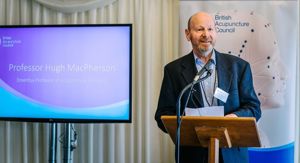
- Hugh McPhersonforskning / forskningssamarbeid / acubreast / 2020 / hughWe are very sad to report the death of Professor Hugh MacPherson, 20th of August 2020. Hugh McPherson was an important part of the AcuBreast research team and we thank him for his significant contributions in the funding application and in the work to establish a protocol. Professor Hugh MacPherson was an Emeritus Professor at the Department of Health Sciences, University of York and the first Professor of Acupuncture Research in UK. His effort and dedicated work to establish acupuncture as a scientific and evidence based practice has had a defining impact on the profession and the research of acupuncture. Hugh has touched the life and careers of acupuncturists around the world.
- Alle kan kjøpe aksjerom-kristiania / kalender / alle-kan-kjope-aksjerHvorfor er det så få kvinner som investerer i aksjer? Kan ny teknologi gjøre det lettere? Velkommen til åpent arrangement med Børsgruppen Kristiania og Loftet!

- Why conspiracies catch fire – and how to stop themkunnskap-kristiania / 2025 / 8 / why-conspiracies-catch-fire--and-how-to-stop-themSCIENCE NEWS FROM KRISTIANIA: Conspiracy theories This text was first published on sciencenorway.no on the 14th of May 2025 with the title "How conspiracies spread - and how we stop them" . In 2023, nearly 1 in 4 people believed that Covid-19 was a bioweapon – despite overwhelming scientific evidence to the contrary. This is not just a fringe belief – it reflects a growing crisis of mistrust that’s undermining public health around the world. As misinformation becomes more sophisticated and harder to detect, health professionals must understand why people believe it in the first place Our recent study reveals how these narratives – from Covid-19 misinformation to HIV/AIDS denial – spread, who they affect, and what we can do to stop them. Is someone secretly harming your health? Health conspiracy theories claim hidden agendas behind public health policies, medical treatments, or scientific research. They suggest that powerful groups – like governments or pharmaceutical companies – are secretly harming the public for profit or control. Popular examples include claims that vaccines cause infertility, that HIV was engineered as a weapon, or that cancer cures are being hidden to protect pharmaceutical profits. These theories have real-world consequences. They reduce trust in health systems, increase vaccine hesitancy, and worsen health disparities – especially for already marginalised groups. Who believes them – and why? These beliefs are particularly widespread among people with low trust in government, lower education levels, and limited access to credible health information. A U.S. study found that nearly one-third of older black adults believed in HIV-related conspiracy theories, reducing their willingness to get tested or seek care. In South Africa, beliefs among adolescents were linked to scepticism about HIV prevention. In Spain, people with far-right political views were less likely to get vaccinated. Globally, people who believed in Covid-19 misinformation were less likely to follow public health advice like masking or social distancing. In extreme-right political circles, health misinformation is often framed in pseudo-scientific or racist narratives, which further erode public trust and threaten social cohesion. A combination of psychological, social, and technological factors drives these beliefs. Misinformation is more visible than reliable information The algorithms on social media platforms prioritise sensational content, making conspiracy theories more visible than reliable health information. During the Zika outbreak, false stories were shared three times more frequently than factual ones. Belief in conspiracy theories affects more than just individuals – it impacts entire communities Some influencers promote conspiracy-based health content while selling alternative products, using personal stories and emotional language to build trust with their followers. It puts all of us at risk Belief in conspiracy theories affects more than just individuals – it impacts entire communities. People may choose not to immunise their children, putting others at risk. Others may delay cancer treatment because they believe natural remedies are being suppressed. The mental health effects are also concerning. Healthcare workers who believed Covid-19 was man-made reported higher anxiety, depression, and lower job satisfaction. False narratives that link disease to specific ethnic or political groups can deepen societal divides, lead to stigma, racism, or even violence. What can we do? Several strategies have shown promise: 1. Inoculation messaging: Exposing people to weak versions of conspiracy theories along with factual refutations, helps them build resistance to future misinformation. In one study, this approach improved vaccine attitudes, especially in low-trust settings. 2. Media literacy education: Teaching people how to spot false claims and check sources can reduce the spread of misinformation. But caution is needed – some interventions make people overly sceptical. 3. Trust-building: Community engagement is key. Involving trusted community leaders, using culturally relevant messages, and being transparent about health decisions can help rebuild trust, particularly in communities with a history of medical mistreatment or marginalisation. 4. Platform accountability: Social media companies must take responsibility by adjusting algorithms, labelling false content, and cracking down on financial incentives for conspiracy promoters. 5. Long-term research: We need more studies comparing which strategies work best in different populations; testing over the long term and across diverse sociopolitical contexts. We must address the root causes As misinformation becomes more sophisticated and harder to detect, public health professionals must not just 'debunk' false claims but understand the social and emotional reasons people believe them in the first place. We must address the root causes: low trust, inequality, and lack of access to reliable information. That means combining digital tools with community-based outreach and evidence-based education. It also means holding platforms accountable while respecting free expression. In a world where misinformation spreads with a click, building resilience to conspiracy theories is not just an option – it’s a public health imperative. Reference: Kisa, A. & Kisa, S. Health conspiracy theories: a scoping review of drivers, impacts, and countermeasures , International Journal for Equity in Health, vol. 24, 2025. Text: Adnan Kisa, professor at the School of Health Sciences, Kristiania University of Applied Sciences. This text was first published on sciencenorway.no on the 14th of May 2025 with the title "How conspiracies spread - and how we stop them" . We love hearing from you! Send your comments and questions regarding this article by e-mail to kunnskap@kristiania.no .

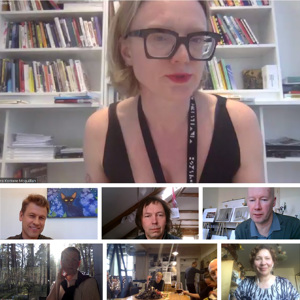
- How an Academic Lecturer became a Talk Show Host on Zoomkunnskap-kristiania / 2020 / 05 / how-an-academic-lecturer-became-a-talk-show-host-on-zoomSCIENCE COMMUNICATION: Talk Show on Design and Architecture “Episode 5 of Trentini Talk Show will look into the future of retail architecture, the domain that will be the most affected by COVID19. We already understand that some typologies are not going to survive the retail crisis, which we have entered with the international lockdowns.” At the end of 2019, the research group ArchCommLAb, that I’m chairing, delivered a book manuscript on retail architecture Fashion Spaces/ a Theoretical View to Dutch publisher Frame. In the forthcoming book, we examine how retail architecture is evolving from being brandscapes to becoming fashion spaces. We suggested that the separation between brandscapes, where the spatial production is closely linked to the brand, and fashion spaces, which can be considered as autonomous and sustainable, lies in the fact that brands might lose control over results (McQuillan, Hansen, 2020). It is important to note that we look at fashion not just as a study of dress, adornment and clothing, but as a broader phenomenon of social change. Listen to Podcast: Vésma Kontere McQuillan on Prada, Fashion Spaces, and Streetwear The release of the book was scheduled for May 28, 2020. Before the book launch came the date February 26, 2020, when the first coronavirus case was registered in Norway and March 12, when a national lockdown was announced. The release of the book is postponed until July 28, 2020. Read also: Co-creation of Brands Would you like to host a Talk Show? Shortly after the lockdown took place, a week before Easter, Mareks Nemme from Trentini called me. Trentini Spaces and Design is a design Gallery, located in Riga, Latvia. Before COVID19, they sold high- end design furniture. Now their objective was to create a new platform for design discussions, the first talk show for architects and designers on Zoom. The idea behind the show is every week, on Thursdays, to invite an internationally recognized professional in their fields such as architecture and design to discuss current topics in architecture and design. Trentini asked me to host the first season. Trentini Talk Show is a project I would never have imagined only two months ago. Read also: Instagram skaper ny arkitektur (article in Norwegian) I was not a TV show host but an academic lecturer I was not sure. On this point, Zoom was an unknown format for me. I was not a TV show host but an academic lecturer. I used to work with a visually strong presentation behind my back. The room was essential to me. I loved to come to space some time ahead of my lecture to make sure that the lights, sound, and position of the audience are working for me. I loved traveling with talks to try out different auditoriums created by other architects. Still, one of my favorites is the black auditorium by Kristin Jardmund Architects at Campus Vulkan, a signature building of Westerdals. Now, the venue is Zoom at the address Zoom Video Conference. The idea of “room” has changed during the COVID-19 situation, and it was an opportunity to test the hypotheses of fashion spaces in practice through the talk show format. New and unexpected zone of social interaction The significant changes in public architecture started already in 2005 with the second digitalization wave when Web 2.0 applications brought changes in consumer’s social and everyday behavior patterns. It was the beginning of the internet’s severe impact on spaces; even it was a voluntary choice by then. Already in 2019, the design society extensively was communicating via smartphones with apps of social media such as Instagram, while the phone owner’s favorite physical space was defined instead by free wi-fi than particular architecture. This year has brought us to a whole new and unexpected zone of social interaction between a retailer, who is the forcing power behind the retail architecture and their consumer. Right now, retailers do not sell products; they are trying to keep their communities via different types of social engagement, such as the talk show I’m hosting now. How will design and architecture change when we go back to physical spaces? Trentini Spaces and Design, has, at least temporarily, turned from a design retailer into a design educator. Right now Zoom is a new site of cultural production, do we want it or not. Retail architecture is developing the way we predicted. The question is – will be brands such as Trentini able to keep control over the cultural sites they are creating right now, and how it will change the architecture after we go back to physical spaces. But there is still time, and I’m thankful for those conversations with architects, designers, and audience. What I have learned so far, the Zoom room has it’s benefits. The last talk was with Sebastian Herkner , a German designer based in Offenbach am Main. He was in his studio, I was in Oslo, Trentini aired from their showroom in Riga while sitting on Herkner’s designed sofas, and design professionals from Stuttgart, Berlin, and Amsterdam joined our conversation. And while everyone is in different geographical places, the significant lesson I learned was an unexpected possibility to look another person in the eyes and connect in some not-yet- realized, imagined place. At the address Zoom Video Conference. Reference: Vésma K. McQuillan (2020): Fashion Spaces: A Theoretical View Paperback Frame Publishers. To be released on July 28, 2020. This feature article is written for Kunnskapsmagasinet Kristiania and first published on May 7, 2020. Text: Vésma K. McQuillan is Professor at Westerdals Department of Communication and Design, at Kristiania University College, Oslo, Norway, where she also chairs the ArchCommLab research group. Currently, she is hosting Trentini Talk Show , the first talk show for architects on ZOOM. Season one consists of eight episodes, which airs from April to June 2020 .
- In the future, being around other people may prolong the lifetime of your smartphone’s batterykunnskap-kristiania / 2022 / 08 / in-the-future-being-around-other-people-may-prolong-the-lifetime-of-your-smartphones-batteryKNOWLEDGE @ KRISTIANIA: Technolgy Today, smartphones are used to aid and improve all kinds of tasks in almost all aspects of daily life. Smartphones, however, are generally considered fairly resource constrained and their available power is the most constrained resource of all— without power the smartphone won’t function. Not surprisingly, battery life has been identified as one of the most desired features of mobile devices. A possible solution For the purpose of improving battery life in settings where users are co-located, we conducted a study to measure the impact on the consumed smartphone energy when data were collected in a distributed manner. This means that every device shared the same data as opposed to every device collecting its own sensor data. The results indicated that a shared distributed collection imposed less energy consumption than traditional approaches. By opportunistically connecting to and sharing common computations with nearby smartphones, co-located users can compute tasks as ‘one entity’. The result of the computations done collectively is then available for all nearby devices and ensures that no computation is done more than once. A more seamless travel experience Let’s take an example of a near-future public transport application, taking advantage of the Be-in/Be-out paradigm. Be-in/Be-out is about enabling user’s of public transport to enter and leave vehicles without having to do any explicit action— a seamless, ticket free travel experience. In order to achieve this, heavy local computations are needed in order to estimate or verify if a user is actually on a public transport vehicle, which vehicle and how long the journey is, in order to achieve accurate ticketing. The Be-in/Be-out scenario in public transport, is a very relevant scenario which we are currently researching through a joint research effort between fluxLoop, Kristiania University College and other public transport operators such as Nordland Fylkeskommune and Ruter. Devices sharing the same data In scenarios such as this, the smartphones of embarking and disembarking travelers can collaborate as one entity in order to calculate whether travelers are embarking, disembarking and which mode of transport the travelers are in. Near-future public transport solutions are examples where opportunistic collaboration could prove beneficial. However, this approach could also be employed in any kind of scenario where devices are co-located and ambient sensor information needs to be collected and processed. Cloud solutions are not necessarily the best solutions The last couple of years, in order to combat the resource scarceness of mobile phones, many applications send heavy computation to the cloud for processing and the result is then returned to the device. This can significantly lower the resource consumption of mobile phones and contribute to a longer lasting battery. At the same time, the concept of the Internet of Things (IoT) has emerged which has led to a drastic increase in connected devices. This, in turn, leads to elevated network traffic which potentially can cause latency and a heightened load on servers worldwide. Not only does this affect the internet backbone and the service providers, but an increase in network usage from mobile devices might also incur added cost for the end-user. In addition, by sending data to the cloud it brings an added risk to security and introduces new attack vectors. Data can be intercepted on the way, or malicious employees working at the service provider can access and steal your data. More processing on device may increase the security of mobile solutions Security concerns, in combination with better hardware and more efficient algorithms has led to the computations again being moved back to the users’ devices. However, the issue of available power on mobile devices still persists. This is quite the predicament! On one hand you have a significant reduction in energy consumption on the user’s device and on the other you have a significant increase in network load and additional security concerns. It is currently hard to deal with all these issues, however, on-device processing and opportunistic collaboration can help mitigate security issues to some extent. A way to reduce energy consumption It is difficult to say exactly which calculations are needed for different solutions in the future. However, for scenarios where multiple devices need to do the same calculations within the same context, collaborating on the computation is a viable approach. Through opportunistic collaboration it is possible to reduce energy consumption, while simultaneously keeping network traffic at a minimum. In the future this solution might contribute to a more seamless travel experience with fairer pricing schemes and hopefully— once implemented, the travelers won’t notice a significant change in their device’s power consumption due to distributed work collaboration. Referanser: Skretting and T.-M. Grønli, "Distributed Sensor Data Collection Using Mobile Clouds for Public Transportation," in IEEE 17th International Conference on Intelligent Computer Communication and Processing, 2021. Ma, Y. Zhao, L. Zhang, H. Wang and L. Peng, "When mobile terminals meet the cloud: computation offloading as the bridge," in IEEE Network, vol. 27, no. 5, pp. 28-33, September-October 2013, doi: 10.1109/MNET.2013.6616112. Text: PHD-candidate Anders Skretting, School of Economics, Innovation and Technology. Anders.Skretting@kristiania.no

- Eksamensvisning Musikkteater: Ganske Golden Age!om-kristiania / kalender / eksamensvisning-musikkteater-ganske-golden-ageStudentene på 1. året Bachelor i musikkteater ønsker velkommen til eksamensvisning!

- Triksene som gjør Temu uimotståeligkunnskap-kristiania / 2025 / triksene-som-gjor-temu-uimotstaeligKUNNSKAP FRA KRISTIANIA: Teknologi og markedsføring Temu bruker kjente overtalelsesstrategier for å tiltrekke , overbevise og beholde forbrukere . De benytter psykologiske triggere og interaktivt engasjement for å drive kjøp og langsiktig kundelojalitet . Lave priser som lokkemiddel For det første spiller pris en avgjørende rolle i Temu sin markedsføringsstrategi . Plattformen gir ofte svært gode rabatter , pakketilbud og flash- salg for å skape en oppfatning av eksepsjonell verdi . Ved å posisjonere produkter til betydelig lavere priser sammenlignet med konkurrentene , forsterker Temu oppfatningen om at d u gjør et kupp . De lokker deg til å foreta impulskjøp . For det andre er clickbait- teknikker tydelige i Temu sin annonserings - og appgrensesnitt . Iøynefallende overskrifter , overdrevne rabatter og presserende handlingsfremmende knapper ( f.eks . « Gjør krav på gratisgaven din nå !») er utformet for å fange oppmerksomhet en din og oppmuntre til interaksjon . Disse aktivitetene driver ikke bare trafikk til plattformen , men øker også sannsynligheten for at du utforsker flere produkter . Hasterabatter og spill som frister For det tredje brukes knapphetsmeldinger ( s åkalte s carcity messages på engelsk ) effektivt for å skape en følelse av at det haster . Forbrukere møter ofte meldinger som "Bare 3 igjen på lager" eller " Tilbudet slutter om 2 timer" . Slik ber Temu deg om å handle raskt før d u går glipp av en avtale . Denne frykten for å gå glipp av n o e (FOMO) driver umiddelbar beslutningstaking , og reduserer sannsynligheten for at du som kunde forlater handlekurven . Til slutt er gamification et sentralt element i Temu sin oppbevaringsstrategi . Appen inkluderer interaktive funksjoner som spin-to-win- hjul , belønningsbaserte utfordringer og henvisningsbonuser som oppmuntrer til hyppig engasjement . Ved å integrere spilllignende opplevelser i shoppingreisen , holder Temu deg unde rholdt samtidig som a ppen fors terker den vanlige kjøpsatferden . Strategier som selger Ved å kombinere disse overbevisende teknikkene , fanger Temu effektivt forbrukernes oppmerksomhet . I tillegg øker selskapet den såkalte konverteringsfrekvense n , det vil si hvor mange av de som besøker nettsiden som faktaisk kjøper noe . Teknikkene sørg e r f o r kontinuerlig engasjement . Slik har de blitt en en sterk aktør i e- handelslandskapet , som er preget av sterk konkurranse . Referanse: Cialdini, R. B. (2001). The science of persuasion. Scientific American , 284 (2), 76-81. Tekst: Asle Fagerstrøm, professor ved instituttet for teknologi, Kristiania. Denne teksten ble først publisert på forskning.no den 20. februar 2025 under tittelen " Lar du deg lure av Temus teknikker? " Vi vil gjerne høre fra deg! Send spørsmål og kommentarer til artikkelen på e-post til kunnskap@kristiania.no .

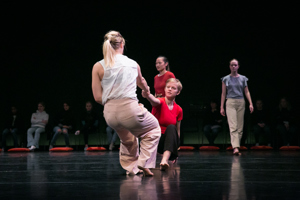
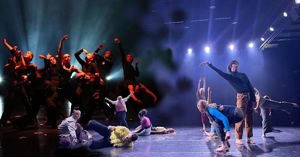
- Danser på Operaenaktuelt / 2019 / 10 / danser-pa-operaenOver 50 dansere beveger seg i en pulserende og drivende formasjon over det sorte scenegulvet på Den Norske Opera & Balletts Scene 2. If One Keeps Walking er en performance som lar mennesker komme i kontakt med seg selv, andre og omgivelsene. Grensene mellom publikum, utøvere og dansere gjøres utydelige for å skape en menneskelig, hjertevarmende og inkluderende opplevelse. «Community Project» If One Keeps Walking er Hagit Yakiras nyeste prosjekt. Det er en stedsresponderende, erfaringsbasert performance med fem eksepsjonelle dansere og inntil 50 lokale deltakere i alle aldre og med forskjellige forutsetninger. Femten av disse er studenter fra Norges dansehøyskole, som nå er et institutt under Høyskolen Kristiania . De går alle fordypning i samtidsdans, på andre og tredje året av bachelorgraden i dans med pedagogikk. Produksjonen betegnes som et såkalt «Community Project», hvor lokale utøvere tar del i og setter sitt preg på forestillingen. - Det er en mulighet for en større del av befolkingen til å ta del i et danseprosjekt med tydelig kunstnerisk visjon og høy kvalitet. Dette er ikke et amatørprosjekt, men en forestilling som åpner for å se mangfold og forskjellige enkle bevegelsesmønstre i en stor gruppe- å gå, springe, sitte, snurre, falle- alle disse hverdagslige bevegelsene får en tydelig estetisk form i en stor gruppe, som en fugleflokk som beveger seg sammen eller en fiskestim som gjør at vi ser former og bevegelser i stor skala. Til tross for at det er mange involverte aktører i produksjonen, har Hagit Yakira fulgt opp alle utøverne godt, og sørget for at alle har blitt sett og hørt, forklarer Stine Nilsen, som er kunstnerisk leder for CODA-festivalen. I prøveperioden har utøverne hatt flere av prøvene i dansestudioene til Norges dansehøyskole i Borggata, men de siste dagene har de vært i Den Norske Opera & Ballett. Det har vært en intensiv prosess for de rundt 50 utøverne som alle skal finne sin plass i en såpass stor gruppe. - Det har vore ein spennande og intensiv prosess. Me har gjennom heile prosessen arbeida med improvisasjon med tydelege rammer, og har fått utforska materialet sjølv utifrå dei oppgåvene som har blitt gitt. Slik har me fått ein klar veg på korleis ein skulle arbeide inn i rørsla. Hagit har inkludert oss i arbeidet der ein får kjenne på det å måtte utfordre seg sjølv, ta sjansar og vere med på å skape. Dette har gjort at eg har fått eit innblikk i korleis å vere utøvande, og det har vore spennande å sjå korleis Hagit har arbeida med å skape denne førestillinga, sier 3. årsstudent Sofie Bjelland. Starter som en vandring Forestillingen starter som en vandring, hvor utøverne fører med seg publikum fra Sukkerbiten utenfor Lambda, videre forbi Operastranda, via operataket og foajeen, før de til slutt ender opp på Scene 2. Her kan publikum velge å bli med opp på scenen, til sitteplassene som for anledningen er plassert rundt scenegulvet. Gjennom forestillingen fremføres musikk av vokalartisten Portia Winters. Samspillet mellom danserne og musikken er vakkert, poetisk og til tider intenst. Fikk praksisplass i CODA Andrea Dybvik er tredjeårsstudent på fordypning i jazzdans. Hun har vært så heldig å få praksisplass i CODA-festivalen. Her har hun fått relevant erfaring innen både kommunikasjonsarbeid, logistikk og praktisk oppfølging av festivalens deltakere og samarbeidspartnere. - Det er veldig lærerikt! Jeg ble bare kastet ut i det, og det lærer man jo mye av. Jeg får utfordringer som jeg må løse, som jeg aldri har gjort før, og så gjelder det bare å finne ut hvordan man skal løse dem. Jeg har blant annet skrevet tekster til sosiale medier, hatt kontakt med profesjonelle kunstnere i dansekunstmiljøet og har stort sett beveget meg en del utenfor komfortsonen, sier Andrea før hun løper videre til neste gjøremål. Koreograf Hagit Yakira har et stramt tidsskjema, så her teller hvert minutt. Forestillingen vises 19. og 20. oktober på Den Norske Opera & Ballett, i forbindelse med CODA International Dance Festival 2019 .
- Hvordan påvirker teknologi musikkens kreative prosesser?om-kristiania / kalender / forskersamling-hvordan-pavirker-teknologi-musikkens-kreative-prosesserNysgjerrig på hvordan teknologi former samspill, lytting og kreativitet? Møt forskere, musikere og studenter til livemusikk og smakebiter fra kunstnerisk utvikling ved Kristiania!

- Kristianiafrokost - Headhunting: Den hemmelige bransjen som styrer toppene i arbeidslivetom-kristiania / kalender / kristiania-frokost---headhunting-hva-gjor-deg-aktuell-eller-uaktuellHva er konsekvensene av at vi har så lite kunnskap om bransjen og metodene?
- Fysisk teater: Alexandrias drøm / Alexandria’s dreamom-kristiania / kalender / fysisk-teater-alexandrias-drom--alexandrias-dreamDenne teatervisningen er resultatet av en workshop sisteårsstudentene på Bachelor i skuespill har hatt under veiledning av Juanjo de la Fuente og Paula Miguelez Lucena (ES).
- How crisis Zoomed us away from Skypekunnskap-kristiania / 2020 / 03 / how-crisis-zoomed-us-away-from-skypeKRISTIANIA THOUGHTS: Brand Value through User Experience I admit, in February 2020, Zoom was unknown to me. Before Covid-19 I thought Skype was competing against Facebook and Google! Skype had such a strong position in 2011 that Microsoft was willing to pay a whopping $ 8.5 billion dollars for reasons no one understood back then (and much less today). Even though Skype was integrated into Microsoft as Skype for Business, hardly anybody was using it. Read also: Why consumers co-create Skype has fallen behind There are several reasons why its popularity dvindeled but few would ever had praised the application for being smart or reliable. Microsoft never managed to capitalise on the brand recognition Skype had. The application remained elementary and of little value for customers when competing platforms offered better quality via mobile operator networks. To be fair, Microsoft has managed to turn Skype into a useful work-communication tool within organisations. As a tool to host larger meetings and events, Skype has fallen behind. Read also: Co-creation of Brands Rocket success The lesson? In tech, brand value is hard to keep without a burning passion for great service design. In order to stay relevant, companies must study how usability can be implemented as valuable features of a brand. Recognition without relevance is a recipe for failure. This post will not dwell on Microsofts misfortune but rather explore the rocket success of Zoom.us. The outbreak of the novel Covid virus eventually lead to temporary lock-downs of business, schools and agencies around the world. In a matter of days, thousands were in need for reliable online tools to host meetings and seminars. There was an urgent demand for a service that facilitated for shared group meetings in a stimulating online scape. Read also: Kunsten å undervise digitalt (in Norwegian) Moving to Zoom Moving Several Universities around the world quickly moved teaching from the classroom to Zoom. The change has been enormous. For example in Norway. In the beginning of March 2020, less than a hundred Zoom meeting were organised daily. By 18th of March, more than 55.000 such meetings are being hosted with students and staff every day. The learning curve was steep for many but the transition has gone incredibly smooth. For this market, Zoom proved to be a fully functional and in-depth video conference tool. Anyone with the right URL can join the meeting, up to 100 participants to be exact. Hosts can divide large group into smaller groups, chat, poll, share, write and record – all at the same time. User experience These are features unknown in Skype but could have easily been there if user experience would have been the guiding light in its design. The sudden popularity of Zoom will be remembered because of great user experience. Such experiences can only be developed with close customer-provider interactions. The timing was perfect luck! No wonder Zoom.us has increased in market value. In less than two months Zoom.us increased in value by 100%. How much will Microsoft be willing to pay this time? Reference: This article was first published on Halldor Engilbertsson’s LinkedIN account on 27th of March 2020 . Text: Assistant Professor Halldor Örn Engilbertsson, Department of Marketing, Kristiania University College.
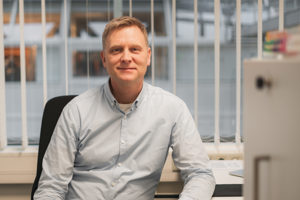
- Meet the industry guest lecturers at Music Businessaktuelt / 2020 / 02 / meet-the-industry-guest-lecturers-at-music-businessGuttorm Raa, CEO, Little Big Sister – I bet a lot of the students in this year's Music Business class will end up in important positions in the international music industry. The approach they get from Scott, who's a very experienced and good lecturer, together with the team of professionals who come in, is unique in Norway. The breadth, but also the depth of the teaching, makes it possible to leave the course and be competent in many parts of the industry, including record companies, publishing, management, producers and as artists. Pernille Dragsten Holden, General Manager, Longyear United – Doing lectures for the Music Business class gives me inspiration and energy, because the students are very eager to learn. They are a curious, engaged, and a problem-solving group who ask the right – and sometimes difficult questions. It is exciting to get to know and learn the next generation in the industry. The future looks bright! Jarle Savio, Adviser, Longyear United – My lectures at Fagskolen Kristiania give more energy than they take. I get energy from lecturing for students who listen, ask critical questions and participate in class. I get energized by the fact that they want to learn about my industry, and that they see opportunities instead of problems. I get energized by the fact that young and smart minds are on their way into the music business – we need them! Viljar Siljan, Artist Manager of Brenn & Beharie, Compro Artists – As a young manager in the music industry, lecturing for eager and like-minded students is incredibly rewarding. I am impressed by the academic level the students have acquired throughout the year, due to the combination of the practical and theoretical approach. The program makes students well-equipped to work in an industry that requires talent, stamina and curiosity. I can recommend the course to anyone who wants to work in the music business industry, whether you want to work in a larger company or start for yourself. Preben S. Andersen, Producer, Songwriter, member of Hajk & Death by Unga Bunga – Throughout this course, students will learn about a multifaceted industry in continuous development. The program is designed in a way that I find innovative and that takes every part of the industry seriously, while not forgetting the importance of good music. Students gain a realistic insight into the music industry through specific work assignments, making them motivated and well-equipped for a future in, for example, a record label or as an artist manager.
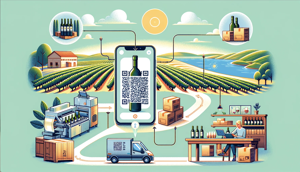
- Mer bærekraft i vinindustrienaktuelt / 2024 / 02 / Merbaerekraftivinindustrien– Forbrukeren i dag ønsker mer enn bare et produkt; de ønsker en historie de kan forholde seg til og stole på, sier Asle Fagerstrøm ved School of Economics, Innovation and Technology ved Kristiania. Han peker på blokkjede som løsningen for å gi bedre og mer sikker informasjon om opprinnelsen til for eksempel fisken, kjøttet eller vinen som havner på forbrukerens middagsbord. Norsk/fransk samarbeid Nå er Fagerstrøm i gang med et forskningsprosjekt i samarbeid med det franske universitetet BSB – Burgundy school of business som omhandler nettopp blokkjede-merking av vin. Samarbeidet med BSB er sentralt for å dra nytte av fransk ekspertise innen vinproduksjon og bærekraft, kombinert med norsk teknologisk innovasjon, spesielt innen blokkjeder. På lang sikt er det endelige målet å gjøre vinproduksjonens verdikjede helt gjennomsiktig. Det helt konkrete forskningsprosjektet Kristiania og BSB jobber med nå, handler om å finne ut hva slags informasjon forbrukere er interessert i når de leser om vinen de vurderer å kjøpe. – Hva er det sluttkunden egentlig ønsker informasjon om når han eller hun står på vinmonopolet og skanner QR-koden på en vinflaske som er basert på blokkkjedeteknologi? Dette er noe av det vi skal finne ut av i prosjektet sammen med BSB, forklarer Fagerstrøm. – Ved å bruke blokkjede kan vi gi forbrukerne nøyaktig informasjon om hvordan dyrene har blitt behandlet, deres oppvekstforhold, og om bærekraftige praksiser har blitt fulgt Mer enn vin Gjennom sitt arbeid med blokkjeder i vinindustrien, håper Fagerstrøm å ikke bare forbedre forbrukernes kjøpsopplevelse, men også å fremme bærekraftige og etiske produksjonsmetoder. – Vi skal også beskrive hele leveransekjeden i vinindustrien og se på hvordan blokkkjedeteknologi kan være med på å skape verdi og trygghet for kunden som er det siste leddet i denne kjeden, sier han. Fagerstrøm tror denne typen teknologi kan brukes til å styrke båndet mellom vinprodusent og forbruker, der vin ikke bare nytes for sin smak, men også for sin historie og bærekraft. Det er selvsagt ikke bare vinproduksjon som kan dra nytte av blokkjede-teknologi. All type matvareproduksjon kan i prinsippet omfattes. I lys av et økende fokus på dyrevelferd i Norge, spesielt knyttet til laks og kjøttproduksjon, poengterer Fagerstrøm at blokkjede-teknologi også har potensial til å endre hvordan vi sporer og verifiserer dyrs velferd fra gård til bord. – Ved å bruke blokkjede kan vi gi forbrukerne nøyaktig informasjon om hvordan dyrene har blitt behandlet, deres oppvekstforhold, og om bærekraftige praksiser har blitt fulgt, avslutter Fagerstrøm. Om forskningsprosjektet Prosjektet "Sustainability Wine Labelling: A French – Norwegian Scientific Cooperation" utforsker implementeringen av blokkjede-teknologi for å fremme transparens og bærekraft i vinindustrien. Det tar sikte på å adressere utfordringer knyttet til uoversiktlige og heterogene merkepraksiser innen naturlig vin, med mål om å gi forbrukerne klarhet og hjelpe produsenter med å forbedre verdien av deres etiketter. Ved å kombinere ekspertise fra både Frankrike og Norge, fokuserer samarbeidet på å undersøke forbrukerpreferanser og oppfatninger knyttet til bærekraftig vinmerking, og å utvikle standardiserte løsninger for merking som kan fremme informerte valg blant forbrukere. Forskningen er støttet av Aurora-programme t , et fransk-norsk samarbeid for forskerutveksling.
- Vårvisning 1. & 2. år Bachelor i dansekunst fordypning jazzdansom-kristiania / kalender / varvisning-1.--2.-ar-bachelor-i-dansekunstVelkommen til vårvisningen med studentene på 1. & 2. året Bachelor i dansekunst fordypning jazzdans !
- Hva er kunstforskning?kunnskap-kristiania / 2023 / 09 / hva-er-kunstforskningKUNNSKAP FRA KRISTIANIA: Jørn Mortensen om kunstnerisk forskning Da den progressive jazzen ble utviklet på slutten av 1960-tallet med størrelser som The Free Spirit, Miles Davis og Mahavishnu Orchestra, skjedde ikke dette som resultat av et humanistisk-vitenskapelig essay om jazz. Det skjedde i faget av utøvere som eksperimenterte og testet ut nye klanger, ny rytmikk, nye lyduttrykk, nye harmonier og så videre. Sånn har det alltid vært når kunst har utfordret sitt eget uttrykk og vitengrunnlag. Kunstnerisk utviklingsarbeid Store norske leksikon sier det enkelt: «Forskning er å undersøke noe ved hjelp av vitenskapelig metode for å frembringe ny kunnskap.» Problemet her er selvsagt begrepet «vitenskapelig metode». Men siden kunstnerisk utviklingsarbeid i lov om universiteter og høyskoler er sidestilt med forskning, kan definisjonen oversettes til «kunstnerisk utviklingsarbeid er å frembringe ny kunnskap med adekvate metoder». Hva som er adekvate metoder, er besvart av den finske kuratoren og filosofen Mika Hannula i essayet «Catch Me If You Can» , der han viser at forskningsaktiviteten i kunsten både kjennetegnes og karakteriseres av et metodisk overskudd: En mer pragmatisk holdning til metodespørsmålet gir mening for kunstnerisk utviklingsarbeid. På mange måter henter han rasjonalet for metodespørsmålet i Paul Feyerabends anarkistiske epistemologi, Against Method, fra 1975. Men poenget er at en mer pragmatisk holdning til metodespørsmålet gir mening for kunstnerisk utviklingsarbeid. Metodene som er valgt har vært «eklektiske» i betydningen at de metoder som fungerer, anvendes. Man kan ikke krangle med resultatet, og dermed har metodene vært adekvate. Slik ser det ut i kunsten, og det må vi akseptere. Som et laboratorieeksperiment Denne kunnskapsproduksjonen kan man kalle en slags kunstens grunnforskning: utviklingen, innviklingen og avviklingen av kunstens teknikker, materialer, stofflighet og repertoar. Den er ikke preget av «kritisk refleksjon» i humanistisk eller samfunnsvitenskapelig forstand, men av eksperiment, utprøving, feiling, testing og spekulasjon. Metodisk sett er det ikke ulikt det som foregår i et laboratorium. Billedkunstens utfordring Den britiske kritikeren og professor Claire Bishop har i Morgenbladet advart mot en form for tørr forskningsbasert kunst som hun knytter til institusjonaliseringen av kunstnerisk utviklingsarbeid. La det være helt klart: Dette er i stor grad et billedkunstfenomen, og kunsthistorieprofessor Ina Bloms kommentarer i reportasjen 11. august bekrefter dette, samtidig som Blom er bekymret for at dette fenomenet brer seg til andre kunstpraksiser. Det er en berettiget frykt, og har å gjøre med en blanding av manglende trygghet i hele kunstfeltet, kombinert med utviklingen av en sjanger som har fått lov til å prege mye av billedkunstens forskningsforståelse. På mange måter har billedkunsten lagt opp til dette selv. Dens omfavnelse av språket som materiale og fremveksten av konseptualismen i 1960-årene, omfavnelsen av den kritiske filosofien med forestillingen om at kunsten skal «avdekke» maktstrukturer og politiske strukturer, introduksjonen av journalistiske, sosiologiske og antropologiske undersøkende metoder. Dette, kombinert med billigere digitalteknologi, har brøytet veien for et kunstideal som på mange måter har fungert som et perfekt «oppvarmingsband» for den forskningssjangeren Bishop advarer mot. Denne grenseløse troen på at forskningsbaserte kunstneriske prosjekter i dokumentarsjangeren kan avdekke all verdens urett, er fascinerende i seg selv. Men problemet er selvsagt når dette blir en stil, en sjanger og i verste fall en posering. Praksis og vitengrunnlag I reportasjen hevder professor Ane Hjort Guttu at statusen som vitenskapelig høyskole har skjerpet akademiseringen ved Kunsthøgskolen i Oslo. Dette må bero på en misforståelse: At man er blitt vitenskapelig høyskole, betyr ikke at det er forventninger om at man må drive med vitenskapelig forskning eller vitenskapelige metoder. Det betyr at man som institusjon er på høyeste nivå innen sitt fagfelt, og at man har rett til å drive en doktorgradsutdanning. Det forutsettes faktisk at man bruker den pedagogikk, didaktikk og de forskningsmetoder som tilhører fagfeltet. Dersom utdanningen og forskningen er mer akademisert eller vitenskapeliggjort etter at statusen ble endret, må det skyldes andre forhold. I reportasjen stilles selvsagt også det retoriske spørsmålet om Edvard Munchs sjanser i doktorgradssystemet. Det blir imidlertid som å spørre om en toppjurist eller toppkirurg kunne blitt en god forsker. Svaret er selvsagt nei – ikke nødvendigvis. Men det er viktig at praksis og vitengrunnlag henger sammen. Hvis ikke utvikles doble standarder. Derfor er det avgjørende at kunstnere med en oppdatert forskningsforståelse inngår i utdanningsinstitusjonenes faglige fellesskap. Så hva er trusselen? Det foregår ikke noen faglig akademisering av kunstutdanningene utover det de påfører seg selv. I den grad kunstnerisk utviklingsarbeid mimer annen forskning, er det enten på grunn av svak selvtillit eller fordi det har utviklet seg «uhensiktsmessige» sjangre innenfra. Eller begge deler. Det finnes derimot en trussel som dreier seg om standardisering. For kunstutdanningene har dette særlig å gjøre med reglene for ansettelse og opprykk, samt spørsmålet om hva som er meritterende «publiseringskanaler» for kunstnerisk utviklingsarbeid. Det er fortsatt avgjørende for kunstutdanningene at man kan rekruttere kompetente fagfolk utenfor universitets- og høyskolesektoren. Det krever en spesiell omsorg i forskriften for ansettelse og opprykk i undervisnings- og forskerstillinger, og den finnes i dag. Artikkelen er en forkortet versjon av et debattinnlegg publisert i Morgenbladet 27. august 2023, under tittelen Kunst er både kunnskap, erkjennelse og estetiske opplevelser Referanser: Mika Hannula (2008) Catch Me If You Can - Changes and challenges of Artistic Research Paul Feyerabend (1975) Against Method. Humanities Press. Vi vil gjerne høre fra deg! Send spørsmål og kommentarer til artikkelen på e-post til kunnskap@kristiania.no .
- Nine recommendations on risk communication during health criseskunnskap-kristiania / 2023 / 06 / nine-recommendations-on-risk-communication-during-health-crisesKNOWLEDGE FROM KRISTIANIA: Audra Diers-Lawson on risk communication In December 2022 I found myself sitting in a hotel bar in Almaty, Kazakhstan talking with a friend and colleague who works for the World Health Organization. We talked about the importance of building communities of knowledge, practice, and experience to tackle global problems like COVID-19. I was in Kazakhstan to participate in the WHO’s workshop on risk communication and community engagement for Central Asia, offering a keynote address on lessons learned from the pandemic in Europe, as a way of sharing best practice. How governments should communicate during a health crisis To promote self-protective behaviours during a pandemic like covid-19, governments must ensure interactions between all stakeholders – citizens as well as all the managing institutions. In my research I had chosen 9 countries of focus (Bulgaria, France, Germany, Hungary, Italy, Lithuania, the Netherlands, Portugal, and Sweden) and 2 countries for comparison (UK and US), based an exhaustive search for English-language resources related to the pandemic. What I found was this: Trust in the communicating institutions is a central – if not the central – feature of communication success, regardless of relative success in managing the pandemic. Two-way communication or citizen engagement was crucial for communication success. Governments must actively listen and respond to their citizens’ needs. Effective pandemic communication strategies should focus on explaining to citizens what self-protective behaviours should be taken and why , within each country’s national contexts. During a pandemic, governments should adopt a positive tone supporting citizen confidence in taking action, communicating engagement and responsiveness because defensive messages are simply less effective. Citizens prefer transparency and a constructive management of fear and anxiety. Tailoring the messages to meet different demographics’ information needs and attitudes about government is essential. For example, minority communities within countries often have different information and communication needs. A contingency approach to responding to health crises Overall, the literature analysing COVID-19 communication supports the need for an effective stakeholder relationship management framework . This framework focuses on the interactions between the institutions managing COVID-19, citizen interests, and COVID-19-related issues that lead to self-protective behaviours being enacted. This kind of framework is meant to support agile crisis response to allow governments and public health authorities to diagnose the key communication challenges within a population and then design messages to meet those citizen information needs – reflecting one of the best practices learned from COVID-19. Strategies must be informed by context Across the EU, UK, and US literature, citizens’ knowledge of the disease, their own perception of risks, and the amount of control they feel they have directly, affect their willingness to take measures to protect themselves. Within the context of the COVID-19 pandemic, people were already afraid. Therefore, it makes more sense to focus on building positive messages about reducing risk rather than fear-based messages. Countries like England and Hungary used fear-based messaging or emphasised punishment for non-compliance and had lower levels of citizen compliance with instructional messages. A key factor to behaviour is citizens’ trust in institutions In my research of 236 scientific publications and institutional reports related to the COVID-19 pandemic between 2020 and 2022, I found that institutional trust emerged as central to citizen behaviour. Building and maintaining a good reputation and trust – especially related to health issues – is an essential tool for governments and public health authorities in order to effectively manage future pandemics. Whether research was analysing the high-trust environments in Sweden or explaining why political polarisation eroded institutional trust and correlated with a low level of adoption of self-protective behaviours in countries like the US, UK, Bulgaria, and Hungary, institutional trust was the key factor. People do what they believe has an effect Our confidence in our ability to enact certain behaviours AND that those behaviours lead to positive outcomes, guides what we actually do. Such citizen-related factors highlight the demographic and attitudinal predispositions for people to enact self-protective behaviours. Demographic factors matter and depend on location, culture, and timing. The evidence from across the countries clearly concludes that governments and public health authorities should: (1) explain what people should be doing, (2) provide clear instructions on how to perform the behaviour correctly, and (3) provide evidence that there is a benefit for them in performing the behaviours. Information gaps lead to mis- and disinformation Popular media and scientific research widely recognise that the COVID-19 ‘infodemic’ poses a serious threat persuading citizens to adopt self-protective behaviours. When citizens feel they do not have enough quality information from their governments and public health authorities, they will fill perceived information gaps by relying on other sources of information - thus opening the door to mis- and disinformation. Additionally, in such a prolonged crisis, several pieces of research also identified a new challenge related to information fatigue. Information fatigue emerged as a prominent factor in countries like Germany, Italy and Lithuania. Finally, when there are lower levels of information literacy – that is being able to discern good information – citizens are more resistant to adopting self-protective behaviours recommended (or required) by governments and public health institutions. While it is obvious to say that ‘good pandemic communication practice’ is necessary, good pandemic communication practice requires planning, adaptability, and a strong understanding of citizen attitudes. References: Jacob, C., Hausemer, P., Zagoni-Bogsch, A., Dr. Diers-Lawson, A. The effect of communication and disinformation during the COVID-19 pandemic , European Parliament 2023. We love hearing from you: Send your comments and questions regarding this article by e-mail to kunnskap@kristiania.no .

- Blir akupunktur anbefalt i det norske helsevesenet?kunnskap-kristiania / 2020 / 06 / blir-akupunktur-anbefalt-i-det-norske-helsevesenetKUNNSKAP FRA KRISTIANIA: Helsevitenskap Den 22. januar 2020 godkjente « Medicare », den amerikanske offentlige helseforsikringen, akupunktur som behandling for kroniske lave ryggsmerter. Denne type informasjon om kliniske retningslinjer som anbefaler bruk av akupunktur, finner ikke norske helsearbeidere med søk i medisinske databaser. Helse og omsorgsdepartementet i Norge har lagt til grunn at helsetjenesten i Norge skal være basert på evidensbasert medisin og faglige retningslinjer som er basert på best tilgjengelig kunnskap. Lanserer fagblogg om akupunktur: AcuBreast – Kan akupunktur redusere fatigue etter avsluttet brystkreftbehandling ? I praksis betyr det at de kliniske retningslinjene gir systematisk utviklede råd og konklusjoner for å hjelpe helsearbeider og pasient til å velge å passende/hensiktsmessig behandling for en definert klinisk problemstilling (Hayward 1995). En kunnskapsbasert retningslinje , veileder, prosedyre eller handlingsprogram anbefaler tiltak og behandling basert på vitenskapelig dokumentasjon som er systematisk samlet inn. Denne vitenskapelige dokumentasjonen skal også være kritisk vurdert. Anbefaler akupunktur Finnes det kliniske retningslinjer for bruk av akupunktur? Ja, både nasjonale og utenlandske retningslinjer inkluderer akupunktur for en rekke sykdomstilstander. I Norge er det i dag fire nasjonale kliniske retningslinjer som anbefaler bruk av akupunktur som behandling. Akupunktur anbefales som behandling ved kronisk lave ryggsmerter, ved kjemoterapi- og anestesiindusert kvalme, ved svangerskapskvalme og i behandling av kjevesmerter. Du finner lenker til de fire nasjonale kliniske retningslinjene i referanselisten nederst i artikkelen. 40 av 50 norske sykehus oppgir at de tilbyr akupunkturbehandling i en studie fra 2011 som undersøker bruk av komplementær og alternativ medisin i Norge og i Danmark (Salomonsen et al., 2011). Denne behandlingen er som oftest knyttet til smertebehandling- kroniske og ved fødselssmerter. Forskerne skriver blant annet at: “In Norway […] it was the interest of a hospital employee, except for acupuncture where the introduction is more often initiated by the leadership and is more based on scientific evidence of effect.” Det er altså sykehusets ledelse som oftest introduserer akupunktur, og da på bakgrunn av at det foreligger vitenskapelig evidens på effekten av behandlingen. Studie av kliniske reningslinjer Fra før vet vi at det finnes internasjonale kliniske retningslinjer som ikke anbefaler akupunktur som behandling. Akupunktur hjelper ikke for alt. De siste årene har flere studier vist positive effekter av å bruke akupunktur som behandling mot en rekke sykdomstilstander. Gjenspeiles dette i de kliniske retningslinjene? Jeg har sammen med en internasjonal forskergruppe undersøkt om det finnes internasjonale kliniske retningslinjer som anbefaler bruk av akupunktur. Hva fant vi? Mer enn 2000 anbefalinger Studien har identifisert 2189 internasjonale kliniske retningslinjer som anbefaler bruk av akupunktur som en av flere behandlinger for ulike sykdomstilstander. Retningslinjene er ført i pennen av ekspertgrupper satt sammen av helsedepartementet i de ulike landene, eller internasjonale ekspert grupper eller forsikringsselskap. Anbefalingene i retningslinjene er basert på tilgjengelig forskning som er kritisk evaluert. Det gjenstår å dokumentere om alle er vurdert etter tilgjengelig verktøy (GRADE, AGREE II). To tredjedeler av anbefalingene (1486) er relatert til 107 forskjellige smertetilstander, mens en tredjedel (703) er relater til 97 andre tilstander (uten smerte). Effektstørrelsen fra akupunkturbehandling kan variere fra liten til moderat. Det er i tråd med hva annen behandling kan tilby for enkelte tilstander hvor det er ukjent patologi. Akupunktur kommer godt ut selv med en liten effektstørrelse. Behandlingen er trygg for pasienter. Det er en ikke medikamentell behandling, som er gunstig siden overdreven og unødig medisinbruk ofte forkommer hos enkelte pasientgrupper med kroniske lidelser. Referanser: Lærum EH.: Korsryggssmerter med og uten nerverotaffeksjon . Oslo: Sosial- og helsedirektoratet, 2007. Nasjonalt handlingsprogram med retningslinjer for palliasjon i kreftomsorgen . Klovning A. Retningslinjer for svangerskapsomsorgen Oslo: Sosial- og helsedirektoratet, 2005 . Behandlingstiltak ved TMD . Salomonsen, L.J., Skovgaard, L., la Cour, S. et al. Use of complementary and alternative medicine at Norwegian and Danish hospitals. BMC Complement Altern Med 11, 4 (2011). https://doi.org/10.1186/1472-6882-11-4 Stephen Birch, Myeong Soo Lee, Terje Alraek, and Tae-Hun Kim. Overview of Treatment Guidelines and Clinical Practical Guidelines That Recommend the Use of Acupuncture: A Bibliometric Analysis The Journal of Alternative and Complementary Medicine. Aug 2018.752-769 http://doi.org/10.1089/acm.2018.0092 Foto: Fire nasjonale kliniske retningslinjer anbefaler akupunktur som behandling. Illustrasjonsbilde. (Foto – Høyskolen Kristiania). Tekst: Professor Terje Alræk, avdeling for helsevitenskap ved Høyskolen Kristiania.

- Vennlighet er en egenskap vi har utviklet for å overlevekunnskap-kristiania / 2023 / 04 / vennlighet-gjor-at-mennesket-overleverKUNNSKAP FRA KRISTIANIA: Vennlighet og psykisk helse Evolusjonsteorien forteller at den som er best tilpasset, vil overleve. For å hjelpe oss å overleve, har evolusjonen ivaretatt og fremmet våre sosiale evner. Vi har rett og slett lært oss å være vennlige. Den mest åpenbare grunnen til at vennlighet gir et positivt utbytte, er at vennlighet mot andre mennesker ofte resulterer i vennlighet tilbake til deg selv. Det kan være i form av tjenester eller nye muligheter. Vennlighet utløser også en dominoeffekt som kan gi sterkere sosiale bånd, psykologisk trygghet, en mer variert fritid og nye impulser. Bare for å nevne noen. Menneskets behov for sosial tilhørighet For å forstå dybden i hvordan og hvorfor vennlighet kan ha slike effekter, må vi forstå menneskets evolusjonsforankrede behov for sosial tilhørighet. Mennesket er langt ifra det sterkeste dyret i næringskjeden. Vi har lite å stille opp med i kampen mot tigre, mammuter, boaslanger og andre ville dyr. Vi er derimot i stand til å tenke på et langt mer avansert nivå enn de andre dyrene. Med denne avanserte hjernen vi besitter skulle man derfor tro at vi kan overmanne enhver tiger på savannen? Ikke helt; ett menneske alene har ikke mye å stille opp med mot en sulten tiger. "Sammen er vi sterke" Mennesker som samarbeider har derimot klart å overvinne ikke bare en, men store flokker av tigre. Ordtaket «sammen er vi sterke» kunne ikke vært mer riktig. Det har seg nemlig slik at ett menneske alene, tross sin hjerne med enormt potensiale, er ganske begrenset. Det er først når vi kommer sammen at potensialet til hjernen får store konsekvenser. Når vi ser tilbake på våre forfedre som levde for 100 000 år siden, synes vi at de virker primitive. Den gang levde vi i flokker på kanskje 50 – 150 mennesker. Etter hvert som ny kunnskap ble ervervet, ble den delt med de yngre i flokken, som igjen kunne lære dette videre til sine barn. Samarbeid skaper samfunn Slik kunnskapsspredning hadde sin begrensing; kunnskap nådde ikke lengre ut enn menneskene i umiddelbar nærhet. En gang iblant traff man kanskje på andre flokker og utvekslet kunnskap. Vi klarte oss, med andre ord, greit på den tiden – men bare greit. Det var først med utforming av større samfunn at vi kan skryte på oss at vi virkelig har klart oss godt. Et samfunn kan sees på som en organisert måte å dra nytte av ulike menneskers kompetanse og egenskaper. I en middelalder-landsby kunne én person ta seg av bakingen, en annen drev med sauegjeting og et par andre tok seg av kyrene. Slik ble vi alle spesialister og vår spesialkompetanse kunne videreformidles til lærlinger og etter hvert gjennom det skrevne ord. Vennlighet – for ditt eget beste Hva har alt dette med vennlighet å gjøre? Det illustrerer den avgjørende betydningen av sosial interaksjon. Det viser at det ikke nødvendigvis var den som var fysisk sterkest som nådde toppen av hierarkiet etter hvert som menneskene utviklet sine sosiale evner. Av samme grunn har vi dypt iboende biologiske og psykologiske mekanismer som fasiliteter sosiale forhold. Vennlighet er antagelig en av de sentrale evnene våre. At vennlighet er bra for ditt sosiale liv trenger du ikke å bli fortalt. Dette opplever du hver uke. Når du er vennlig mot andre får du bedre relasjoner. Kanskje har du også opplevd at fiendtlighet eller likegyldighet kan bidra til å støte mennesker bort. Vennlighet vekker positive følelser Mennesker har blitt en art som har svært store behov for sosial kontakt. I det moderne samfunn er faktisk sosial isolasjon satt som den strengeste straffen innenfor det juridiske system. Det følger positive følelser med det å være vennlig; medfølelse, kjærlighet, samhørighet og mening er alle emosjoner som ofte kommer som resultat av å være vennlig. Forskerne tror disse følelsene blir vekket for at det skal føles godt å gjøre noe som fremmer dine sosiale forhold. Evolusjon har sørget for at du fortsetter å vise vennlighet for andre – til ditt eget beste. Gode gjerninger er bra for din psykiske helse Setter vi vår evolusjonsforankrede preferanse for det sosiale til side, finnes det også andre grunner til at vennlighet kan være bra for oss. Det viser seg at gode gjerninger for andre vil være med å forme ditt selvbilde. Et selvbilde som da forteller deg at du er en god person som gjør godt for andre. Et slikt positivt selvbilde vil være godt for din psykiske helse. Du endrer ikke bare perspektivet ditt på deg selv til det bedre. En annen effekt er at du også endrer perspektivet ditt på andre mennesker til det bedre. Du får en tendens til å se andre i et mer positivt lys til tross for deres mangler eller utfordringer. Vennlighet skaper med andre ord en positiv spiral som både du og de rundt deg har godt av. Velg vennlighet som en grunnholdning; du vil merke at livet blir ditt blir litt mer positivt og andre mennesker vil komme til deg litt oftere. Og forholdene dine vil bli litt dypere. Tekst: Robin Bjorheim, høyskolelektor, Institutt for psykologi, pedagogikk og juss, Kristiania Referanser: Gilbert, P (2015), The Evolution and Social Dynamics of Compassion. Social and Personality Psychology Compass, 9, 239–254. doi: 10.1111/spc3.12176 . Preston, S. D. (2013). The origins of altruism in offspring care. Psychological Bulletin, 139(6), 1305–1341. https://doi.org/10.1037/a0031755 Denne teksten er publisert på forskning.no den 20. april 2023 under tittelen Vennlighet er en egenskap vi har utviklet for å overleve . Vi vil gjerne høre fra deg! Send spørsmål og kommentarer til artikkelen på e-post til kunnskap@kristiania.no.