Søk
Filtre
Filtre
Resultat
- 5310studieportal / fakultet-for-samfunn-kunst-og-medier / bachelorniva / 5310
- Set-Theoretic Methodsstudieportal / hoyskolen-kristiania / doktorgradsniva / pit9210-3 / set-theoretic-methods
- Set-Theoretic Methodsstudieportal / hoyskolen-kristiania / doktorgradsniva / pit9210 / set-theoretic-methods
- VFX 1 Set Extensionsstudieportal / fagskolen-kristiania / fagskoleniva / vfx2100 / vfx-1-set-extensions
- The invisible skill everyone will needkunnskap-kristiania / 2026 / 6 / The-invisible-skill-everyone-will-needSCIENCE NEWS FROM KRISTIANIA: Coding Coding is no longer a skill pertaining only to developers and “computer people ”. It is a fundamental skill in this digital age; it’s a way of thinking, an approach to problem solving. There is a reason why I call it magic . The foundation of all computing machinery lies in mathematics. But how did we go from 0s and 1s to finn.no and secure online banking? For many, it can seem abstract how simple electrical pulses can ultimately give rise to something as complex as ChatGPT. T his "magic" doesn't materialize from thin air, it's built on a foundation far more precise than any magic spell book. Knowing how to code gives you life skills E veryone should learn how to code! If not as a career choice, as a problem-solving skill, and as a fundamental skill in the digital age. When you program, there is a certain way to approach a problem, there are certain rules you must respect , and there are certain steps you must follow . You analyze a problem and design a solution, clearly defining each step needed to reach it . You are applying a structured problem-solving approach. This is a useful skill not only in programming but in any field where complex problems arise. Moreover, debugging a piece of code (investigate the code step by step to check where an issue arises), teaches patience and resilience. Programming is no longer limited to software engineers; it is becoming a core skill across diverse fields such as finance, healthcare, and marketing. In finance, it enables analysts to automate complex calculations, analyze market trends, and develop predictive models. In healthcare, programming powers diagnostic tools, data management systems, and personalized treatment algorithms. In marketing, it allows professionals to analyze consumer behavior, optimize campaigns, and implement data-driven strategies. As industries increasingly rely on data and automation, programming has become an essential tool for problem-solving, innovation, and efficiency across virtually every sector. Do you want a program to make your coffee – here you are! Coding isn’t always about solving serious problems – it can be fun too. You can automate all sorts of trivial tasks. One programmer, for instance, wrote a program to make the office coffee machine brew a latte. The code waits 17 seconds before starting the brew, and once it’s ready, it waits another 24 seconds before pouring the coffee into a mug ( Abrakadabra ? No , exec make_coffee ) . The timing was calculated based on how long it took this programmer to walk from his desk to the coffee machine; perfectly timed automation! This story may or may not be true, but here is the GitHub link so you can check it yourselves: https://github.com/NARKOZ/hacker-scripts . Sometimes you write code not because you must, but because you can, and that’s pure power. Understanding programming enhances digital literacy. When you know how it works, you better understand how apps and website function, seeing beyond the interface to the logic behind clicks, forms, and page transitions. You begin to recognize delays, understand how inputs connect to databases, and appreciate the complexity behind features like search or recommendations. This knowledge also helps you tell whether something is broken or simply misused. As your technical intuition grows, you become more confident exploring new technologies , knowing they often rely on the same fundamental principles. Code, programming, syntax – what does it all mean? You’ve likely heard the terms coding, programming, and programming languages, but it’s worth clarifying them . A code is a set of instructions that tells a computer what to do, and coding is the act of writing those instructions. While often used interchangeably, programming goes a step further ; it includes not only writing code but also designing, testing , and maintaining it, often involving algorithms and data structures. For example, you can write code using HTML, CSS, Python, or Java. However, HTML and CSS are not programming languages since they lack computational logic. Programming is no longer limited to software engineers In contrast, languages like Python, Java, and C are considered programming languages because they can perform logical operations and calculations. Whether you are writing a simple calculator program that runs in the console, or develop ing complex systems, the amazing feeling when your code compiles and runs correctly is universal and indisputable. You might feel like Luffy or Superman (pick your favorite superhero). Yet just like Superman, we have our kryptonite. It starts with syntax . “ It's leviOsa , not levioSA !” – Yeah, coding is fun, until a small mistake like a missing semicolon, bracket, or even a space causes an error. Luckily for us, modern tools make it easy to spot such errors, unless u want to live in a cave and use Notepad++ (which, don’t get me wrong, I personally love). Y ou also run into compatibility issues, collaboration challenges when working in teams, and, sooner or later , the classic line every developer has used at least once: “It works on my machine!” (Here is a question for you dear reader: how to program a program that programs a program?) The world’s first programmer Ada Lovelace is widely recognized as the first computer programmer, and yet she lived in the 1800s (1815-1852). Even though she did not program in what we consider today as programming, she created what is now known as “ an execution trace ”, or an algorithm written for execution by a machine (note that the concept of algorithm itself is much older). She worked on the Analytical Engine, a project initiated by Charles Babbage. While Babbage himself was mostly concerned with numeric calculation, Lovelace recognized that computation could be applied to far more than numbers, which earned her recognition as the world’s first programmer . Nearly a century later, Alan Turing introduced the Turing Machine (1936), an idealized mathematical model that captures the core principles of modern computing: reading and writing memory, executing instructions, and transitioning between states. Although abstract, this concept laid the theoretical foundation for programmable machines and remains one of the most influential ideas in computer science. Building on this theoretical groundwork, the field soon moved toward practical ways of instructing machines. The magic behind your gaming and online shopping Let’s now dive in to more important stuff : magic. It doesn’t matter if you are a fresh developer, or a seasoned one, we all started with one phrase: “Hello World ”. printf ( “Hello, World!\ n”); System.out.println (“Hello World”); echo( “Hello World!\ n”); And indeed, it did open a Whole New World for us! The computer is the magic carpet that allows us to explore the world, our modern wand that allows us to create. A structured mix of elements, silicone, copper, gold, etc , in a box; a few phrases and words combined in a very particular way to be translated in another set of instructions, then to 1s and 0s, which represent electrical pulses – these are able to help you write your papers, create your presentations, watch a video, play Minecraft and shop online! If that is not magical...! We have grown so used to our computers, to our tablets and our phones, that we have forgotten to recognize the magic behind all the science that makes it possible . Programming unit es people Programming languages are universal tools that break cultural and linguistic barriers, allowing developers from different countries, backgrounds, and time zones to collaborate. Whether it’s contributing to an open-source project, building a cross-border app, or sharing algorithms online, programming provides a common language that unites people around shared goals. Therefore, coding doesn’t just create softw a re ; it creates a global community where ideas, solutions, and innovation can flow freely across borders. (Gaming does that too, but that is another article.) In this global community , humor thrives too. Who says nerds cannot be funny ! Whether you are in Oslo, New York or Tokyo, a good programming pun is universally understood. // When I wrote this, only God and I understood what I was doing. // Now, God only knows. Some comments are funny because they are clever, and some are funny because they are relatable. It is not exactly Rictusempra 2 , but if it made you smile, welcome to the nerd club! We have come a long way since Lovelace, but the future sounds exciting and the best is yet to come. <? echo “Happy coding!”?> References: Bauer, F. L., & Wössne , H. (1972). The “ Plankalkül ” of Konrad Zuse : a forerunner of today's programming languages. Communications of the ACM , 678-685. Denning, P. J. (2003). Great principles of computing . Communications of the ACM , 15-20. Wang, Y. (2024). The Countess of Computing: Ada Lovelace's Lasting Impact on Modern Technology. Intelligence Planet Journal of Mathematics and Its Applications . Text: Iva Kertusha , PhD candidate, Faculty for health and technology, Kristiania University of Applied Sciences. We love hearing from you! Send your comments and questions regarding this article by e-mail to kunnskap@kristiania.no .

- Project Management at the Theatrekunnskap-kristiania / 2021 / 08 / project-management-at-the-theatreONGOING RESEARCH @ KRISTIANIA Creative industries To many in creative industries, the framework and vocabulary of project management seems unfamiliar to how they perceive their project-based work. Nonetheless they manage to develop and complete complex large-scale projects. The flexible and dynamic nature of project management in creative industries, along with an impressive ability to complete complex projects within set deadlines are under-researched and highlight the promise this field holds for the future of project management studies. Read also: Kunnskap Kristiania, the Innovation Issue (E-magazine) Increasing popularity From their roots in traditional organizational models of engineering and industrial mass production, a myriad of project management frameworks have emerged over the last few decades. Spearheaded by the software development industry, new and agile approaches to project management which emphasize creativity and flexibility, have been widely popularized and adapted in a wide range of industries, including creative industries. Despite their increasing popularity and usage however, knowledge about the appropriateness of project management philosophies in creative industries is limited. This is all the more surprising considering that this sector is considered to be one of the most established `industries’ when it comes to project-based, temporary organizational structures. Read also: Bak musikkbransjens glamorøse fasade (in Norwegian) Challenges Facing Creative Industries The increasing use of `project´ as a form of organization of work in both the private and public sector, also within creative industries, has made it possible to talk about a projectification of society. Some have gone so far as to suggest that short-term, project-based and contractual models of organization observed in the creative industries are harbingers of the next `new economy´ and could become the dominating organizational model for the broader, knowledge-based economy. Since the creative industry is highlighted as a rapidly growing part of international labor markets and play an increasing role for many countries' value creation and attractiveness, it is necessary to improve our understanding of how these organizational and leadership models work alongside the problems they face. The biggest challenge connected to the application of project methods and tools in the creative industries is the potential mismatch between using a streamlined and rigid approach of project management within the more flexible, creative industries. Project view on artistic production There is a need for more research exploring the contribution of the artistic, creative and explorer mindsets to project management. I will explore this field through a PhD and the research will be framed around the following key questions; How do the creative industries manage to complete large-scale, complex projects despite not necessarily identifying with project management terms and methodology? What elements of their practices can be understood to match with existing approaches and which, if any, represent entirely new ways of approaching the management of projects? To what extent can these insights be fruitfully applied to other project based work, both within and outside the creative industries? The project work form is important in the creative industry because all artistic production can be seen as a single project, be it a concert, a festival, a dance performance, a film or a theatre production. Read also: Skapte nye forbindelser mellom sang, dans og skuespill Characteristics of theatre projects To explore my key questions I intend to focus on the performing arts, in particular theatre productions (projects). They differs from other industries in having a variety of unique aspects which can provide important insights. Most theatrical producers and directors work with project management and planning in order to be able to coordinate everything. However, even though they use models for project context, they don´t necessarily identify with project management terms and methodology. The history of theatre is much longer than the comparatively short history of modern project management and during this long tradition a set of successful routines emerged which, consequently, could be considered as models for project contexts outside of theatre. While theatre productions exhibit a strong focus on human, creative and aesthetic aspects, they also involve other activities that are similar to more standard project management functions. Managerial personnel in a theatre operation must manage a complex of interrelated processes to ensure that crucial activities are completed on time. During the project, manuscripts are finished, teams are designed, scene construction and costumes developed, plans for rehearsal processes are made, plays and music are rehearsed. In parallel to these activities, the upcoming play is marketed and tasks related to economy, work conditions and stake-holders among others. An interesting aspect of theatre work is the common goal; the premiere. The completion of the project (production of the play) is subject to perhaps an even more critical deadline than projects managed in other industries, for example construction. It is very rare to hear about postponing or delaying a play in theatre, an interesting and possibly useful aspect that could be applied to other industries. Together, these unique characteristics highlight how the performing arts provide a rich and under-researched setting for new approaches and insights in the field of project management. References: Jones, Candanse, Mark Lorenzen, and Jonathan Sapsed. 2017. The Oxford Handbook of Creative Industries. Oxford: Oxford University Press. Petrović, Dejan, Vesna Milićević, and Adam Sofrinijević. 2017. “Application of project management in creative industry”. European Project Management Journal 7 (2): 59-66. Pielichaty, Hanya, Georgiana Els, Ian Reed, and Vanessa Mawer. 2017. Events project management. Adingdon: Routledge. This popular article presents higlights form a research proposal on Project management and creative industries in the era of projectification. This article is first published in Kunnskap Kristiania, The Innovation Issue (link to E-magazine) released on August 19, 2021. Text: Assistant professor Silje Straume, School of Arts, Design and Media, Kristiania University College. We love hearing from you: Send your comments and questions regarding this article by E-mail to kunnskap@kristiania.no .

- Går inn for å styrke anerkjent reklamebyråfor-studenter / karriere / gar-inn-for-a-styrke-anerkjent-reklamebyraMjau! Fra venstre: Michael Solbakken og Ed Raison Michael tok en fagskoleutdanning i reklame og merkekommuniksajon , før han fikk jobb som tekstforfatter og regissør i Norges eldste og største radioproduksjonsbyrå Både Og . Nå, fire år senere, skal han begynne på nye eventyr som videojournalist hos Kitchen. Ed kommer fersk fra studier med en bachelorgrad i film og TV som han fullførte i vår. Ved siden av studiene har han jobbet med en rekke prosjekter; der han blant annet har produsert, filmet og spilt i Humornieu-nettserien «Funnier Down Under» . Head of content i Kitchen , Maria Egeland, forteller til Kampanje at de ser et økende behov for videoproduksjon blant alle deres eksisterende kunder. Michael og Ed går nå inn for å styrke Kitchens muskler i en bransje hvor kundene etterspør mer og mer video, skriver Kampanje . Svært attraktive for stillingene Ed fikk en telefon fra en god venn som tipset han om stillingen. Han tok kontakt med Kitchen, og noen dager senere fant han seg selv på et intervju. – Intervjuet slo jeg «out of the park» og de hadde ingen andre valg enn å ansatte meg post haste, forteller Ed med en humoristisk tone. Michael opplevde mye av det samme som Ed. – Jeg fikk tips om at Kitchen så etter noen som meg. Så jeg søkte på stillingen, fikk intervju og skjønte at her må jeg jobbe. Heldigvis tenkte de det samme om meg. Michael Solbakken Kitchen fikk inn mellom 60 og 70 søknader på stillingen Michael nå besitter. – Da vi kom over Michael sin søknad, så tenkte vi at han her må vi ha. Han imponerte oss med casene sine, og sin forståelse for kundenes behov, forteller Maria Egeland til Kampanje . Da vi kom over Michael sin søknad, så tenkte vi at han her må vi ha. ↳ Maria Egeland, Head of content, Kitchen Relevant utdannelse Ed forteller at hans tre år på film og TV har vært en bra start på arbeidslivet. – Studiet var veldig relevant, der jeg har klart å bygge en grunnleggende forståelse innenfor mange forskjellige områder. Nå skal Ed få bryne seg som klipper i Kitchen, der han skal få bruke sine ferdigheter til å utvikle aktuelt og berikende innhold til web, sosiale medier og TV. – Slik jeg forstår det blir det også muligheter for meg å jobbe i mange andre fagfunksjoner på ulike oppdrag, forklarer Ed. Ed Raison Michael forteller at de to årene han hadde på fagskolestudiet i reklame og merkekommunikasjon er fundamentet for hvor han er i dag. – Jeg har var aldri noe særlig på å lære gjennom bøker og prøver. Jeg må lære gjennom å gjøre og det fikk vi på fagskolen, der ble jeg faktisk forberedt på hverdagen i reklamebransjen. På fagskolen ble jeg faktisk forberedt på hverdagen i reklamebransjen. Michael kan og fortelle at han tror bransjen vil trenge flere med et spredt kompetanseområde. – Det jeg tror byråene ser etter er engasjerte kreatører som har et ønske om å skape, og jo flere verktøy du kan desto flere flater kan de ende opp med å utfolde deg i. Del dette: Email
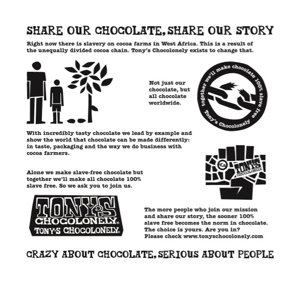
- The Power of a Storykunnskap-kristiania / 2020 / 05 / the-power-of-a-storyKRISTIANIA TOOLBOX: Storytelling Businesses need to do more than just define who they are and what they do. They also need to engage employees, customers and shareholders, by translating their purpose, values and actions into relevant narratives that enable people to express their identities. Stories then are not simply functional but emotional instruments that create meaning and stimulate ideas by delivering logos (rational argument), pathos (emotional connection) and ethos (moral authority). What does this mean in practice? Both start-ups (eg bbhugme ) and well-established organizations (eg Rapha , Greenpeace , Telenor ) create different sorts of narratives: foundational myths, values-based stories and everyday anecdotes. Some of these narratives will endure, but others, that fail to resonate, will disappear. Read also: Adidas’ Back to the Future Strategy Natural way of communicating ideas From the organizations’s perspective, storytelling is a way to share knowledge and experience by creating a feeling of connectivity and involvement and to link the past to the future. We hear a story about a brand and it can stir our imagination – we might believe this is a company I want to work for or a product I want to support. Storytelling also enables an organization to communicate an idea of itself that is distinctively different from other organizations. The reality is that because storytelling is such a natural way of communicating ideas, organizations will be using stories whether they plan and execute a programme or not. Read also: Co-creation of Brands How Tony’s Chocolonely tells its story As an illustration of the power of stories, take the Dutch chocolate brand, Tony’s Chocolonely . Tony’s Chocolonely didn’t set out to be a brand – it was a protest by three Dutch journalists about the use of slavery in cocoa farming in West Africa. They built a narrative around the issue, through a TV programme produced by one the journalists and then by one of the journalists handing himself into the police for eating a product that he knew was produced by slaves. When the case went to court he was acquitted, but it made the issue national news. To make their point, they then decided to create their own chocolate brand, called Tony’s Chocolonely (after one of the journalists, who was called Teun). The brand was an immediate success, selling out its entire first production run in the first day. Read also: Why consumers co-create Bought into the story Customers bought into the Tony’s Chocolonely story, not least through the wrapper which features a graphic about slave free chocolate and tells the story of how cocoa is produced by slaves. In 2012 Tony’s Chocolonely also introduced the unequally divided chocolate bar, (to express the unequal nature of the chocolate business) featuring the shapes of the cocao producing countries of West Africa. Angela Ursem , Movement Maker at Tony’s Chocolonely says, ‘We sold over 40 million pieces last year, and that means that there are potentially 40 million people that get in touch with our mission. So, it’s a super important communication piece. And of course, this is also really where the whole Tony story started and it’s also not that we created a chocolate bar, and then we created the story. No, the story was first, about the mission, that we want to eradicate child labour and modern slavery from the cocoa supply chain, and then we decided to make a chocolate bar. So, it’s first the story, then the bar, and then the branding.’ Today, Tony’s Chocolonely is in many different countries (including Norway) and, as of 2019, it is the largest chocolate brand in the Netherlands. Interestingly, it has never used paid media to achieve this position. Rather it tells its story through its product and encourages its customers to share narratives about the brand and its cause. Storytelling comes with obligations While storytelling is persuasive, we should also exercise some caution about its use. First, what the organization intends to communicate with a story, is not necessarily how it will be received. As the semiotician, Roland Barthes noted in his famous article, ‘The Death of the Author’, the meaning of something is not determined by the author of a story, but by its receiver. What Barthes noted in his 1968 essay is further compounded by the prevalence of social media, which can sometimes enrich (as is mostly the case with Tony’s Chocolonely) or sometimes confuse the message through different interpretations. Second, the credibility of a story relies on how well it is told, but also whether it aligns with other organizational stories and actions. Telling stories – as Barthes also observed – is an editing process. As the writer of the story we choose to both reveal and conceal. Editing can help bring meaning to the fore, but it can also undermine it. So, while we should embrace the power of stories as an effective way of communicating, we should also recognise that storytelling comes with obligations. References: Roland Barthes (1968) ‘ The Death of the Author ’. Yiannis Gabriel (2000) ‘Storytelling in Organizations.’ Oxford University Press. James Geary (2012) ‘I is an other: the secret life of metaphor and how it shapes the way we see the world.’ Harper Perennial. Sandra Horlings (2016) ‘Crazy about chocolate, serious about people’in Brands with a Conscience: how to build a successful and responsible brand. Eds Ind N and Horlings S., Kogan Page, 85-101. This article is written for Kunnskapsmagasinet Kristiania and first published on May 19th, 2020. Text: Professor Nicholas Ind, Department of Economics and Innovation, Kristiania University College and Holger Schmidt.
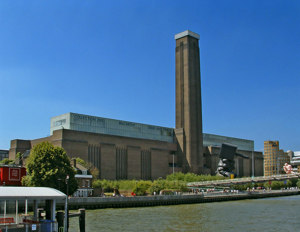
- Co-creation of Brandskunnskap-kristiania / 2019 / 12 / co-creation-of-brandsKNOWLEDGE @ KRISTIANIA: Brand Management Whose brand is it anyway? The answer to the question of who ‘owns’ a brand might appear to be self-evident. Yet the answer is not as simple as it first seems. Traditional marketing thinking with its managerial perspective, would argue that it is the company that owns the brand. In one sense this is true. A company owns the intellectual property that has gone into the design and development of the brand. It tries to invest the brand with relevant value and communicate that through its marketing communications. However, the company does not own the outcome. When Adidas uses the singer Pharrell Williams as the designer for its Human Race sneakers, it aims to suggest specific associations, but whether it succeeds or not is determined by the consumer, not adidas. If I like Williams’ music and adidas I might be spending my evenings with other sneakerheads sharing thoughts about the brand online and perhaps telling people about it when I meet them. Perhaps then it would make sense to argue that it is you (the consumer) that owns the brand. This is an interesting shift because it taps into the idea that while the company makes an offer, it is the user who determines value through their use of the brand. Yet,this is slightly misplaced, because what the consumer owns here is the experience of purchase, rather than the brand itself. Read also: Why consumers co-create A space in between It becomes apparent that the brand then is nether owned by the Organization nor by the consumer, rather it is created through the interactions and negotiations between the organization and its stakeholders and between stakeholders. This view of a connected individual and an organization suggests we should not see two separate entities, but rather a space where the two fuse. More than this: once we expand the relationship from a simple one between the brand and the individual, we can begin to see a network of evolving connections. Consumers can be commentators, innovators and investors. They will often be employees themselves and also have relationships directly with users, intermediaries and employees in other organisations. In this context the brand is always ‘becoming’, as a spectrum of different meanings emerge from interactions. The implication of this is that brands are co-created in a networked world. No longer can we see brands as having an organizationally determined fixed meaning. Rather they become fluid and adaptive and their meaning emerges out of this polyphony. The example of Tate Modern Take, for example, a cultural brand, such as Tate Modern in London. Tate Modern has a distinctive idea of itself, that is rooted in its location, its role in cultural life and its collection of modern and contemporary art. It’s highly successful and has more visitors than any other attraction in the UK (nearly 6 million people a year). Yet, the Tate Modern brand is not solely defined by a coterie of managers. Inside the Tate, there are many voices including curators, communicators and educationalists, while outside there are artists, critics, members and visitors. All have the possibility to talk and to shape what the brand is through what they say and write. The Icelandic-Danish artist, Olafur Eliasson , who has had major exhibitions at Tate Modern in 2003 and 2019, notes that a cultural institution ’…has to do with collaborative agency, with creating a space that increases trust – it’s about ’we-ness’. In other words, a place where people can come together and co-create meaning. The implications for brand management What might the implication of this co-creative perspective be? It means that managers still have influence over the direction of a brand (and it is important that they are clear about what the intended brand meaning is) but they no longer ’own’ or control it. This in turn argues brand co-creation is a fact of life. Whether organizations choose to embrace co-creation and build communities and networks and develop ideas with their consumers or not, they cannot avoid the reality that their brands will morph into new shapes through the actions and communications of their stakeholders. The co-creative approach to brand building therefore involves less managing and more humility, listening and learning together with others. Reference: Nicholas Ind, Holger J. Schmidt (2019): Co-creating Brands: Brand management from a co-creation perspective. Foreword by Venkat Ramaswamy and contributions from twenty co-creators. Published by Bloomsbury in December 2019. Photo: Tate Modern viewed from the Thames. By Christine Matthews. CC BY-SA 2.0. Text: Professor Nicholas Ind, Department of Economics and Innovation, Kristiania University College.
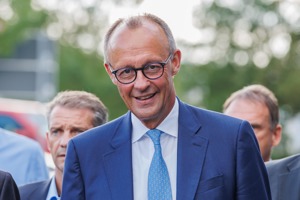
- Merz' slogan "Forward Again" united voters and brought successkunnskap-kristiania / 2025 / 2 / Merz-slogan-forward-again-united-voters-and-brought-successSCIENCE NEWS FROM KRISTIANIA : Political communication Under the slogan #Wiedernachvorne (“Forward Again”), Friedrich Merz successfully rallied voters with a promise of economic growth, a stronger role for Germany in the EU, and a return to stability. His campaign centered on rallying supporters and acknowledging political allies who had grown increasingly frustrated by years of uncertainty and stagnation. In uncertain times, this kind of messaging reassures voters and strengthens their trust in his leadership. A Campaign Shaped by Crisis In November 2024, Chancellor Olaf Scholz’s coalition government collapsed, throwing Germany into political turmoil. As a result, the country’s general election was moved up from September 2025 to February. Friedrich Merz, leader of the Christian Democratic Union (CDU), quickly launched his campaign under the slogan #Wiedernachvorne which translates to “Forward Again.” The message signal led renewal and progress, which bec a me the defining theme of his election strategy. According to polling data from The Guardian , CDU has been Germany’s largest party since April 2022, with Merz emerging as the frontrunner for chancellor. He is also one of the most active German politicians on Facebook, posting an average of 2. 4 posts per day. Mobilizing Supporters and Building Loyalty An analysis of Merz’s Facebook posts reveals how he blends modern political trends with his own distinct style of communication. As shown in Figure 1 , the majority of Merz’s posts focus on mobilization (61%), followed by recognition (56%), indicating a deliberate strategic effort to engage and energize his supporters. Mobilization: A Call to Action Friedrich Merz' media presence extends beyond spreading a message . He was b uilding a movement. Mobilization lies at the heart of his Facebook strategy, with 61% of his posts designed to rally supporters and foster a sense of community. His messages encourage d voters to take action , making them feel like part of something bigger. A post from January 18, 2025, illustrates this approach: "Grandiose Stimmung in Hannover! Heute startet unsere Wahlkampftour in Hannover! Gemeinsam kämpfen wir für einen Politikwechsel, der unser Land #wiedernachvorne bringt." (“Fantastic atmosphere in Hannover! Today, our campaign tour begins in Hannover! Together, we fight for political change that will move our country forward again.”) With this message, Merz sets an optimistic tone, reinforcing #Wiedernachvorne as the core theme of his campaign. His slogan is simple. It taps into emotions, inspires action, and aligns with global trends in political communication. In uncertain times, this kind of messaging reassures voters and strengthens their trust in his leadership. Building Loyalty Through Recognition Beyond m obilization , Merz engage d voters through recognition, with 56% of his posts dedicated to acknowledging supporters. He frequently highlight ed the hard work of his campaign team and grassroots activists, reinforcing a sense of loyalty and belonging among voters. In a January 16, 2025 , Facebook post, he wrote: "Man ist nur so gut wie das Team, das hinter einem steht. Ich bin den Mitarbeiterinnen und Mitarbeitern des Konrad-Adenauer-Hauses, den Kolleginnen und Kollegen im Wahlkreis sowie allen Wahlkämpferinnen und Wahlkämpfern in ganz Deutschland sehr dankbar für ihre herausragende Arbeit." (“You are only as good as the team behind you. I am deeply grateful to the staff at the Konrad Adenauer House, my colleagues in the constituency, and all campaigners across Germany for their outstanding work.”) Today’s most successful politicians blend modern digital strategies with traditional political values to effectively engage voters. B y openly appreciating his supporters, Merz presents himself as a grateful and inclusive leader. This approach adds a personal touch to his campaign, giving voters a behind-the-scenes look at his team and their efforts. Personalization in politics is a growing trend. By expressing gratitude, Merz humanizes his leadership and strengthens his emotional connection with voters. Strengthening the #Wiedernachvorne Message One of the most interesting aspects of Merz’s communication strategy is how he combine d mobilization and recognition to reinforce #Wiedernachvorne. His mobilization efforts encourage d voters to take action and unite around a shared vision of progress. At the same time, his recognition posts add ed a personal and emotional dimension to the slogan. By thanking supporters, Merz directly link ed their efforts to the campaign’s success—making #Wiedernachvorne not just a slogan, but a collective goal. A Modern Approach to Political Communication Merz’s strategy mirrors global trends in political communication, where personal, interactive, and forward-looking messaging plays a key role. Today’s most successful politicians blend modern digital strategies with traditional political values to effectively engage voters . What made Merz unique is how he adapt ed this approach to German y’s traditionally formal and policy-focused political landscape . By emphasizing economic and security issues while using direct calls to action, he attempt ed to modernize the CDU and ma d e the party more relatable to voters. Friedrich Merz’s victory offers valuable insights into how modern political communication is evolving. The #Wiedernachvorne slogan could become a symbol of progress that extends beyond Merz’s campaign and shapes future election campaigns, highlighting the impact of strategic social media communication on electoral success. References: Clarke, S., & Voce, A. (2025). German election 2025 poll tracker: Which party is leading and who could be chancellor? The Guardian. Larsson, A. O. (2015). Pandering, protesting, engaging: Norwegian party leaders on Facebook during the 2013 ‘short campaign’ . Information, Communication & Society, 18 (4), 459–473. McGuinness, D. (2024, December 16). Germany: Chancellor Olaf Scholz loses vote of confidence . BBC News. Segesten , A. D., & Bossetta , M. (2017). A typology of political participation online: How citizens used Twitter to mobilize during the 2015 British general elections. Information, Communication & Society, 20 (11), 1625–1643. Wertheimer, T. (2024, November 12). Germany plans February election after coalition collapse . BBC News. Text: Roy Aulie Jacobsen, Ph.D. candidate at the Institute of Communication, Kristiania University of Applied Sciences. We love hearing from you! Send your comments and questions regarding this article by e-mail to kunnskap@kristiania.no .
- Tidligere student i ny norsk storfilmaktuelt / 2017 / 12 / tidligere-student-i-ny-norsk-storfilmTidligere Skuespillstudent Ole Victor Corral i rollen som Magnus Kvalvik i ny norsk storfilm. Hei Ole! Gratulerer med rolle, hvem spiller du i filmen? – Jeg spiller Magnus Kvalvik, en av de 12 Bratholmgutta fra Kompani Linge som ble sendt til Troms for å sabotere tyske fartøy. En ganske badass fyr for å si det sånn. Han ble henrettet av tyskere i 1943 etter at en operasjon gikk skeis. (Ja, jeg dør på film). Hvordan fikk du den rollen? – Jeg gjorde en kortfilm som heter «Satelitter» med en veldig flink, ung regissør som heter Håkon Olavsen som ble vist på Cinemateket. I salen satt selveste Petter Holmsen, regiassistenten til Harald Zwart og så på. Han likte det han så og ville ha meg inn for en audition, men det var faktisk for en av de andre rollene. Så jeg gikk inn, spilte så tårene rant, fikk stående applaus (i hodet mitt) også hørte jeg ikke noe mer fra dem på ca. tre måneder. Jeg trodde jo de hadde glemt meg, men så fikk jeg plutselig en telefon av Petter. Han sa “Beklager Ole, vi gav rollen din til en annen, men hvis du vil spille Magnus, så er rollen din”. Selvfølgelig takket jeg ja! Jeg har sikkert 15-20 kortfilmer på dataen min som jeg har laget med flinke folk som går på skolen, og tro meg, det har hjulpet utrolig med å være trygg på set. Jeg har sikkert 15-20 kortfilmer på dataen min som jeg har laget med flinke folk som går på skolen, og tro meg, det har hjulpet utrolig med å være trygg på set. Hva lærte du av å være med på en så stor produksjon? – Dette er den største produksjonen jeg har vært med på, og jeg var jo bare en liten brikke i hele opplegget, så det jeg lærte mest av var å være «på» hele tiden. De har ikke tid eller mannskap til å passe på alle hele tiden så man må være litt proaktiv og forberedt på hva som kommer til å skje resten av dagen, ligge ett steg foran, forteller Ole Victor. – Når det er sagt – og her kommer det litt skryt av høyskolen – så har Skuespill-utdanningen rusta meg godt ved å ha en så god og talentfull Film og TV-utdanning som jeg har jobbet sammen med siden første klasse. Jeg har sikkert 15-20 kortfilmer på dataen min som jeg har laget med flinke folk som går på skolen, og tro meg, det har hjulpet utrolig med å være trygg på et set. Fordi uansett hvor stort settet er, så er det veldig likt det vi gjør på skolen! Du har innspillingslederen som fyker rundt og roper klokkeslett, lydmannen som skal under skjorta di, lysmannen som setter lyset. Så alt det var jeg allerede ganske rutinert på. Så ja, takk til Westerdals! (Skolens tidligere navn, red.anm.) Hvordan var overgangen fra skolehverdagen til en filmjobb i bransjen? Overgangen gikk bra. Jeg prøvde å ta det rolig og ikke bli opphengt i at det var jobb. Det har ikke så mye å si om det er film eller teater, eller skole eller jobb. Pluss at de som jobba der var så hyggelige og flinke folk, så det var lett å kose seg! Lærte du noe nytt? – Jeg lærte at denne bransjen er en maraton, ikke en sprint. Du hører om skuespillere som plutselig får en stor rolle i en film eller tv-serie for så å bli «kjendis over natta». Men man hører sjelden om all jobben de gjorde før de kom til det punktet. All øvingen, puggingen, skrivingen. Å være i miljøet, å bli sett og hørt og håper på at noen ser deg, samtidig som du har en heltidsjobb ved siden av for å betale leia. Hvis man prøver å sprinte til målstreken i denne bransjen tror jeg man fort kan bli skuffa. Ikke forvent at telefonen skal ringe bare fordi du gjorde en god jobb. Det er for mange om beinet rett og slett, så hold deg heller aktiv så vil det skje noe etterhvert, forsikrer Ole Victor. Hvor annerledes er det å spille i en flerkameraproduksjon versus å spille på en teaterscene? – Hvis du tenker på klassisk teater, så spiller man jo fortsatt realisme, men likevel er det en litt annerledes spillestil. I film må man kutte den avstanden man har til publikum og gjøre det mer «personlig» med den du spiller med. – I teater må man passe på at publikum ser deg ved å ikke vende ryggen til hele tiden, og du må heve stemmen din sånn at publikum hører deg. I film må du absolutt ignorere alt og alle som ikke er med i scenen og være litt mer egoistisk. Men det er jo mange likhetstrekk også. Det viktigste av alt er å ikke la andre fortelle deg hva du skal gjøre i scenen. Ta det regissøren sier som et forslag, men det er du som må eie det, det er du som må forstå det og ha et forhold til det. – Så tør å lede. Ta plass. Ikke vent på at alle skal fortelle deg hva du skal gjøre. Dette gjelder spesielt for filmproduksjoner hvor du får tilsendt en manus på forhånd, men ikke møter crewet før første innspillingsdag. Da er det viktig at du har gjort opp noen ideer i hodet ditt, avslutter Ole Victor. Filmplakat for «Den 12. mann». Håkon T. Nilsen fra klassen under Ole Victor var også med i filmen som en av de 12. mennene. Håkon hadde også en av hovedrollene når høyskolen satt opp stykket «Ifigenia i Aulis» i 2017.
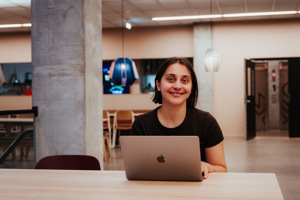
- Reklame og kreativ kommunikasjon - fullfinansiertstudier / fagskole / reklame-og-kreativ-kommunikasjon---fullfinansiertNøkkelinformasjon Hva lærer du? På Reklame og kreativ kommunikasjon jobber du praktisk og kreativt fra første studiedag. Gjennom utdanningen lærer du å anvende ulike dramaturgiske, språklige og visuelle virkemidler for å lage kreativ kommunikasjon til ulike målgrupper og kanaler. I løpet av studiet lærer du blant annet om: Kreative prosesser og metoder Konseptutvikling og idéarbeid Brukerinnsikt og markedsanalyse Digital innholdsproduksjon Visuell kommunikasjon og art direction Kreativ skriving og tekstforfatting Studiemodell Denne fagskoleutdanningen går over to studieår, og hvert studieår er delt opp i to semestre. Her ser du en oversikt over obligatoriske emner og hvilke muligheter du har for praksis og spesialisering. Vi tar forbehold om endringer. Hva kan du bli? Med en toårig fagskoleutdanning i Reklame og kreativ kommunikasjon, har du mange spennende karrieremuligheter. Du kan blant annet søke jobb i reklame- og kommunikasjonsbyrå, mediehus eller markedsavdelinger i privat og offentlig sektor. Du kan også starte eget selskap og jobbe som frilanser. Våre tidligere studenter jobber i kjente selskaper som: Møt familjøet Vår fagstab Reklame og kreativ kommunikasjon har et bredt og solid fagmiljø. Flere av lærerne jobber i bransjen og har et stort nettverk. Disse kontaktene benytter de inn i undervisningen for å gjøre den relevant og engasjerende. Gjennom studiet får vi jevnlig besøk fra kunder og kreative byråer som presenterer caser eller kundeoppdrag. Møt fagansvarlig På reklamestudiet kan du se frem til en variert studiehverdag. Som student hos oss får du være tett på bransjen, jobbe med arbeidslivsrelevante prosjekter og ha en nær dialog med lærere og medstudenter. Slik er søknadsprosessen Her finner du viktig informasjon om søknadsprosessen og hvordan du best kan forberede deg til studiestart. For å søke Viktige frister Dokumentasjonsfristen er lik akseptfristen som du mottar i tilbudet fra oss. For å sikre deg studieplass, må du laste opp nødvendig dokumentasjon og signere studiekontrakten innen akseptfristen. Selv om vi har mottatt bekreftelse fra skolen din om at du går siste året på videregående, må du i tillegg laste opp vitnemålet når du mottar dette i slutten av semesteret. Slik søker du Etter du har søkt på kristiania.no må du gå inn på Mitt Kristiania og laste opp dokumentasjon. Det er først når du har mottatt bekreftelse på at dokumentasjonen er godkjent, at du er sikret en plass. Dersom du fullfører videregående eller fagbrev/svennebrev denne våren, må du søke og så laste opp dokumentasjon fra skolen din som bekrefter dette. NB! Vi har et begrenset antall fullfinansierte studieplasser – vi anbefaler derfor å søke så raskt som mulig. Behandlingstid Dette studieprogrammet har rullerende opptak, men med begrenset antall studieplasser. Etter du har søkt vil motta en betinget studiekontrakt med en frist for å laste opp dokumentasjon på at opptakskravene er oppfylt. Fristen avhenger av når du søkte. Opptaket vil stenge når studieprogrammet er fullt. Om ikke opptakskravene er dokumentert innen fristen, risikerer du å miste plassen. Når du har fått studieplass Semesterregistring Du må registrere deg for semesteret i StudentWeb. Dette er et krav for å få utbetaling fra Lånekassen. SiO (Oslo) og Sammen (Bergen) SiO og Sammen tilbyr boliger, helsetjenester, barnehage, treningssenter og mye mer til sine medlemmer. Lånekassen Alle våre studier er offentlig godkjent og gir rett til å søke lån og stipend fra Lånekassen. Klar til studiestart Støtte og tilrettelegging Som student kan du få rådgivning, tilrettelegging og oppfølging på studierelaterte spørsmål og utfordringer. Vi har taushetsplikt. Mitt Kristiania Her finner du timeplan, pensum, tjenester og alle andre verktøy du trenger som student. Studentbevis Studentbevis er ditt adgangskort til campus, betalingskort på printere og lånekort på vårt bibliotek. Dette får du i våre resepsjoner. Hva lurer du på? Ofte stilte spørsmål Fagskole har kortere utdanninger som gir deg mulighet til å komme deg raskt ut i arbeidslivet eller teste et fagområde. Våre studier har en varighet på seks måneder til to år. Fagskoleutdanning skal svare på arbeidslivets behov for kompetanse, og vi har derfor et tett samarbeid med relevante aktører i forbindelse med utvikling og gjennomføring av studier. En fagskoleutdanning legger mer vekt på praktisk jobbing og ferdighetstrening, og mindre vekt på akademisk læring. Klassene er ofte små, og du får tett oppfølging av faglærer. Hos oss får du jobbe med virkelighetsnære oppgaver og tverrfaglige prosjekter, som gjør deg klar for arbeidslivet. Lærerne har bred erfaring fra fagfeltet de underviser i og et stort nettverk. Dette benytter de aktivt i undervisningen blant annet ved å invitere inn aktører fra bransjen til å ha gjesteforelesninger, utarbeide caseroppgaver og for å vurdere studentenes arbeid. Fagskole er høyere yrkesfaglig utdanning som ligger på nivå over videregående opplæring: nivå 5.2 for toårige fagskoleutdanninger på heltid (120 studiepoeng), og nivå 5.1 for ettårige fagskoleutdanninger på heltid (60 studiepoeng). Fullført og bestått toårig fagskolegrad vil gi deg generell studiekompetanse. Dette får du vite når du begynner på studiet. Vi anbefaler deg å vente med å skaffe utstyr til da. Men i tillegg til pensumlitteratur anbefales det å ha en relativt ny datamaskin som du kan jobbe på hjemmefra (enten PC eller Mac). Du må regne med noen ekstra kostnader knyttet til enkelte temaoppgaver, presentasjoner og mappeleveringer. Et eksempel er tema åtte der du skal lage et magasin, som vil medføre utgifter i forbindelse med å få det trykket. Programvaren som brukes er tilgjengelig på alle skolens datamaskiner i og utenfor undervisning. Siste semester av studiet kan du søke praksis i en valgfri bedrift. På denne måten får du mulighet til å tilegne deg verdifull arbeidserfaring og knytte kontakter i bransjen. Målet er at du etter to år hos oss, skal ha kunnskap og ferdigheter til for å ta steget ut i arbeidslivet. Tidligere studenter har hatt praksis i byråer som: Anorak Brunch Dinamo Kitchen Schjærven Tante Randi Trigger TRY Råd Etter fullført og bestått fagskolegrad, kan du søke deg til et universitet i utlandet hvor du kan bygge på til en bachelorgrad. Vår samarbeidspartner Education Link hjelper deg med søknadsprosessen. På Education Links nettside kan du lese mer om hvilke land og universiteter du kan søke deg til. Vi gjør oppmerksom på at det er opp til det utenlandske universitetet å vurdere om du kvalifiserer til opptak, og om det er ledige studieplasser ved det aktuelle studieprogrammet du søker deg til. Fagskolen Kristiania har fått tilskudd fra Oslo kommune for å kunne tilby et begrenset antall fullfinansierte (gratis) studieplasser i Oslo. Dette gjelder spesifikke studier med oppstart høsten 2025. Tilskuddet er et svar på kommunen og regjeringens ønske om gjøre fagskolene til en større og viktigere del av det norske utdanningstilbudet. Les mer om våre studenter
 OsloFagskoleHeltid
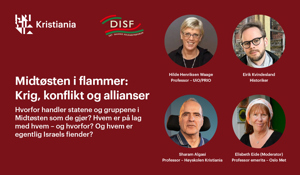
 - Midtøsten i flammer- Krig, konflikt og allianserom-kristiania / kalender / midtosten-i-flammer--krig-konflikt-og-allianserHvorfor handler statene og gruppene i Midtøsten som de gjør? Hvem er på lag med hvem – og hvorfor? Og hvem er egentlig Israels fiender?
- Five principles in defining a powerful purposekunnskap-kristiania / 2021 / 01 / five-principles-in-defining-a-powerful-purpose2KRISTIANIA TOOLBOX: Defining a meaningful purpose The traditional view of purpose is that it is an articulation of the essence of an organization, its reason for being, why it does what it does, and why that is relevant to its future. Yet, presentations on the subject tend to step over, the ‘meaning’ attached to a purpose, and ‘how’ it is arrived at. Generally, it is seen as the task of management to filter out the superfluous and focus in on that, which best represents the uniqueness of the organization. Inevitably this editing process brings some aspects of the organization into view and pushes others into the background. Even when the process is rooted in gaining feedback from people, this is still an inside-out approach. Read also: How enterprises can create meaningful purpose together with their stakeholders Engaging all stakeholders The alternative to the inside out approach is to become closer to stakeholders and to engage them as partners in the process of defining purpose together. An organizational purpose that involves all stakeholders is likely to be seen as more meaningful, drive better engagement, and generate developmental impacts that are more sustainable. Read also: The Power of a Story In a Fortune survey in May 2020 , around half the CEOs believed that COVID would accelerate the move to stakeholder capitalism. This shift requires purpose to become a core tenet of how an organization meets the needs of its different stakeholders. How? We recommend the following: 1. Make it simple, but not too bland A purpose statement only acquires meaning when it is used to steer the actions of stakeholders. Make a statement too complex and it will be ignored. Rather organizations should err on the side of simplicity and concision, but if a statement is so bland that it could apply to any organization at any time, then it is unlikely to appear relevant to employees and others. Of course, a purpose statement does not exist in isolation, and will be supported by other statements and values, but if it fails in its primary duty to direct and inspire, it becomes pointless. 2. Co-create it Organizations always have a purpose – from the start-up to the multinational enterprise. However, as organizations grow and develop, they move from an intuitive understanding of purpose, to one that is more nuanced and that needs to be articulated. If a purpose is to meet the needs of stakeholders, it should not simply be a managerial creation, but rather the result of a participative and involving process. This may slow things down, but it also helps to create something that is authentic and relevant to both internal and external audiences. 3. Integrate it A core benefit of a clear purpose is its role in decision-making. A purpose that is lived can guide strategy, but also the detailed everyday decisions that people make. This helps companies to be agile, because the boundaries of choice become clearer. In COVID times, this has been particularly important in enabling companies to innovate rapidly in such areas as personal protection equipment, track and trace systems, home working processes and small business funding. 4. Let others enrich it Alongside the managerial commitment to deliver on a purpose, organizations need to recognise that they also have to let go of the purpose and let others in their experience ecosystems build on it, develop it and enrich it. There is sometimes a fear that letting go can lead to a purpose that heads off in an unintended direction. There is certainly a risk here, but this is ameliorated, when a properly integrated purpose and effective governance processes combine to determine the way companies work with the ecosystem. 5. Communicate outcome impacts Often purpose statements deal in generalities about a future state – policies rather than outcomes and their impacts. This inhibits their organizational relevance, because it is hard to see what the impact will be and how stakeholders can contribute to it. Also, given that a purpose is designed to be enduring, how does an organization know whether it is making progress or needs to adjust. A company such as Philips, which has a target is in a better position in that it can measure its progress towards realising the purpose and motivate everyone involved. Read also: How Business is Accelerating Toward a Fairer Future Organizations will only realise the potential of purpose if it is used to guide managerial choices and the actions of stakeholders. This co-creative approach means a purpose has to be seen as a fluid, ever-evolving idea rather then something fixed. References: Gast A., Illanes, P., Probst N., Schaninger B. and Simpson B. (2020). Purpose: Shifting from why to how. McKinsey Quarterly. April 22 2020. Ramaswamy V. and Gouillart F. (2010) “Building the Co-Creative Enterprise,” Harvard Business Review, October 2010. https://hbr.org/2010/10/building-the-co-creative-enterprise Younger, R, Mayer, C. and Eccles, R. (2020) Enacting Purpose within the Modern Corporation: A Framework for Boards of Directors. EPI. This article is an excerpt from the article «How enterprises can create meaningful purpose together with their stakeholders» published in The European Business Review on January 21, 2021. Text: Professor Nicholas Ind, Department of Economics and Innovation at Kristiania University College and Professor Venkat Ramaswamy , the Ross School of Business, University of Michigan, Ann Arbor, USA.

- Når livet blir snudd på hodetaktuelt / 2020 / 05 / nar-livet-blir-snudd-pa-hodet– Filmen handler om Erik som er en bilmekaniker fra Hallingdal. Han har livet på stell med kjæreste, venner og jobb. En dag utsettes han for en snøskuterulykke hvor han blir lam fra livet og ned. Han må lære seg å leve med den nye situasjonen i relasjon til sine nærmeste, som nå er snudd på hodet. Der hvor Erik tidligere utstrålte selvtillit, er det nå usikkerhet og sjalusi han føler på, forteller avgangsstudenten Mats Bjerknes. Handlingen er lagt til Flå i Hallingdal som er hjembygda til Bjerknes. Han startet med å skrive på manuset i april i fjor, men idéen har han ruget på i mange år. Bjerknes sitter selv i rullestol, og syntes det er et viktig perspektiv å fortelle fra. Han håper at historien både kan underholde, men også å opplyse hvordan livet i rullestol kan være. – Jeg sparte denne idéen til bachelorfilmen min. Selv om det er en kortfilm, så håper at folk kan få et lite innblikk i hvordan hverdagen er når man sitter i rullestol. Da tenker jeg ikke bare på de negative sidene, men også de positive. Erik er i bunn og grunn et helt vanlig menneske, som ikke er altfor kul eller fullstendig pleietrengende. Jeg håper folk kan se at man kan gjøre helt vanlige ting - også i rullestol. Målet er å normalisere hele situasjonen. Tilbake til bygda Som en ekte Hallingdøling, syntes Bjerknes at det var gøy å ta med seg filmcrewet fra Oslo til hjembygda Flå. For å representere bygda inneholdt produksjonen både bil- og snøscooterkjøring på vidda i over 20 minus. Selv om deler av produksjonen kunne by på utfordringer, angrer ikke Bjerknes på at han filmet det så realistisk som mulig. – Jeg er faktisk i gang med å søke støtte til manusutvikling, og håper i enda større grad at en kinofilm kan bidra til å opplyse samfunnet om et så viktig tema. – Det er klart at jeg kunne gjort det enklere for meg selv, men det var viktig for meg å vise denne kulturen på en autentisk måte. Jeg husker en av de første scenene vi filmet var en Volvo stasjonsvogn som kjører full sladd gjennom noen svinger. Jeg har vært med på heftig bilkjøring før, men aldri filmet det med kamera, fullt crew og stengt vei. Etter at stasjonsvognen suste gjennom svingen så reagerte hele crewet på at dette var noe av det sykeste de hadde sett, sier Bjerknes og ler. Å filme i hjembygda har også mange praktiske fordeler. Ved siden av de 50 000 kronene filmteamet fikk i støtte fra skolen, fikk de også 30 000 kroner ekstra fra Flå kommune, samt 20 000 fra eksterne sponsorer. Dette gjorde at produksjonen til gikk i null. Bjerknes er klar på at det er både fordeler og ulemper ved å filme utenfor Oslo. – Det er jo dyrere å filme utenfor Oslo. Samtidig så fikk vi alle location gratis og mye støtte til mat og husly. Drømmer om langfilm Bjerknes nærmer seg snart slutten på den treårige bachelorgraden i Film og TV. Han sier han har møtt mange kreative og hyggelige studenter og lærere, som ser deg for den du er og bygger deg opp. Han forteller også om hvordan han har lært mye av den praktiske delen av undervisningen, og hentet mye inspirasjon gjennom studiene. – Jeg lærte om «kitchen sink realism» fra underviseren Fredrik Hestevold. Det er hardbarka realisme, og handler om ekte folk, ofte de som ikke er øverst på rangstigen. Jeg hadde ikke sett så mye av det før, og da tenkte jeg at dette er noe i min gate. Denne kortfilmen er ikke så mye innom denne sjangeren, men vil prøve å bruke det i fremtidige prosjekter, forteller Bjerknes. Bjerknes og teamet hans er nå inne i siste del av post-produksjonen. Selv om koronaviruset kan legge demper på premieren, så gleder han seg til å vise frem kortfilmen. Drømmen er å få vist den på festivaler i Norge, men han har også enda større planer for «Aktlaus». – Jeg merket fort at 25 minutter ikke er nok for å fortelle hele historien. I denne kortfilmen får jeg bare skrapet på overflaten. Men jeg vil gå dypere inn tematikken, så drømmen er definitivt å lage en langfilm en dag. Jeg er faktisk i gang med å søke støtte til manusutvikling, og håper i enda større grad at en kinofilm kan bidra til å opplyse samfunnet om et så viktig tema.
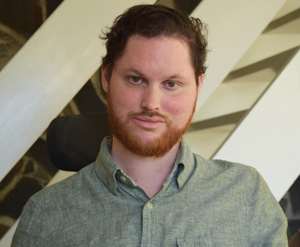
- Mormor inspirerte prisvinnende masteroppgaveaktuelt / 2025 / 10 / mormor-inspirerte-prisvinnende-masteroppgave– På et tidspunkt visste jeg ikke om jeg kom til å bli ferdig i tide, så det å ende opp med å få prisen betyr utrolig mye. Selv om Emily selv ble overrasket over utmerkelsen, var juryen aldri i tvil. De roser prosjektet opp i skyene og beskriver det som eksperimentelt, nyskapende og lekent, samtidig som det holder en imponerende høy faglig kvalitet. «Bolig for fremtiden – Håndbok for deg som ønsker å tilrettelegge for et langsiktig hjem» blir trukket frem som et forbilledlig eksempel på hvordan interiørarkitektur kan bidra til å møte store samfunnsutfordringer. Se mer om masteroppgaven på Emily Bakkes Instagram-side Fem intense år Hun visste tidlig hva hun ville. – Allerede som 13-åring visste jeg at jeg ville drive med interiør. Da tiden kom for å velge studieretning, falt valget på Bachelor i interiørarkitektur på Kristiania . – Etter bachelorgraden følte jeg meg klar til å gå rett ut i jobb, men etter å ha hørt litt om mastergraden måtte jeg bare søke. – Mastergraden i design er utforskende og fri, og man får mer rom til å bruke kreativiteten enn på bacheloren. Les mer om Master i design her! Etter fem intense år med hardt arbeid er hun nå klar for arbeidslivet. Hun vil bruke kunnskapen hun har tilegnet seg til å gjøre en forskjell i samfunnet, ett rom om gangen. – Med masteren har jeg fått verktøyene til å utforme enda mer funksjonelle og empatiske løsninger. Inspirert av mormor Ideen til masteroppgaven oppsto sommeren 2022 – etter en hendelse som skulle sette dype spor. Emilys mormor falt stygt og havnet på sykehus. Den sprekeste og mest selvstendige personen hun vet om fikk plutselig et varig behov for rullestol, rullator og andre hjelpemidler i alle rom. – Vi måtte flytte på møblene hennes og fjerne ting for at hun skulle få plass til hjelpemidlene. Det var ganske sårt. – Jeg så hvor brått hjemmet hennes endret seg. Vi måtte flytte på møblene hennes og fjerne ting for at hun skulle få plass til hjelpemidlene. Det var ganske sårt. Hendelsen fikk Emily til å reflektere over hva hun kunne gjort som interiørarkitekt for at overgangen ble mindre brå. Tidlig tilrettelegging for eldre i private hjem ble utgangspunktet for masteroppgaven hennes. Det handler ikke om å være gammel – Det handler om å være forberedt! Det er Emilys budskap til alle som mener de er for unge for å tenke på tilrettelegging. Fra forskning til håndbok – Jeg ville skrive om tilrettelegging, men da jeg begynte å undersøke temaet fant jeg lite informasjon spesifikt for eldre i private hjem. Jeg tenkte «Ok, dette blir min jobb». Informasjonen var spredt, og ofte rettet mot kommuner eller utbyggere, og det fantes ingen sjekkliste for hva privatpersoner kunne gjøre selv, i egne hjem. Da fikk hun idéen om å lage håndboken. Emily gjorde et stort arbeid med å samle og systematisere eksisterende kunnskap om tilrettelegging, og hentet informasjon fra andre fagfelt som helse, gerontologi og samfunnsutvikling. Hun fikk også kjenne hvordan alderen påvirker kroppen gjennom aldringsdrakten GERT. – Undersøkelsen gikk ut på at jeg brukte drakten gjennom en helt vanlig dag og dokumenterte mine opplevelser og tanker. Personlig og lekent uttrykk En slående egenskap ved håndboken er den lekne illustrasjonsstilen og de spenstige fargevalgene. Stilen var ikke et bevisst valg fra begynnelsen, men vokste fram helt naturlig underveis i prosessen. – Temaet er jo litt tungt og deprimerende. Det er ikke lystig at kroppene våre forfaller, og at vi ikke kan gjøre noe med det, så jeg tror det var en slags forsvarsmekanisme som kicket inn. Hun var bekymret for mottakelsen, men juryen mener at håndboken på tross av det noe stigmatiserende temaet etablerer en optimisme hos leseren. Vi gratulerer Emily Bakke med prisen, og med ny jobb som Kitchen advisor i Elkjøp!
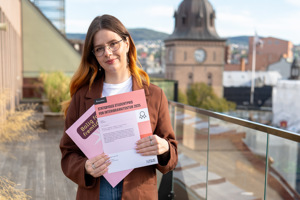
- Why consumers co-createkunnskap-kristiania / 2019 / 10 / why-consumers-co-createKNOWLEDGE @ KRISTIANIA: Co-Creation Most organizations want to get close to consumers and to learn about their needs and desires as a way of creating products and services, developing effective marketing campaigns and reducing risk. Increasingly organizations are using online co-creation communities to do this as it enables them to dig below the surface of people’s opinions and uncover their latent feelings. Usually this process involves recruiting people against a set of selection criteria that is relevant to the task and encouraging their active participation in a closed community of between 300 and 500 members. Some organizations have permanent communities, while others are task specific. If you ask managers why people are willing to participate in such commercially focused communities, their assumption is that it must be the money. They rate intrinsic factors such as sociality and meaningful experience as the least important. In search of Motivation We set out to determine whether this managerial belief is true and to better understand the role intrinsic and extrinsic motivation play in motivating people. To conduct this research, we invited members of three existing online communities to take part in a study. The communities came from quite different areas: consumer goods, diabetes and high blood pressure, and private health. The communities enjoy high levels of participation and have active facilitation, an emphasis on non-financial rewards and minimal use of financial rewards. 178 people agreed to participate in the study. Learning from Conversations To get insights into peoples’ motivations we used a two-phase online research process. In the first phase we used a qualitative/quantitative research tool, that combines conversation and machine learning to deliver quantitative insights to qualitative questions. Instead of framing questions where the options are limited and the language has already been determined, the tool allows people to answer open-ended questions by writing down their responses in their own words, which others then vote on, two at a time. The tool mirrors conversation in that it allows participants to interact with one another and to react in real time to thoughts being exchanged until a resolution is reached that best reflects the thinking of the group. The research featured 9 open-ended questions and 7 poll questions. The 9 open-ended questions generated 1,102 unique responses (the highest count for an open question was 153 responses) and 34,819 votes. Once the first phase of the research exercise was complete, we created brief summaries of the first phase research, which we then provided to the communities. In the online discussion we hosted with the participants, we asked whether the summary aligned with their personal experience and invited them to add further comments. The process generated a further 255 responses. Key motivational factors So, what did we learn? Most people in the three communities are dominantly intrinsically motivated. Their motivations are concerned with contributing to something they find valuable and interesting, having the opportunity to express themselves and the ability to develop their knowledge by sharing and listening to others. However, the research also suggests some nuances to the balance of intrinsic and extrinsic rewards. While 39% of people in the study said that they would still participate without financial rewards, the most strongly supported statements combine intrinsic benefits with financial rewards. Financial rewards are seen as more of a “thank you” for participation and for making a contributing to the community. Freedom of expression A second aspect of motivation is concerned with control versus freedom of expression. When people have a greater degree of freedom it enhances motivation. Participants feel that the balance is right in their communities and that they have sufficient freedom and good moderation. Notably 97% of participants believe that they have been treated fairly by the moderators, who clearly play a vital role in creating a positive culture and in helping to humanize and cement the solidarity of the community. Overall, when a community works well it generates high levels of engagement. This is notable in the way participants describe their experience. Positive, passionate and highly motivated The participants in these three online sponsored co-creation communities are positive, passionate and highly motivated. These might be attributes that we would expect from fan communities based around Milanese opera or Liverpool football club (both have been studied), but they are not necessarily what we might expect from consumers discussing tooth paste or a health club for commercial organizations. The study shows people can be highly participative if those managing online communities create an engaging purpose coupled with the freedom to explore ideas. This requires sensitive moderation, the creation of a trusting environment where people feel they can express themselves and a willingness to take the time to nurture community solidarity where people are connected to each other and to the sponsoring brand. Reference: Nicholas Ind, Nick Coates and Katrina Lerman (2019): ‘The Gift of Co-Creation: what motivates customers to participate ’. Journal of Brand Management https://doi.org/10.1057/s41262-019-00173-7 Text: Professor Nicholas Ind, Department of Economics and Innovation, Kristiania University College.
- Noen av verdens beste visuelle effekter lages i Osloaktuelt / 2024 / 03 / noen-av-verdens-beste-spesialeffekter-lages-i-osloStorm Studios er et av de eldste og største VFX-studioene i Norge. De var med å starte opp VFX-bransjen i Norge og jobber i dag stort sett bare på amerikanske produksjoner som «Star Trek»,«Shadow and Bone» og Marvel-filmer. Her jobber blant andre Markus Eiken, Ingvild Rein og Melvin Østensen som alle er tidligere studenter fra det som i dag heter Bachelor i Computer Arts . Første «norske» Emmy for VFX – Noe av det som er veldig fint med å jobbe her er at vi får jobbe med noen av de beste i bransjen i Norge og Skandinavia. Det er også morsomt at Kristiania er så godt representert her. I den avdelingen der vi jobber er det totalt 20 mennesker og 15 av dem er tidligere studenter fra Kristiania, forteller de. – Gratulerer med å vinne Emmy for jobben dere gjorde med «The Last of Us»! – Ja, vår supervisor Espen Nordahl var over i Los Angeles og tok imot prisen i januar. Det var veldig stas! Dette er første gang noen i Norge vinner Emmy for beste visuelle effekter! Rett fra skolebenken Ingvild er den ferskeste i gjengen, og fikk jobb i Storm Studios etter at hun hadde praksis der som en del av utdanningen . – Du kom jo rett fra skolebenken da du begynte på dette prosjektet. Følte du at du var klar for en slik produksjon? – Ja, jeg følte at jeg var klar. Jeg var ferdig på Kristiania sommeren 2022. Da hadde jeg hatt internship hos Storm hele våren som en del av utdanningen min, og som en del av det fikk jeg jobbe på filmen «Black Panther – Wakanda forever». Og så ansatte Storm meg etter at jeg var ferdig og da ble jeg også en del av «The Last of Us»-prosjektet. Les mer om Bachelor i Computer Arts her! – Kan dere si noe om hva dere gjorde på prosjektet? – Vi gjorde forskjellige typer effekter fra det vi kaller set extension og digitale bakgrunner til fulle CG-ansikter. Og så la vi til litt ekstra blod. De har ofte falskt blod på sett, men vi må ofte forsterke det ved å legge på litt til. Og så gjorde vi disse sopp-sporene, eller slyngtrådene, som vokser ut av munnen på de infiserte i serien. Det hender vi gjør ting som er litt ekkelt! De har ofte falskt blod på sett, men vi må ofte forsterke det ved å legge på litt til. – Ok, her var det en del uttrykk som jeg tror dere må forklare. Hva er set extension? – Det er når vi hjelper til med å lage bakgrunner og digitale kulisser. Ofte når man bygger kulisser i studio, bygger man bare de viktigste delene, kanskje de delene som skuespillerne kommer i direkte kontakt med. Og så lager vi resten digitalt og syr det sammen med det som var filmet i studio. – Dere nevnte CG-ansikter? – CG er et uttrykk vi bruker på elementer som 3D-modelleres i en datamaskin. I «The Last of Us» byttet vi noen ansikter med nye ansikter som vi laget i cg og digitalt festet på ansiktene til skuespillerne. – Kunne dere virkelig alt dette da dere gikk ut fra Bachelor-programmet? – Vi hadde ikke nødvendigvis gjort alt dette før, men vi hadde lært prinsippene og teknikkene, ja. Og set extension hadde vi gjort en del av. Men der Storm virkelig bidro med egne ting var disse slyngtrådene. Dette er de tråd-aktige soppene som vokser ut av munnen på de som er infisert. Her fikk Storm i oppdrag å finne ut hvordan de skulle se ut og oppføre seg. Et kyss med soppsmak Det var Markus som fikk oppgaven med å finne ut hvordan slyngtrådene fra de infiserte skulle se ut. – En morsom ting var at vi jobbet på et shot av en infisert med slike slyngtråder ut av munnen som kysser og dermed infiserer et annet menneske. Det shotet ble ganske kjent og det ble faktisk nominert til Best Kiss på MTV-awards, foreller han. – Jeg vet at det er ganske høye sikkerhetskrav her for at dere skal få lov til å jobbe på disse store amerikanske prosjektene. Kan dere si noe om det? – Det stemmer. Vi er sikkerhets-sertifisert og er en såkalt Trusted Partner som gjør at vi kan få jobbe på de store amerikanske produksjonene. Dette handler både om at det ikke skal være mulig å få tak i og spre bilder fra produksjonen før den er på tv eller på kino, men også at det skal være hemmelig hva vi jobber på til enhver tid. Arbeidsstasjonene våre er for eksempel ikke tilkoblet internett. Alt som skal inn i og ut av vårt system går gjennom noen få maskiner der alt blir logget og der ikke alle har tilgang, sier Melvin. Vi fikk ikke lov til å snakke om det, ikke en gang til vår egen familie. – Mens vi jobbet på «The Last of Us» fikk vi ikke lov til å snakke om det, ikke en gang til vår egen familie. Det kan være vanskelig fordi vi er veldig stolte av det vi holder på med, men vi vet at det er viktig så vi sier ikke noe. Når premieren nærmer seg, ser vi alltid fram til å få lov til å si hva vi har jobbet på. – Og hva jobber dere på nå? – Haha! Sorry, men det kan vi ikke si! – Det store spørsmålet nå er jo om dere også skal jobbe på neste sesong av «The Last of Us». Kan dere si noe om det? – Nei, det kan vi ikke. Det eneste vi vet er at de har fått støtte via insentivordningen til å legge jobb hos oss hvis de ønsker det. Men det hadde vært morsomt. – Har dere noen ønsker for sesong to hvis dere får jobben? – Hvis vi skal jobbe på neste sesong, hadde det væt morsomt å lage noen større environments, altså noen store bakgrunner slik som vi for eksempel gjorde i tv-serien «Shadow and Bone» som vi også ble Emmy-nominert for, sier Ingvild. Vi ble vant til å få – og til å forholde oss til – tilbakemeldinger. – Hva er det viktigste dere fikk med dere fra Kristiania som har hjulpet dere til å lykkes i bransjen? – Under studiet ble vi trygge på verktøyene, metodene og prosessene. Men noe av det viktigste var kanskje at vi ble vant til å få – og til å forholde oss til – tilbakemeldinger. Det var mye mas under studiet om det å bli vant med å vise uferdige ting for å få kommentarer på det tidlig. Og akkurat det har vært gull! Det er veldig viktig når man er i en produksjon. Mange er redde for å vise fram ting som ikke er ferdige, men det er ved å gjøre det og ved å få kommentarer på det at du ender opp med et best mulig resultat. Jo mer du viser en supervisor underveis, jo bedre blir resultatet, samstemmer de tre.

- ESMOD avgangsvisning 2025om-kristiania / kalender / esmodavgangsvisning2025Dato: Torsdag 05. juni 2025 Tid: 16.00 - 21.00 Sted: Kirkegata 24, Oslo PROGRAM: 16.00 - 18.00: FBC-utstilling før visning (Kirkegata 24) Kom gjerne innom utstillingen laget av ESMODs avgangsstudenter i Fashion Brand Communication (FBC). 18.00 - 20.00: Bytt billett til armbånd (Kirkegata 23) Mingle & åpen bar 19.30: Dørene til Ernst hage åpner (Kirkegata 24) 20.00: Avgangsvisning 2025 21.00: Takk for i år! FBC-UTSTILLING: Hanna Elisabeth Olaussen Milano Abdulla-Poor Deniz Vacariu Kayaci Anna Tera Munkvold Nikolaisen Julie Brennhaug Victoria Elisabeth Biering Tilla Wiig Anine Yggeseth Nicoline Marki Solheim Thea Susort Hennie Vaagseth ÅRETS AVGANGSSTUDENTER: Maiken Hjellset Tømte Eirik Vespestad Mikael Larsen Sækingstad Alva Ringdal Billstrøm Haakon Hjemdahl Ola Moe Maren Aaby Bergkåsa Nora Madeleine Bjørneboe Synne Marcussen Mona Strøm Nora Mæsel Syvertsen Mia Nilsson Krapf Mari Sundal Julie Sandal Marthinsen Kaspar Bastesen Dale Sunniva Olavsdatter Berg André Fernando Heringstad Maiken Bjercke Velkommen til en kveld fylt med inspirasjon, estetikk og fremtidens moteskapere. _____________________________________________________________________________________ Følg med på ESMOD Oslos Instagram-profil for å se smakebiter fra årets kolleksjoner.
- Klare for Young Lions 2021aktuelt / 2020 / 06 / klare-for-young-lions-2021I juni skulle Young Lions gå av stabelen i Cannes, men koronasituasjonen og stengte grenser ville det annerledes. – Det er jo selvsagt kjipt, men det var forventet, sier Michael Solbakken, tidligere student på Reklame og merkekommunikasjon ved Fagskolen Kristiania. Sammen med kollega i Kitchen, Calle Bjørnqvist, tok han gull i den nasjonale konkurransen, og skulle i utgangspunktet konkurrere med reklametalenter fra hele verden denne måneden. Young Lions er en del av Cannes Lions, men forbeholdt dem mellom 18 og 30 år. I konkurransen får hvert team en Mac, et filmkamera, en bildebank og 48 timer på å løse briefen på valgfri måte. Noe av det mest spennende med konkurransen er at alle starter med likt utgangspunkt. – Noe av det mest spennende med denne konkurransen er at alle starter med likt utgangspunkt, bortsett fra erfaringen man har med seg, sier Calle, som har en Bachelor i kreativ markedskommunikasjon fra Høyskolen Kristiania. I den nasjonale konkurransen var avsenderen av årets brief levert av World Food Program, hvor teamene skulle spre viktigheten av skolemat i vanskeligstilte land. Se den gullvinnende reklamefilmen nederst i saken. Forbereder seg til neste år Teamet trekker frem at de er glade for at de skal løse en ny brief i konkurransen i Cannes til neste år. I likhet med andre kreative mennesker kjenner de nemlig på hvordan produktet alltid kan justeres til det bedre. – Man er alltid den første til å gå lei av det man har laget, så vi kjenner selvsagt på endringstrangen selv om vi er fornøyd med resultatet, sier Michael. Man må levere det man har, enten man er ferdig eller ikke. – En del av denne konkurransen handler om å gjøre det beste man kan på de 48 timene man har til rådighet, og levere det man har – enten det er ferdig eller ikke. Endringstrang til tross, duoen kunne ikke fått et bedre resultat. Med et helt år til rådighet vet de hvordan de skal forberede seg til Young Lions 2021. – Når situasjonen ble som den ble tenker vi å benytte denne tiden til vår fordel og bli enda bedre på å lage reklame, sier Michael. – Og så skal vi skal se masse reklame! Med Calle som kreatør og Michael som videograf jobber guttene normalt sett i ulike faser: Calle er med fra idéprosessen, mens Michael jobber når produksjonen starter. I konkurransen er de derimot et sammensveiset team fra start til slutt. – Det er gøy å jobbe sammen gjennom hele prosessen, og så er det en kjempefordel å ha en videograf på teamet så vi kan produsere hele filmen selv, sier Calle. Ikke vær redd for å delta Guttene oppfordrer andre unge kreative mennesker til å bli med på de mange konkurransene som finnes der ute. – Det er dessverre litt sånn i denne bransjen at uansett hvor flink man er hjelper det ikke hvis man ikke blir lagt merke til. Å delta i konkurranser, og kanskje til og med vinne, er en mye sterkere søknad enn en CV, sier Michael. Man lærer ekstremt mye av å delta i denne type konkurranser. Calle er enig. De har allerede planlagt å delta i flere konkurranser sammen, være spontane og hive seg på det som dukker opp. – Ikke la være å delta i konkurranser fordi du er redd for å tape. Man innser fort i denne bransjen at man må tåle noen nederlag. Det er en del av det å pitche inn idéer, ikke bare i konkurranser, men på jobb også. Man lærer uansett ekstremt mye av å delta. – Og så må vi fortsette å vaske oss på hendene så vi får deltatt til neste år.
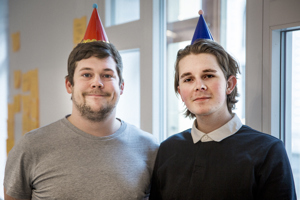
- Being a woman artist in Norway is disadvantageouskunnskap-kristiania / 2022 / 09 / being-a-woman-artist-in-norway-is-disadvantageousKNOWLEDGE@KRISTIANIA: Norwegian Art Imagine an artist – someone making a painting. What does this person look like? Most people probably imagine a man, perhaps someone middle-aged or old, maybe living in the 19 th century. This is the image of a stereotypical artist, and what we associate with the word “artist can hinder the possibilities for women in art. Most artists are women, but men’s art sell Norway is a progressive country, part of the Nordic Model of welfare and equality. We score consistently high on Gender Equality indices, such as those created by the World Economic Forum. Women account for almost 75 per cent of all artists, yet 90 per cent of all art sold are made by men! In the art field, however, Norway still has long a way to go. In visual art, such as paintings or drawings, women account for almost 75 per cent of all artists, yet 90 per cent of all art sold are made by men! This speaks to a systemic issue where women artists are not given equal opportunities to display or sell their art. A man, despite being a minority among Norwegian artists, is almost ten times as likely to sell his art compared to a woman artist. A bias throughout history In the Cognition & Art research group, the Gender in Norwegian Art (GINA) project aims to investigate this issue and propose solutions. Existing studies reveal a gender bias: if a spectator knows that an artwork is made by a woman, they give it a lower monetary value. Throughout history, there have been several cases where men presented or sold art as their own, when it was actually made by a woman. In one case, the signature of Dutch painter Judith Leyster was replaced by a man’s signature so that the painting would sell for more money. In modern society, women artists are still underrepresented in museums: across the United States, women artists account for only 13 per cent of all displayed art. Contemporary art in Norway has fared a little better, e.g. in the annual Høstutstillingen , 58 per cent of the artists on display were women in 2021. Answers in psychology? While this is a move in the right direction for equality, it does not speak to art sales and income for the artists. Statistics from Norway reveal a severe gender inequality where practically all art sold is made by men, even when most visual artists are women. People are unable to guess the gender of an artist based on the artwork itself Even if we exclude deceased, historical artists from the equation, men still account for well over 80 per cent of all art sold in Norway, even if exhibitions like Høstutstillingen display more women artists. The GINA project is investigating the sociopsychological variables that contribute to this problem. We examine if simply knowing the name of the artist will influence a painting’s monetary value and subjective experience; if people can tell art made by men and women apart; and if stereotypes of artists hinder women’s progress, to name a few. Men are rated higher Preliminary data from an ongoing GINA survey shows that people rate an artwork as more professionally made if they think it was made by a man, even if the actual artist was a woman. However, people are unable to guess the gender of an artist based on the artwork itself, suggesting that gender inequality has nothing to do with the artwork but rather with societal gender factors. The aim of the GINA project is to document the gender effects in art, focusing on Norway, but ultimately aim to propose solutions on how to resolve the problem. Most likely, the issue is complex and a result of both gender stereotypes and systemic educational factors present in art education and society. Blind to gender discrimination For example, since Norway is often advocated as a gender equal society, citizens can become blind or ignorant to gender discrimination happening. This leads people to inadvertently defend a system that festers inequality. As women pursue a career in art, it is paramount that they are given the same opportunities as men. As of today, this is not the case in Norway, as men have a vastly higher chance to earn a monetary living of their art than women. This happens despite more women visiting museums than men, more art critics being women, and a more equal distribution of men and women artists displaying their art in museums. At GINA at Kristiania University College, we aim to address this problem and promote equal opportunities for women pursuing a career in art. Reference: Follow the research project Gender in Norwegian Art (GINA) at: https://cognitionandart.com/blog/ Text: Associate professor Espen Sjøberg and Research Assistant Raquel Wilner, School of Health Sciences, Kristiania University College We would love hearing from you: Send your comments and questions regarding this article by e-mail to kunnskap@kristiania.no .

- Why we empower the authoritarian leader in times of fearkunnskap-kristiania / 2025 / 6 / Why-we-empower-the-authoritarian-leader-in-times-of-fearSCIENCE NEWS FROM KRISTIANIA: Leadership We often turn to strong leadership in times of uncertainty, chaos and crisis. The philosopher Thomas Hobbes pointed this out as early as the 1600s. Living in a time of conflict, he believed that only a strong state, led by strong leaders, could hold society together. His ideas can’t be scientifically proven, but they have helped shape a lasting belief in strong leadership. These days, strong leaders are thriving. The U.S. president sees himself - despite his egotism, childishness, and bullying behaviour - as a strong leader. And he prefers the company of others like him. When leaders like him team up with tech billionaires obsessed with corporate-style leadership, it’s time to buckle up. In times of disorder, people in general seem to be more willing to hand over power In the background, the manosphere is lurking. It glorifies masculinity, self-discipline, mental and physical toughness. Add a growing fan base for Ayn Rand’s controversial novel, Atlas Shrugged, and a pattern starts to emerge. Strong leadership can also be destructive Many strong leaders want the power to act without interference. Take Trump, for example. He tries to dethrone anyone who challenges him: the media, the courts, even public institutions. In times of disorder, people in general seem to be more willing to hand over power. We want someone to take control. To lead us through the storm. But we don’t always stop to question how that power is being used. Strong leaders who crave control often distrust transparency and democratic processes, as these processes slow things down and limit the freedom to act. Strong leadership is, of course, not always a bad thing. Yet some of the very traits that make leaders appear strong, like aggression, egocentrism and narcissism, can also be deeply destructive. Employee participation is head ing in the wrong direction We are an ocean away from the U.S., and Norwegian society is very different. Still, we need to be mindful of admiring leaders who are given too much power and unlimited manouvring space. In my latest book, Lederisme , I argue that society has shifted in ways that benefit leaders. Over the past 30 to 40 years, the leadership profession has gained more economic, cultural, social, and symbolic power. Set geopolitics aside, and we’ll see that when faced with unlimited leadership power, Norwegian workplace democracy is unlikely to escape without lasting harm When leaders are given too much freedom to act, cracks begin to show in the democratic Norwegian labour model. A gradual shift is occurring - tilting the balance from employees to employers. Studies show a steady erosion of employees’ rights to participate and influence decisions. Unlimited leadership is risky Strong leaders with no checks and balances threaten social contracts, institutions and established principles. That is the reality European leaders are now painfully learning, as they see long-standing structures being dismantled. In these cases, democratic ideals do not help. Only the hard truths of power politics apply. They must mobilise alternatives to unchecked power faster than they are able to. Set geopolitics aside, and we’ll see that when faced with unlimited leadership power, Norwegian workplace democracy is unlikely to escape without lasting harm. The question is, how suitable is labour democracy for handling contemporary challenges in the workplace? The answer to that question remains open. But the solution is certainly not to give leaders who are loyal only to their principles and themselves unlimited power and freedom to act. Being decisive and action-oriented are valuable leadership traits. But only when paired with accountability. Otherwise, if strong leaders with unchecked power – fuelled by global trends and blind admiration for strength – are given too much room, the working life in this country could face serious consequences. Text: Tom Karp, professor, School of Communication, Leadership and Marketing, Kristiania University of Applied Sciences. This article was first published in the Norwegian edition of Dagens Næringsliv on the 28th of February 2025 under the title “ Sterke ledere er i vinden ”. We love hearing from you! Send your comments and questions regarding this article by e-mail to kunnskap@kristiania.no .

- What are the long-term economic consequences of pandemics?kunnskap-kristiania / 2020 / 12 / what-are-the-long-term-economic-consequences-of-pandemicsKNOWLEDGE @ KRISTIANIA: Economic impact of pandemics Months after the first outbreak, the ongoing pandemic remains an emergency, demanding immediate attention, quick responses and a lot of flexibility from all of us. Directly or indirectly, our lives have been affected, forcing us to focus on the short-term task of re-organizing routines and plans to adapt to ever evolving limitations, rules, and pathological conditions. Read also: Kunnskap Kristiania 2020/2021 (E-magazine). The public response has similarly been concentrated on the impelling need to slow down the contagion, provide for the afflicted and organize appropriate quarantine measures. The specter of economic damage, and how to pay for the necessary accompanying stimulus measures, have entered the debate, especially in the EU, but remains somewhat marginal in the face of the second wave hitting Europe in the Fall. Read also: Heroes on the edge of burnout Changing everything, something, anything really? These conditions make taking a long-term perspective quite difficult, as it is generally the case in any serious crises. Some debates have started, however, on how COVID-19 is going to change everything, something, anything really. Many contradicting voices can be heard already. Perhaps it would be useful to listen to what economics has to say in this regard. The “dismal science”, that won such a somber title in consequence of its early fascination with the apparent inevitability of poverty, famine and disease, has since then largely abandoned the issue of pandemic and diseases. Read also: The Rise of the Counterfeit Industry Long-term consequences of a pandemic These topics are rarely found in economic textbooks anymore. However, some lessons can still be found in the scientific literature, provided one is willing to take a systematic and comprehensive look. At Kristiania University College, we did just that, looking for a scientifically founded vision of what the long-term consequences of a pandemic would look like, from an economic perspective. Here is what we found. Read also: Fighting Fake News Black Death – a historical turning-point The first surprising result is that, historically, most pandemics have had long-term beneficial consequences for socio-economic development. Even the most terrifying of such events, the Black Death, is generally considered a historical turning point, whose long-term consequences were key to explaining the relative rise of Europe in relation to other previously more advanced areas, such as the Middle East and the Far East. Noticeably, this was not a result of Europe being spared from the worst of the disease, but rather a consequence of the particularly high mortality rates experienced by the West at the time. Strange as it may sound, the exceptional unhealthiness of European cities, described as “open-air graveyards” in some chilling passages, was key to ensure perpetually higher salaries, leading to positive feedbacks in consumption patterns and production techniques, and the accumulation of substantial technological advantages in many areas. Listen to podcast : Take-Home Lessons from the Corona Crisis Long-term impacts of AIDS The present world, however, is vastly different from the one visited by the Black Death. To understand the present, the numerous studies on the long-term impacts of that modern pandemic, AIDS, may be more relevant. Surprisingly, however, the picture remains somewhat consistent. Some researchers claim that higher mortality rates will eventually result in more sustainable long-term growth patterns, accompanied by much higher per-capita GDP growth rates. Others point to the severe and long-lasting human and medical costs of the disease. Crucially, while the expected increase in salaries appear to have taken place in most heavy-hit African countries, this seems to also have increased the rates of pupils dropping out from education; while some are forced to work after being orphaned by the disease, most seem to be attracted by the relatively higher wages now available. As a result, in the current economic system, higher wages may lead to a subtle but persistent reduction in the accumulation of human capital, thus counteracting the benefits attending a more sustainable demographic expansion. Read also: The Rise of Generation Co Lessons from the economic literature While the complete long-term impact of pandemics is complex, two primary implications can be drawn by policy-makers from economic literature: The first is that the mechanisms of each pandemic are idiosyncratic: forecasting exercises commonly fail to account for the true scope of its effects, while the most desirable characteristic of response plans appear to be flexibility and willingness to quickly implement new solutions and approaches. The second is that, while the public response dominates the first phase, it is the private response that shapes the long term, as either entrepreneurial opportunities are discovered and exploited to bring about economic and institutional renewal, or the economic system struggles to recreate an old normal when surrounding conditions have changed. The effort to save and preserve must give way to the will to change and evolve. References: This popular article is based on two articles currently under review. Their titles are: “Pandemics and development: A literature review”, and “Entrepreneurial responses to health shocks: A literature review”. Both are authored by Christophe Feder and Beniamino Callegari. The article is first published in Kunnskap Kristiania 2020/2021 . Kunnskap Kristiania is a science Communication Magazine published by Kristiania University College. Text: Beniamino Callegari, Researcher at School of Economics, Innovation and Technology, Kristiania University College. Photo: Covid-19 has affected us all. What will be the long-term economic impact of the pandemic? Photo by Colin D on Unsplash.
- Applying empathy as a tool for innovative thinkingkunnskap-kristiania / 2021 / 5 / applying-empathy-as-a-tool-for-innovative-thinkingKNOWLEDGE @ KRISTIANIA: Innovation Thanks to modern medicine and improvements in lifestyle people are living longer. Figures suggest that by 2060 there will be more than double the number of older adults over the age of 70, triple the number over 80 and there is a good chance that almost 1 out of 5 will celebrate their 100th birthday. But fewer still will “age in place”; that is, in their own homes. Most of us hope to age in place. But the reality is that only 13% of Norwegians die in their own homes. Read also : Slik kommer du i gang med designtenkning (in Norwegian) Understanding “Age in Place” In order to be able to understand how older adults can “age in place” we need to understand the everyday challenges they face. An empathetic understanding of daily life can give researchers and practitioners the insight to re-frame potential problems and current limitations. At Kristiania University College, students are encouraged to try our “GERT” – an ageing suit to gain insight into an older adult’s world through the completion of simple tasks most adults consider normal, almost automatic activities of daily life. Read also: Designer en bedre verden (in Norwegian) When activities of daily life become a struggle The activities of daily life that most of us consider to be routine and easily completed can become a struggle in our older adult lives. This often leads to changes in behaviour, increased pressure from our environments, and the need for help which affects our personal independence and further, our dignity. Walking, getting up from a seated position, ascending and descending stairs, opening doors, and all the tasks we need to complete in a day to remain independent are attempted in an effort for designers to gain insight into a world they will inhabit in their future. Not to mention navigating retail and public spaces, reading product packaging labels and wayfinding information, paying for their purchases, and getting everything back home. Read also: Eye-shadowing Customers’ Reviews Feeling the restrictions of aging With the GERT suit we can, in effect, enter a world of sensory impairment (and to some degree deprivation) and literally feel the weight and kinaesthetic restrictions of ageing as well as haptic, audio and visual degradations. The activities of daily life become more challenging and what was once a semi-automatic easy task becomes something new as we struggle to cope with our body’s limitations and with new challenges within our familiar surroundings. According to the Lawton and Nahemow’s ecological theory of aging the performance of and comfort with daily activities is possible when an appropriate match between a person and his/her environment is achieved. This match is known as person-environment fit (P-E fit). The P-E fit is important in understanding the dynamic relationship between people and their environments in all fasits of life but especially as we age. Read also: Five principles in defining a powerful purpose Empathy-driven design To gain better personal insights into the subject matter students in interior architecture use this GERT suit as a pedagogical tool to sense the challenges via empathy-driven design. It allows them to feel, on their person, the challenges encountered by growing numbers in society. In order to make independent living and ageing in place possible for as many as possible, with as much dignity as possible, we require more research into the challenges being faced and the “jobs to be done” and to educate future generations to think differently about environments, products and services. Read also: How Business is Accelerating Toward a Fairer Future Sensing solutions My own research involves how our haptic senses “read” spaces and how we move around using kinesthetic and tactile modalities (senses) as our bodies slow down and our visual and auditory modalities decay. Within the domains of architecture and design, vision is the predominant sense. The dominance of the eye (ocularcentrism) and the suppression of the other senses tends to push us into detachment, isolation and exteriority. It is hoped that this research will help to aid architects, product and service designers by giving them more insight into the possibilities, beyond aesthetics, to engage haptics in design solutions to better meet the housing and service needs of a growing, and often misunderstood, user group. Read also: Why consumers co-create Finding innovative ways of reframing problems Empathy, by definition, is an action. It needs to be experienced, as the GERT suit enables, to be understood. Empathy is the first phase of design thinking and plays a critical role in finding innovative ways of redefining and reframing problems. As we age, our bodies go through gradual and progressive changes that can only be truly understood as we grow old. But if we can project this decline forward to the present, we can expose young (and not so young) designers, innovators and researchers to the problems the current and coming generations are facing. References: This article is based on lectures in the Interior Architecture bachelor’s «Ageing in Place» course at School of Arts, Design, and Media , Kristiania University College. The article also presents insights from an ongoing PhD research project on the use of haptics in interior architecture as a tool to extend the independence and dignity of the older adults in society. Text: Lecturer David Coates, Department of Economics and Innovation, Kristiania University College.